

16 Tools And Gadgets That Can Help Prevent Painful Repair Bills
We may receive a commission on purchases made from links.
No one likes surprise repair bills. A small leak, a slow-draining pipe, or a faulty wire can escalate if you ignore it long enough. Repairs are one of the hidden expenses of owning a home that you can never fully predict, but you can try to prevent the worst-case scenario. With modern-day gadgets and tools, it's possible to catch some issues in the early stages before they become a major problem.
From sensors that detect small leaks to smart monitors that notify you if your home's temperature and humidity go out of range, there are tools and gadgets that make keeping tabs on your house easier than ever. Some are smart and send alerts straight to your phone. Others are affordable, old-school devices that can provide critical information when you need it. Ahead, we've rounded up 16 practical tools and gadgets that help you spot problems early so you can avoid painful repair bills later.
Moisture meter
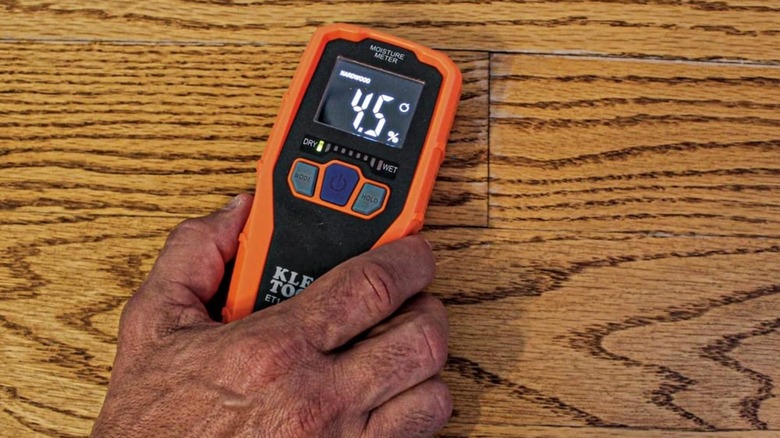
A moisture meter is a handheld device used to measure the moisture content in materials such as wood, drywall, and concrete. It's very handy if you suspect a leak hidden behind walls, floors, or ceilings. The meter can help you tell whether the moisture content is higher than it should be, before more obvious signs (and bigger issues) like warped materials, mold, or rot appear. A moisture meter is an affordable tool that lets you test potential problem areas yourself rather than paying a call-out fee for a professional.
The Klein Tools ET140 Pinless Moisture Meter is a top-rated product on Amazon, suitable for most homes. It's pinless, which means it doesn't cause any damage to drywall, masonry, or wood floors. It can detect moisture up to ¾ of an inch deep using electromagnetic field technology. The interface is simple for anyone to use, with a reverse-contrast display, bar graph showing relative moisture content, and a button that toggles between modes to suit the material you're checking.
Stud finder
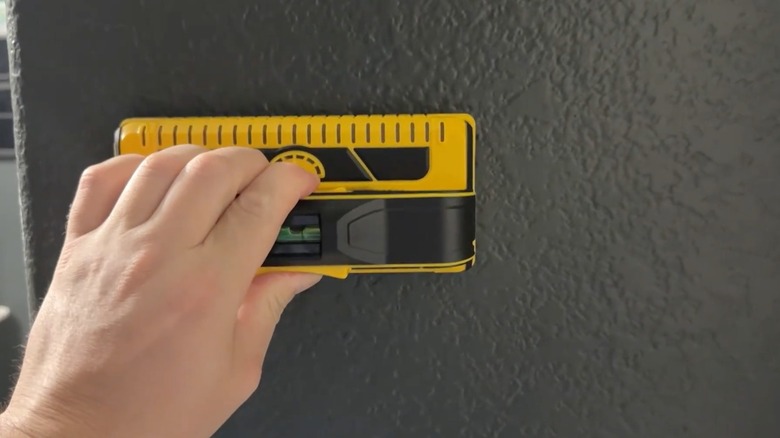
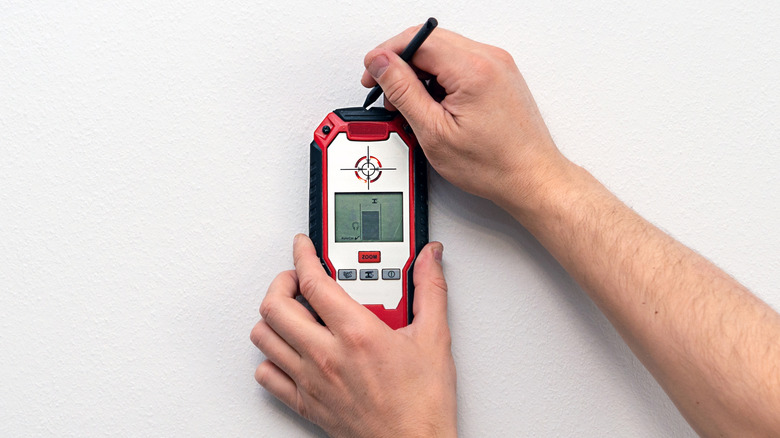
A stud finder is one of those tools every homeowner should have. It can help locate wall studs when you need to hang something heavy, ensuring you anchor shelves or a TV mount securely into a stud and minimize the risk of fallen items and damaged drywall. Certain models can also detect electrical wiring and metal pipes behind a wall so you don't end up drilling into them during home projects.
A comprehensive stud finder is affordable and well worth the modest upfront investment. The Franklin Sensors Prosensor M210 Stud Finder is a feature-filled option: It can detect wood and metal studs as well as live wires. The 13 sensors detect materials up to 1.7 inches deep. Indicator lights on the device show the full width of studs, and a middle LED lights up green when it detects the stud's center. A built-in bubble level helps with hanging pictures and shelves.
Borescope
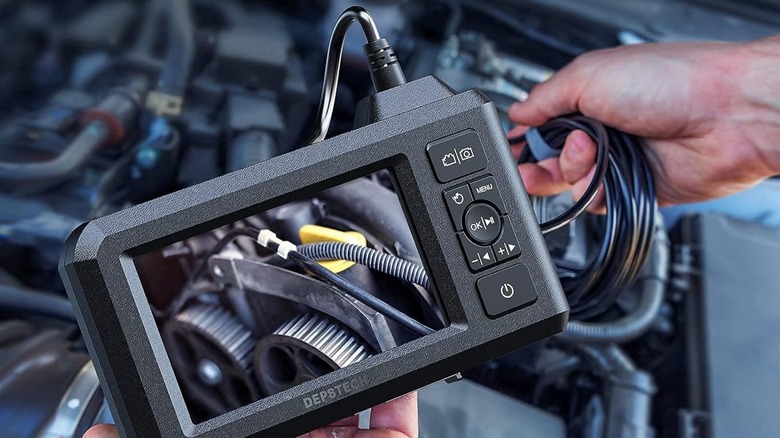
Also known as an inspection or endoscope camera, a borescope has a small camera attached to a rigid but flexible cable. You can feed the cable into tight spaces, and the camera lets you see what's going on, without needing to tear an area apart. Both homeowners and contractors use them for viewing inside walls, pipes, vents, chimneys, and ducts to check for signs of leaks, mold, pests, and more.
Though it sounds like a fancy device, borescopes are often more affordable than the price of calling out a contractor. The Depstech Digital Borescope is a budget-friendly option that comes with a 1080P inspection camera with views of the front and sides, a 16.5-foot cable, and an LCD screen for viewing what the camera captures in real time. The device can take photos and record video. It's also IP67 waterproof and has a built-in light for visibility in dark spaces.
Smart temperature and humidity monitor
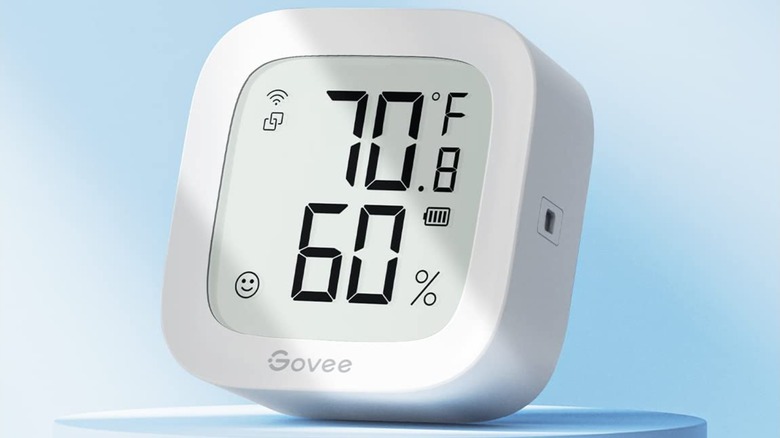
Smart temperature and humidity monitors display live readings and send alerts to your phone if the readings go out of a preferred range. Changes in temperature or humidity can be an early warning sign of a problem. They can help you catch potential leaks so you can avoid issues such as mold. They can also notify you if a room gets too hot or too cold, a possible sign of problems with your HVAC system.
These devices are fairly affordable and can result in major savings if they help you identify problems early and possibly avoid a big repair later. The Govee Wi-Fi Thermometer and Hygrometer is reasonably priced and highly rated. It can connect to your smartphone via Wi-Fi or Bluetooth and has a high-contrast electronic ink screen so you can read it at a glance. You can set preset temperature and humidity ranges and track data over time.
Plungers
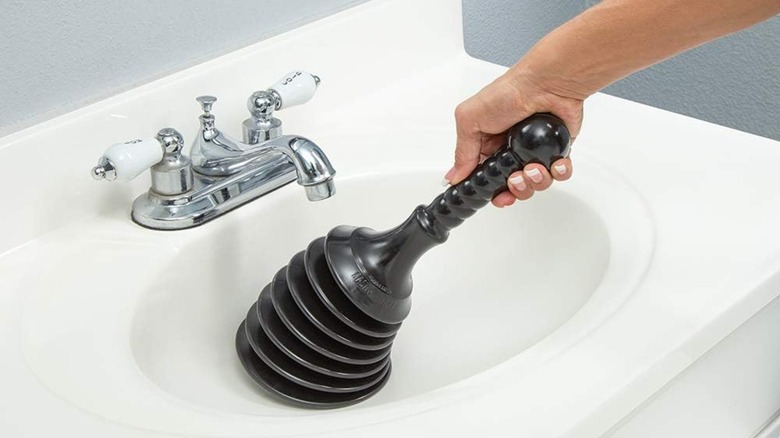
Having the right plungers on hand can help you address blockage issues immediately, without the need to call in a professional. Using the right kind for the job is ideal. Use a plunger with a flange to fit the toilet opening for a better seal. A cup plunger is better for sinks, tubs, and shower drains. Its flat bottom creates suction around the drain. The right type of plunger also requires less force (too much force can cause breakage — the last thing you want is a cracked sink or toilet bowl). Effective plunging prevents small clogs from getting bigger. It also means you won't need to reach for harsh chemicals, which can damage plumbing systems if you use them too frequently.
The Clorox Toilet Plunger comes with a hideaway caddy to store the business end out of sight. Meanwhile, the Master Plunger Sink & Drain Plunger doesn't have a traditional cup shape, but it's still a suitable option with its flat end. The accordion-style design gives it even more plunging power.
Drain snake
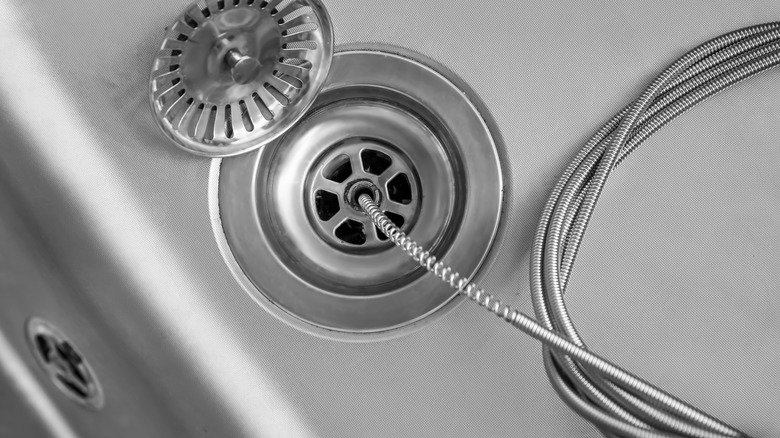
If a plunger doesn't work to clear clogs, you might have to reach for a drain snake. It's a flexible tool that goes down the drain to physically shift blockages that plungers can't clear. Though it works differently from a plunger, it can prevent drainage problems from escalating. It's easy to use, so having one of your own prevents you from calling in a pro. Drain snakes also tend to be safer on plumbing than harsh chemical cleaners.
The Baceyiou Drain Auger has a 25-foot flexible metal cable, plenty long enough to tackle most household clogs. It's attached to a handle with a crank knob to rotate the cord and help it effectively move through blockages. It can also be attached to a cordless drill if you need the extra help cranking it. The FlexiSnake Drain Weasel works for smaller jobs. This tool isn't really an auger, but it can be enough for clearing small blockages, particularly in shower or tub drains.
Sink strainer
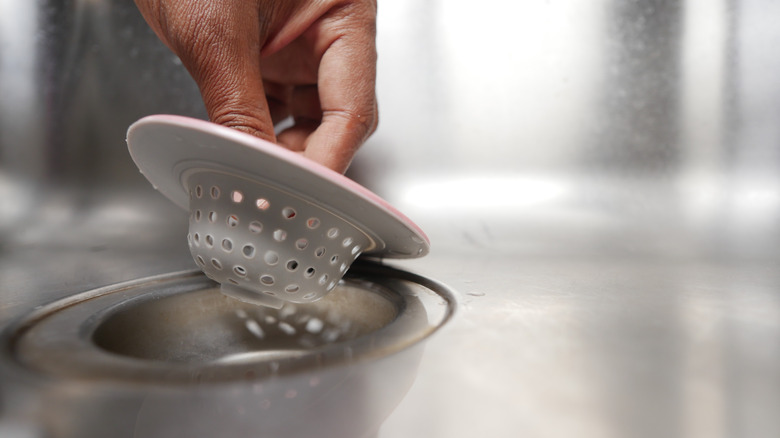
An ounce of prevention is worth a pound of cure. This saying really applies to preventing sink, shower, and tub blockages. Sink strainers are cheap and effective for stopping particles like food residue and hair from going down the drain and causing a clog. You can choose from several designs depending on the type of drain and your personal preferences. They're affordable too, so find one that is effective and that you don't hate cleaning out.
The Honmein Sink Strainer and OXO Good Grips Silicone Sink Strainer are both excellent options for kitchen sinks with the OXO version featuring a silicone strainer that's easier to pop up and clean. The ShowerShroom is ideal for larger shower drains, while the TubShroom sits inside a bathtub drain to catch hair and debris, so bath time can still feel luxurious.
Ionization and photoelectric smoke alarms
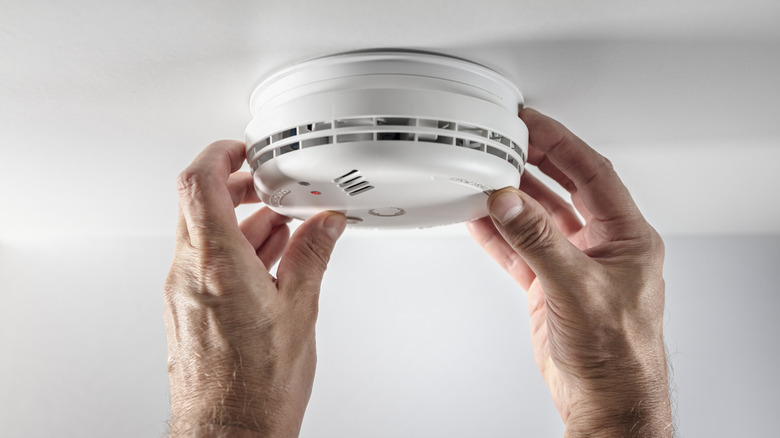
For extra protection from house fires, the National Fire Protection Association (NFPA) recommends households have two types of smoke alarms: ionization and photoelectric smoke alarms. Ionization smoke detectors are better at sensing flaming fires, while photoelectric alarms are better at detecting smoldering fires. Together, they offer a more robust warning system to help you catch fires sooner and prevent major damage.
Since ionization alarms tend to be cheaper and more widely available, households are more likely to have this type. Adding a photoelectric alarm can help detect slower-burning, smoldering fires before they erupt into more damaging flames. Combination ionization and photoelectric alarms are also available, and these are a good pick if you are replacing alarms at the end of their life. The First Alert Dual Sensor Smoke Detector is an example of this alarm type. If you are looking for alarms with separate sensors, the Kidde Smoke Detector is a photoelectric option, and the First Alert Smoke Alarm is an ionization alarm.
Interconnected and smart smoke alarm systems
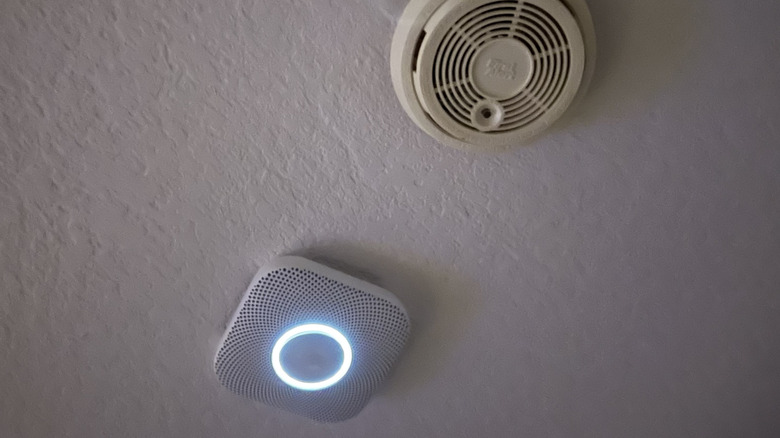
Interconnected alarms are more effective than standalone alarms. If one detects smoke, they all sound, so it's hard to miss the warning, even from the opposite end of a house. Smart alarms are even better: They're often interconnected (if you have more than one), and they can send an alert to your phone, so you'll be notified even if you're away from home. Both can help alert you of a fire sooner than standalone alarms, so you can take action to prevent further damage.
The three-pack First Alert Interconnect Dual Sensor Smoke Alarm is an excellent choice if you want to upgrade to an interconnected alarm system. These devices are equipped with the combination ionization and photoelectric alarms too. Another example is the Kidde Smart Smoke and Carbon Monoxide Detector, one of our top picks for the best smart smoke detectors for your home.
Water alarm
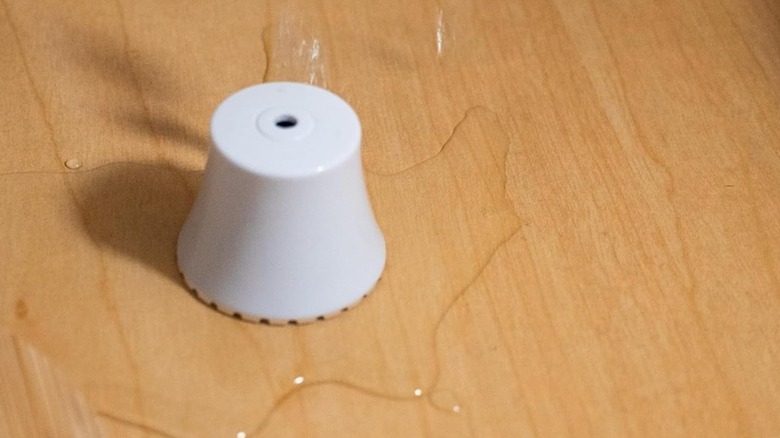
Water leaks are a major pain, and even small ones can result in serious repair bills if they're left undetected for too long. A water alarm alerts when it comes into contact with water, so you'll want to place these devices strategically. Regular water alarms are cheaper and just emit a sound if they detect water (but you'll only hear them if you're close enough). Smart alarms are pricier but will send an alert to your phone, so you can be aware of a water leak, even if you're away from home or it occurs in a less-visited area like a basement or separate garage.
The Flood Buzz Small Water Leak Alarm includes 12 no-frills alarms, ready to use right out of the box with factory-installed batteries. They're very small, ideal for fitting inside cabinets or under appliances such as the washing machine or dishwasher. The YoLink SpeakerHub and Water Leak Sensor is a more feature-filled alternative with smart home technology.
Smart water valve
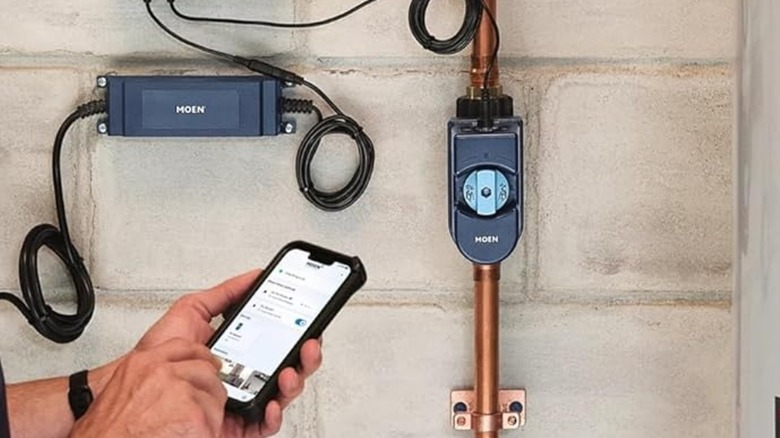
A smart water shutoff valve can prevent leaks and save you money. This type of device monitors water usage at the main supply and will shut off the water if it detects high pressure, freezing water, or a possible leak. These valves come at a high upfront cost but can prevent major water damage, especially if they shut off the home water supply immediately when a problem is detected.
The Moen Flo Smart Water Monitor and Automatic Shutoff Sensor is a popular option. It has an automatic shut-off feature and real-time notifications and is controllable from the app. It's not only useful for emergency shutoff, but it can also help you monitor and optimize water use (which can mean some savings too).
Outdoor spigot freeze protector
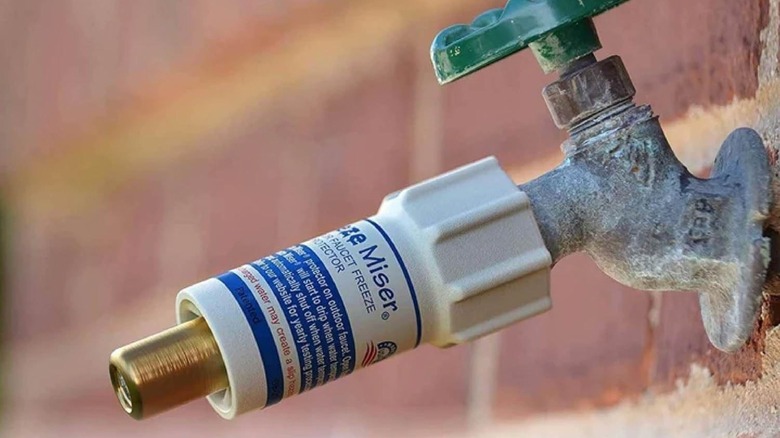
An outdoor spigot freeze protector is a small but very affordable accessory that's well worth having in some regions. For very cold areas, you'll have better peace of mind going the traditional route and draining and winterizing the hose bib. But for areas where there might be surprise cold snaps (or during shoulder seasons), this product is a good option. It has a very specific job: to drip the outdoor faucet when temperatures get too low. This slow, steady drip prevents the pipes that feed to the spigot from freezing.
The Freeze Miser Outdoor Spigot Freezer Protector has a patented feature that automatically activates the protector to drip water when the temperature drops below 37 degrees Fahrenheit. It's very easy to install too, offering peace of mind for a nominal price and little effort.
Dryer vent cleaner
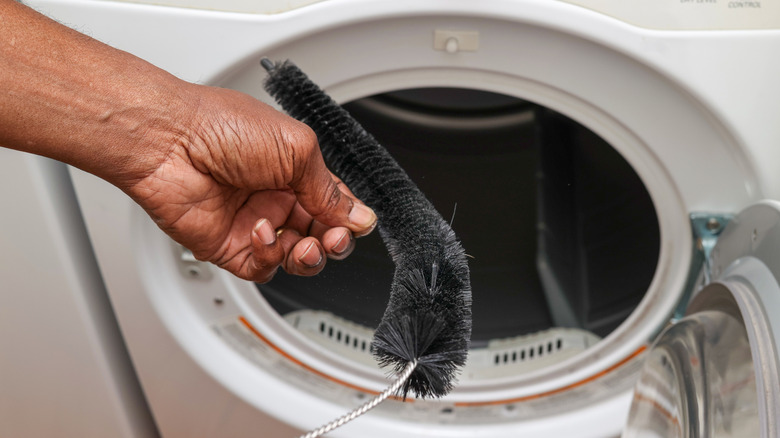
Most dryer fires are caused by a lack of adequate cleaning. A dryer vent cleaner helps you scrub out that leftover lint and reduce the fire risk from this everyday appliance. Beyond safety, cleaning your dryer vent can lead to big savings on your energy bill since it also makes the dryer run more efficiently. It's worth having a cleaning kit so you can tackle this job yourself.
The Holikme Dryer Vent Cleaner Kit is a top-rated product on Amazon with tens of thousands of happy reviewers. It includes two brush heads and flexible rods that reach up to 30 feet, easily long enough for most home dryer vents. It's also possible to connect it to a power drill for professional-level cleaning results.
Contact alarms

Contact alarms sound when the window or door that they're installed on is opened. They don't offer the same robust protection that a security system does, but they do provide an audible alert when the door or window is opened. They're usually used as a safety measure, but they can also help you prevent home mishaps. For example, they can alert you if a child opens a window during a potentially damaging heavy rainstorm or winter freeze or if a family member accidentally leaves a lesser-used door open, which can be an invitation to pests.
The GE Personal Security Window and Door Alarm includes two budget-friendly alarms. They are easy to install and ring at 120 decibels. It's also possible to put them on a gentler chime setting or turn the sound off completely for times when you want to use the window or door without an alarm going off.
Explosive gas alarm
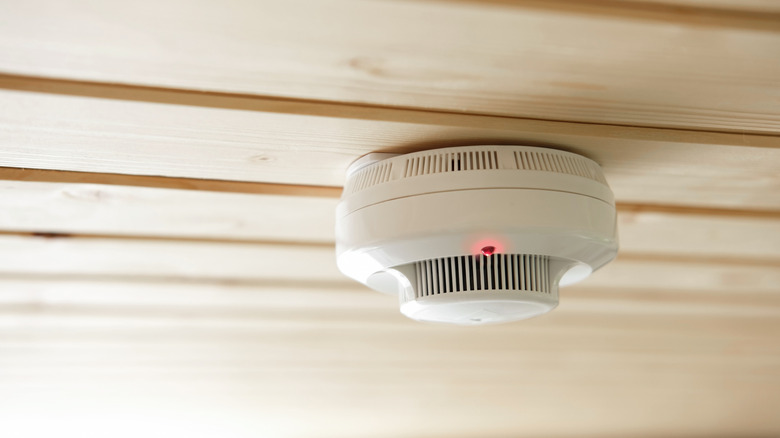
Explosive gas is, well, explosive. Beyond the physical dangers of a gas explosion, it can also cause major damage to a home's structure. An explosive gas detector lets you know if gas builds up, so you can address it before anything dire happens. While explosive gasses often have a distinctive odor, an explosive gas alarm offers that extra peace of mind, alerting you if you're sleeping or otherwise unable to smell the leak.
The Kidde Carbon Monoxide & Explosive Gas Alarm is a great all-around product, detecting carbon monoxide, natural gas, propane, and methane. It can offer peace of mind in case of malfunctioning household appliances, plus it has a battery backup so it won't fail during a power outage. If it detects gas, it will let you know on the display screen whether it's carbon monoxide (showing the amount detected) or gas.
Outlet tester
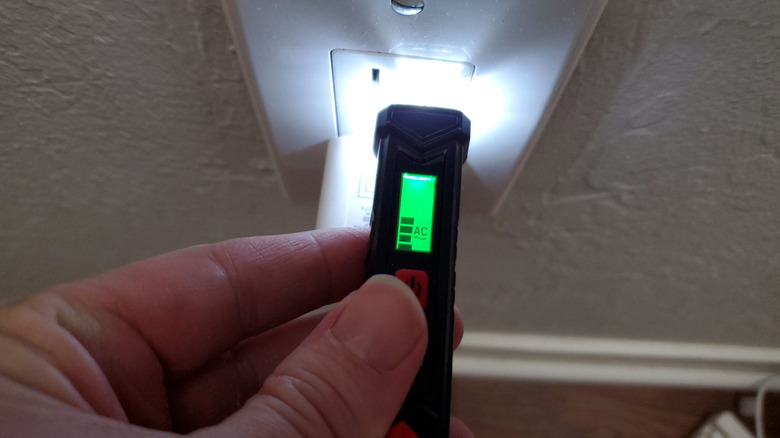
Calling in an electrician isn't cheap, and though it can feel intimidating, there are some home wiring tasks you can tackle yourself. Whether you're swapping out an outlet, troubleshooting a faulty electrical outlet, or just curious about your existing home wiring, an outlet tester can help detect potential issues. If it helps you identify issues early on, it can even prevent house fires, appliance damage, and other problems that might escalate into major repairs.
The Sperry Instruments GFI6302 GFCI Outlet/Receptacle Tester is a very user-friendly option. It plugs right into an outlet and checks for seven common wiring errors, displaying its reading with color-coded neon lights. The legend to interpret the lights is right on the tool, so there's no need to rummage around for the user manual to understand the results.