

A Meadow Garden Is The Beautiful Trend That's Hard To Nail - Here's How To Do It
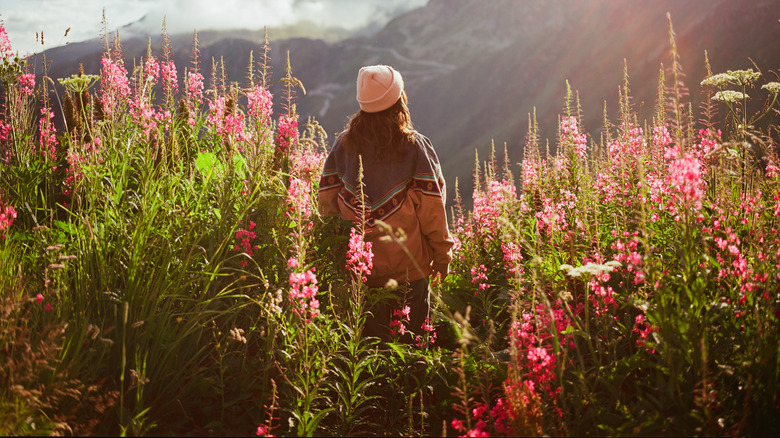
When you think of a meadow, does a picture of fluttering butterflies, wispy hummingbirds, and tall, gently swaying grasses come to mind? Yeah, it does for us too. Meadow gardens feel serene, romantic, and perfectly balanced with diversity. And those are just some of the reasons the beautiful trend has become even more popular. These fairytale-looking scenes might appear effortless, but designing a meadow garden from scratch is actually a technical process.
Meadow gardens are idyllic outdoor spaces that play host to a variety of grasses and plants. These spaces aren't structured or well-manicured, but they are intentional. To recreate these natural grasslands in your own backyard, you want to look for perennials, annuals, or a mix of both. Those pretty blooming plants that add oodles of color and take priority in traditional gardens will play second fiddle to grasses and texture in meadow-inspired gardens.
Meadows look very different in your Texas yard from your sister's in Vermont, so look for native plants based on your region. Whether you want to go big or start with a mini meadow garden, once established, this low-maintenance option will bring a dreamy aesthetic to your landscape.
How to design a meadow garden in your yard
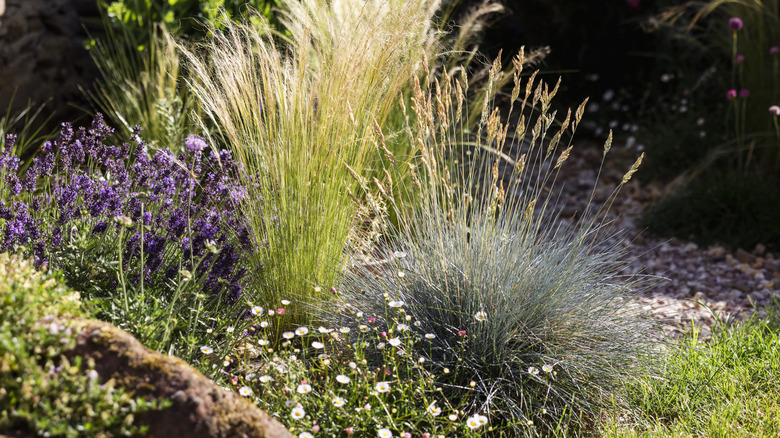
You don't need a huge lawn to build a meadow — small spaces can be perfect. Meadow gardens are the ultimate sensory experience when they're laid out just right. That starts with plant selection. Unlike most gardens, a meadow doesn't need showy blooms. The magic lies in its airy layers of grass that help set the mood and backdrop. You also can't underestimate the power of pretty perennials and annuals. They're not only pollinator-friendly, but add splashes of color to your meadow's movement. So, it's important to get the right ones for your region.
Ornamental grasses are natural privacy screens and help bring your meadow to life with movement and texture. Common grass types include little bluestem (Schizachyrium scoparium), which is native to most areas of the U.S. (Zones 3-9), purple lovegrass (Eragrostis spectabilis) which is native in Zones 5-9, and Mexican feather grass (Nassella tenuissima) is hardiest in Zones 7-10. The best part? These grasses can handle dry conditions, meaning they require very little upkeep, which is exactly how meadows are meant to be.
When it comes to picking the best blooming plants for your meadow, look for a blend of native and non-native plants. Some popular options include butterfly weed (Asclepias tuberosa) and yarrow (Achillea) for Zones 3-9, coneflower (Echinacea purpurea) for Zones 3-8, and tall verbena (Verbena bonariensis) for Zones 7-11. With the right plan, your patch of meadow can last for years.