

The Antique Furniture That Collectors Hunt For At The Thrift Store (It's So Valuable)
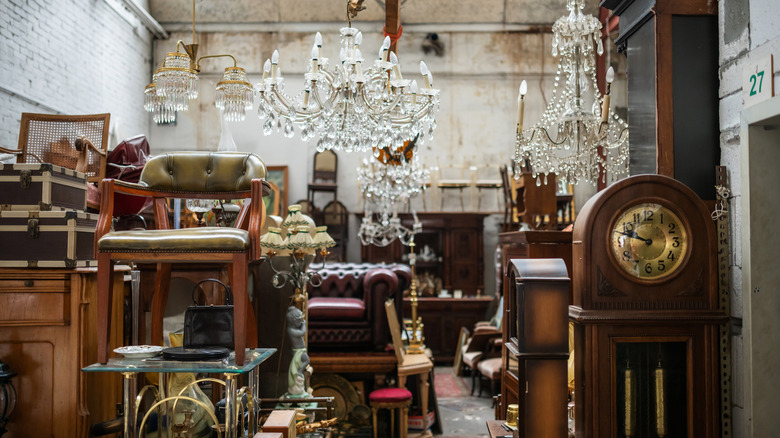
Thrift stores are filled to the brim with treasured antique items perfect for adding depth and character to your home. From vintage tea sets to wooden tables, there are so many one-of-a-kind pieces just waiting to be claimed. Hidden in the stacks of odds and ends, there are heaps of valuable antique finds you can bring home for a steal of a deal. You just need to know what you're looking for.
Savvy thrifters are always on the hunt for antique Swedish casegoods — particularly Gustavian and Rococo era pieces. Both styles were born out of the 18th century. The Rococo era kicked off in the mid-1700s, drawing inspiration from contemporary French design. The Gustavian era commenced shortly after, giving way to less extravagant designs. Furniture from either era is considered rare to find and exceptionally valuable. While there are ample antiques from France and England to go around, it's more challenging to track down Swedish pieces.
Rococo era furniture is defined by asymmetry and playful, organic motifs. Original pieces often feature noticeable, irregular carving patterns and genuine gilding. Gustavian design took a practical, pared-down departure from the extravagance of the previous era. Furniture from this timeframe prioritized functionality, featuring straight lines and fluted columns. Authentic pieces often feature tool-carved embellishments, a noticeable patina, and roughly finished drawers. Keep your eyes peeled for 19th-century reproductions, which feature a similar look to original Rococo and Gustavian furniture but will be worth significantly less. If you're unsure of a casegood's authenticity, consult an appraiser.
Incorporate your Gustavian and Rococo casegoods into your home
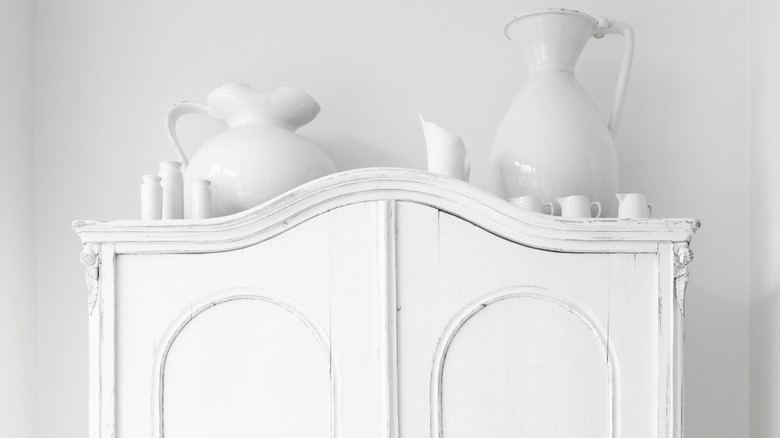
From bookcases to commodes, Rococo and Gustavian Swedish casegoods can elevate any space. You should never underestimate the power of adding antiques to a room. These unique, cabinet-like pieces serve both a practical and stylistic function in your home. Not only are they visually striking, but they also provide plenty of extra storage. You can use a cabinet as overflow pantry space, store sporting goods or winter clothes in an armoire, transform a secretary desk into a plant care station, and much more — the options are endless.
Styling each piece will depend on which timeframe it originated from. Striking Rococo era pieces make a loud statement. Those drawn to maximalism may gravitate towards the intricate, swirling design of Rococo pieces. Straightforward Gustavian pieces don't insist upon themselves as much, harmoniously conforming to a diversity of aesthetics. Darker iterations of both Rococo and Gustavian furniture are particularly popular at the moment; think moody ebony or walnut.
The key to making your thrifted antiques work in your home is artfully weaving in the old with the new. Let your space tell a story, starting with your antiques and culminating all the way through to your more modern elements. Let the different eras mix and mingle, naturally overlapping. A healthy ratio of 80% contemporary to 20% vintage or antique strikes the perfect balance for a lot of people. However, avid thrifters and antique fanatics may comfortably shift to a 60-40 ratio. Either way, be sure to carve out space for Swedish casegoods if you're lucky enough to find any at a thrift store.