

The Overlooked Care Tip That Helps A Cast Iron Plant Thrive
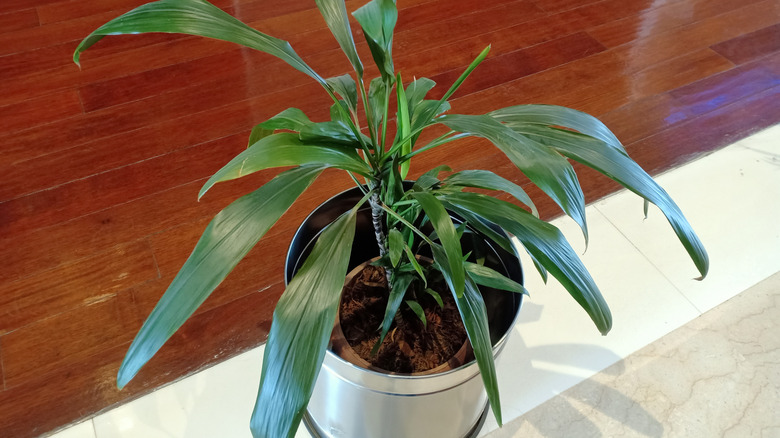
The cast iron plant (Aspidistra elatior) has famously earned a reputation for being hard to kill. After all, it thrives in low light, handles fluctuating temperatures well, and even tolerates a pretty decent amount of neglect. Because it's such a slow grower, many indoor gardeners assume that leaving it alone is the best way to keep it happy. As it turns out, there is a common misconception that durability equals less need for care. However, if you simply let a cast iron plant sit for years without doing anything for it, the plant will eventually lose its luster and become a dusty clump of tired-looking foliage. While there are plenty of care tips that will help your cast iron plant flourish, the most important one is light pruning every two to four years.
Over time, the dense base of this plant gets crowded with tattered leaves that can block air and light from reaching the soil. This congestion doesn't just look messy; it can inhibit growth. By clearing away old foliage, you trigger a hormonal response that encourages the plant to push out vibrant shoots. A little pruning will transform your cast iron plant into the lush, emerald-green, fresh-from-the-nursery centerpiece it deserves to be. By making room for new stems, you'll keep your houseplant healthy for decades, whether you believe the bathroom is the perfect place to grow a cast iron plant or your living room.
How to master this cast iron plant renewal technique
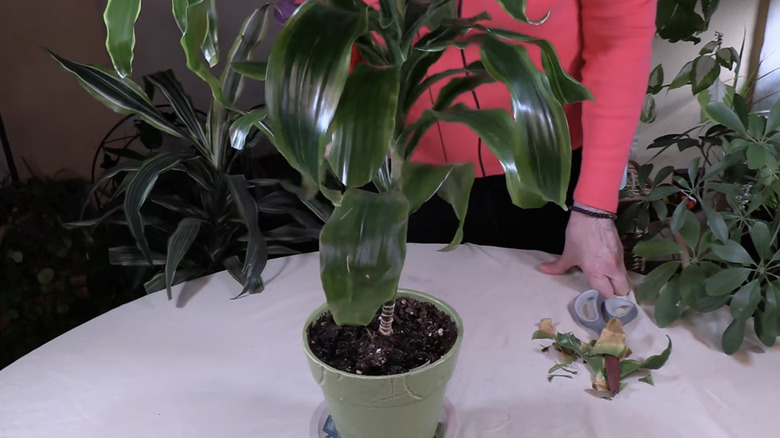
To give your cast iron plant a successful refresh, timing and technique are everything. The best time of year to prune your houseplant is early spring, just as the growing season begins and the plant has the most energy to recover. Use a pair of sharp, sterilized pruning shears to make clean cuts that won't invite disease. Rather than simply trimming the brown tips of the leaves, which can leave the plant looking ragged, follow the stem all the way down to the soil line and make your cut there. Removing a leaf at its base tells the plant to redirect energy towards the healthy, younger growth emerging from the underground rhizome.
As mentioned, a good rule of thumb for a renewal prune is to remove a third of the foliage every two to four years. Identify and prune away the oldest, outermost leaves first — they're usually the darkest, most scarred, or most dust-covered leaves. This opens up the plant, reducing the risk of common houseplant pests, like spider mites, that thrive in warm, damp, still, or dusty air. After you finish pruning, gently wipe the remaining leaves with a damp cloth to help maintain the plant's ability to photosynthesize. Alongside pruning, this simple task gives the plant a fresh, polished look and highlights its deep green foliage. With a periodic trimming and cleaning, this perennial houseplant that's almost impossible to kill will stay healthy and continue producing glossy, waxy green growth.