

Found A Cracked Porcelain Figurine At The Thrift Store? Here's The Easy Way To Repair It.
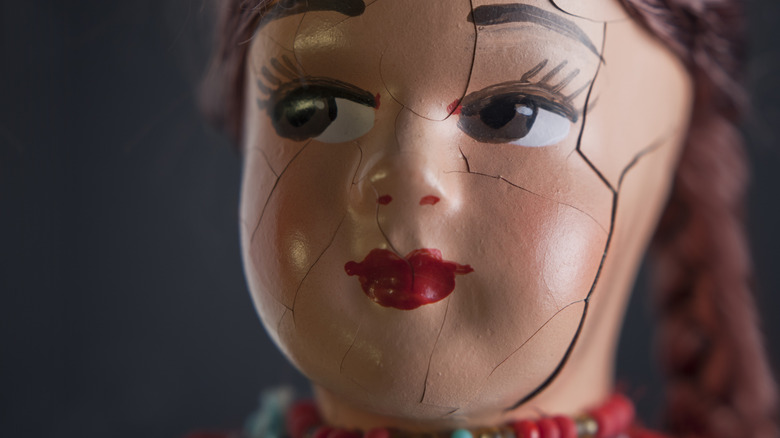
Hunting at secondhand shops and thrift stores can often lead to the discovery of some hidden treasures. But sometimes it requires a little imagination, especially if that treasure needs some TLC. Beautiful, vintage porcelain figurines, for instance, may have been discarded by a previous owner for some minor imperfections like cracking. But for the creative DIYer, repairing such an item can mean adding a one-of-a-kind piece to your collection, so don't overlook them at the thrift store. While a crack may seem like a deal breaker, the right technique and a little patience can make the repair easier than you think.
First, ensure the figurine has a clean break, as small, fragmented pieces are harder to put back together. Then make sure the piece is clean. Wash the surface with soap and water to remove grease or oils, then dry thoroughly. You may find that you need to sand the pieces together ahead of the repair; do so after cleaning.
For a standard hairline crack, you will need a two-part epoxy resin (a combo of a resin and a hardener); apply a thin layer on the fracture. If the crack is deep or includes a small chip, a two-part clear epoxy can also serve as a filler. To begin the application, use a toothpick to apply the adhesive. You'll have to work somewhat quickly before the epoxy dries, so avoid applying the glue directly from the bottle since you risk over-application. Once the adhesive is applied, hold the pieces together firmly to ensure it bonds together well. For more intense cracks, you may have to use the pegging method, in which you add a metal bracket to hold pieces together, but for hairline fractures, epoxy is your best friend.
How to identify if the crack needs fixing
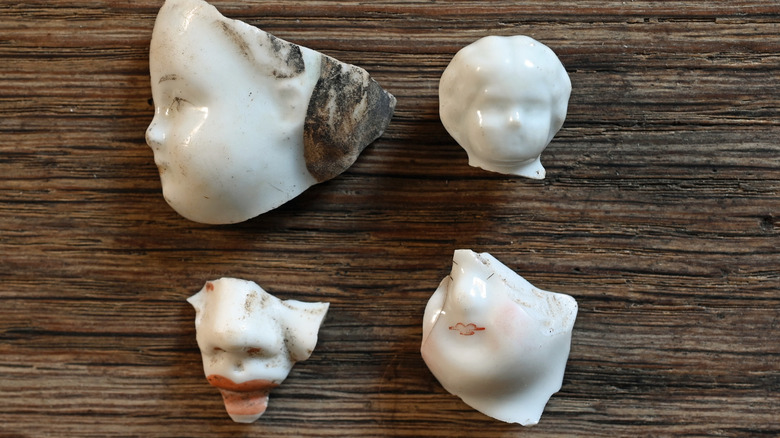
Not every crack on a porcelain figurine is a good candidate for a home repair, however. The first step in determining if your secondhand find is worth saving is to distinguish between a hairline crack and a phenomenon called crazing. Crazing refers to fine, spiderweb-like lines in the glaze caused by age or temperature fluctuations. Crazing is typically considered part of a piece's history, and attempting to repair it often results in staining or surface damage. For figurines, crazing is not so much a problem as it would be on food service ware, where the cracks can be vulnerable to bacteria. However, a structural crack, one that penetrates the body beneath the glaze, definitely warrants attention.
Furthermore, inspect the crack for discoloration. If the crack appears dirty in any way, it means moisture and dust may be embedded in the line, and it may already be vulnerable to bacteria. This means the piece needs to be cleaned and sealed, and fixing these cracks early prevents the blooming of stains under the glaze, which are really tough to remove later. If the figurine is a rare antique or may be worth a pretty penny, you may want to consult a professional. However, for hairline cracks and clean breaks, it's not too complicated of a DIY.
Why you should repair a crack
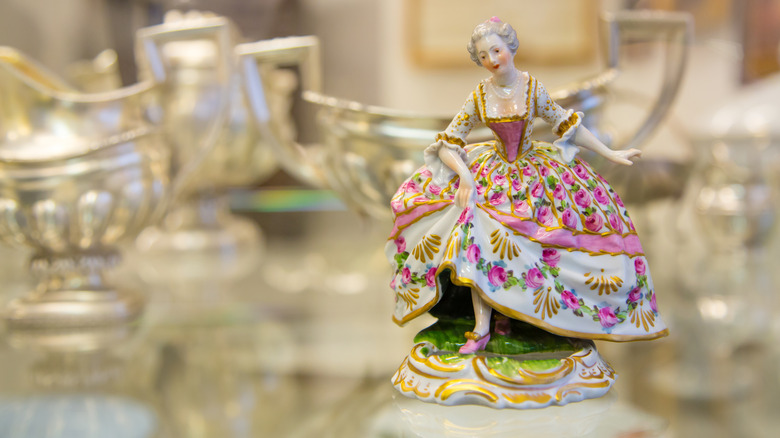
In a world of mass-produced housewares, vintage porcelain represents a level of craftsmanship that is increasingly rare. When you choose to repair a cracked porcelain piece, you are extending the life of a unique object, keeping it out of a landfill. Treasured antiques are dominating home decor trends, pointing to an overwhelming desire on the part of homeowners to embrace something more unique than what's available in big box stores.
Beyond the sustainability, there is the matter of making sure the object is structurally sound. A crack can lead to much bigger issues with the piece. Since porcelain is porous, once the protective glaze has a vulnerability, it may lead to bigger issues. Leaving a crack intact can actually weaken the entire structure of the piece, not to mention the potential for bacteria to grow on the piece itself. While not immensely dangerous, dirt, bacteria, and moisture can cause staining that affects the piece's appearance.
There's a unique thrill in simple DIY thrift flips like finding a damaged item for a few dollars and repairing it to transform the piece into a stunning piece of decor. Salvaging these items allows you to curate a home filled with unique stories and pieces rather than just cookie-cutter items. By taking the time to fix a crack, you turn a thrift store reject into a piece for your collection.