

12 Invasive Plants To Remove In February For A Thriving Spring Garden
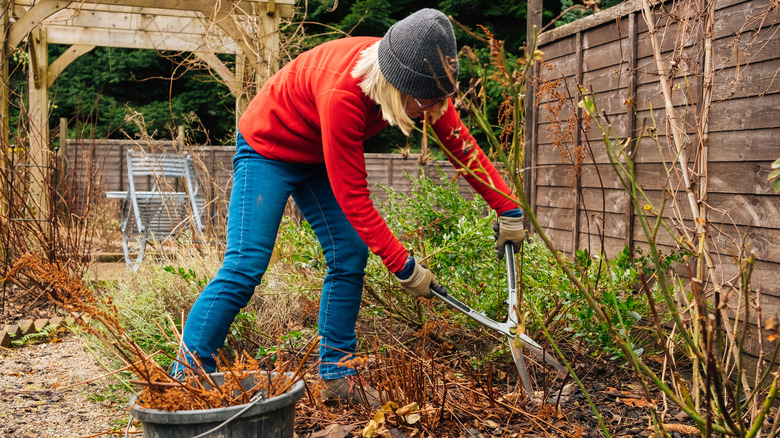
Once February rolls around, you may be excited to see the first spring blooms from your early perennials as the ground thaws after the coldest winter days. But some unwelcome vegetative visitors may rear their heads first. Be vigilant as you watch for invasive plants to spring up at the end of the winter, before native species emerge. This is where a bare, dormant garden is actually good news; you can identify these invaders — which would compete with native species if left alone — and tear them out of the garden before there are neighboring plants to disrupt. Plucking them out is a chore, but it can go a long way toward promoting healthy biodiversity in your region.
The plants to be on the alert for will vary depending on your climate. Up north, February is a good time to contend with invasive evergreens with visible berries, like burning bush and porcelain berry. In warm southern areas, vines such as air potato and Japanese climbing fern may be present year-round, but their slower growth during the winter makes February a good time to pull them up. It's a good practice to try removing them manually, but if non-chemical methods fail, you can safely remove invasive plants from your yard and garden by cutting back all the stems and applying an herbicide to the remaining exposed stumps. After you've gotten the pesky invasives out, consider dedicating the area to native plants that will benefit the local ecosystem in the long run.
Common chickweed
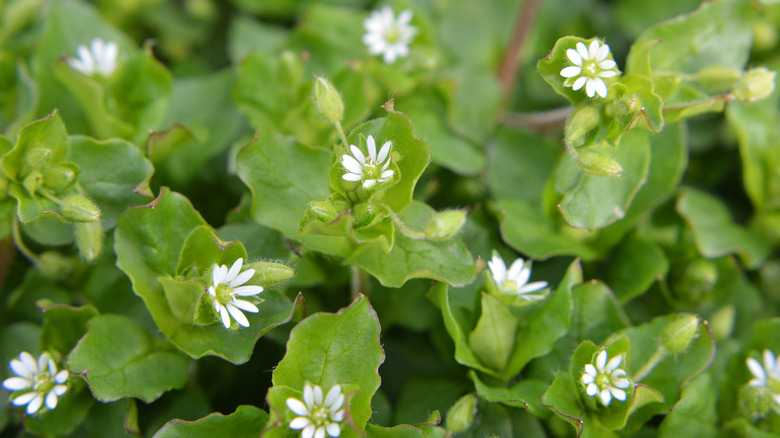
Don't let its delicate white flowers fool you: common chickweed (Stellaria media) can quickly claim space in your garden. This sprawling plant, considered invasive in several states, spreads at the end of winter throughout the United States. It can blanket an area by re-seeding itself. It's also a hiding place for pests like thrips and can carry viruses that affect tomato and cucumber crops. To keep chickweed from spreading, remove this weedy plant before the star-shaped flowers form, since they produce a seed supply that can stay active for years.
Burning bush
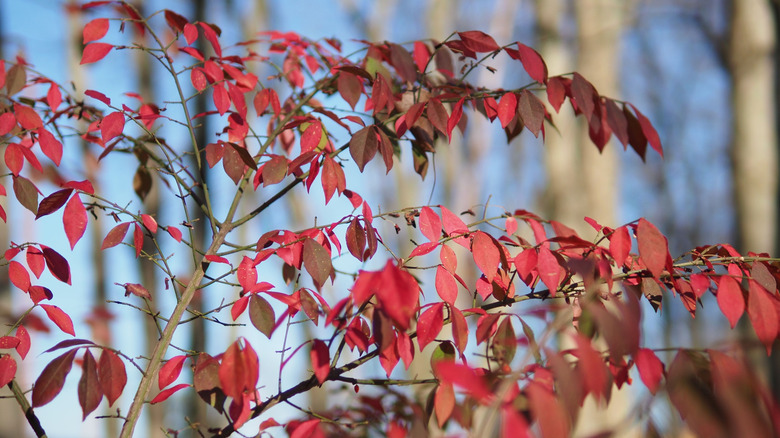
Burning bush (Euonymus alatus) is an ornamental, invasive plant many gardeners grow by mistake throughout the eastern U.S., disregarding the harm it causes to nearby forests, where birds expand its spread by eating the red berries. February is a great time to get rid of this shrub and replace it with something native. Take advantage of a late winter thaw to uproot it with a shovel or weed wrench. Then plant a good alternative for invasive burning bush plants like serviceberry, chokeberry, or sumac. Pull seedlings out of the ground before they get established.
Japanese climbing fern
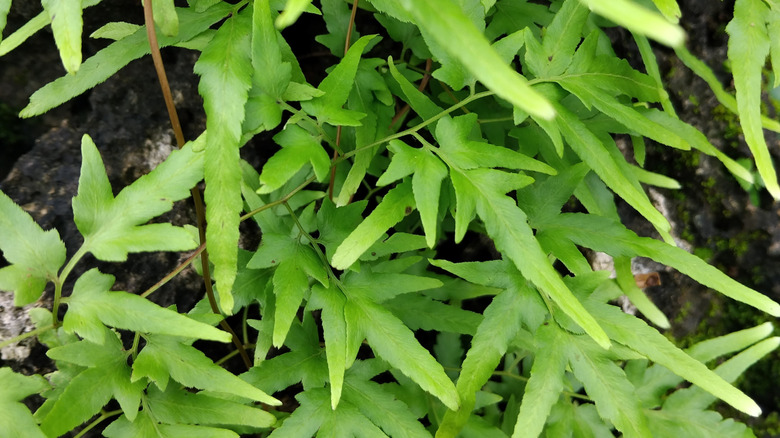
In central and southeast regions, watch for the browned foliage of invasive Japanese climbing fern (Lygodium japonicum) in February. The invasive perennial changes color after frosty days, and you should remove any dead vines which act as a trellis to support the plant's new growth when temperatures rise. Japanese climbing fern can grow into a long tangle of fronds that threaten native trees and plants while posing a fire risk. Don't just tear out the discolored fronds themselves; it's also necessary to dig the roots out for a better chance of eliminating the plant.
Asian bittersweet
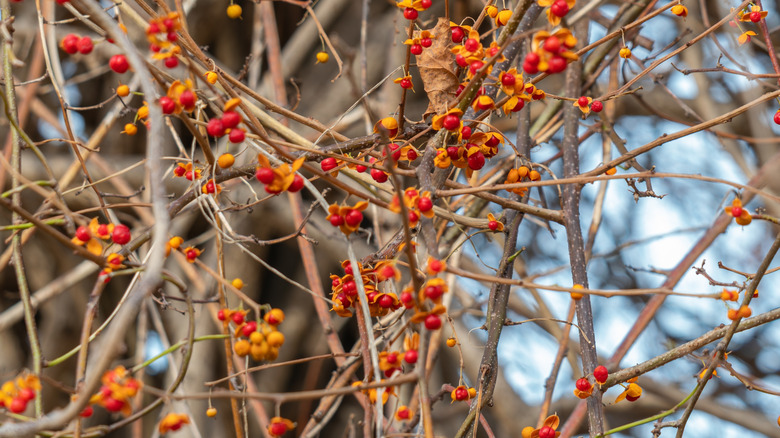
The red berries of Asian bittersweet (Celastrus orbiculatus) tend to stand out among bare winter landscapes throughout north and eastern regions of the United States. Even though its fruits may be eye-catching, this aggressive vine can cause severe allergic reactions, and as an invasive plant, it can stop native species from thriving in your garden. The vine winding around trees is the visible danger, but to eradicate bittersweet you need to do more than just cut that part. You can tackle a few young vines by digging up the roots, but you may have to apply herbicide for bigger invasions.
Goutweed
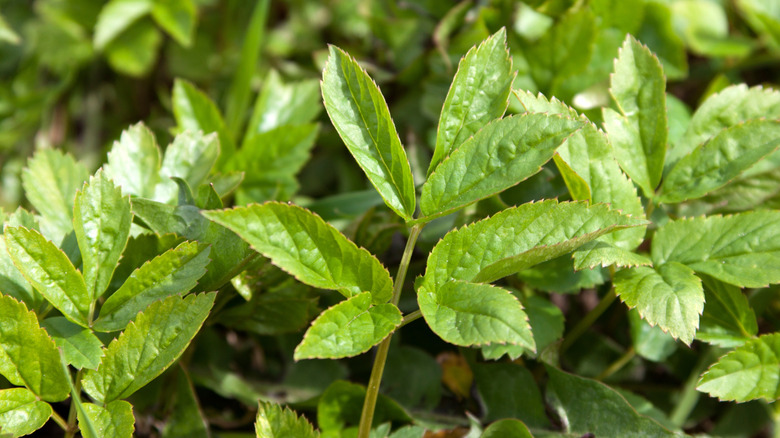
Goutweed (Aegopodium podagraria) is a fast-spreading ground cover to steer clear of since it reproduces by stubborn underground stems called rhizomes in addition to seeds. Part of the carrot family, this plant is invasive throughout the United States where it's planted intentionally or spread through clippings that aren't discarded properly. If you've discovered goutweed in your yard or landscape, it can take over, so start digging out stems and roots in February when other plants are sleeping. Strap in for a long process – any fragments remaining in the ground can still grow –but the grind is worthwhile!
Porcelain berry
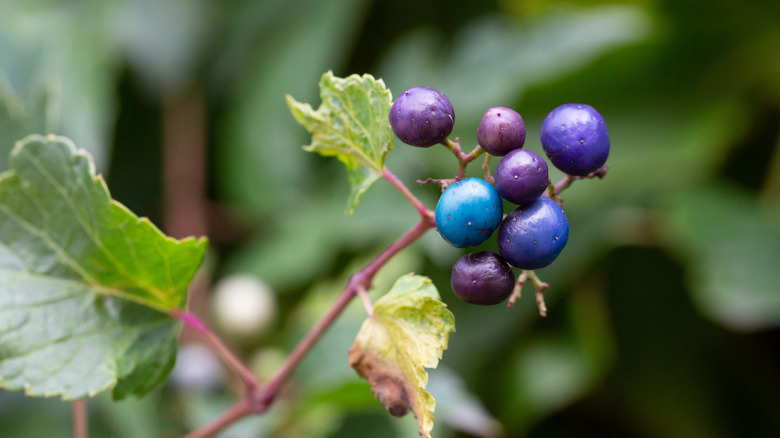
The bright blue and purple fruits of a porcelain berry (Ampelopsis glandulosa var. brevipedunculata) look so otherworldly that it's tempting to keep it around, but resist that impulse and purge it from the garden in February. The plant is widely invasive; it may have wound up in your yard because animals and birds eat those bright berries and spread seeds. Look for its bare beige stem winding around trees or structures and any berries left on the branches. Test the bark to distinguish it from native grapes. If it stays intact rather than shredding, it's most likely porcelain berry.
Air potato
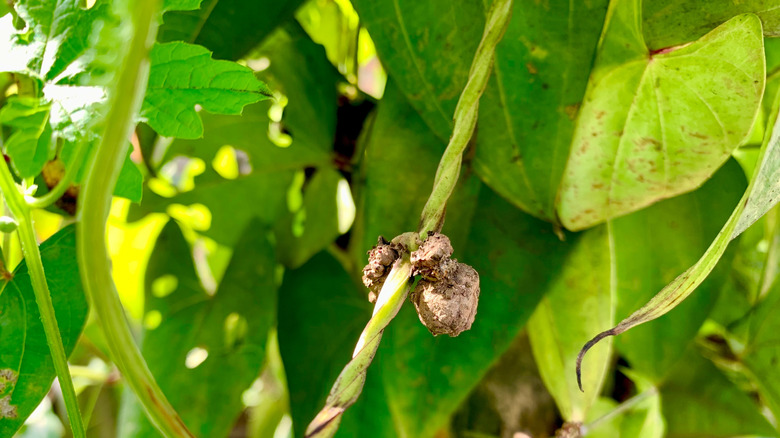
Removing the invasive air potato (Dioscorea bulbifera) is a bit unconventional. This vine grows from tubers that drop to the ground when the plants go dormant in the colder months. It's these tan or white fruits, called bulbils, that are easier to remove during February because they may be more visible on the ground. You should also dig up any buried tubers to prevent them from sprouting. Controlling air potato vines is important because the plant grows quickly and can block sunlight from plants underneath it, stopping your desired plants from growing.
Garlic mustard
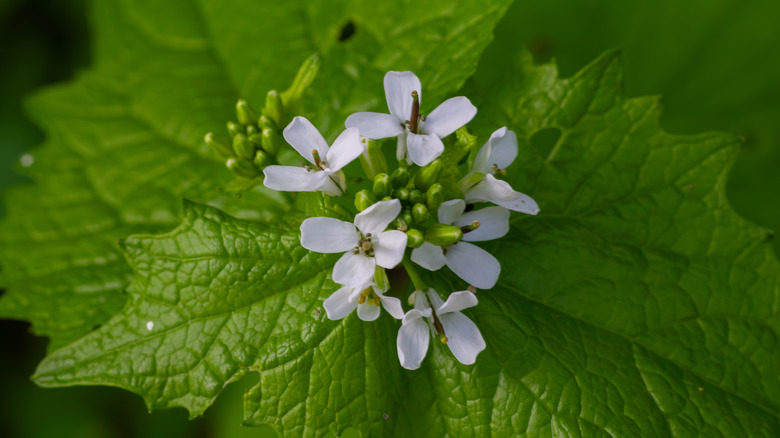
The invasive garlic mustard (Alliaria petiolata) sprouts up before native spring plants. If you spot growth in February, remove this weed from your yard right away unless you want it to take over. The biennial plants will look different based on their growth year: Early on, they grow in clumps with serrated edges on each leaf. They're taller in the second year, with leaves of a more distinct heart shape and eventually, white flowers on the tip of their stems. Pull the plants out before they're able to flower and bag them rather than composting, because one flowering plant can shed over 7,000 seeds.
Japanese honeysuckle
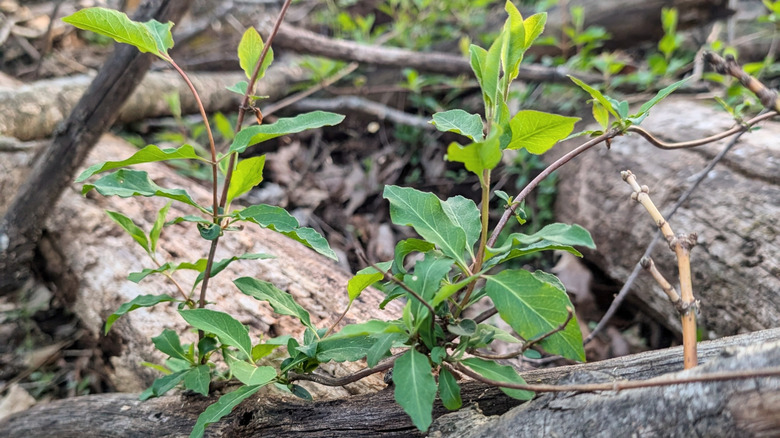
The evergreen quality of Japanese honeysuckle (Lonicera japonica) can make it easy to distinguish in warmer climates late in the winter, which is a perfect time to remove it. The invasive vine grows in sunny and shady spots alike throughout much of the U.S., where it can strangle other garden staples or wild native plants in the local ecosystem. In February, the red or purple leaves may be hard to miss. There are a few approaches to take when weeding them out in winter, including pulling vines out of the ground and using herbicide.
Multiflora rose
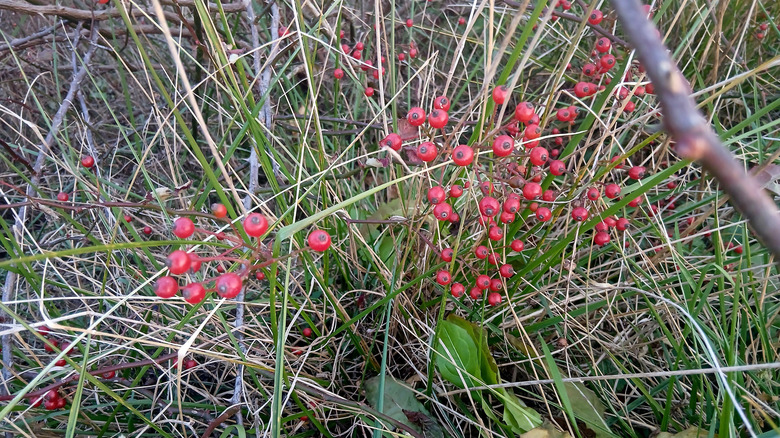
Before native flowering plants put out their foliage, you may notice early leaves on the invasive multiflora rose (Rosa multiflora). The red rose hips that remain on the plant through the winter also help make it a visible target. Multiflora rose spreads almost effortlessly since birds spread seed after eating the rose hips, and new plants can start when their canes bend to the ground. Using an herbicide in February comes with an advantage in your efforts to remove this rose — it's within the ideal time range to spray basal bark herbicides on their crowns so nearby dormant plants are less likely to be harmed.
Nipplewort
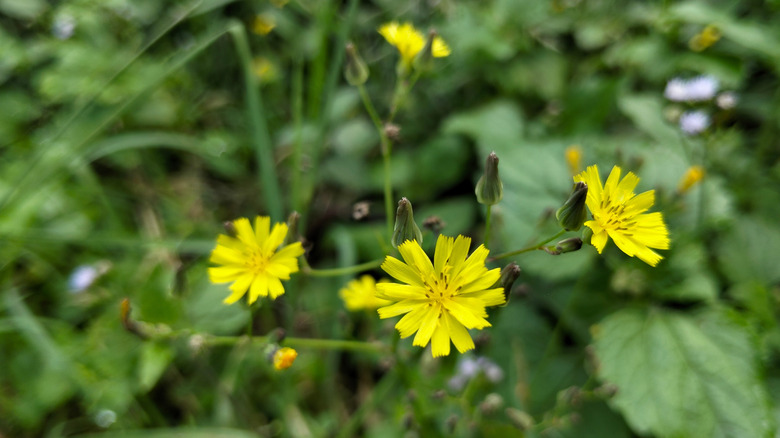
Get your spring weeding started early if you see nipplewort (Lapsana communis) in your February garden. This invasive plant is plentiful throughout the United States, and it's smartest to tackle it before flowers develop. These blooms give way to seed heads that can scatter up to 800 seeds per plant. The good news is that you can often pull nipplewort plants out by hand to prevent them from stealing desired plants' space. For an extra boost, some gardeners advise removing them with a slow and steady pull on days when the ground is moist.
Japanese barberry
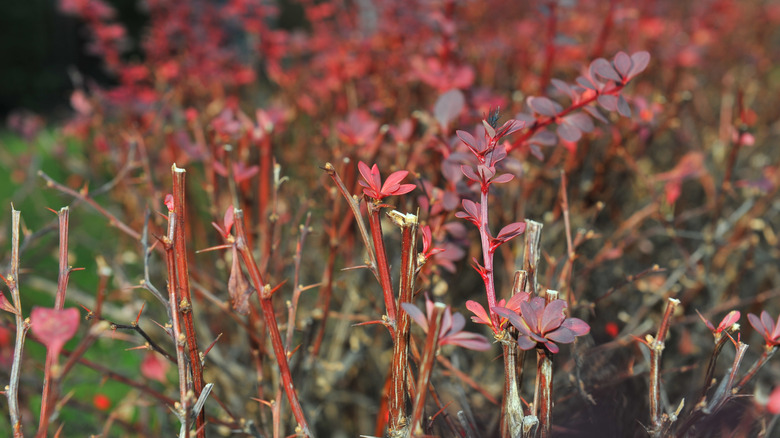
Since Japanese barberry (Berberis thunbergii) does well in the shade, it can get a foothold where other plants wouldn't grow, take over precious garden space, and threaten open areas as birds spread its seeds. The invasive shrub can also shelter ticks. It's best to control this barberry species in late spring before it has a chance to develop seeds. Use garden tools to remove younger plants by the root, but remember to protect your hands from the tiny thorns. Eradication is difficult to accomplish when growing as a dense hedge. In this case, cutting it down and applying herbicide is more effective.