

Can Dog Hair Actually Help Your Plants Grow?
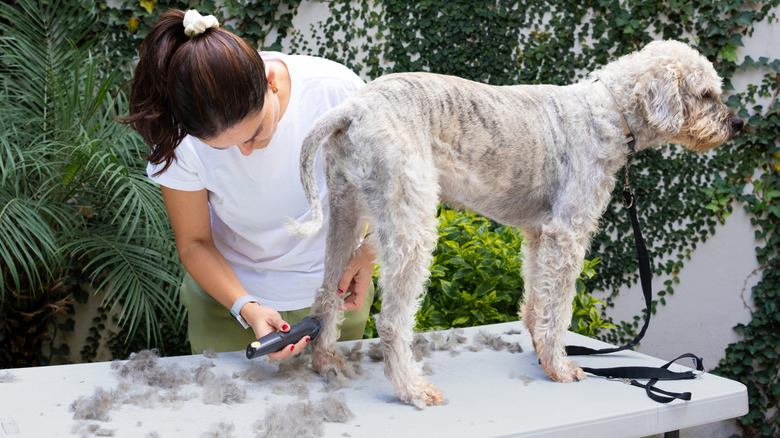
If you're a dog owner, you've probably vacuumed up clumps of dog hair more times than you can count, or been left with a mass of fluff after a grooming session. Rather than throwing it out, some gardeners suggest saving it for your garden, which begs the question: can all that fur actually benefit your plants? At first glance, it may sound a little weird (and maybe even a bit gross), but the idea is rooted in real gardening practices. For example, many experienced gardeners swear by dog hair as the secret ingredient to healthy soil. Is it just a gardener's myth, or could your garden really benefit from a little dog hair? It turns out that dog hair is an organic material that may increase nitrogen content in soil, one of the key elements plants need to thrive. However, whether you should try this bizarre plant fertilizer or not depends on your plant growing goals.
Dog hair is surprisingly sustainable and functional in the garden. Its nutrient profile and structure make it a potential natural amendment for soil and compost. Unlike commercial fertilizers that release nutrients all at once, dog hair breaks down slowly, feeding soil microbes and plants over a long period. It also adds organic matter that plants love, which improves soil texture, moisture retention, weed suppression (when mixed with straw), and may even serve as a garden pest deterrent. These benefits give pet owners a smart way to reuse a material they probably have in abundance, but which usually gets thrown away. If you're not a pet owner, you may be able to source dog hair from local pet groomers.
What can dog hair really do for your garden?
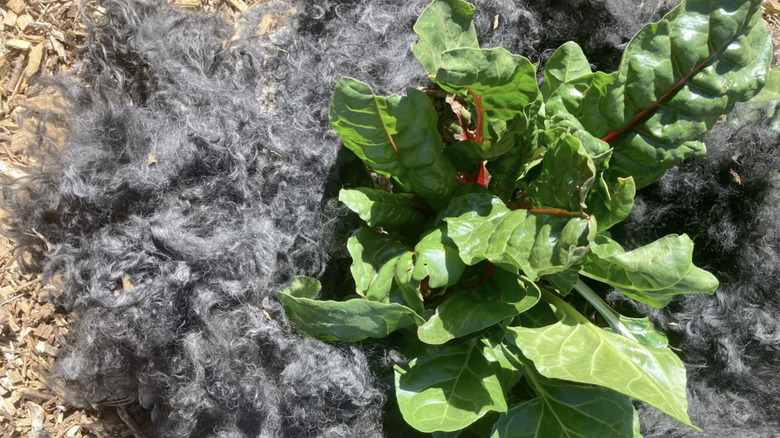
Dog hair is made up of several beneficial components — though it's predominantly made of keratin, a protein rich in nitrogen. Nitrogen is vital for increasing plant yield. Because hair decomposes slowly, it feeds the soil gradually rather than dumping the nutrients into the soil all at once like chemical fertilizers. This can reduce the risk of nutrient burn. Keratin also contributes to the soil's organic matter content, improving soil texture over time.
The addition of dog hair can loosen heavy clay soils to improve aeration and root penetration. The fibrous nature of the hair allows it to act as a natural sponge, improving moisture retention. When blended into compost or tilled into potting mixes as a replacement for peat moss, for example, it may improve watering efficiency. The additional organic matter supports microbial life in the soil, such as bacteria and fungi. Adding dog hair to a garden via compost feeds those organisms over time since the keratin-heavy hair takes five to 20 years to break down, depending on the environment. That being said, chemical hair treatments may not be safe for the soil or your plants, so only use dog hair that's free from these additives.
Beyond these benefits, some gardeners wonder if brushed pet hair really works as a pest repellent in the garden. While the impact is debated, some gardeners find that the scent and texture of dog hair — and hair more broadly — may discourage certain critters from entering garden beds when it is sprinkled around the border. Hair has been reported to deter deer (possibly due to a fear response) in the U.S., rabbits in Mauritius, and even rhinoceros beetles in India from crops.
How to use dog hair in your garden for healthy plants
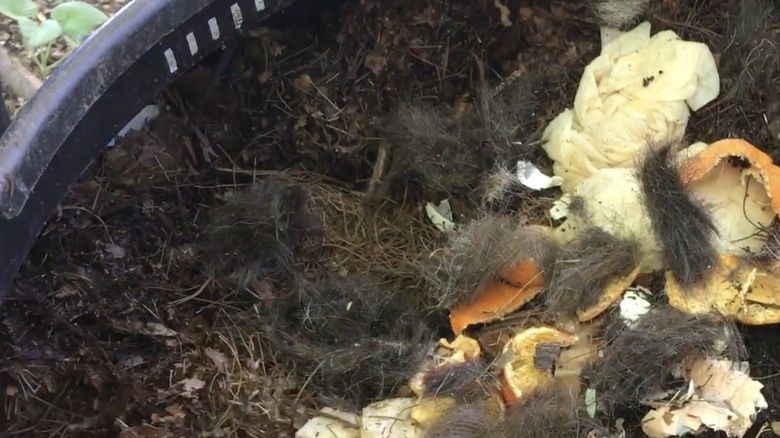
There are three ways you can use dog hair in your garden: composting, direct application, and mulching. Which one you choose will depend on what you hope to achieve. There are plenty of composting methods, and which you choose for your garden depends on the available space, materials, and your gardening goals. Dog hair can be added to most compost piles. In fact, it is a practical way to use it in your garden. It's considered a green material in composting terminology, so mix the fur with carbon-rich materials, like dried leaves, straw, or shredded paper. Since hair can clump together as it breaks down, separate the fibers as you add them to ensure proper airflow.
You can also apply dog hair directly to your garden bed, but use it sparingly. Lightly sprinkle the hair onto the soil and gently work it in with a trowel or fork. Because it breaks down slowly in the soil, dog hair as an amendment is especially good for ornamentals and long-season vegetables. It is less effective for quick-growing annuals (like leafy greens) or plants that need a fast burst of fertilizer early on — outside of overall soil improvement, of course. You could also bury it in a small trench near the base of the plant to provide root support. Alternatively, you could use it as a mulch on top of the soil. Spread a light layer over the soil around your plants to help suppress weeds, create a textured barrier against pests, and conserve moisture. You might have to replace it after rain.