

15 Low-Maintenance Landscapes That Boost Property Value And Save Water
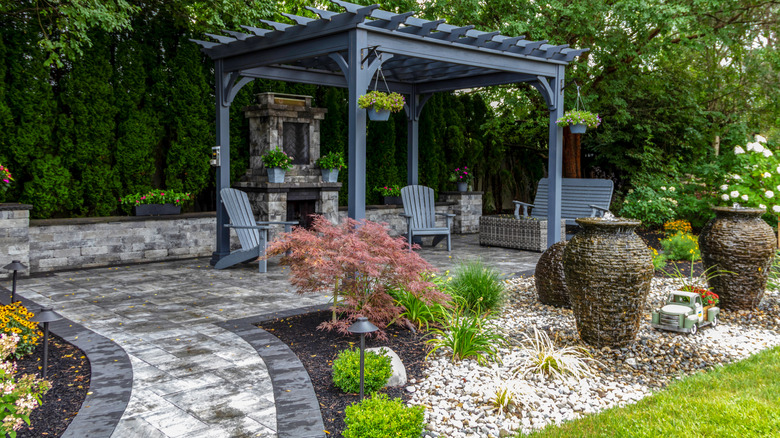
Let's face it. Backyards (and front ones) can be a lot of work. Between weeding, watering, fertilizing, and pruning, maintaining a lush paradise can turn into a second job. Fortunately, there are plenty of low-maintenance ways to landscape a front yard for added curb appeal while also helping to save water.
Thoughtful, well-done landscaping can increase home value by 15% to 20%. Potential buyers are drawn to homes with beautiful outdoor spaces. And beautiful outdoor spaces that need little to no water or maintenance? That's an instant win that will help your house stand out from the rest. When planning and designing low-maintenance landscapes, you can farm ideas from xeriscaping trends and lean into hardscaping features. Other elements like trees and native plants can help to create a landscape that thrives on near-neglect. While no yard is truly zero-maintenance, it is possible to decrease the time and energy spent tending your personal oasis, so you can spend more time enjoying it instead.
Plant trees to increase shade and save water
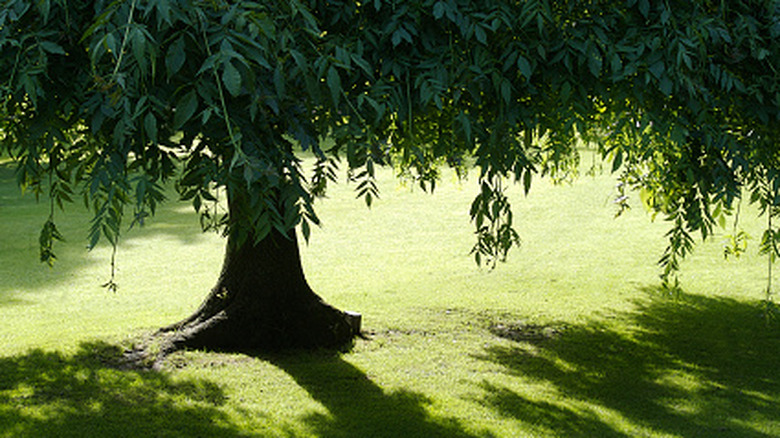
Is there anything better than relaxing in a cool backyard, shaded by beautiful, leafy trees? Trees are a staple in landscape design that do much more than increase beauty or hold up a treehouse: They are a functional addition with real benefits. Because trees shade the ground and cool it, they help decrease evaporation from the soil. Less evaporation means that the soil stays moist for longer, which translates to less watering overall. Trees also increase property value substantially. According to the Arbor Day Foundation, homes with street trees in Portland, Oregon, sold for an average of $7,130 more than those without.
Because trees are so large, you'll want to pay attention to the mature size of any tree you are considering. Trees can grow into power lines, underground irrigation pipes, and even the foundation of your house — and do a lot of damage. This means you should plan ahead and choose a site that can handle the full-grown version of whatever tree you choose. There are plenty of low-maintenance trees to choose from that you will want in your landscaping. Some great low-maintenance, fast-growing shade trees include several varieties of maples, birch, Northern Red Oaks, and Weeping Willows.
Experiment with groundcover
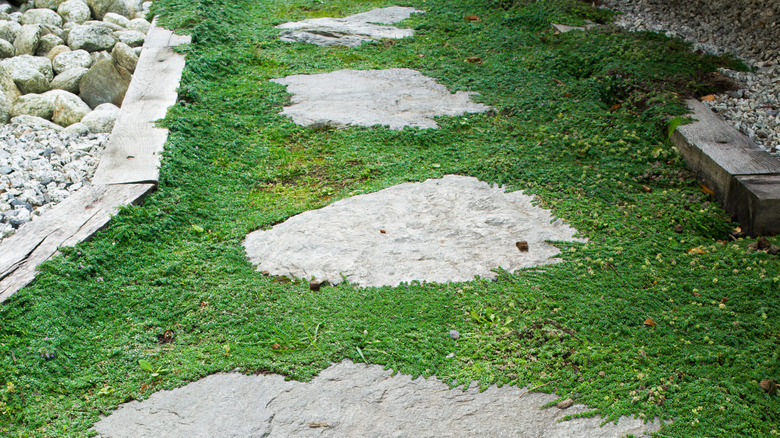
Instead of sprawling lawns, imagine your landscape covered in delicate tendrils of flowering thyme. Using groundcover plants in place of a traditional lawn is a great way to cut down on the maintenance needs of your landscape. Groundcover plants have growth patterns that tend to spread, creep, and trail until they have created a carpet of foliage. Groundcover doesn't need to be mowed, making it lower maintenance than grass. It also tends to have lower irrigation needs than a traditional lawn, thereby decreasing water usage. These plants can even increase the value of your property by increasing curb appeal, decreasing maintenance needs, and making your home more appealing to buyers.
Before you start planting, take note of the growing conditions of the location you are considering for your groundcover. As with any plant, different varieties of groundcover thrive in different environments. Fortunately, there are plenty of gorgeous groundcovers that'll thrive in sun or shade. Some groundcover plants can be incredibly invasive, so it's important to do your research and plant carefully. Aggressive groundcovers can also choke out the plants you do want in your garden, so you will need to be vigilant in ensuring they don't strangle your flowers.
Give gravel gardening a go
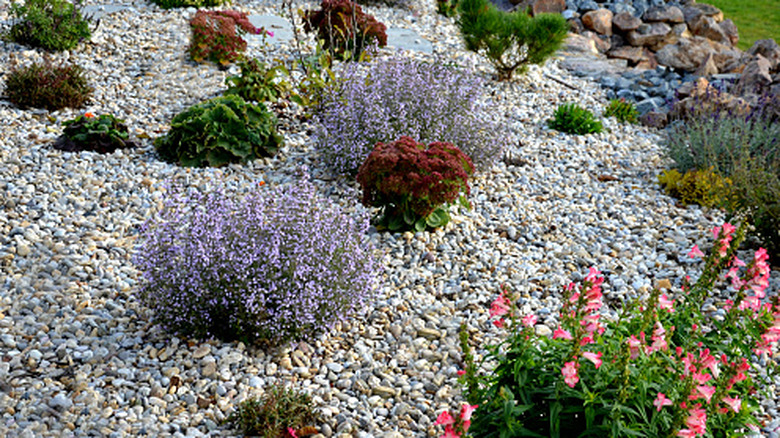
A well-designed gravel garden is an attractive feature to potential buyers. Gravel gardens improve drainage and runoff while also lowering your water usage. Unlike plants, gravel doesn't need to be watered, after all. Gravel gardens are defined as landscaping that uses gravel in place of lawns, groundcover plants, or organic mulch like wood chips. This type of gardening requires around 80% less maintenance than a traditional perennial garden because they are generally optimized to thrive with little to no water beyond rain and no soil amendments.
To create a flourishing gravel garden, choose native plant species over non-native perennials and annuals that require more help to grow successfully. Gravel also won't stop weeds indefinitely, so occasional weeding will be required to keep it looking tidy. One major drawback to keep in mind is that gravel tends to get much hotter than traditional lawns or mulch, which could be a dealbreaker if you are dealing with an already uncomfortably hot yard. Planting the area with native, heat-loving plants can help to amend the situation, but gravel gardens still tend to be hotter than lawns or organically mulched beds. Gravel is also not great on bare feet, which could be a problem if you have kids or pets running around.
Landscaping with rocks
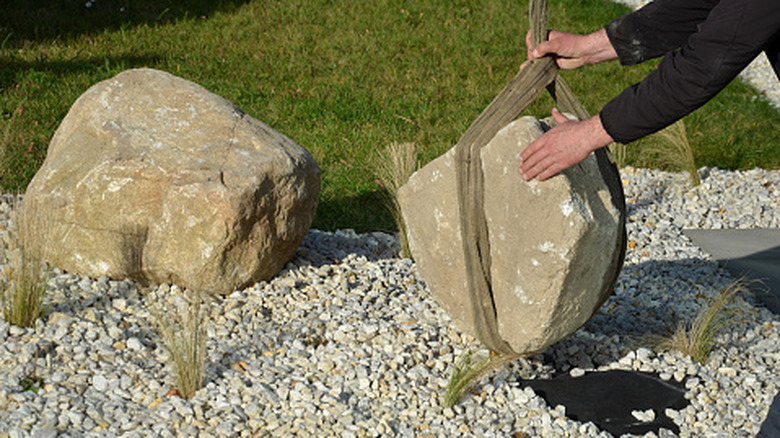
Though they may seem similar, rock gardens are different from gravel gardens. Rock gardens often feature large, elevated arrangements of rocks that act as landscaping focal points. Rock gardens reduce the need for watering because rocks, of course, do not need to be watered, but also because rocks help to retain soil moisture, which decreases the need for frequent watering altogether. A well-designed rock garden can even increase the value of your home by adding aesthetic appeal without also increasing maintenance needs, a fact homebuyers will notice and appreciate.
Rocks are about as low maintenance as you can get. If you choose to create a rock garden in your own backyard, the only thing you will need to regularly do is weed, as well as take care of any plants you have placed around the rocks. Many rock gardens aim to recreate alpine landscapes, but really you can create one in any style you like. Experts usually recommend choosing rocks from your local area so they feel cohesive and natural in your yard. Start with placing your largest rocks (typically boulder-sized), and then arrange medium and smaller pieces around them. Rock gardens are often a major investment because large rocks are pricey, and moving heavy boulders into place is near impossible without the right equipment — meaning you will probably need to hire a professional for the job.
Save water with a xeriscaped garden
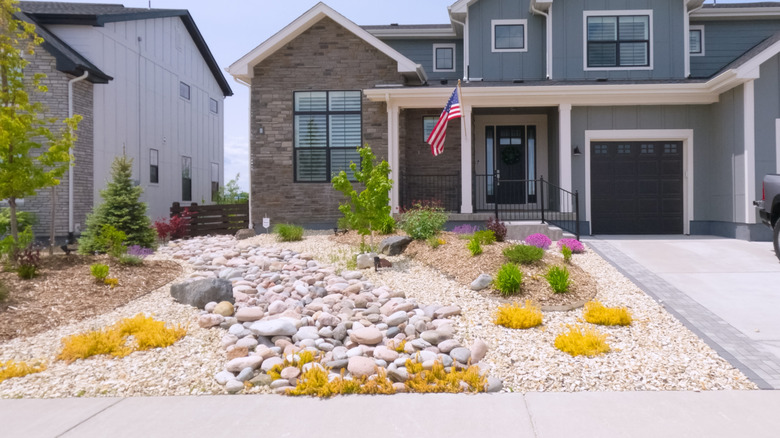
Xeriscaping is a landscaping practice that aims to reduce or completely eliminate the need for irrigation. A xeriscape garden often features native plants, rocks, and hardscaping. These gardens use a variety of water-saving strategies (like using drought-tolerant plants, grouping plants by water needs, and utilizing efficient irrigation) and can often save homeowners 20% to 80% in outdoor watering. Xeriscape gardens can also be a low-maintenance choice if they are designed to include plants and features that require little upkeep. Data suggests xeriscape gardens can add 10% to 15% to the value of a home because of the many tangible benefits this style of gardening provides homeowners.
Xeriscaped yards are more than just rocks and cactus, though it can certainly include them. Xeriscaping design has 7 overarching principles: make a plan, choose drought-tolerant plants, improve your soil, reduce turf size, irrigate efficiently, use mulch and groundcover, and maintain your landscape. Together, these principles help homeowners enjoy the benefits of a yard that thrives without needing to be watered or mowed for hours a week. Xeriscaping can be a bit more expensive upfront than a traditional landscape because of the specialized knowledge needed to properly design one, though fortunately the cost pays off in the long run.
Cactus gardens
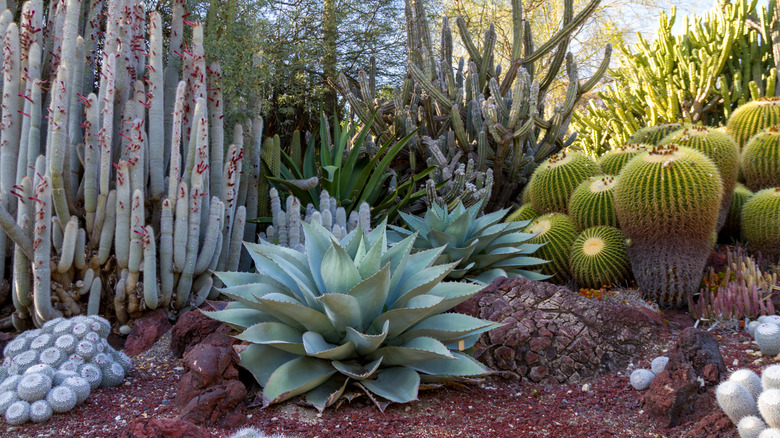
Cactus gardens are exactly what they sound like: gardens that feature cacti and succulents instead of traditional garden plants. Cactus gardens only need to be watered around every two weeks. That's a lot of savings in the water department over time. In the right environment, cactus gardens are pretty low maintenance. Cacti and succulents don't require much in the fertilizer department, and very rarely need pruning. During the rainy months, cacti and succulents most likely won't need to be watered at all! In many areas, there is a high demand for drought-tolerant landscaping. This means that a well-executed cactus garden is a huge bonus when it comes time to sell, and can even raise the value of your home.
Cactus gardens need plenty of light, so make sure the spot you choose gets lots of it. Between six and eight hours a day of direct sun is ideal. Cacti also prefer well-drained soil, so if your soil has a drainage problem, you will have to amend it with sand or perlite to improve the conditions. While cactus gardens are beautiful, they aren't a great choice for homes with children or pets, for obvious reasons — those prickly spines can hurt! They also don't grow well in all conditions. Homeowners living in a very rainy area, for example, may want to consider a different landscaping style.
Build or expand your patio
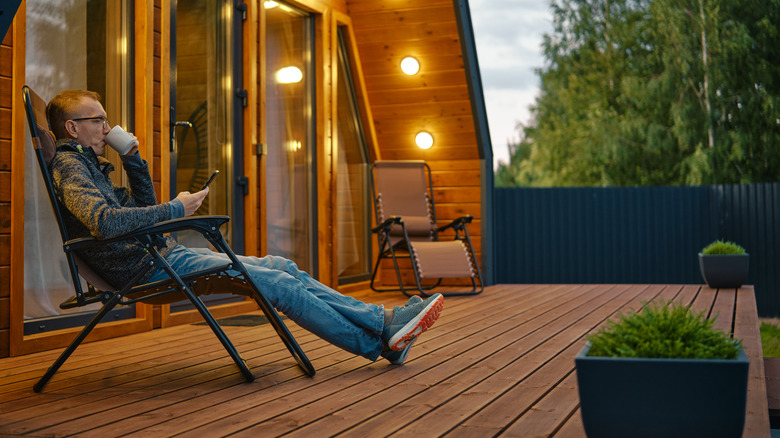
Patios are one of those renovations that can instantly make your backyard more enjoyable. Plus, they offer functional benefits as well. Adding more hardscaping elements to your landscaping (like patios) is a core strategy to reduce water usage because it replaces turf and other plants in your landscaping design. They are generally lower maintenance than plants as well: Keep your patio clean, apply a sealant every few years, resand joints if you have pavers, and keep an eye out for (and quickly address) damage, and you should be good to go. Adding a patio, or expanding the one you already have, can also add 8-10% to the value of your home.
There are a lot of different patio options to choose from, each with its own set of pros and cons. Concrete patios are low maintenance, durable, and easy to install, while pavers are trickier to install but easier to fix if any damage occurs. Not all sites are created equal when installing a patio. Some common problems that may arise include steep slopes, narrow access points, and a backyard that isn't big enough to allow the use of machines. Patios are also a huge investment of both time and money, meaning they are not a project to take on lightly.
Weave gravel and stone paths throughout your garden
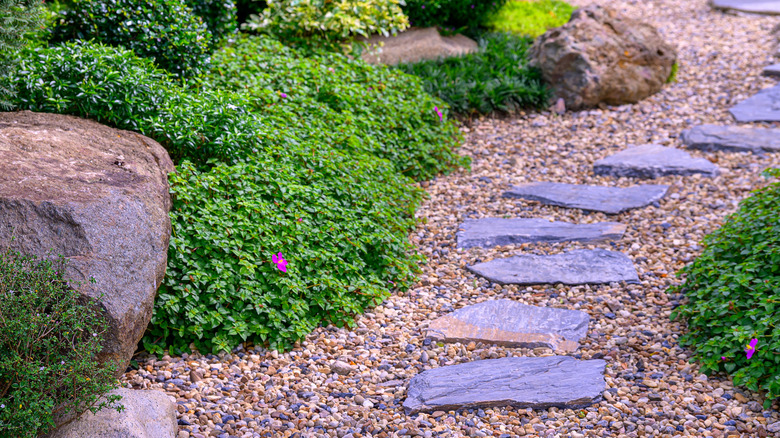
Stone and gravel paths are another hardscaping feature that can help save water and decrease maintenance. Paths save water not only by replacing plants, but also by improving drainage and sending rainwater directly to adjacent plants. Gravel and stone are good choices because they are built to last, decreasing maintenance needs and upkeep over time. Placing landscape fabric beneath your paths can help to decrease the need for frequent weeding. Garden paths can increase the value of your home because of their functionality and beauty.
Paths can be made of pavers, gravel, flagstones, or a combination of multiple elements. Try weaving your path through a garden or across a flowering groundcover lawn. Paths are great for decreasing foot traffic (which protects your plants) and creating visual cohesion throughout your landscape.
Manage runoff with a beautiful rain garden
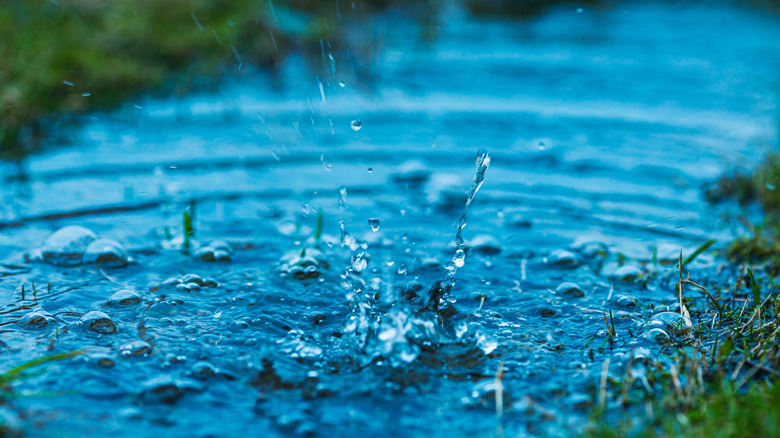
Why not let nature do the watering for you? Rain gardens are planted in (typically natural) depressions in the land and are designed in a way that collects rainwater. Rain gardens help to filter rainwater and disperse it to the rest of your garden, meaning less water used up through irrigation. These gardens allow 30% more water to soak into the ground than a traditional lawn, meaning more water for your plants and a lower bill for you. Rain gardens are designed to be self-sufficient, often using native shrubs, perennials, and wildflowers to eliminate the need for frequent interventions. Well-designed rain gardens can be both beautiful and useful, which raises the value of your home by increasing its desirability.
Careful planning is necessary to create a functional rain garden. Rain gardens should be longer than they are wide, and approximately 20% the total size of the area draining into it. Rain gardens are not meant to be wet year-round, and should be amended to improve drainage and water filtration. The garden should drain completely 24 to 48 hours after a storm, which helps prevent problems like mosquitos.
Install artificial turf
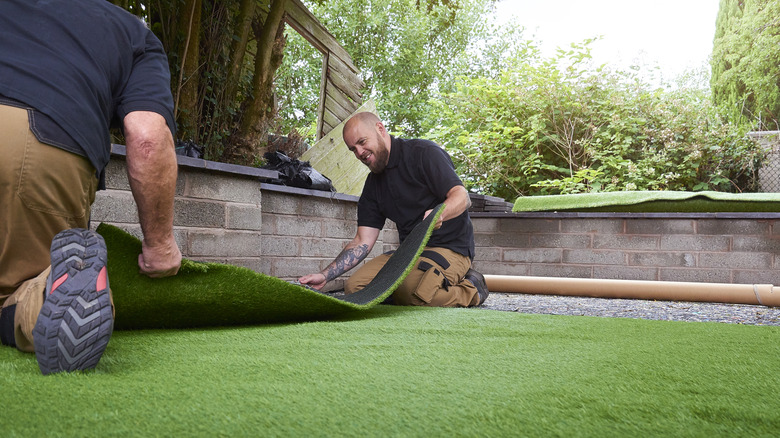
Artificial turf is an outdoor carpet designed to look like real grass, but is made from synthetic fibers. This type of groundcovering can save homeowners about 70% of their water bill (approximately 99,000 gallons of water for an 1,800 square foot lawn) and is considerably lower maintenance, as it does not require weeding or mowing. Some sources claim that artificial turf can increase your home value by 7-15% and is an attractive selling point to buyers.
It is important to note that many people prefer natural lawns, so artificial turf may hurt the saleability of your home for those buyers. There are also some health and safety concerns surrounding artificial turf because of the chemicals present in the synthetic materials used to create them.
Embrace native wildflower gardens
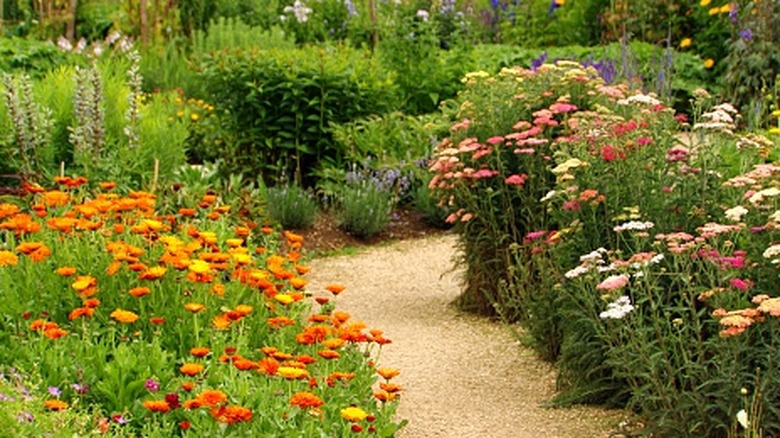
Native wildflower gardens are a great alternative to imported annuals and perennials. Because they are adapted to the natural climate of your yard, they need less diligent care to thrive. In plain speech, that means fewer amendments, little to no pruning, and very little additional water other than what the storm clouds bring in. Carefully grown wildflower gardens also enhance curbside appeal and are attractive to potential buyers because of their beauty and practicality.
Wildflowers love unproductive soil that other plants struggle to grow in. To create a wildflower patch in your own backyard, start with a bare section of dirt with plenty of natural light. In the fall or early spring, rake the earth to create a seed bed, and then scatter your seeds. Cover the seeds, water thoroughly, and then wait for the seeds to grow. Your plants will need to be mowed a couple times a year, but require very little maintenance beyond that. Wildflower garden beds should be well planned out and clearly defined so they look intentional and avoid looking like a patch of overgrown weeds. Luckily, with a bit of planning you will be able to add stunning wildflowers to your garden without losing your yard.
Pergolas, gazebos, and other outdoor seating areas
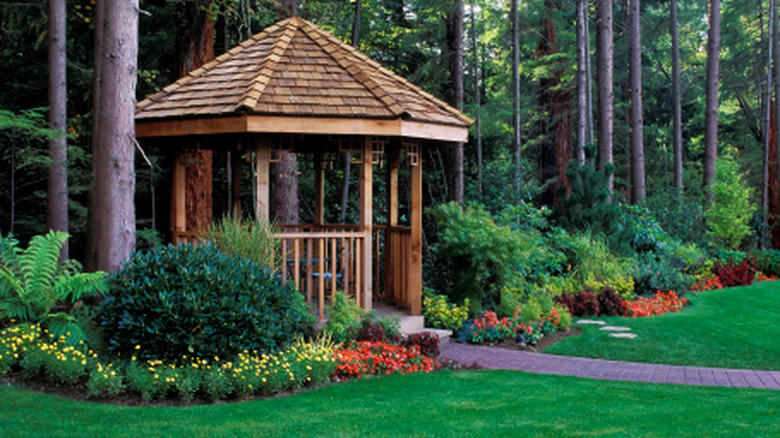
Outdoor seating areas do a lot to increase the enjoyability of your backyard. That fact alone is attractive to potential buyers. Combine it with the decreased maintenance needs when compared to a lawn (you don't need to mow a pergola!), and you have a recipe for success. Outdoor seating areas are also another example of hardscaping in your landscape that reduces the overall need for irrigation because it directly replaces some of the thirsty foliage in your landscape.
Not sure what to build? Consider a vine-covered pergola, an elegant gazebo, or even a cluster of weather-proof furniture on a gravel patio nestled between your garden beds. For the most maintenance-free options, choose building materials that are made to stand up to sun, wind, and rain. Pests are also a consideration with outdoor seating areas, as termites can destroy wood, and rodents can make their homes in your rafters or furniture.
Bring on the s'mores
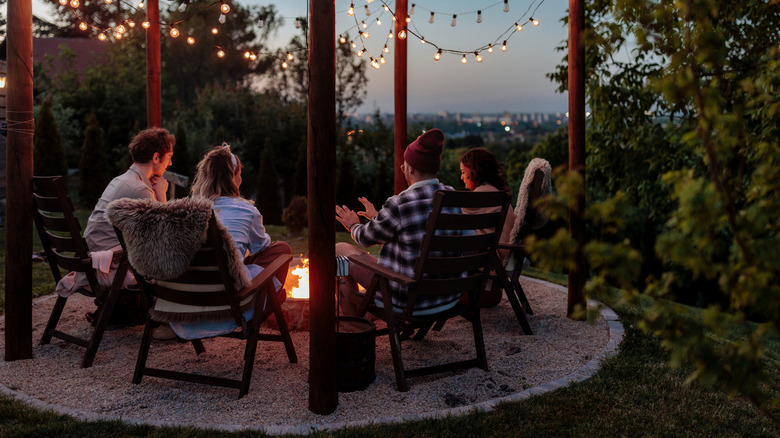
Imagine spending the evening with friends and family, chatting under the stars around your very own fire pit. Including a fire pit area in your landscaping design is a great way to reduce irrigation needs while also making your backyard an enjoyable place to be. Fire pits can be relatively simple to construct and are typically easy to maintain, as most only need to be cleaned out after use. Adding a fire pit can help your home stand out from the competition when the time comes to sell, with the average ROI for a stone gas fire pit being 67%.
For handy, budget-conscious homeowners, there are loads of DIY ideas for a cozy fire pit on a budget. If your goal is to increase the value of your home, however, then it is a job that is best left to professionals. Something to keep in mind while planning your backyard fire pit is that it can be a safety hazard, so location matters. Many cities also have regulations governing outdoor fires, so it's important to know the laws in your area.
Shrink your flower beds
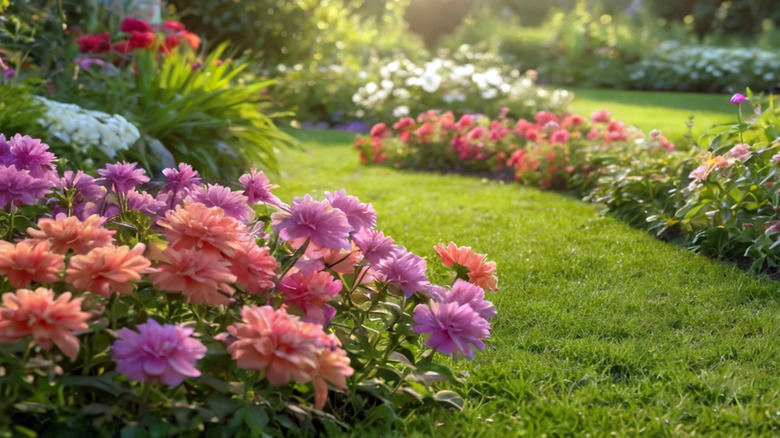
For homeowners who just can't part with the idea of surrounding their home with their favorite colorful blooms, creating a landscape with smaller flower beds can be a great compromise. Choosing smaller flower beds rather than expansive plots will reduce your irrigation needs simply because there is less to water, and will decrease the amount of maintenance needed by the same logic. Small flower beds are also appealing to homebuyers for the same reasons: fewer plants to water and maintain, while still offering the same beauty.
Smaller beds may require less water overall, but they also tend to dry out faster and may need to be watered more frequently. To help counteract this effect, you can install a drip irrigation system beneath a layer of mulch to decrease the amount of water lost through evaporation. To decrease your water usage even further, fill your beds with smaller plants, as they require less water than larger ones.
Save water with visually stunning dry creek beds
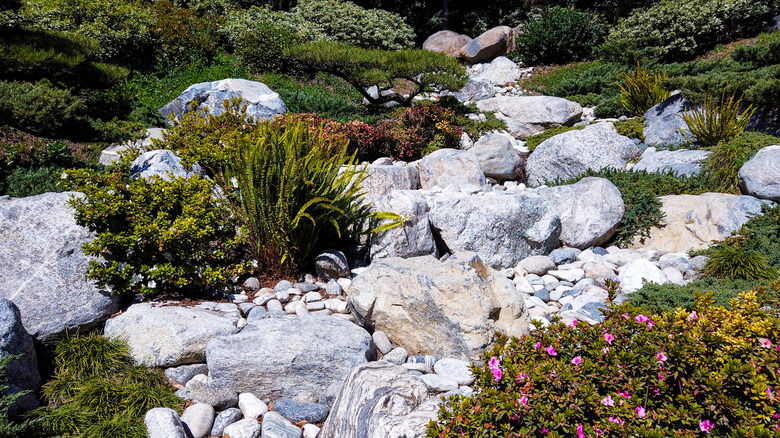
Dry creek beds are a xeriscaping classic for a reason. Dry creek beds reduce topsoil erosion, reduce water use by replacing lawns, and can even help to correct drainage problems. As with many landscaping designs, they add value to a property by increasing curb appeal and adding both beauty and functionality. Once installed, a dry creek bed requires very little maintenance beyond basic weeding and removing debris caught between the rocks.
Installing a dry creek bed can be a fun DIY project that can even save your house from flooding. After selecting your location, make sure you prepare a base using landscaping fabric so the stones don't sink into the earth. Landscaping fabric will also decrease the number of weeds you need to pull. Try choosing stones in a variety of sizes. Large boulders, medium-sized river rocks, and gravel can all be used together to create your design.