

How Using Pesticides In Your Garden Can Damage The Health Of Your Soil
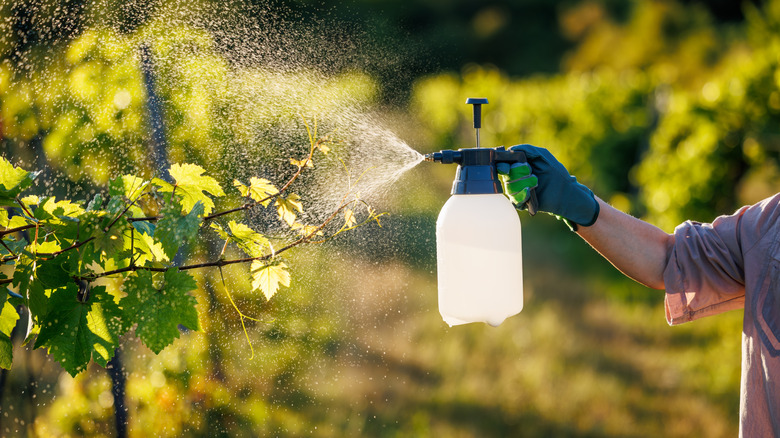
We all want juicy red tomatoes, lush green plants, and vibrant, colorful blooms. So when bugs, harmful fungi, and weeds start to invade your garden, reaching for a pesticide can feel like the right thing to do. But beneath your garden, there's an entire underground ecosystem that's hard at work, and using pesticides can seriously damage it. The products advertised as ways to help protect your garden are the very same ones that can disrupt the balance and health of your soil. And if you want a strong and healthy foundation for your garden, it's best to avoid them altogether.
What we mean by "ecosystem" is all sorts of beneficial organisms that live in the soil and contribute to its health: microbes, beneficial fungi, earthworms, beetles, and more. These don't get a lot of attention, but they're actually great allies in maintaining a healthy garden. They help aerate the ground, which allows water to flow through layers of soil more easily. They break down dead plants, which helps make nutrients more available to roots. And in some cases, they even act as natural pest control against harmful fungi or bugs, like aphids and snails. Killing your allies seems a bit counter-productive, no?
You might be wondering what types of pesticides are guilty of this. Well, the bad news is that most of them are. A 2021 review published in Frontiers in Environmental Science analyzed nearly 400 studies on pesticides and soil health. The result was striking: All types of pesticides are dangerous for soil ecosystems. This is true whether you're spraying these chemicals on plants or applying them directly to the ground. In fact, even seeds that were treated with pesticides and coated in the chemicals can have negative impacts on soil health.
Herbicides, fungicides, and insecticides damage your soil
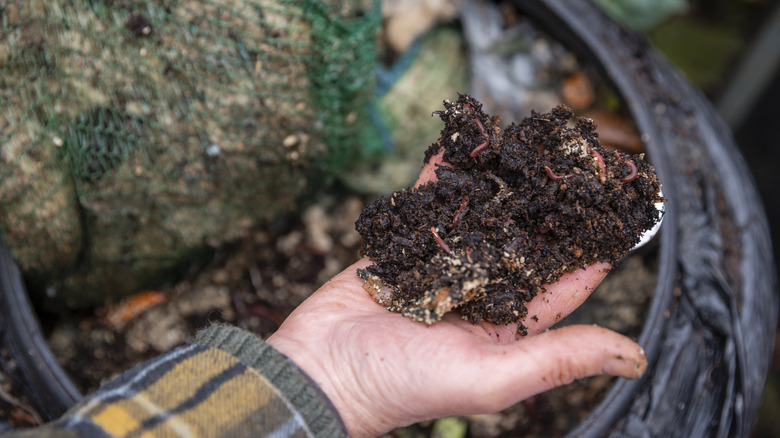
In order to understand how pesticides damage soil health, let's break them down by categories. One common type of pesticide used in residential gardens is weed killers, or herbicides. These include brands like Roundup, which are made of glyphosate. Glyphosate has long been studied for its negative impacts on human health, but it also has negative impacts on soil health. It makes its way into the soil and destroys good organisms. It stays in soils for months, which makes the ground less fertile over time. Eventually, it reduces invertebrate populations in the ground. Quitting weed killer is good for your soil, and it might even help bring birds to your yard.
The second type of pesticide you might be using in your garden is fungicides. These prevent fungi such as mildew from growing on plants. The issue with fungicides is that they don't differentiate between bad and good fungi; they kill it all. But beneficial fungi are essential to soil health because they contribute to decomposition, and they help plants access more nutrients, grow stronger, and be less susceptive to disease. Fungicide can also impact beneficial microbes and bugs, like earthworms. Instead, try natural alternatives to store-bought fungicides.
And finally, some gardeners might be tempted to use insecticides. These come in a variety of mixes and solutions, but they don't see a difference between pests and beneficial insects. Therefore, applying insecticides to your garden will have the same impact on all bugs, including good ones that help keep your soil healthy. For example, they kill bugs that aerate the ground when they burrow, or break down and decompose organic matter in soil as they eat. Without these guys, your soil will be less fertile.