

The Best Time To Plant Grass Seed In Your Yard, Depending On Your Region
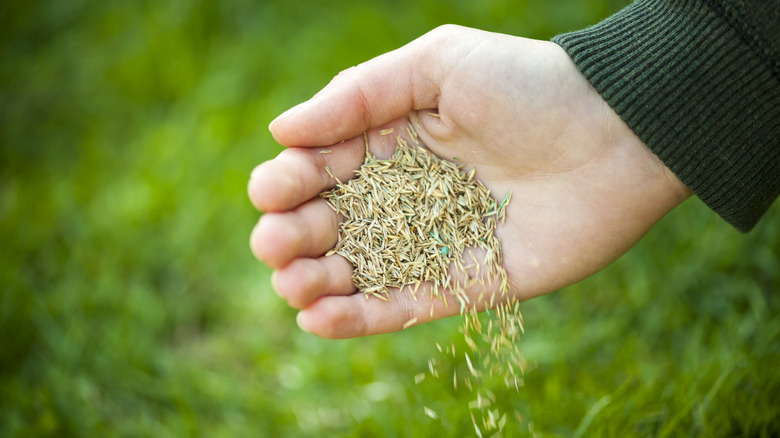
Looking out at a yard full of bare spots and thin patches is enough to make any homeowner feel like they're losing a battle with nature, but the mistake most people make is usually just a matter of bad timing. It's easy to assume that planting grass can happen whenever there's a free weekend, but seeds need the right conditions to take hold and grow. When the ground is too cold or the air is too dry, those seeds usually struggle to get started. Success mostly comes down to leaning into the natural weather patterns of your specific area instead of trying to fight against a climate that's not ready to support new growth. Typically, the best time to plant is during the late summer or early fall for northern and coastal areas, while late spring and early summer is the ideal time for southern and desert regions.
Matching your grass planting project to these windows helps take the pressure off and reduce the time you have to spend watering or reapplying seed that didn't take. Each part of the country has a specific timeframe where the soil warmth and the rainfall naturally work together to help the grass seed grow. Missing that sweet spot often means that the new growth has to face a harsh frost or intense heat before it's strong enough to survive. If you listen to what the weather and soil are telling you, it becomes much easier to grow a lawn that can mostly take care of itself for a long time. Knowing the best time of year to reseed your lawn keeps more money in your pocket and prevents the headache of watching your hard work dry up or wash away before the grass has a chance to establish itself.
What's the best time to plant grass seed in the North, Midwest, and Northwest?
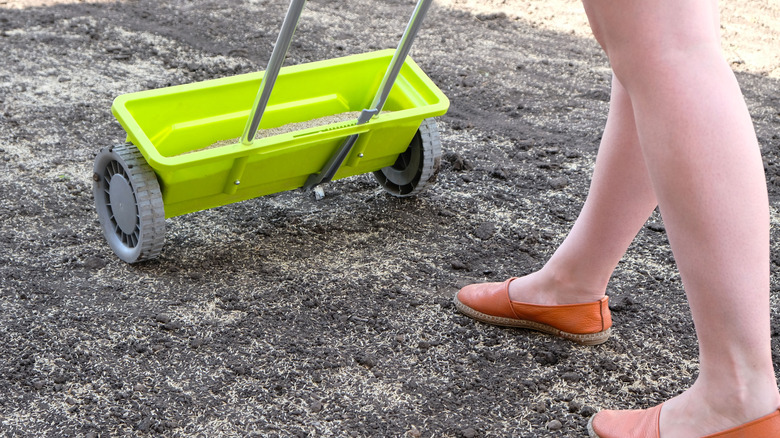
Homeowners living across the northern part of the country, from the Atlantic coast through the Midwest, usually see the best results when they get their seed in the ground between late August and the middle of September. This is when the soil is still nice and warm from the summer sun, but the air is starting to feel cooler, which keeps the new grass from drying out too fast. Many experts suggest finishing this task at least 45 days before the first expected frost so the roots have time to settle in before the winter freeze. This specific late season timing also coincides with the growth cycle of Kentucky bluegrass (Poa pratensis), which grows well in USDA Hardiness Zones 3 through 9 and requires consistent soil temperatures between 50 and 65 degrees Fahrenheit to establish properly.
For folks out in the Pacific Northwest, the best move is to wait for the autumn rains to show up in September or early October so the clouds do the watering for you. Waiting for the rain helps with the high moisture levels that are needed for perennial ryegrass (Lolium perenne), which thrives in USDA Hardiness Zones 5 through 7 and can germinate in as little as five to seven days when conditions are right. While it's tempting to plant in the spring when everything is blooming, it's often better to plant and grow cool-season grass seed in the autumn because it doesn't have to compete with a fresh crop of weeds like crabgrass. Seeding in the fall also allows the plants to develop a deeper root system during their secondary growth spurt in the spring before the ground dries out in July.
When should you plant grass seed in the transition zone, South, and Southwest?
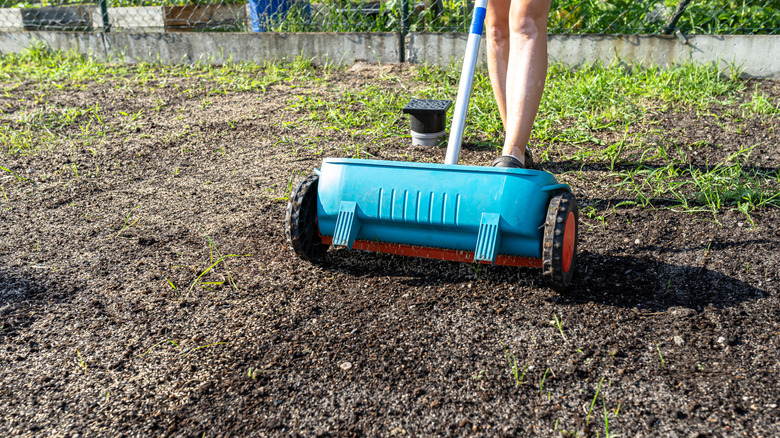
Living in the transition zone means you're stuck between two worlds. This central belt across the United States is where northern and southern climates overlap, creating an environment that's typically too hot for northern grasses in summer and too cold for southern grasses in winter. Stretching from the Atlantic coast through states like Kansas and Missouri, this region requires homeowners to be very picky about the best time of year to plant grass seed. For those using tall fescue (Festuca arundinacea), which grows well in USDA Hardiness Zones 3 through 8, the best window is September through early November. This allows the grass to grow without suffering through the humid summer months.
Timing in hotter regions varies depending on whether you're dealing with humidity or dry heat. In the Southeast and Deep South, you need consistent heat to wake the seeds up, so you should hold off until April or even as late as July. Homeowners in the Southeast often start in late spring, while those in the Deep South wait until May or June to make sure the soil is consistently above 75 degrees Fahrenheit.
In the Southwest, many people wait for the monsoon rains in July or August to keep the ground damp enough so the grass can survive the desert sun. Because these storms can wash away fresh seed, it's common to use light straw mulch or biodegradable erosion blankets to keep the soil in place. Planting too early in these warm spots causes the seeds to sit in cold, wet soil and rot. Most warm-season grass varieties need at least 90 days of high heat to establish enough of a root system to survive their winter dormancy period.