

The Flowering Mini Lemon Variety That You Can Grow In A Pot
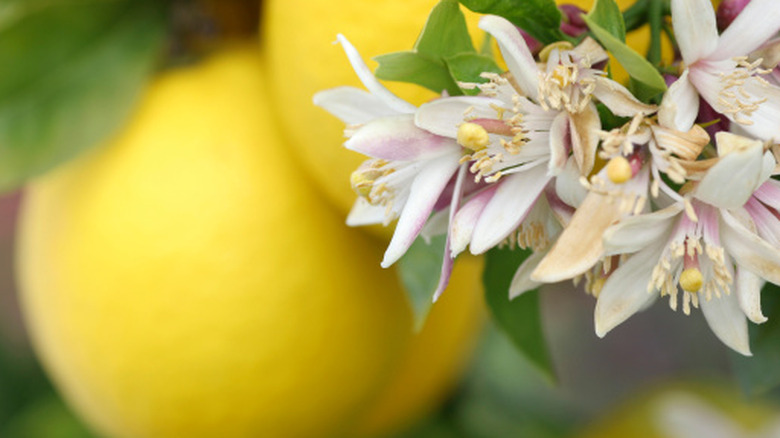
Growing citrus trees in small spaces can feel like an uphill battle. Whether you've tried nurturing a lemon tree on your patio and watched it struggle through chilly nights or attempted indoor growing that resulted in the tree outgrowing its container far too quickly, the problem may not be how you are caring for it. You may be selecting the wrong lemon variety for your space. Traditional citrus trees crave warmth, sunlight, and room to spread their roots, which aren't always easy things to consistently provide. When gardening on a balcony, in a small yard, or indoors, it can feel like fresh, homegrown lemons are out of reach. Thankfully, they're not. You just need a variety that thrives in pots, like the flowering mini Ponderosa lemon tree (Citrus limon x medica).
This lemon variety is known for adapting to container living unlike larger, more demanding varieties. Ponderosa lemon trees naturally stay more compact than full-size citrus trees, reaching a total height of 6 to 8 feet in pots. This makes them easier to move indoors during cold snaps in borderline hardiness zones, or in cooler climates like USDA hardiness zones 4 to 7 where they can't survive the winter. Alternatively, it's relatively easy to raise these stunning and rewarding fruit trees indoors year-round if you have limited yard space. To top it off, they produce impressively large, juicy fruit starting between year 3 and 5. In fact, this semi-dwarf citrus tree variety produces the biggest lemons you've probably ever seen with a bold, acidic lemon flavor that's perfect for cooking and baking. With the right care, the fragrant white blossoms also add a lovely scent to your home, and in the right conditions the flowers can appear year-round.
How to establish a potted Ponderosa lemon tree
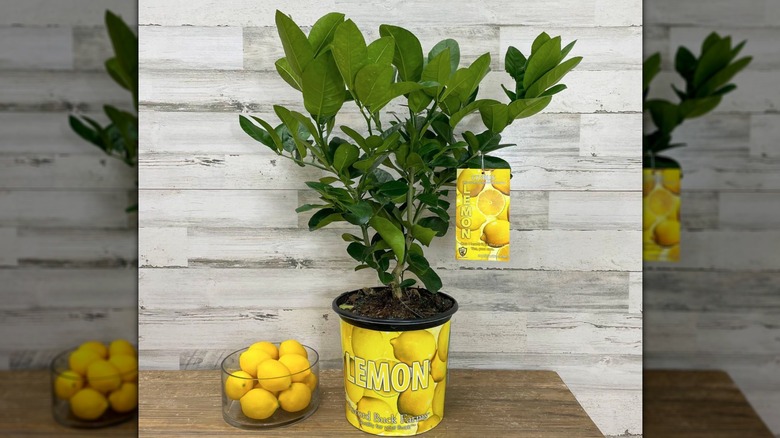
You may be wondering if this amazing flowering tree is too good to be true. Beautiful blooms, compact growing, and huge, juicy fuit: What's the catch? While Ponderosa lemon trees really can provide a stunning display of flowers that grow into massive lemons, there are some things you should know before growing citrus trees indoors or in pots at all. Setting up your space takes a bit of time, consideration, and investment in the right tools. Namely, you need the right tree selection, growing environment, fertilizer, and pot size.
Start by selecting a healthy nursery plant and a sturdy pot that measures between 10 and 14 inches wide. Using a high-quality, well-draining citrus potting mix, fill the container a little over halfway with a well in the center. Place the root ball in the center of the well. Fill in the remaining space with potting mix until the plant is stable.
Ponderosa lemon trees don't like soggy soil, but they do need a thorough watering while they are getting established. Allow the top few inches of soil to dry out before adding water. During this time, place it somewhere with at least 8 hours of bright light daily. If natural sunlight isn't available, supplement with a full-spectrum grow light positioned a few inches above the canopy. Consistent light is essential for flowering and fruit development. In the spring and summer, use a balanced citrus fertilizer with micronutrients like magnesium and iron to encourage healthy flowers.
How to care for your flowering potted Ponderosa lemon tree after it starts fruiting
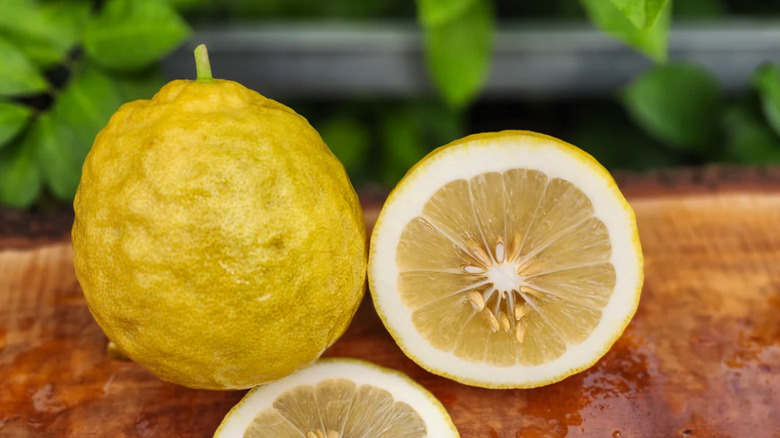
Once established, rotate your pot every few weeks to even out the light if you are able to get natural sunlight. If you started with a nursery plant, after 2 or 3 years, you tree should start producing flowers in the winter. Generally, a large harvest comes right after flowering is done, and fruits develop in the winter, but indoor plants have been known to continue to produce fruit all year. Maintain a regular watering and fertilizing schedule. If roots begin circling the pot, repot into a slightly larger container.
Overwatering is the watering mistake everyone makes when growing a lemon tree indoors, and Ponderosa lemon trees are no different. Since containers limit drainage compared to in-ground planting, roots can become waterlogged faster than with outdoor lemon trees. To avoid this, always check the soil before watering. Do not add water to damp soil. You can mist the leaves to provide additional humidity indoors without waterlogging the roots.
If you notice leaves dropping or don't see as many flowers as you expected, the plant may not have enough sunlight. Incorporate grow lights into your space if you can't maintain full sun conditions year round. Lightly prune in the spring to improve air circulation. For a healthy indoor plant, keep it away from heat or draft sources like vents, windows, or entryways, too. If you plan to bring an outdoor potted tree in for the winter, make the temperature transition as gradual as possible to avoid shock.