

11 Signs Your Pipes Are Frozen And How To Act Quickly
We may receive a commission on purchases made from links.
With a few weeks of winter still remaining, being able to enjoy a steaming hot shower or bath as you start your day is far more of a luxury than it is just a routine. What many people don't consider, though, is that this specific comfort is only one frozen pipe away from becoming a plumbing nightmare. If you've found yourself outside in the freezing cold trying to work out why there is no hot water entering your home, you'll know exactly what we mean. Not only are frozen pipes a common issue across the U.S., but they're costly as well. A burst pipe due to frozen water can cost thousands of dollars to repair. The thing about frozen pipes is that there are no alarms that go off or some sort of system that gives you a warning. There are, however, several signs that you can look out for.
The key to dealing with frozen water in your pipes is to act fast. If you don't, you may end up with a cold shower, no water at all, or, worse, serious damage caused by frozen pipes. In this article, we shine the light on the signs that indicate you may have a frosty plumbing situation on your hands. We also offer a few tips on how you can act quickly to remedy the situation and hopefully avoid costly repairs. From unusual noises to a nasty drain smell, here are a few key signs to look out for.
Water is only dripping or trickling out of your faucets
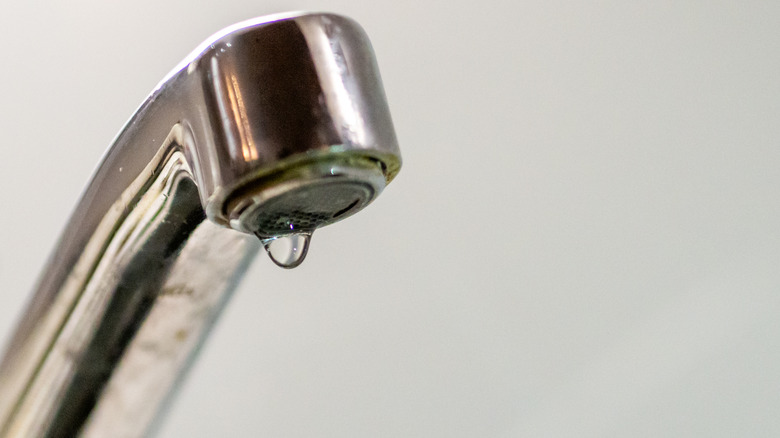
One of the most tell-tale signs of frozen water in your plumbing is to simply open the faucets in your kitchen or bathroom. If you find that all of a sudden the water is only trickling out, or there is nothing but a few frustrating drops, you may have a frozen pipe on your hands. What may have happened is that water has frozen in the pipes and has now blocked the flowing water from going where it needs to. The ice dam that has been created is not only an irritation but also could become a far bigger issue if you don't act on it.
Where there is an ice blockage in your pipes, pressure can build up over time. Eventually, this pressure will find a way out, and that is most usually through the actual structure of the pipe or at a join in the system. The end result here is never a good one. First up, make sure to leave the faucet open to allow the pressure to be released there. If there is still a trickle of water, by leaving the faucet open, the water will keep moving, which will prevent your pipes from freezing further. If the situation doesn't resolve itself, make sure to call out your local plumber. If you're concerned about wasting water by leaving the faucet open, catch the water in a bucket and use it to water the plants around your home.
You're noticing frost on your pipes
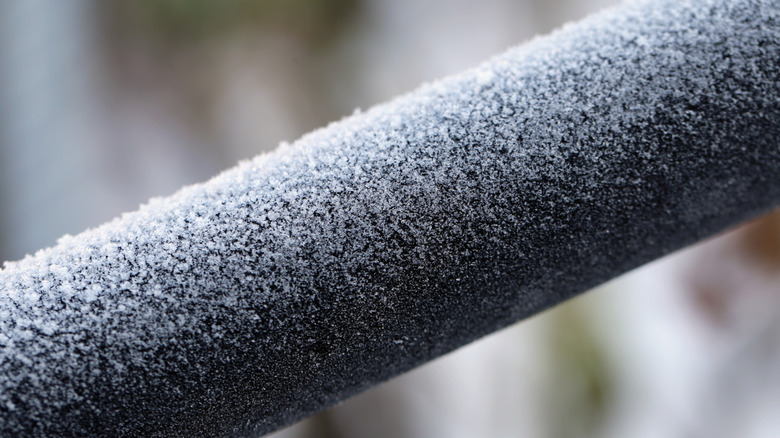
The pipes outside your home, those exposed to the cold elements, are at the greatest risk of freezing. If you have exterior pipes that are not insulated, you need to look out for any visible frost that has built up. This is an indication that the water inside has frozen or is close to freezing. When this happens, the water inside the pipe expands as it freezes, putting your plumbing system at risk of cracking. If this happens, you're most likely in for a cold shower and an expensive plumbing bill. It's not only the exterior pipes that are at risk but also any space in your home that is not heated. This includes under sinks, in the basement, and in the garage.
If you do locate frost on your pipes, as you would if you're experiencing a trickle, leave the faucet open slightly. Prevention is really the best cure here, so it's better to opt for a more permanent solution and one that won't waste any water. For pipes that are exposed to cold temperatures, your best bet is to insulate them. You can use products like pre-slit foam pipe sleeves or fiberglass pipe insulation. If you do find a frosted section of piping and notice that it is bulging, you need to ring up your local plumber straight away. Don't ignore frost on your plumbing hoping it'll go away — otherwise, you may have to deal with a burst plumbing system.
There's a nasty smell coming from your drains
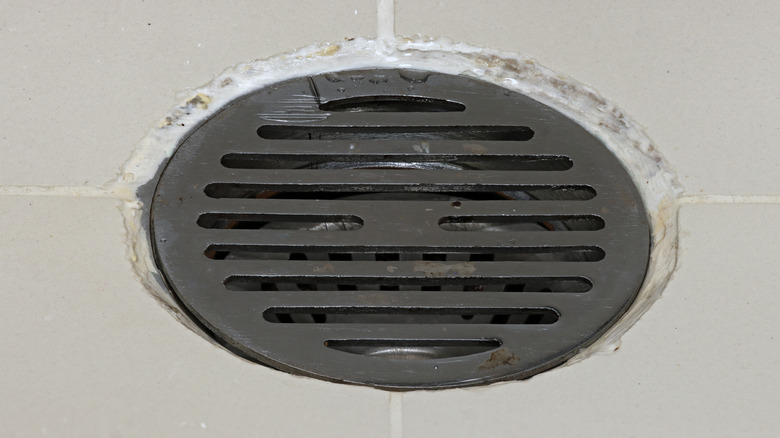
While a nasty whiff coming from your kitchen sink or bathroom could come from a number of issues, if this coincides with other signs, then you may be dealing with a frozen pipe. If you've just had a cold snap, it may be that the water in your pipes has turned to ice and caused a blockage. If you find that the water in your faucet has turned to a trickle, the chances just went up. This solid barrier that is formed when the water freezes traps the organic smells that usually move through the pipes. When this happens, there is usually only one way out – back through the drain and into your living spaces.
You'll mostly find this issue with kitchen sinks where all sorts of organic matter is washed away down the drain. There's no amount of air freshener that will sort it out. As with other frozen pipe situations, if left unresolved, the frozen water may expand to the point where it damages or cracks the piping. If you are able to find the frozen section, for example, under a sink, you can apply gentle heat to try to melt the ice. Wrapped towels wrapped in hot water is one option. You could also use a hair dryer. If this doesn't work, you'll need to get the plumber in. If you find any leaks around the area that you think may be frozen, go straight to calling in the professional — there's a good chance you'll have a repair job on your hands.
There are cracks or bulges in your pipes
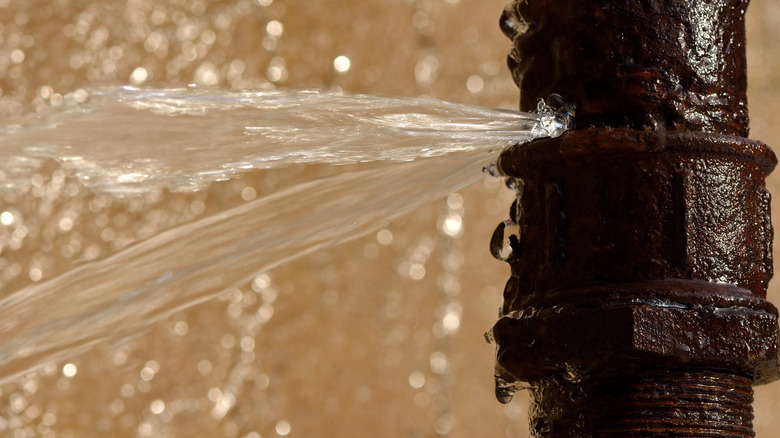
Even if you don't come across any frosted or leaking piping, if you see that a section is bulging, there is good reason for concern. The force of the water freezing may have caused the bulge, which usually leads to cracking or a burst if left unattended. The thing about water as it freezes is that it has a great amount of force, and if there is something in its way, the surface of a pipe, for example, it will simply exert itself against it until something gives. Even if you don't see any cracks, the section will become a weak point that may burst. There also may be hairline cracks that you can't see with the naked eye. Either way, it's best that you take care of it quickly.
If it's cold out and you do find a bulge in your piping, it's no longer about being worried about a potential freeze — it's now a matter of ensuring the pipe doesn't crack or burst. Here, make sure that you don't try to thaw it out with high heat. The sudden change in temperature can cause the ice plug to thaw, which may result in a flood of water if the pipe is compromised. The first thing to do is switch off the main water supply into the house and put in an urgent call to a licensed plumber. As you're dealing with a structural integrity issue, it's not one that you should attempt to fix yourself.
Water in your toilets or sinks is draining slowly
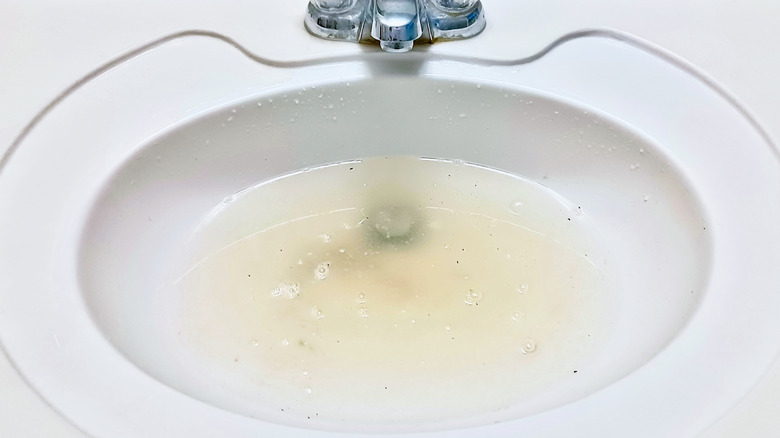
When the mercury drops below zero for a long period, you may start to notice that the water in your toilet doesn't refill as quickly as it should after a flush. You may also notice that your sink is not draining quite as quick as it usually does. In both cases, you may not be dealing with a typical blockage — there could be frozen water in the pipes. While sinks and toilets can block for a variety of reasons, if you find that the slow drainage is not only isolated to one of them but to a few, and if the temperature has dropped, it could be frozen plumbing. If you can smell something is off as well, then the chances of it being an ice blockage increase.
To work out if it's a more traditional blockage or the frozen kind, take a look around to see if you can find any frost on the areas that are exposed to the colder temperatures. Even if you don't see any frost, you can also try feeling along the pipe to check if there are icy sections where water may have started to freeze. If it's an ice blockage, gently warm the section of pipe. Once you've successfully cleared the blockage, let your faucets run for a bit to try to remove any leftover frozen water that may still be in the pipe. Make sure to check for any cracks or leaks in the pipe once you're done.
Unusual noises are coming from your pipes
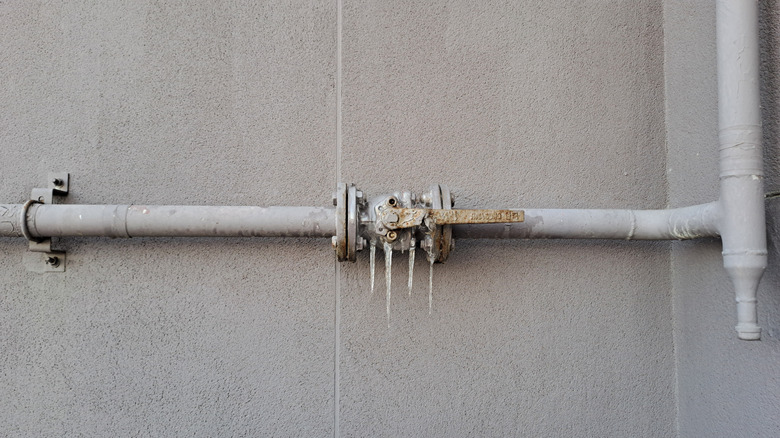
If your home is starting to generate unusual sounds that you can't blame on the kids and their new-found inspiration to start a rock group, it's best that you don't ignore it. Homes make common creaks and groans of all types, but if a new sound coincides with a cold spell, it's a good idea to take a closer look at the pipes around your home, especially those that are exposed to the elements. Water may have frozen in your pipes, which is restricting flow. As the water tries to move through the ice blockage, you might hear whistling, banging, gurgling, or bubbling noises. As the blockage increases, so does the pressure, which can elevate these sounds.
If you ignore these noises and put them down to some of the home's character, if there is an ice blockage, you may be in for some trouble. As the blockage forms, the pressure will start to build inside the pipes. Left unattended, this could result in cracks in the piping or a full-blown rupture. Start by opening the faucet slightly to help relieve some of the pressure, and then try to locate the source of the noise. If you find frost in that area, use the same gentle warming technique that we mentioned above. For any leaks that accompany this noise, you'll want to call in the plumber as quick as possible. If these noises are coming from the garage, make sure to keep all doors closed to hold the warmth inside.
Reduced water pressure
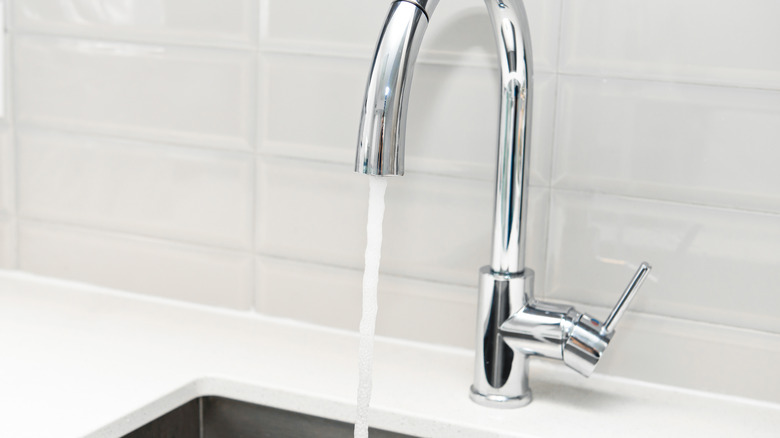
While a trickle coming out of your tap is an easy problem to identify, there are other more subtle signs that you need to look out for. One of these is when you experience a drop in water pressure around the home during the winter months. If this happens, your pipes could be in the process of freezing. While water is still passing through the system, the slight blockage reduces the pressure so that when it eventually comes out the faucet, it's lacking the oomph you may be used to. What's good about picking up this issue early is that you can tackle it before a more serious blockage happens.
Start by taking a closer look at the pipes outside your home as well as those in colder areas inside, like the basement or garage. Look for the frost sign that we covered above or for areas on the piping where you can see condensation. Once located, take a hairdryer or warm towels, and use them to slowly warm up the section of the pipe. If you find that there is a section of piping in a kitchen or bathroom cabinet that is starting to freeze, leaving the doors of the cabinet open will help to let warm air into the closed space. If you can't find the frozen area, it's best to call in your local plumber, who will have the right tools and experience for the job.
Water damage or damp spots
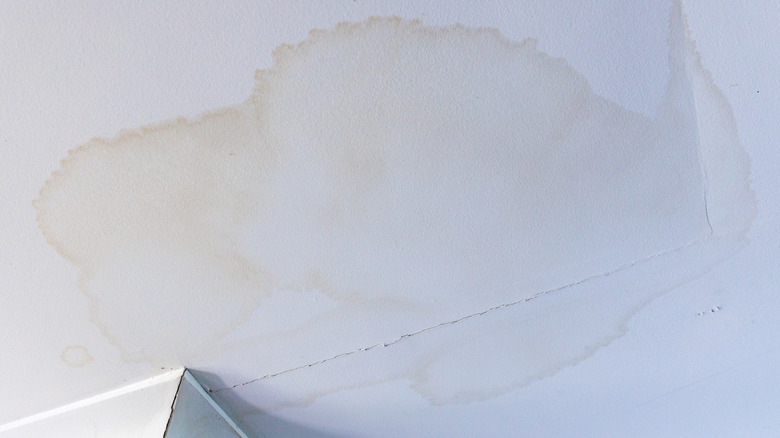
During the winter months, it's always a good idea to take a look around your home for any water damage, especially where you know there is plumbing. What you'll want to check for is damp spots on drywalling, puddling under the vanities in your bathroom, or dripping under the kitchen sink. Even if you don't have any of the other visible signs, like bulging or frost, and you can't hear any unusual noises, there could be an issue building up within the walls of your home. What may have happened is that a frozen water blockage has caused a crack in your pipes as the water has expanded. It could be that the frozen plug is still in place, or it may have cleared on its own, but not before causing some damage.
For this sign of frozen plumbing in your home, you can't simply paint over the issue and hope that it doesn't return. You'll need to have a plumber check the piping to assess where the water leak is coming from and repair it. They'll be able to use moisture meters and infrared scanning to see what our eyes can't. Over and above that, they'll be able to assess why the pipe froze over in the first place. It could be a simple insulation fix to make sure it doesn't happen again. So, if you come across a section of your home with water damage and you know it's not from a leak in the roof, get the professionals in.
High water bills during the winter months
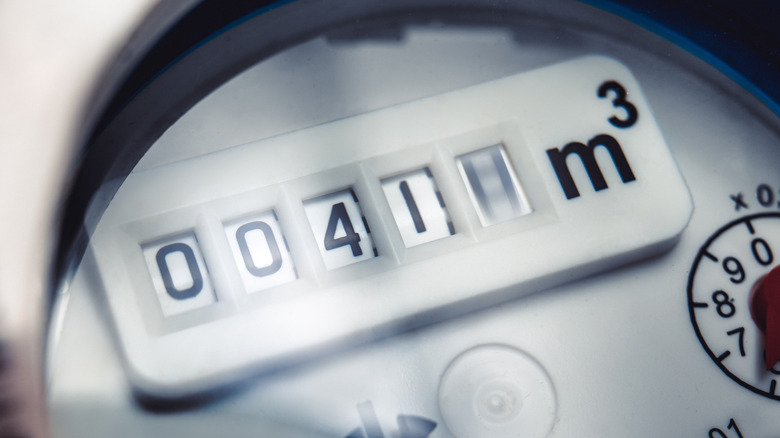
During the coldest weeks of winter, it's not unusual to have a slightly higher than usual water bill. More water may be needed for heating systems, and you may just find that a longer shower is what is needed to warm you up. What you do need to be concerned about, however, is if you find that there are sudden spikes in your monthly water bill, especially if you haven't changed any of your household habits. An unusually high water bill during a cold spell could mean that water has frozen in your pipes and expanded to the point where a crack or burst has happened. As this can happen under your flooring or underground, you may not ever see the leak, and so it goes undetected. Until, of course, you take a closer look at your water bill. Even if it's a small fracture, over time it can leak gallons of water, which will be reflected in your bill.
Unfortunately, unless you're a licensed plumber yourself, you'll need to call in your local professional who will be able to detect exactly where the leak may have occurred. Even if you are willing to take on the added monthly cost, the leak may be causing more than just billing issues. As the water leaks underground, in serious cases there may be soil erosion, which could lead to structural issues. You are far better off having it looked at so that you can get to the source.
Mold or mildew growth near your pipes
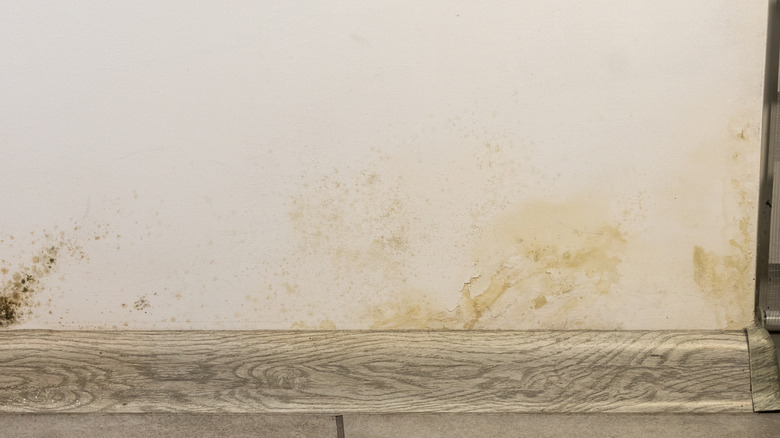
Another sign of a frozen pipe can be mold or mildew starting to grow near your pipes. This is often on the drywall that the pipes are positioned alongside or on the floorboards below the plumbing. This is another case of the expanding frozen water causing damage to the pipe, leading to a crack or a break in a joint. In this scenario, don't expect gushing water, but rather a slow and steady drip that causes moisture to build up on the walls or flooring. As your plumbing is most often located in dark areas with little to no airflow, when water enters the mix, the perfect breeding ground for mold and mildew is created. Even if there isn't an actual leak, the condensation that can build up when there is an icy blockage will achieve the same result.
It's a good idea to take a torch during the winter months and take a look at the piping in the hidden areas of your home that you're able to reach. The common areas are basements, garages, and the cabinets in your kitchen and bathroom. If you do find a spot of mold near your piping, if it's possible, take a closer look at the pipe to check for condensation and to feel if it is unusually cold. You can use the gentle warming method if you do find an exposed pipe with an ice blockage. If it's mold on the wall with pipes set within it, you'll need to call your plumber, unfortunately.
Your dishwasher or washing machine isn't functioning properly
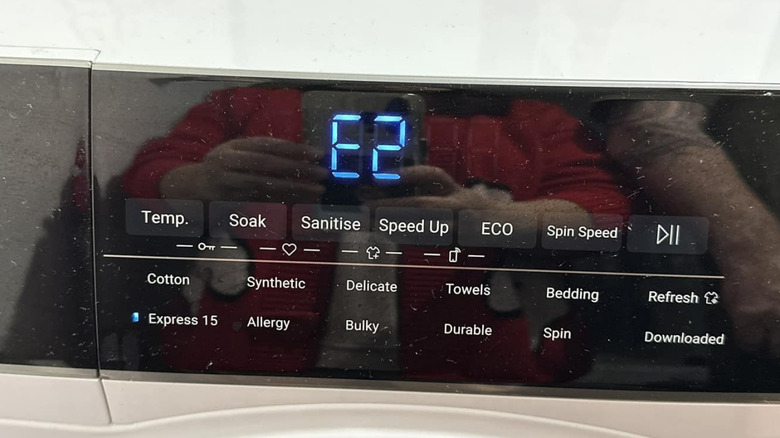
While modern appliances today are embedded with all sorts of technology, like remote on/off and eco-friendly innovation, they still rely on the basics of physics to get your whites white and your colors bright. We're talking water, and when they don't get this important ingredient for a thorough wash, they'll stop working properly. If you have an older machine, it could simply not function, or, for the more modern appliances, you may get an error code or message on the display. If this is due to no water in the machine, and the rest of the faucets are flowing with no issue, there may be a blockage in the pipe that feeds the washing machine or dishwasher.
The reason the appliance won't function is not because it's being stubborn, but rather to avoid damage. This is to save the motor and other electronics from burning out, so don't ignore it. What you'll need to do in this instance is check the pipes that run into the machine, usually coming from areas of less insulation. If you've found a leak or cracked pipe, it's time to turn off the main water valve and call in the plumber.