

Don't Start Coneflowers From Seed. Here's Why
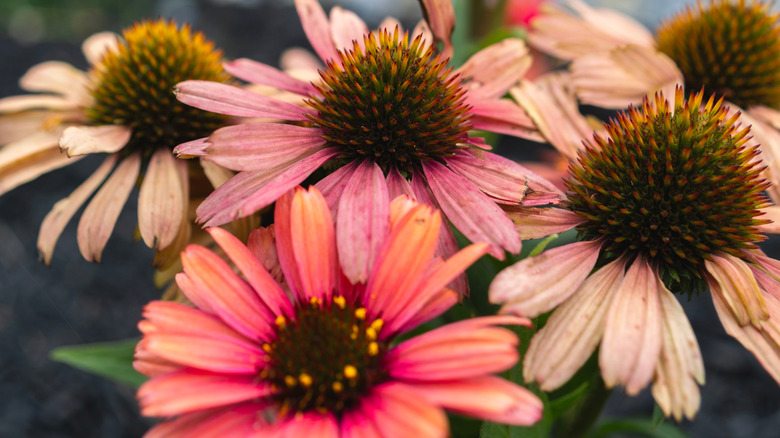
If you're looking for a hardy, colorful perennial that keeps your garden buzzing with life, coneflowers (Echinacea) are hard to beat, but they may be more difficult to plant than you thought. These daisy-like perennials grow in USDA Hardiness Zones 3 to 9 and boast blooms that are usually a purplish pink color, but they can also come in white, orange, and yellow. With proper care, you can expect your coneflowers to bloom from summer through fall, attracting pollinators and birds. In the spring, they bring bees and butterflies with their nectar-rich centers. In the fall, when they go to seed, they bring all sorts of hungry visitors to your yard. Coneflowers are also drought-tolerant and can thrive in a variety of soils — once they are established, that is. Unfortunately, if you are trying to start them from seed, you may not get that far.
Coneflowers are usually considered easy to care for, so it can surprise beginner gardeners to hear that they can be difficult to get started. Growing coneflowers from seed may take more patience than you expect because they require cold stratification. That means exposing the seed to cold, moist conditions for an extended period of time to encourage germination. Sometimes, this can be achieved by sowing seeds outdoors in the late fall, but some gardeners opt to store them in the refrigerator for several weeks for spring planting. However, cold isn't the only thing these seeds need to thrive. They also need consistent moisture and light. Plus, after all that work, you likely won't see blooms from your plants until at least the second year, so you may end up waiting all that time just to discover that your efforts were wasted if they never bloom due to a minor mistake early on.
The best seed-free alternative for starting
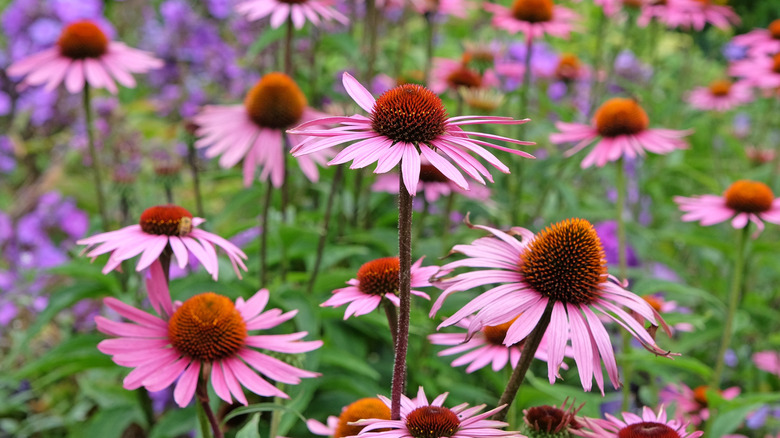
Instead of wasting all that time and effort, you can start with nursery-grown coneflower plants instead of seeds. Buying established plants allows you to skip the stratification process entirely and gives you a strong headstart with the confidence that you will get blooms right away. You can also plant herbs next to your coneflowers to fill your garden with pollinators. Plant nursery plants in the spring or early fall in a location that gets at least six hours of sunlight daily. Coneflowers can tolerate partial shade, but they will likely produce fewer blooms.
Instead of worrying about cold exposure, humidity, and consistent lighting over the course of weeks or months, all you need to worry about with nursery plants is placement and water. Once you select a place with adequate sunlight, check to make sure it has well-draining soil. While coneflowers aren't picky about soil, they don't like soggy conditions. Space plants about 1 to 3 feet apart. Water regularly until the roots are established, usually within the first growing season. Most of the time, you can expect to see blooms the same year you plant nursery plants. Once they are established, coneflowers are self-seeding, so you won't have to worry about doing it all over again. In fact, coneflowers can last literal decades in your garden.