

15 Outdoor Power Tools To Have On Hand For A Spring-Ready Yard & Garden
We may receive a commission on purchases made from links.
After a long, hard winter, nothing feels quite as uplifting as the first few spring-like days. If thoughts of green grass, bright blooms, and getting your hands dirty in the garden have you itching to get outside, now is the perfect time to take stock of your lawn and garden power equipment. That way, your tools will be ready to go when it's time to care for your yard. While a mower, string trimmer, and pressure washer may be in your usual lineup, more specialized tools, such as leaf mulchers and hedge trimmers, may also be worthy of a spot in your tool shed for a spring-ready lawn and garden.
There's a lot that goes into maintaining a lush lawn and thriving garden, from removing old leaves and debris to washing down patios to dealing with the plants you should be pruning in spring to keep them happy and healthy. Fortunately, power tools make the jobs more efficient. While you certainly don't need every tool known to man, the right ones can make for an easy spring backyard cleanup and prep for years to come.
Leaf mulcher
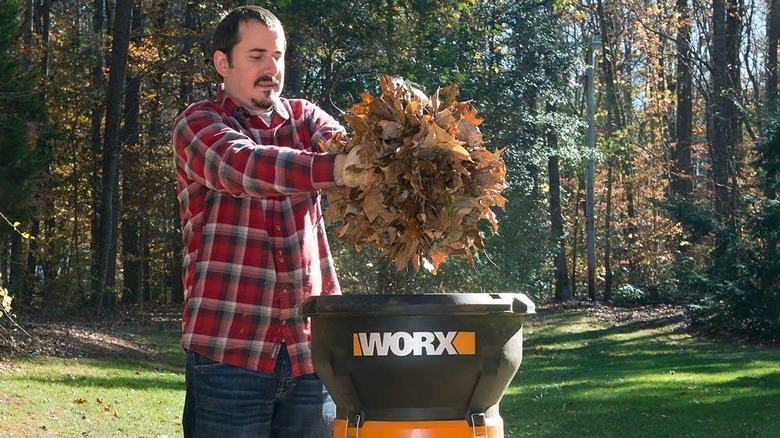
One of spring's biggest outdoor jobs is cleaning leaves and debris that have been buried under the snow. That's where a leaf mulcher comes in — it shreds leaves into mulch that you can use in your garden or landscaping. They're available in stationary designs (like this Worx electric leaf mulcher), allowing users to pick up leaves and feed them into the mulcher's intake, or leaf mulcher vacs, which suck up leaves before shredding them into tiny bits. As an added benefit, the mulch they produce can add nutrients to the soil and help it retain moisture, benefiting plants.
String trimmer
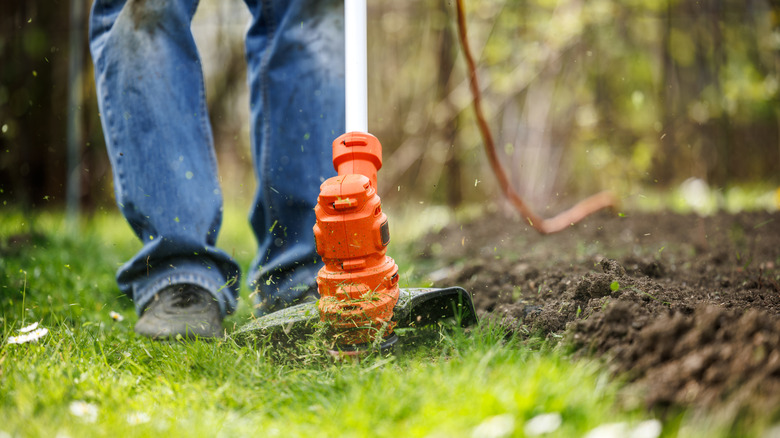
A string trimmer, or weed whacker, is a key outdoor power tool for backyard cleanup and lawn maintenance. These tools can be powered by gas, electricity, or a rechargeable battery and feature a rotating string to cut grass and weeds. A battery-powered or electric string trimmer is best suited for smaller yards, while a gas-powered string trimmer handles larger lawns. Use your string trimmer to knock down overgrown areas of your garden, eliminate weedy areas, or even remove dead plants from the previous year.
Hedge trimmer
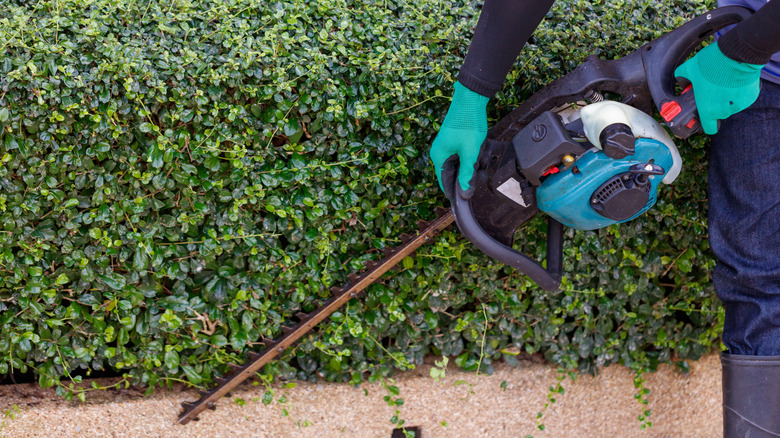
If your landscape is covered in shrubs or bushes, a hedge trimmer may be worth the investment. While it's possible to trim shrubs with hedge shears or clippers, the process of manually snipping through multiple plants can be hard on the body. A powered hedge trimmer relies on gas, batteries, or electricity, along with a cutting bar, to quickly slash through hedges, making shaping easier. It's important to consider the model's weight, blades, and power source before making a purchase. You want something that feels comfortable to use but has enough power to tackle the task at hand.
Pruner
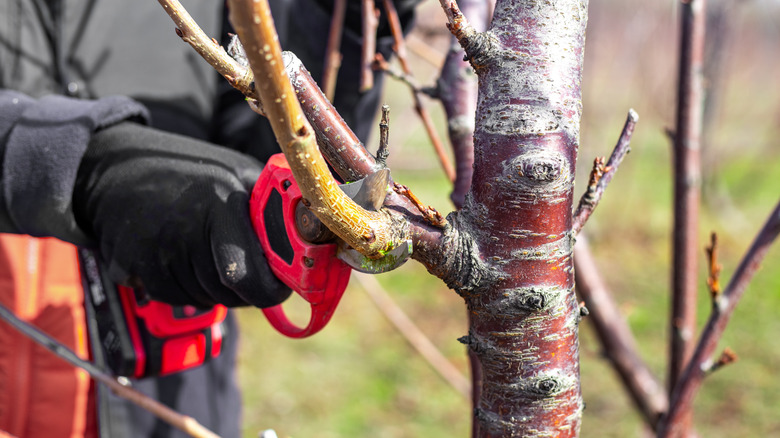
Pruning is an important aspect of keeping a neat and healthy garden — you often need to snip away dead or overgrown branches and stems. If you have a lot of large perennials, shrubs, or small ornamental trees, electric pruners might just be the power tool you didn't know you needed. They feature rechargeable batteries, allowing you to quickly snip branches up to ¾ inches thick without the usual hand fatigue. Since you're not relying solely on hand strength to complete the job, this task also becomes much quicker.
Leaf blower
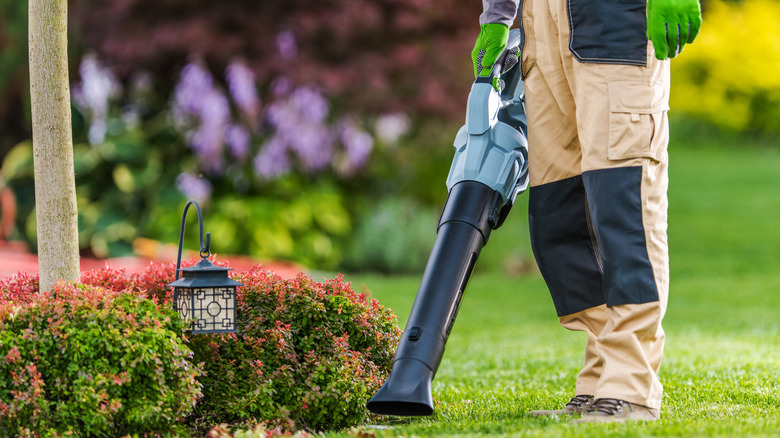
Leaf blowers are for more than just moving leaves (although they're certainly handy for that). Use them to clean decks and patios, clear leaves from gutters, and blow weeds and sticks into a pile after weed-whacking or pruning trees and bushes. There are a few good leaf blower brands that will leave your yard spick and span, and, fortunately, these tools are available in multiple power sources. Whether you're looking for a super powerful gas model, a rechargeable battery-powered blower, or an electric model you can plug into an outlet, there's a leaf blower to meet your needs.
Pressure washer
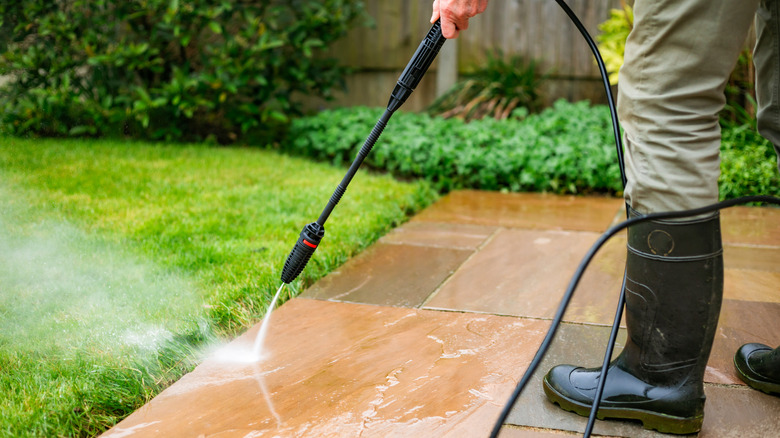
After you've cleared debris from your patio, it may appear dingy. A quick clean with a pressure washer will get it looking new again. But this tool isn't just for cleaning concrete. Although there are precautions to take when pressure washing your house, it can remove dirt, mold, and mildew from your siding, giving your home a fresh, clean slate. You can also use it to freshen some types of outdoor furniture, sidewalks, and driveways. With so many uses, this versatile tool deserves a spot in your shed.
Chemical sprayer
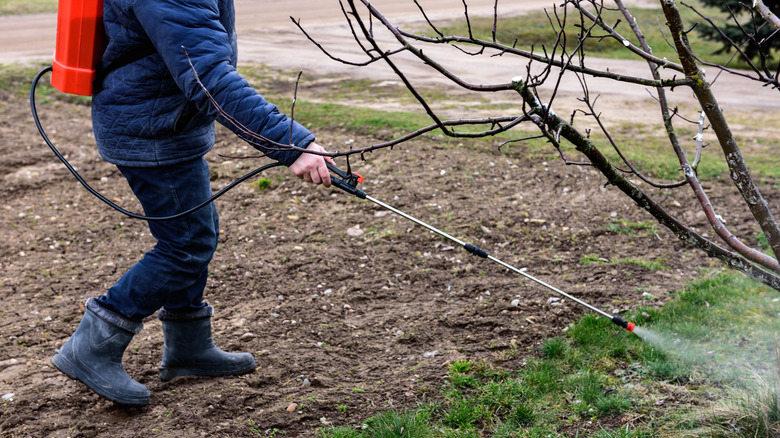
If you've been using a hand pump sprayer but are looking for something more efficient and less taxing on the body, consider a battery-powered backpack sprayer this year. Since they rely on a battery for power, they offer consistent pressure for spraying — no manual pumping needed. You can use them to apply liquid fertilizers, fungicides, insecticides, and weed killers. The battery life and tank size will vary by model. Choose one with an appropriately sized tank and enough power and/or interchangeable batteries, so you have ample time to complete your lawn and garden chores.
Chainsaw
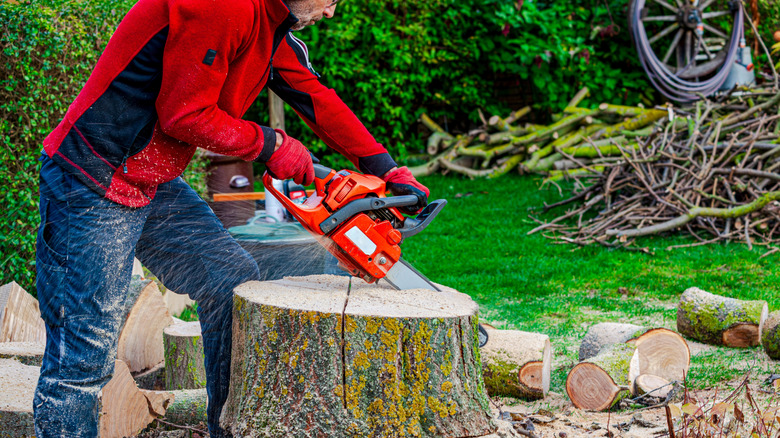
Chainsaws come in handy when you have large trees or limbs to remove. While this power tool isn't a good fit for everyone and should be used with careful safety precautions, it's a nice-to-have piece of equipment if you live in a heavily wooded area. It's especially helpful if part of your spring yard cleanup includes removing fallen trees. Chainsaws come in many sizes and are available in electric-corded, battery-powered, and gas-powered versions, although gas chainsaws are best suited for tougher jobs. Battery-powered chainsaws are lighter and, therefore, easier to handle, but they are limited by battery life.
Pole saw
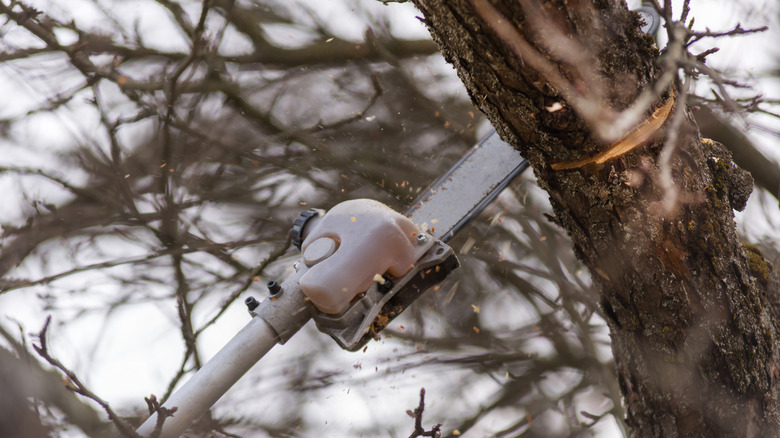
While chainsaws are great for felling trees and cutting wood, a pole saw proves useful for tackling hard-to-reach limbs. These power tools feature a chainsaw-like cutting head mounted on a telescopic pole. They give the reach needed to trim high tree branches from the ground, eliminating the need to climb a ladder while holding a saw. Pole saws are useful if your yard is covered in trees, especially during spring, when heavy storms are likely, as they provide a way to trim dead or hanging branches. They're available in corded electric, cordless battery-powered, and gas-powered options.
Stump grinder
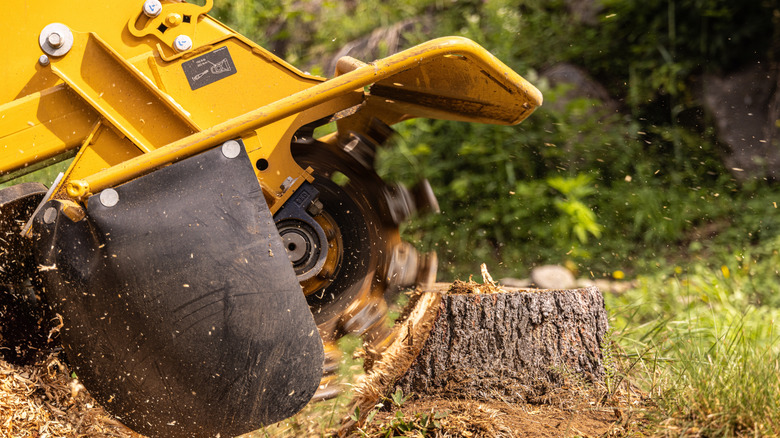
A stump grinder certainly doesn't need to be in every homeowner's tool shed, but if you have obtrusive stumps in your yard or are planning on cutting down trees, it may be worth the investment. These tools use a rotating blade to cut a stump into tiny wood carvings, allowing it to be cut below ground level. Because stump grinders are expensive, it may make more sense to rent equipment or hire out the job for one or two stumps. However, if you anticipate needing this equipment on an ongoing basis, purchasing may be the better option.
Garden tiller/cultivator
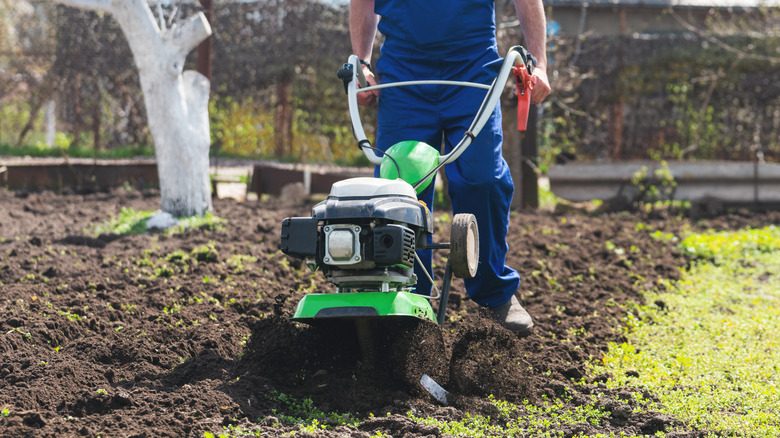
If a large garden or new flowerbeds are on your spring to-do list, consider adding a garden tiller or cultivator to your power tool collection. A garden tiller is a gas-powered machine with large tines that works through and loosens soil, creating new garden beds. Cultivators are more like mini tillers. These small machines are ideal for loosening soil in already existing flower beds and gardens. You can also use them to remove weeds between garden rows. If you have an existing garden, especially if it's on the smaller side, a cultivator should meet your needs.
Drill with plant auger attachments
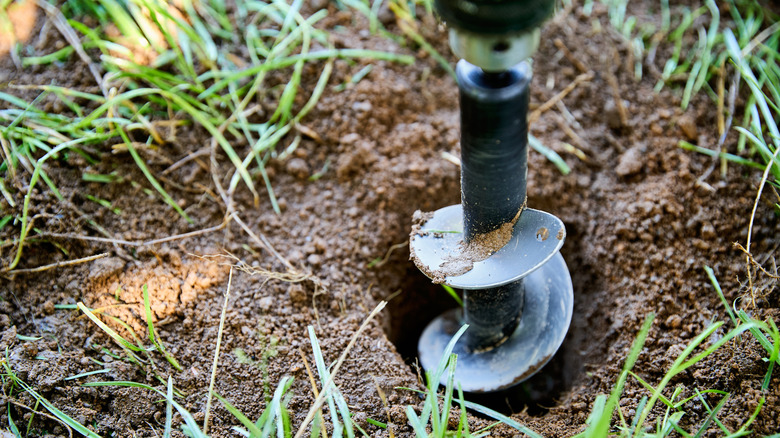
Manually digging holes to plant gardens and landscaping beds can be backbreaking work. Fortunately, a drill with plant auger attachments makes the job more efficient. These attachments fit most standard drills and come in many sizes, making it easy to match the attachment to the job. They feature spiral ends that dig into the ground, creating perfect-sized holes for your plants. After tilling or cultivating, use one of these attachments to make quick work of planting. Consider collecting multiple sizes to meet all of your plating needs; you'll be happy to have them on hand.
Lawn aerator
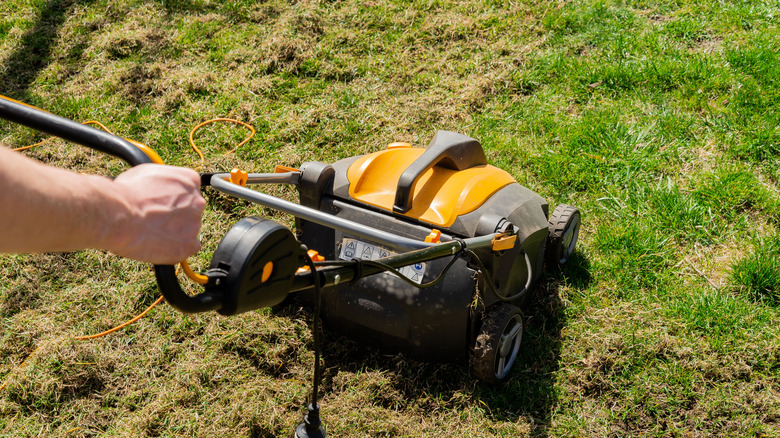
Aerating your lawn removes compacted soil so that nutrients, water, and air can more freely move through the grass. There are many types of aerators, from power models you push to manual rolling aerators suitable for small yards, to pull-behind options you can attach to a tractor or riding lawn mower. Some power aerators can also dethatch, pulling the matted layers of grass from the lawn. If you have cool-season grass, one of the best times to aerate your lawn is early spring, and if you have warm-season grass, you can save this chore for late spring.
Mower
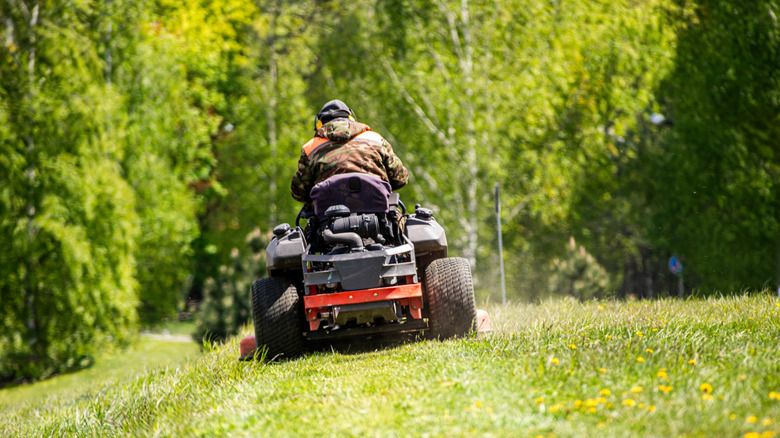
No spring power tool collection is complete without a mower. After all, your curb appeal will be lacking if your lawn is overgrown. When the temperatures consistently warm above 40 degrees Fahrenheit and the grass is dry and growing, it's time for the first mowing of the season. There is no right or wrong type of mower; the best fit depends upon yard size and personal preferences. However, if you're in the market for something new and wondering what the most popular lawn mower brand in the USA is, John Deere is consistently ranked number one.
Lawn edger
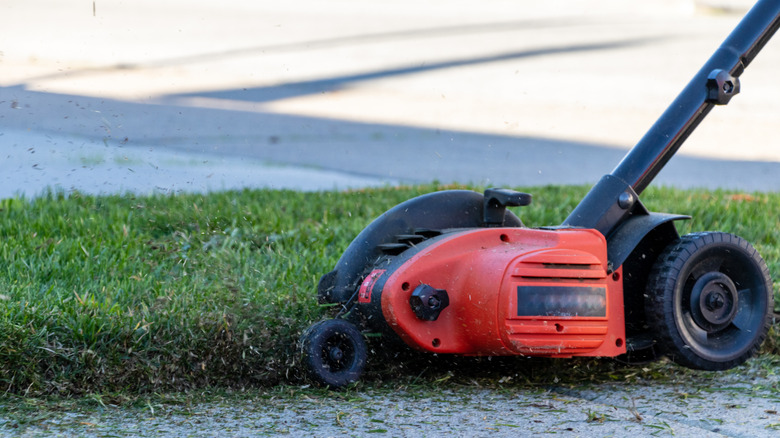
While a mower cuts grass to the desired height, an edger puts the finishing touches on your lawn by creating defined lines near features, such as flowerbeds, borders, sidewalks, and driveways. A manual edger can work for a small yard, but consider a power option when you have a lot of finishing work to do. These tools run on gas, batteries, or electricity and feature vertical blades that cut into soil, creating defined lines between grass and other features. If your yard looks incomplete after mowing, an edger can help you achieve a manicured look.