

Plant This Red Flower To Attract Hummingbirds All Summer & Into Fall
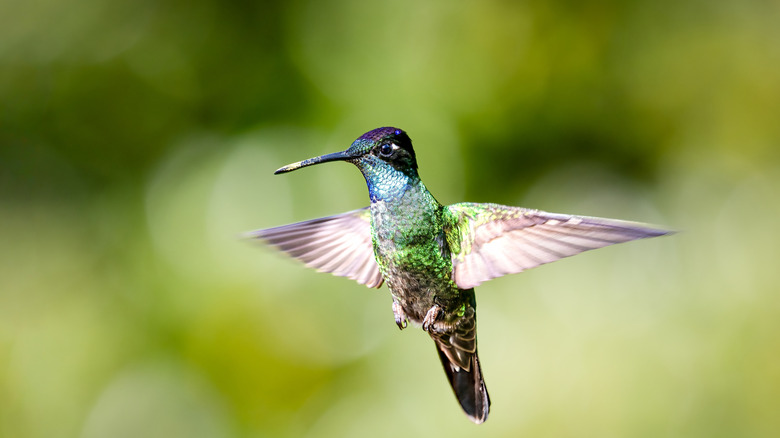
You've done it: you designed your dream gardenscape, researched and added the right plants — you've even learned how to gather seeds from your annuals to grow next year. Still, looking out at the fruits of your labor — all those beautiful, eye-catching blooms — you may feel like something is missing. Native wildlife helps give your garden whimsy, developing character that's unique to your backyard, and by planting this "lucky" red flower, you could attract more hummingbirds to enjoy the wildlife you're missing. What is the mystery flower? 'Red Little Lucky' Lantana (Lantana camara 'Balluced').
Now, 'Red Little Lucky' may not bring actual luck to your garden, but its show-stopping flowers can attract various pollinators. This includes butterflies and hummingbirds. It offers vibrant red blooms, but you may also see orange and yellow flowers, making this plant as colorful as it is easy to grow. As a result, if you're looking to start your own pollinator-friendly garden and want to balance visual appeal with wildlife allure, 'Red Little Lucky' can be the perfect place to start.
How to grow 'Red Little Lucky' Lantana
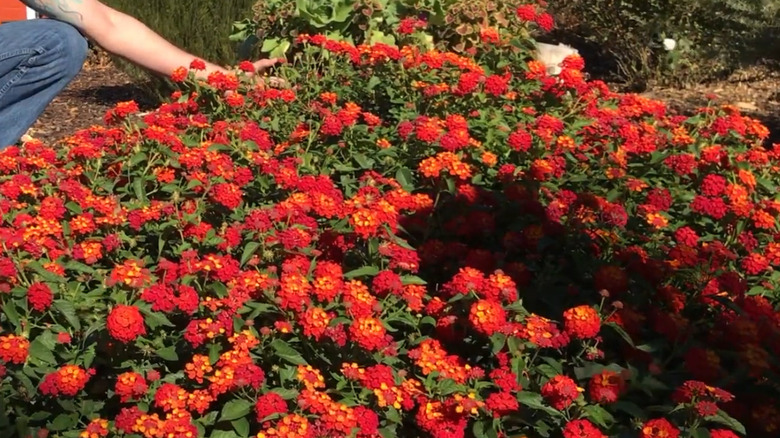
If it's your first time growing flowers specifically for hummingbirds and other pollinators, don't stress — 'Red Little Lucky' Lantana is tough enough to be forgiving of mistakes. It's resistant to disease and pests, and it sports a tolerance to heat. It's also drought-tolerant. However, as durable as this flower is, you'll want to make sure you give it the right conditions to thrive, especially if you want to attract pollinators. 'Red Little Lucky' is only winter-hardy in zones 10 and 11, but it can be grown as an annual further north.
For light and water requirements, 'Red Little Lucky' thrives in full sun. If you're looking for a monochromatic pollinator garden, consider planting it beside this sun-loving stunning red flower that also attracts hummingbirds. While 'Red Little Lucky' does grow best when exposed to higher humidity, it doesn't do well when water is left pooling around its roots. In fact, this can lead to rot. Because of this, ensure that the soil is well-draining, and opt for quality over quantity when it comes to watering this flower.
Day-to-day care with this Lantana cultivar is relatively simple. For fertilizer, feed this plant throughout its growing season in the spring and summer, ensuring that it has plenty of nutrients for those pollinator-magnet blooms. If you want to reshape your plant from pruning, do so as needed, being cautious not to over-prune and cause stress to your plant.