

Think Twice About Plugging These Things Into A Generator
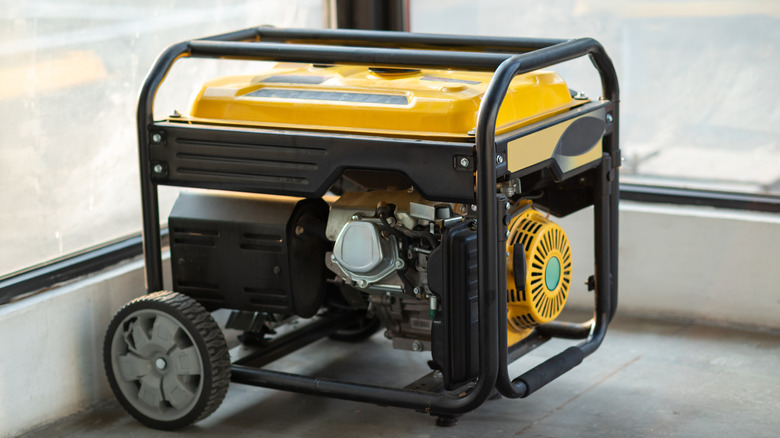
When the power goes out, remembering that you have a generator on hand will give you a sigh of relief. Whether you have a portable or standby generator, these devices ensure you can still run a few essentials in your home during a power outage, like your fridge, lights, and HVAC systems. However, there are a few do's and don'ts for using a generator safely. You may already know that a generator should only be operated outdoors, but the type of devices and appliances you plug into it also matters. As tempting as it may be to power your non-essentials like the TV, espresso machine, and phone chargers with a generator, you should not plug these devices into the machine unless you've done your homework and are taking proper precautions. Devices with circuit boards, like your smartphone, TV, tablets, and smart appliances can be harmed by the type of power many generators produce. Meanwhile, devices that produce heat can cause damage to the generator.
That said, newer, inverter generators are much safer to use with gadgets that have a circuit board. And thankfully, there are certain pieces of equipment you can use alongside your conventional generator to make it safe for powering various device types. These include surge protectors and uninterruptible power supply (UPS) units, which filter the electricity a generator produces. If you've never owned a generator before, here's everything you need to know about getting your first one.
Computers

If you have a conventional generator (most older models are), do not use it to power your computer or laptop. These generators produce "dirty power," which is dangerous for devices with circuit boards because it can fluctuate, surge, sag, and undergo harmonic distortion. This type of power can damage or completely ruin a laptop. On the other hand, an inverter generator, which produces clean, stable power, can help you safely charge your laptop during a blackout.
Gaming consoles
If you're hoping to play video games while waiting out the blackout, think again. Your rich, complex gaming experience is possible thanks to equally sophisticated circuitry sitting inside your gaming console. Plug it into a conventional, dirty-power generator, and the power and voltage fluctuations will degrade the delicate wiring over time (or fry it altogether). Inverter generators may be on the pricier side, but they'll power your gaming system without leaving you worried about potential circuit board damage.
Televisions
It's generally not recommended to plug a television into a generator, specifically if you have a conventional model. Once again, the unstable dirty power can cause your TV to experience surges or sags in power, which can damage the electronics. Plus, the fluctuations will interfere with the picture and sound quality. If you need to use your TV with a conventional generator, make sure to connect it to a voltage regulator or a surge protector. Otherwise, opt for an inverter generator to ensure a stable power input.
Toasters
Devices that have a heating element, like your toaster, should not be plugged into a generator. These appliances need to build power quickly to produce heat, and they draw a large amount of current quickly when in operation. When you plug one in, the sudden surge can strain your generator and damage it. Unless you know for a fact that the generator is properly sized and its power rating is higher than the toaster's wattage, do not use the appliance until after the blackout. You should also avoid plugging your toaster into power strips connected to a generator.
Electric kettles
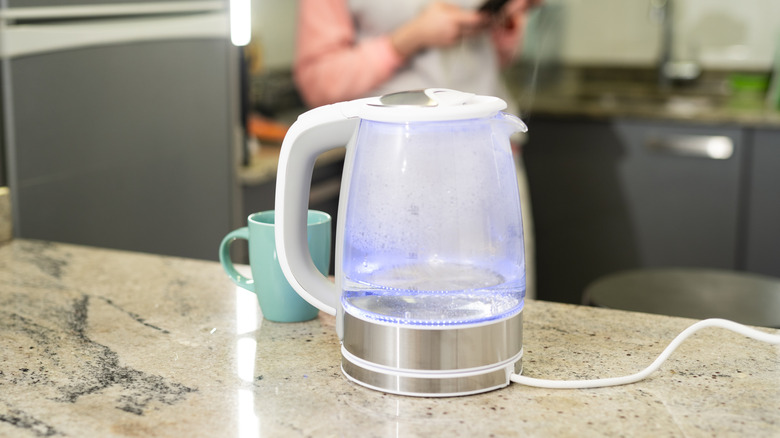
If your generator has a small wattage rating, you should avoid using it for heat-producing appliances like electric kettles. These kettles draw a significant amount of power, and the resulting surge can damage the generator. As with all appliances, make sure to double check the power your generator can handle versus the power needed to turn on your appliance.
Coffee machine

As tempting as it may be to plug your beloved coffee machine into a generator to make a quick cup of coffee during a power outage, it's generally not recommended to do so. If you have a smaller-sized generator, a heat-producing appliance like a coffee machine can easily overwhelm your generator if it exceeds its wattage capacity. Like a toaster, a coffee machine should never be plugged into a power strip due to the risk of fire.
Space heaters
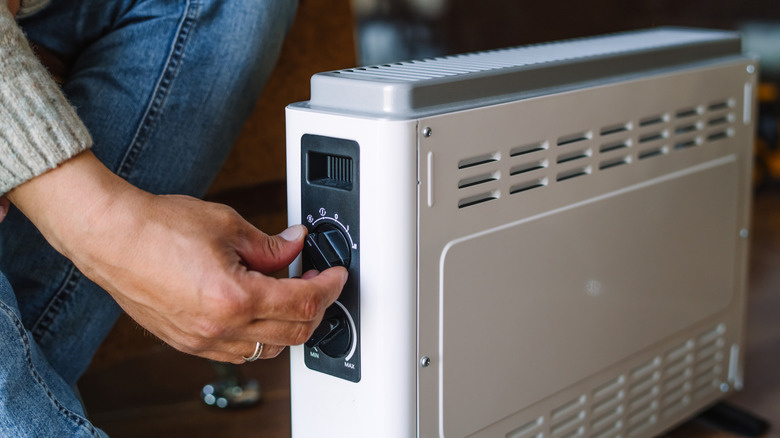
A space heater must never be powered by a generator unless it's properly sized and can handle the load. Since heaters, like other appliances with a power-hungry heating element, draw a good deal of power, they can overload and damage the generator. Space heaters can also overheat cords. So, when in use, space heaters should also always be plugged into a wall outlet and never into a power strip or an extension cord.
Medical gear
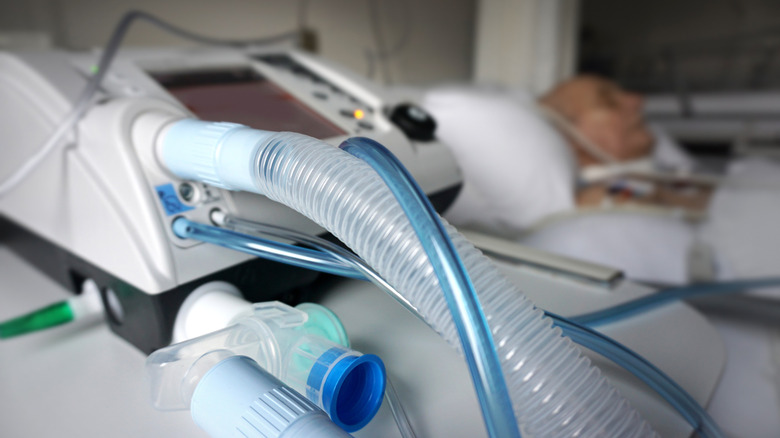
If you have medical gear you need to power during an outage, you should not rely on a conventional generator. The instability of dirty power can cause device malfunctions, which, when it comes to medical necessities and life-powering equipment, you shouldn't risk. With medical devices like ventilators, oxygen concentrators, and CPAP or BiPAP machines, you should always use an inverter generator or a UPS, which basically serves as a back-up battery. If using the UPS, you can rely on your generator to charge it.