

The Fast-Growing, Self-Seeding Flower That Acts Like A Perennial
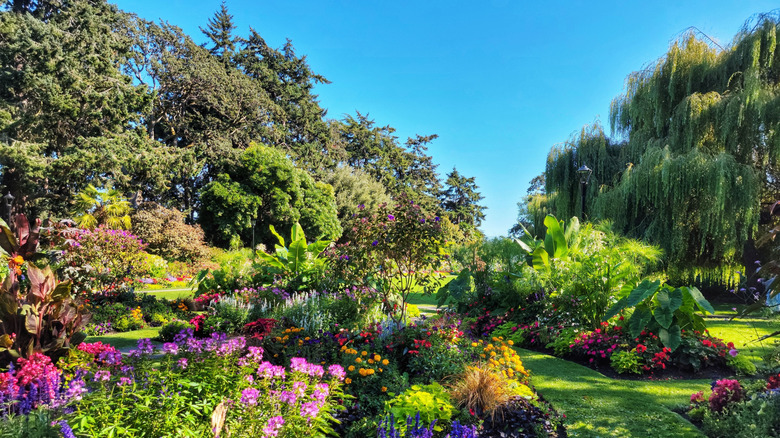
Why spend time sowing annuals each year when you can sow a gorgeous self-seeding flower that acts like a perennial? The spider flower (Cleome houtteana) is a fast-growing annual with powerful self-seeding capabilities. It's not a perennial, but it reproduces by seed so readily that you'd think it is. Plant a spider flower or two in the garden this year, and you'll have seedlings sprouting up for years to come. The blooming tropical native will make your yard irresistible to hummingbirds, and you'll love the floral display. Because of its self-seeding habit, this annual is ideal for open spaces where it has room to spread.
Spider flowers are tall and shrubby. They have many branches, palmate leaves, and stems with small, prickly spines. They're also covered in a sticky substance and emit a strong — though not unpleasant — aroma. Wear gloves, one of the most essential gardening tools, to protect yourself when tending these plants. Their bushy structure and 3- to 6-foot height of spider flowers make them perfect for garden bed backdrops. Surface-sow seeds behind your short annuals and perennials, and they'll quickly mature to provide a lush background during the growing season. Plants will reseed without help, but the seeds need cold temperatures during winter to sprout in the spring. They drop from pods that open when dry.
The only downside of spider flower volunteer seedlings is the blossom color — it's difficult to predict what color blooms a plant will produce. Most seedlings follow their parents in their second year, but they will all eventually produce pinkish flowers. This is excellent news if you like pink! If you want diverse bloom colors, you'll need to plant new varieties each year.
How to cultivate quick-sprouting spider flowers in your garden
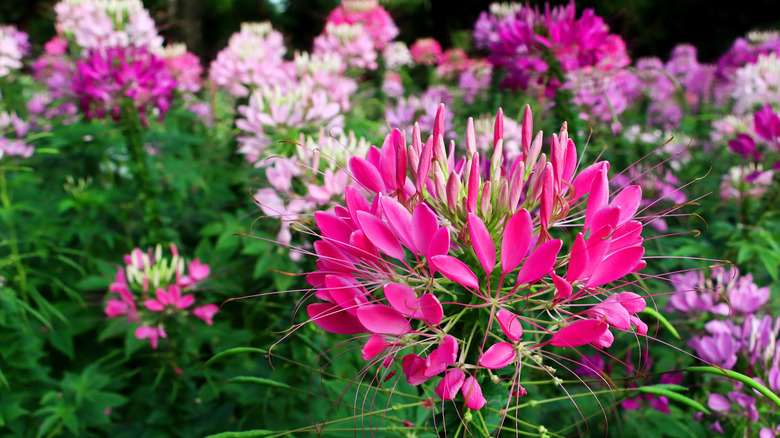
Self-seeding flowers will effortlessly fill your yard with color, but you should consider their mature size when planning your garden layout. If you plant tall, fast-growing spider flowers near other perennials, they can quickly crowd the space, creating less-than-ideal growing conditions for your other greenery. The solution? Mix in some shorter spider flower varieties. If you want these plants everywhere, then by all means, let them reseed as they please. Otherwise, plant them in groups in spots they won't interfere with or crowd out your existing plants.
Spider flowers will survive all year in USDA Hardiness Zones 10 to 11, though they'll likely reseed in colder zones. Are you unsure if they'll survive in your climate? Try this experiment. Let the seedpods dump their seeds in fall, but collect a few to germinate. If no volunteer plants sprout in spring, you can sow your stored seeds — just be sure to cold stratify them first. Outdoors, direct-sow them in your garden beds in spring. Or surface-sow them indoors six to eight weeks before the last frost date in your region and transplant them after the final frost. The seeds should germinate quickly — in 10 to 14 days.
Whether you're direct-sowing the seeds or planting transplants, choose a full sun spot in your yard. Spider flowers need at least six hours of daily direct sunlight to thrive. The roots prefer moist, well-drained soil without standing water, so water consistently during the growing season. Avoid overwatering, however, as it leads to floppy stems and leaning blooms, as does overfertilizing. Then sit back to enjoy the spider-like blooms that will quickly fill your yard with color, texture, and fragrance.