

Plant This Perennial In March For Bright & Cheerful Spring Blooms
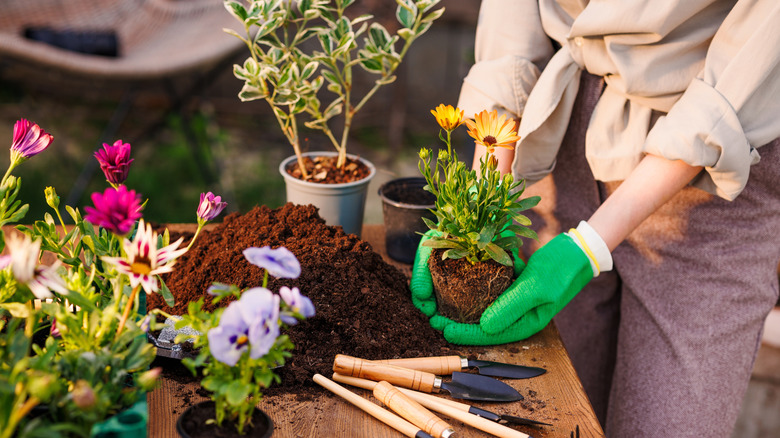
As temperatures slowly begin to rise, it's the perfect time to begin planning your planting schedule for the year. Depending on where you live, low temperatures and frost may not be gone for good, but March still presents a great opportunity to plant a number of perennial plants that will bring timeless beauty to your garden for years. As plant expert Tammy Sons told Real Simple, while it may not seem like it, the weeks leading up to the official first day of spring are perfect for working in the garden, starting with cold-hardy perennials. "March is actually a great time to plant because the ground is beginning to thaw and roots can grow before the heat of summer," Sons explained.
According to Steven Engel of seed breeding company PanAmerican Seed, one particular flower worth planting in March is Bellis perennis, or English daisy. "They are one of the first items planted in the landscape in the spring, as they can withstand the cold and hold up to the extremes of the season," he told Real Simple. Indeed, this pretty perennial can thrive in USDA Hardiness Zones 4 through 8 and only requires partial sunshine to grow. It's a hardy option that will reward your early efforts by bringing cheerful spring blooms to your outdoor space, brightening up any garden with its delicate white and yellow flowers from May through July.
Planting cold-hardy perennials in March
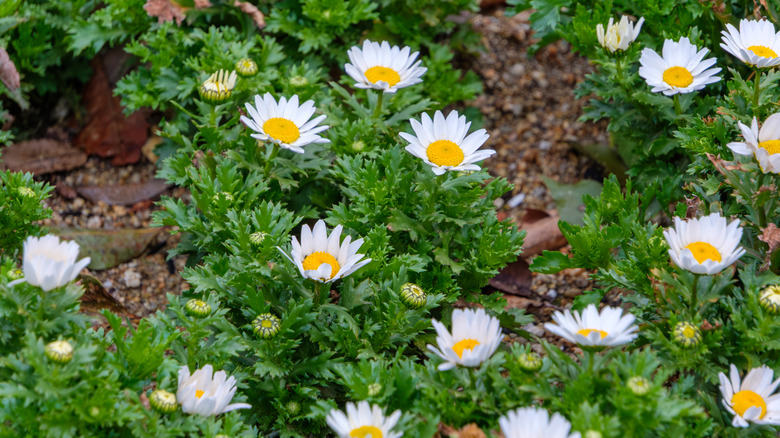
Perennials are a great way to create a low-maintenance flower garden you'll love, and it's not too early to start getting them in the ground. As temperatures slowly begin to rise, the ground softens and becomes hospitable to plants once again. However, it's important to keep in mind that sudden freezes aren't out of the question, so planting in March requires a careful selection of perennials.
The English daisy is a good choice because it's hardy enough to withstand a surprise frost and still thrive. What's more, it requires minimal maintenance and does well in both full sun and partial shade. The most important key to success is to monitor the ground's moisture and not overwater. While English daisies need consistently moist soil, it should still be well drained. This means less watering at the start of its life cycle to avoid root rot, as water won't evaporate or absorb as quickly as it would in the summer.
Come springtime, not only will this classic bloom add charm and whimsy to any garden, but it will also attract important pollinators. And while English daisies will begin to wilt and die off for the season during the summer, deadheading can encourage additional growth, as can placing the plants in partial shade where they will be exposed to less heat throughout the day.