

13 Best Types Of Raspberries To Grow In Your Garden For A Delicious Harvest
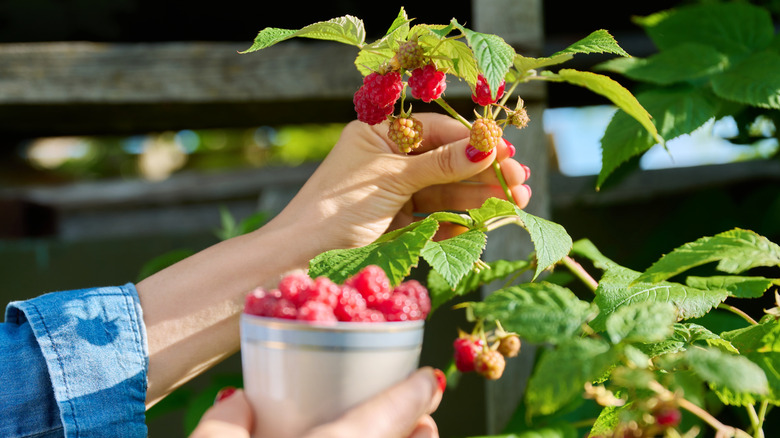
Raspberries are one of the most popular fruits for home gardens, and they are pretty easy to grow. If you care for them right, they can give you impressive yields — up to two decades in some cases. Nevertheless, when it comes to growing raspberries in home gardens, there are plenty of choices. 'Heritage', 'Boyne', 'Killarney', 'Nova', and 'Latham' ... the list just goes on. However, no matter the type of raspberry you grow in your garden, you will only succeed if you give them the right care. Also, keep in mind that there are mainly two types of raspberries: fall-bearing varieties that fruit from August until frost, and summer-bearing types that produce typically raspberries from June to July.
To choose one that best suits your needs, decide which type is best for your region by checking its hardiness zone first to make sure it will grow in your area. While you're at it, make sure to double-check your USDA zone. Because of rising global temperatures, your growing zone may have already changed. It's also a good idea to avoid growing raspberries in soil where you previously grew potatoes, tomatoes, or strawberries as this can make raspberries highly prone to verticillium wilt.
'Heritage'
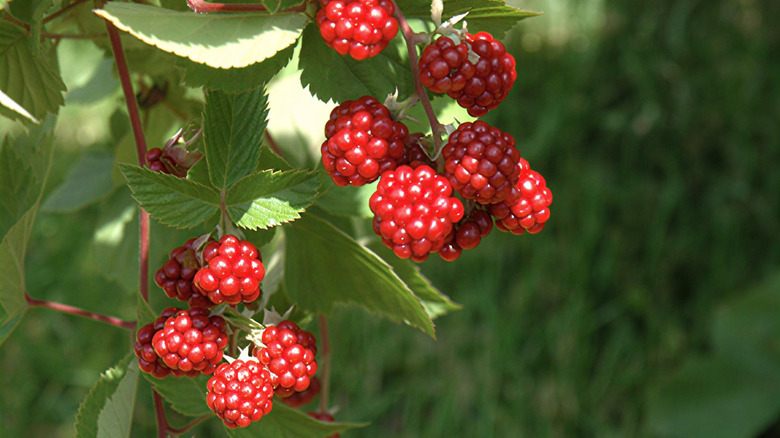
First on the list is the fall-bearing 'Heritage' raspberry. It is arguably one of the tastiest raspberries for USDA Hardiness Zones 4 through 8. It is self-fruitful, meaning it does not need a pollinator. This cultivar produces two crops a year: one small one in summer and one heavy crop in the fall. On top of that, it only grows to about 5 feet tall and 3 feet wide. So, even if you have a small yard, you won't have any trouble growing it in your place. Just make sure to keep it away from salty soils.
'Boyne'
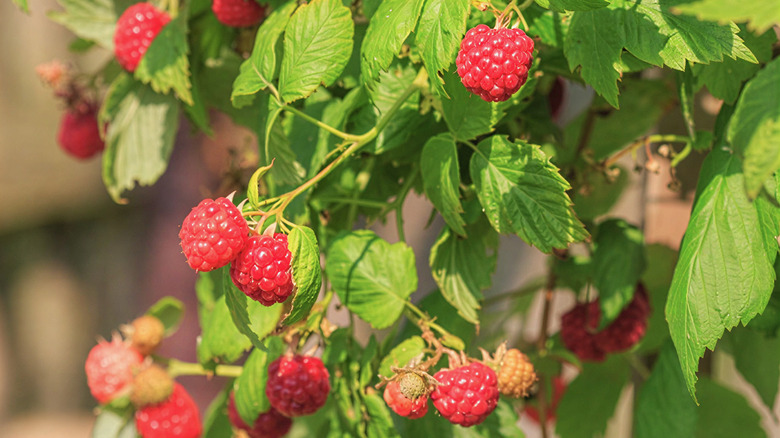
Not a fan of too-sweet fruits? Well, then, the 'Boyne' raspberry should definitely be on your to-grow list. It is only lightly sweet, but has a very classic, deep red color and a pleasantly fragrant scent. Even better? It grows really fast and can live for up to 10 years. It is also quite winter-hardy, growing reliably anywhere from zones 3 to 7 as long as you provide it with full sun and fertile soil. It produces fruit in summer and is very productive and popular, especially in the central and eastern states.
'Caroline'
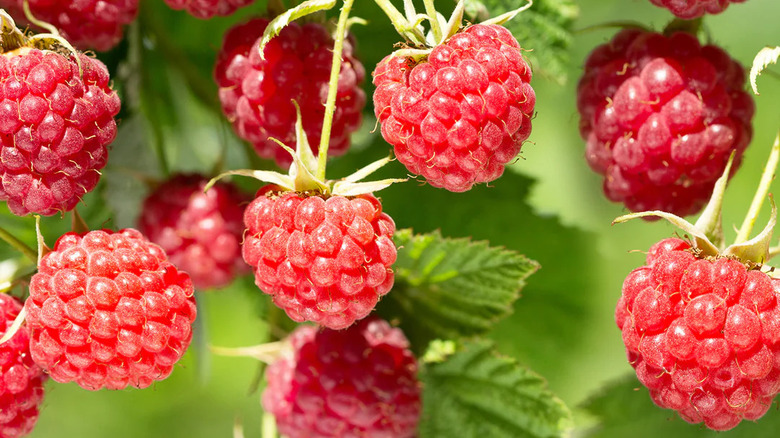
The 'Caroline' raspberry has large fruit, good disease tolerance, and grows dependably in zones 4 through 7. On top of that, it is highly productive. So if you care for it properly, it will reward you with a lot of berries in the fall. Just keep in mind that it does not tolerate heat and drought well. You need to plant it in moist, well-draining soil, especially when the plant is establishing. However, if for any reason you can't water it consistently, it is better to automate your plant watering by installing an individual drip irrigation system.
'Nova'
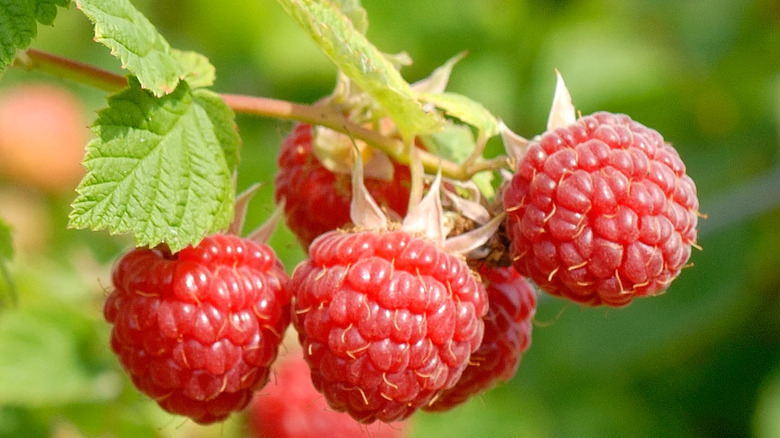
Another summer-bearing raspberry, the 'Nova' raspberry is known for fewer spines than other species, which makes picking its fruit a breeze. It was introduced in Nova Scotia, giving it its name. But names aside, it is an extremely hardy cultivar that is resistant to many diseases, and can be grown anywhere from zone 3 to 8. It is also self-pollinating and has a strong growth rate. As for the size, it grows about 6 feet tall and 4 feet wide, making it a good choice for growing in smaller spaces.
'Polana'
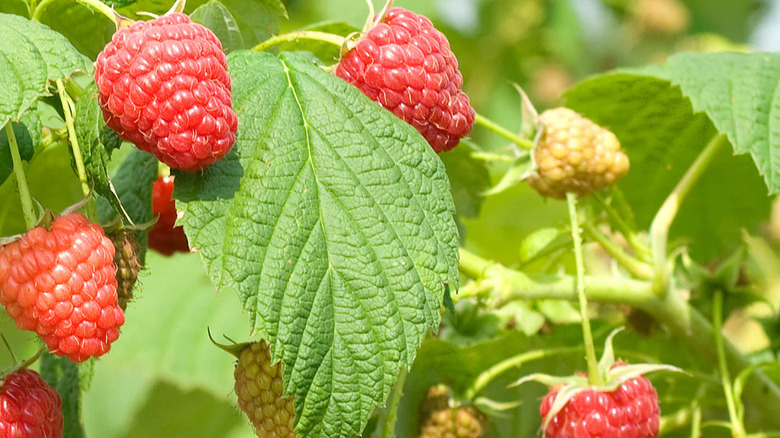
Do you live in a place with early frosts? If so, the 'Polana' raspberry is definitely worth a look. It is an early fall-bearing raspberry type that grows well in zones 3 through 8. It is also very productive and produces large, heart-shaped, sweet, juicy berries on vigorous canes. Plus, it attracts butterflies and birds. Just make sure to plant it in a place with full sun and early in the spring. And if you want to grow it in a container, make sure to use something that is at least 24 inches deep and wide.
'Killarney'
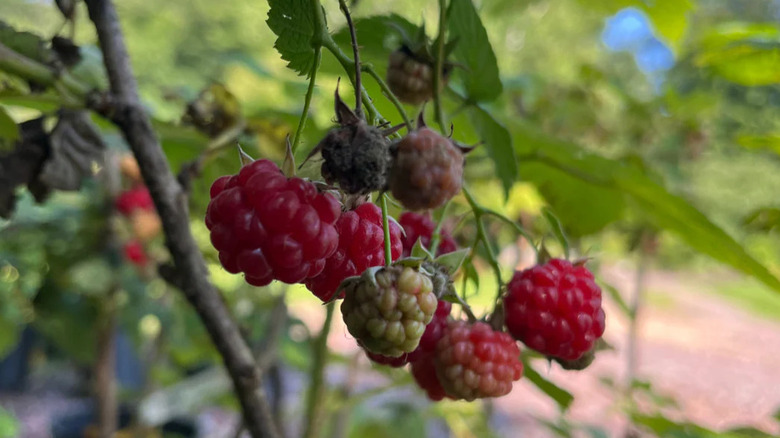
'Killarney' raspberry is another disease-resistant raspberry type that you can grow across zones 3 to 9. It is really hardy and can sometimes even be grown in zone 2. In addition, the 'Killarney' raspberry is also very productive and bears fruit in summer. For best results, plant it in fertile soil with plenty of sun. As for its size, it only grows to about 3 feet tall, so you won't need to prune it much. However, if pruning is needed, make sure to follow these helpful tips for pruning raspberries to ensure a juicy harvest.
'Polka'
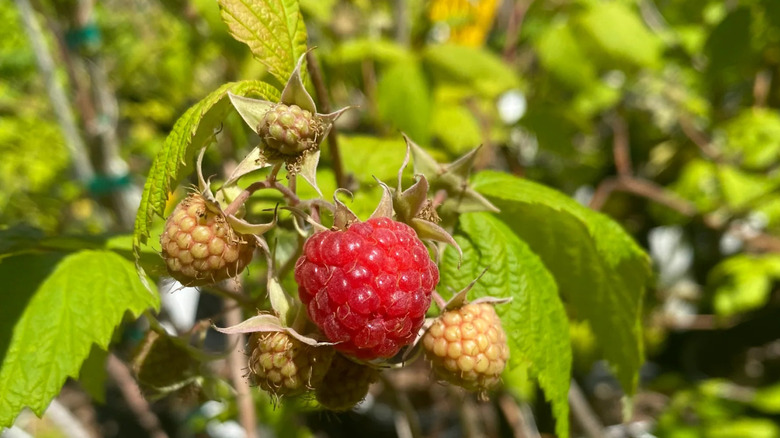
Looking for a raspberry that ripens before 'Heritage'? Then the 'Polka' raspberry is definitely worth a look. It is a Polish cultivar that, in the U.S., is grown in zones 3 to 9. The plants are really quick to establish. They can produce a crop in as little as four months, but if you are looking for any significant yield, you will have to wait at least 16 months. Once established, 'Polka' raspberry offers significant yields. It has two fruiting laterals on each axillary bud, which makes it highly productive when its fruiting season starts in the fall.
'Latham'
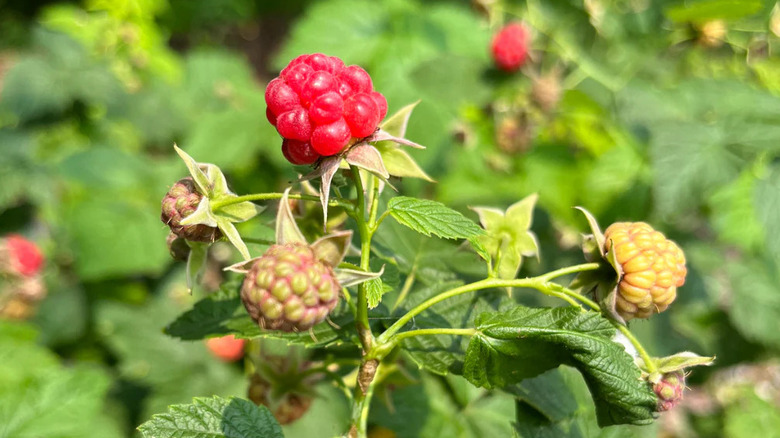
Not scared of some thorns? Well, then, the summer-bearing 'Latham' raspberry with its deep red, round, big fruit is something you must consider growing in your garden. It is self-fruitful, has really good winter hardiness, easily grows across zones 3 to 8, and has really pretty rose-like flowers, too, that bloom from April to May. It can grow in a range of soil types and has a fast growth rate. And if that is not enough to win your heart, the 'Latham' raspberry also has very good disease resistance.
'Autumn Bliss'
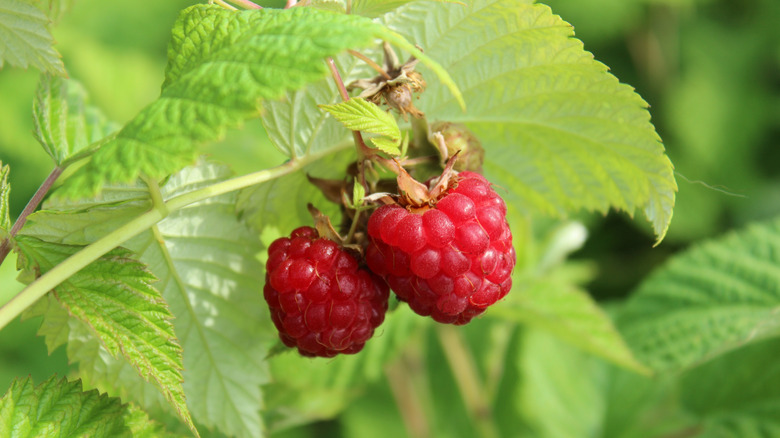
If you live in zones 6 through 8, 'Autumn Bliss' is another fall-bearing raspberry type you can grow in your garden. It is a British raspberry that was introduced in the late 20th century and produces firm, big, and very tasty berries. However, its real appeal comes from its ability to tolerate heat and early ripening dates. Just keep in mind that you might need to use a support structure like a trellis to keep its fruit off the ground. Don't worry, though! You can easily DIY a garden trellis at home all by yourself.
'Prelude'
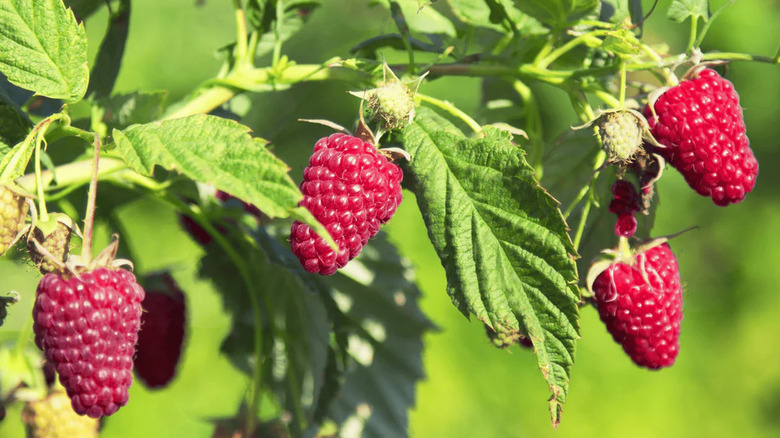
Next on the list, we have the 'Prelude' raspberry. It is a fall-bearing type although it is one of the earliest ripening raspberries of the summer, and can be grown in zones 4 through 8. Also, just like the 'Latham' raspberry, it has rose-like ornamental flowers that bloom in May. However, its real appeal is obviously its fruit. They are abundant, heart-shaped, juicy, and have a very sweet taste. The 'Prelude' raspberry also has a very fast growth rate and is also known to have excellent resistance against the disease, phytophthora root rot.
'Autumn Britten'
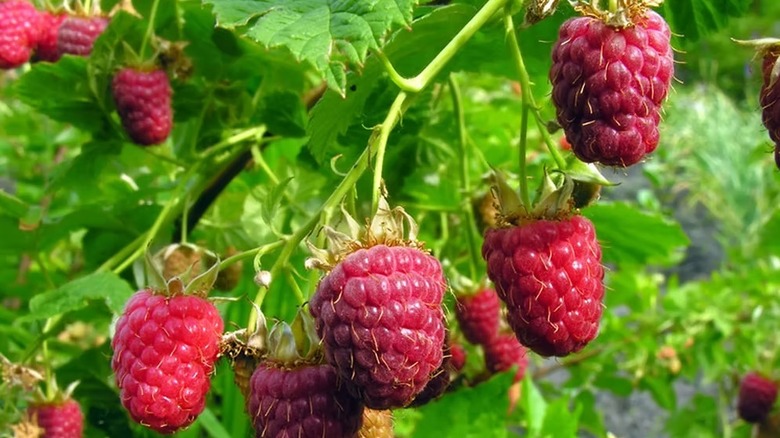
Growing reliably from zones 5 to 8, the Autumn Britten is another fall-bearing raspberry type on the list. In fact, it is one of the earliest fruit bearers of the fall. It ripens before 'Heritage' and 'Caroline' and has very large and firm berries. The 'Autumn Britten' raspberry is also self-pollinating and grows in size to about 5 feet tall. Just like the 'Autumn Bliss' raspberry, it also yields abundantly, which can easily weigh down its branches — make sure to use a small trellis to help support its weight.
'Tulameen'
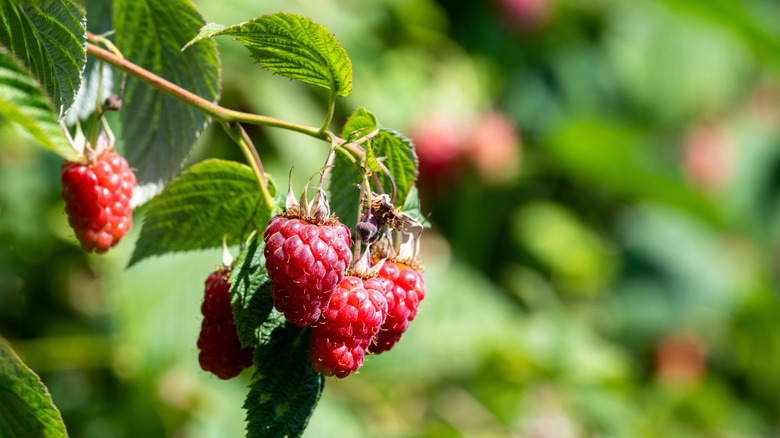
The 'Tulameen' has the longest fruiting season of all summer-bearing raspberry types, producing berries for nearly 50 days continuously. It can be grown across zones 6 to 9, grows to about 6 feet tall, and yields about 2 pounds of fruit per season. For best results, you should train your 'Tulameen' raspberry against a wall or up a trellis, and make sure you plant it in a spot with full sun and well-drained soil. If given the right conditions, it can start producing fruit as quickly as 12 months after planting.
'Encore'
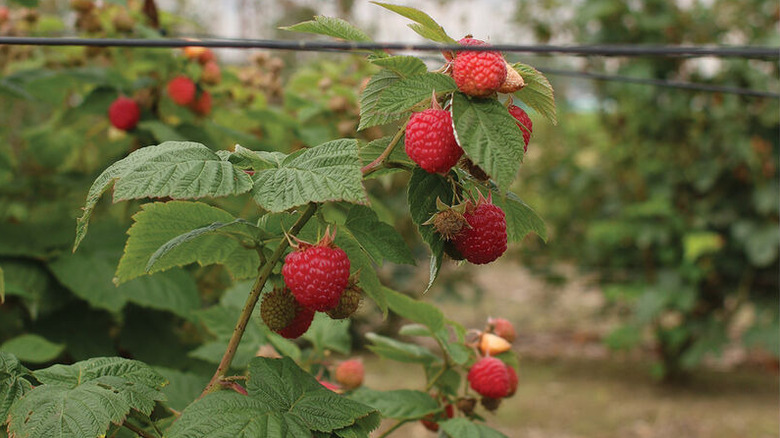
If you are looking for a late-season, ever-bearing raspberry, 'Encore' is a good pick. It produces berries in July and August and is a great choice if you are looking to extend the harvest season of your raspberry bed. But what makes it really desirable is that it is nearly thornless. It is highly productive and bears large and firm berries that taste good even before they are fully ripe. You can grow it in zones 4 to 9, as long as you make sure you plant it in a sunny spot.