

20 Clever Tips & Tricks You Need For A Successful Garden Center Visit
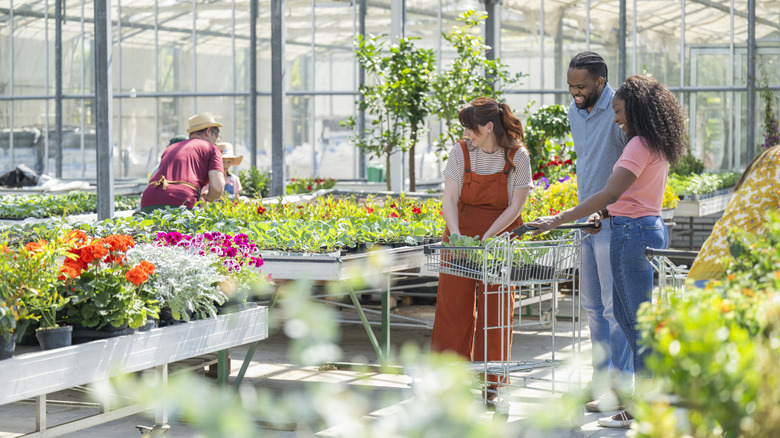
Visiting a garden center can feel like a second homecoming for plant enthusiasts across all age groups. The colorful flowers, rare species, ornamental grasses, and trees just waiting to be transplanted into the ground are enough to delight the eyes. But this sensory overload can also sometimes cloud your judgement and make it difficult for you to make sound decisions. This is why you need a set plan, so you can buy the plants you need without getting lost in the new beauties gracing the aisles.
You also want to have a budgetary limit in mind, or you might end up overspending. Bonus advantage: if you spend less than the amount you set aside, you can always get new pots for your plants (or splurge on ice cream on the way home as a reward for your thriftiness, tomato-tomahto).
Moreover, avoid plants that are marked as "aggressive" or "vigorous," since they might take up more space than you have and eventually start stealing nutrients from their brethren. And always water your new purchases and transplant them without delay to ensure they receive the care they need to thrive in your garden. Want to know more? We have prepared a list of the 20 best tips and tricks, so you can have a successful garden center visit, no matter how big or confusing it seems.
Jot down your requirements before making a trip

It can be exciting to go with the flow and grab the plants that strike your fancy, but refrain from visiting a garden center without understanding your requirements. For example, you might need more flowering plants to enhance your yard's aesthetic appeal or cacti to grow around your home for extra security. Maybe you need veggies that are missing from your garden. Or, perhaps, you want a mix of pet-friendly plants that won't harm your furry friends if they get too close. Understanding your needs will help you pick the right plants.
Assess the area where you'll house your new plants
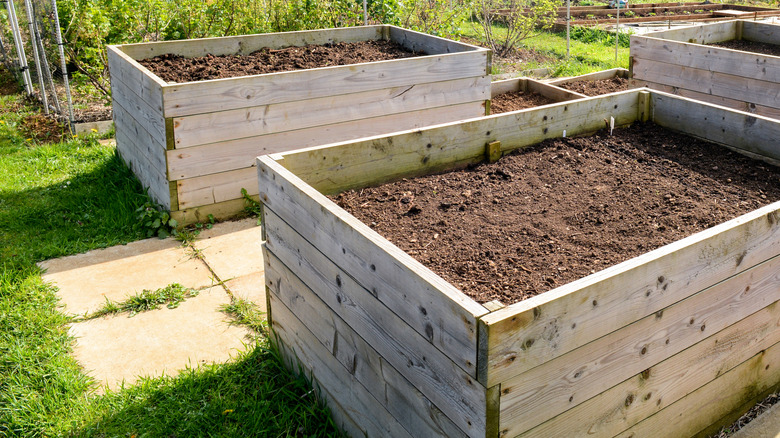
Next, look around your house to identify the area your new plants will inhabit. Assess the space carefully, and notice the amount of sunlight it receives. Note whether it gets fewer than two hours, between two and four hours, or six to eight hours of sun daily. If the spot is outdoors, you also want to check the soil and drainage in the area. Moreover, measure the space available to choose plants that will fit well. Record this info in a notebook, and bring photos with you.
Be realistic about the time and effort you can dedicate
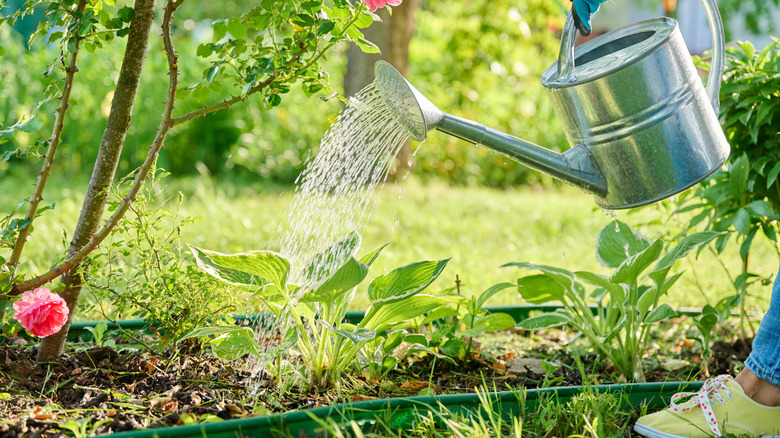
Another thing you want to do before visiting a garden center is to be realistic about the time and effort you can dedicate to your plants on a daily basis. After all, you don't want to buy high-maintenance plants if you can't take care of these divas round-the-clock. Also, determine if you have a green, brown, or black thumb. Take your earlier success with plants into account to get a clearer idea. This will help you choose plants that will survive (if not thrive) in your care.
Calculate the amount you're comfortable spending

Entering a garden center without a budget in mind is akin to letting a kid loose in a candy or toy store. Basically, it could put a heavy strain on your bank account. So, calculate the amount you're comfortable spending on your trip to the nursery. Then, split it based on the number of plants you want for your landscape, indoors, and garden proper. Don't forget to account for the tools, weed barrier, pots, soil, and other items necessary for planting your new finds.
Avoid weekends if you don't like crowds
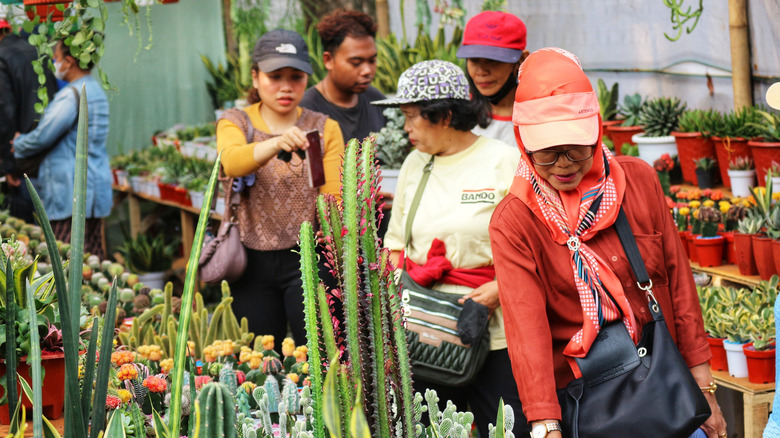
Ideally, you should do your major garden shopping in winter. But if the cold season has passed you by, visit your nearby garden centers on a weekday. This is because weekends are usually crowded, especially if it's spring, and you'll have to wait longer for assistance or to check out. You might also not get your pick of plants. So, try to go between Mondays and Fridays. And if you want to take advantage of fresh stock or beat the heat, try going early in the morning.
Try to find a sitter for your kids or pets
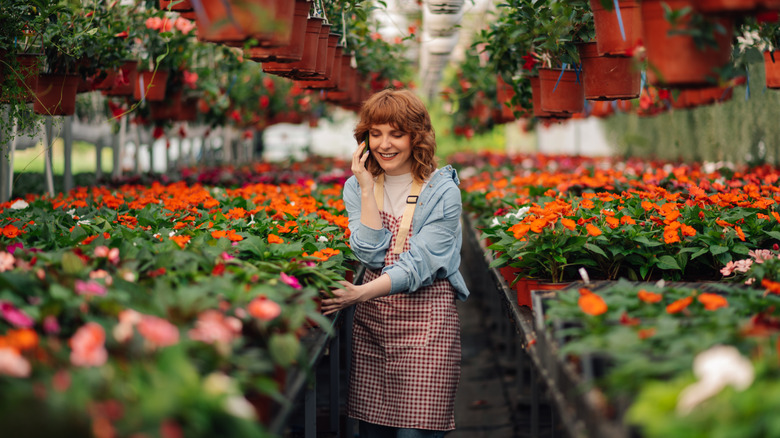
You may be tempted to bring your kids and pets, thinking they'll have a nice time at the garden center. And you'll be right. In fact, they might have too much fun — running around, playing tag, or chasing the smell of bone meal. Worse, they might break delicate vases or uproot sensitive plants. Their shenanigans won't just leave you exhausted but will also make it difficult for you to focus on the plants and tools you need. So, try finding a sitter for your kids and pets before your visit.
Don't shy away from asking questions
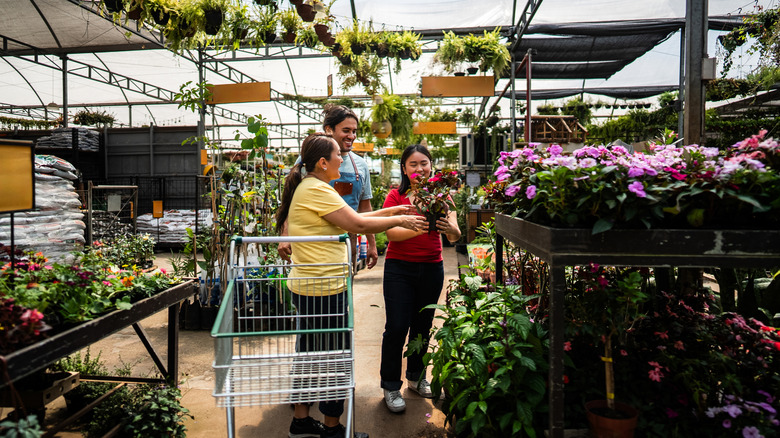
Even regulars and gardening enthusiasts who easily navigate a garden center may have questions. But if it's your first time, looking at the sheer number of plants at the store can be especially overwhelming. The good news is you can always approach the staff at the center and ask them for help. Whether you're not sure what type of plant will work well for you or you need help locating a specific species, these experts can be of service. They can help with plant selection, planning your garden, and caring for your plants.
Make note of the plant placement at the garden center
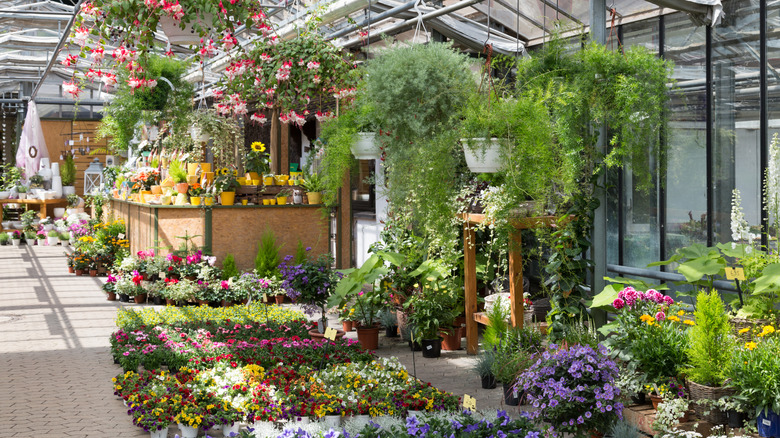
It might seem that plants at the garden center are placed willy-nilly, with short plants in the back and tall ones taking up space. But pots are often set up based on plants' sunlight requirements. Shade-loving plants are often in cool, dark corners, under overhanging structures, or under the protection of a leafy variant that soaks up the sun's rays greedily. Plants that require direct sunlight are located in spots that have unhindered access to the sun. This can help you spot plants that will work well in your yard.
Check the tags of individual plants
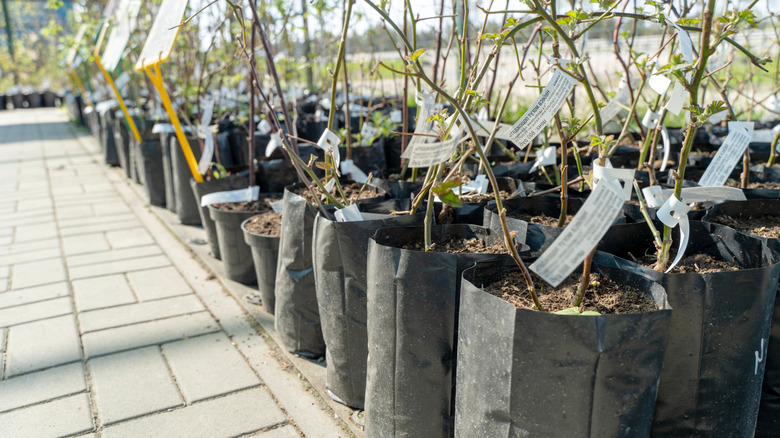
Before making your selection, look at the individual tags of the plants you're interested in. This helps you understand their needs regarding light, water, and soil. You'll also notice information regarding the recommended USDA growing zone. Moreover, you can get a rough idea of how tall and wide a plant can get when cared for properly. All these things help you determine if they're the right choice for your space. And in case you're new to a species, you can learn its common and scientific names via the tag.
See if you can buy plants in bulk
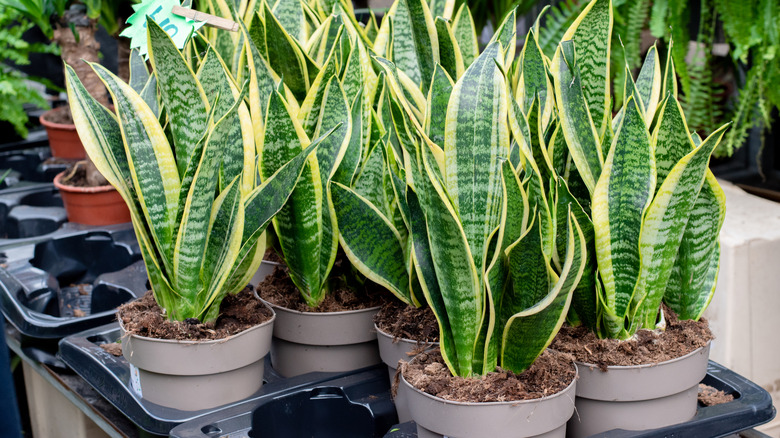
If you're undertaking a substantial landscaping project, see if your garden center can sell you plants in bulk. This will help you save a significant amount of money since wholesale rates for greenery are often lower than retail ones. Plus, you may get access to a wide range of plants for your yard. Some might even deliver them to your home for added convenience. But only buy plants in bulk if you have the space and are ready to care for different varieties.
Try picking plants with fewer or zero blooming flowers
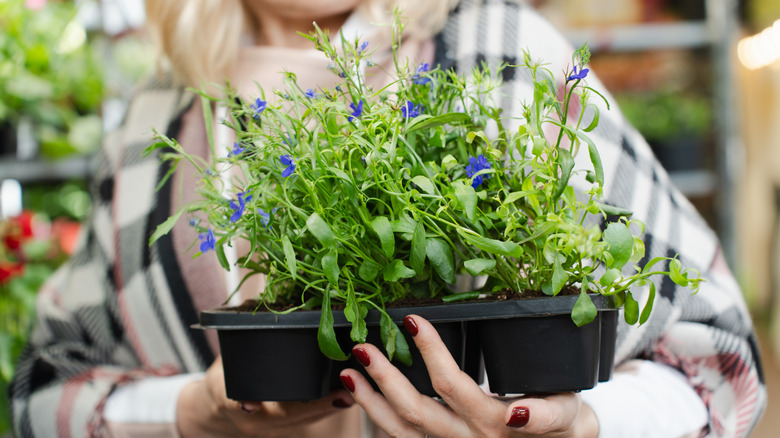
While you'll be attracted to showy plants with loads of blooms, go for their less ostentatious siblings. The latter will spend more energy developing roots than producing flowers to get a good start in your garden. Always confirm the color and texture of flowers a plant will produce before you finalize your choices. This will help you decide if they'll make a good fit for your garden. In case all plants you like come with more than a few blooming flowers, cut them off when re-planting them to let them set roots.
Don't remain stuck on flowering plants
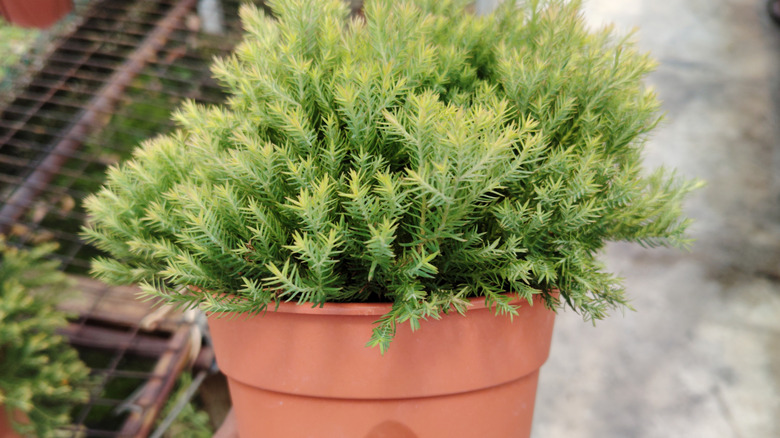
It's no secret that you can boost your home's value with beautiful front yard blooms. But that doesn't mean you should only opt for flowering plants. Since variety is the spice of life, sprinkle in greenery with varying textures, mature sizes, and foliage with your flowers to jazz up your garden. Ornamental grasses, climbing vines, and gorgeous shrubs will all look good in your yard. You can even plant evergreen ground covers for stunning color all year round. At the garden center, explore all plant varieties to find the best options.
Don't miss out on native plants
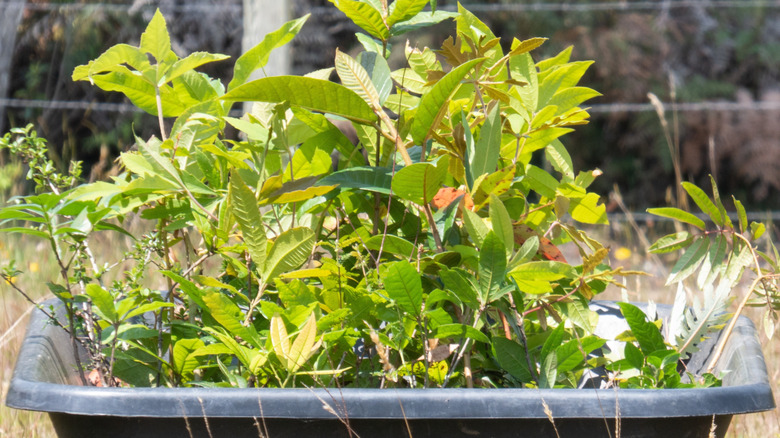
While you might be drawn to rare and showy plants, don't fill your garden with just tropical species that are native to other climates. Invest in a few native plants, too. This is a good idea because they can better handle your region's soil and climatic conditions than ones that don't grow in your area naturally. They're also less susceptible to diseases, increasing their chances of surviving in your garden for a good while. Plus, pollinators love them and will benefit from them.
Take cues from insects for a pollinator-friendly garden
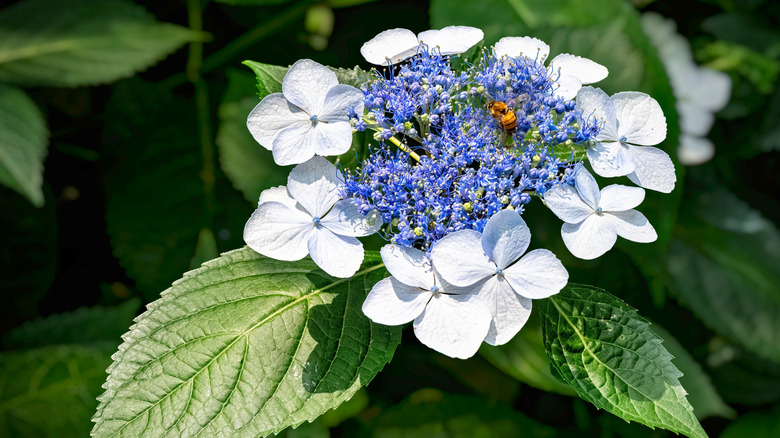
Want pollinators to visit your garden often? A few climbing plants can turn your backyard into a butterfly haven. Some might even interest bees and hummingbirds. In case you'd like some social proof before buying a particular variety, see if bees or butterflies are attracted to them at the garden center. If they don't visit the plants you earmarked, ask the experts at the store if they're pollinator-friendly. Otherwise, follow the little insects where they go to find the right plants for inviting pollinators to your yard.
Grab some perennials if you're into garden center math
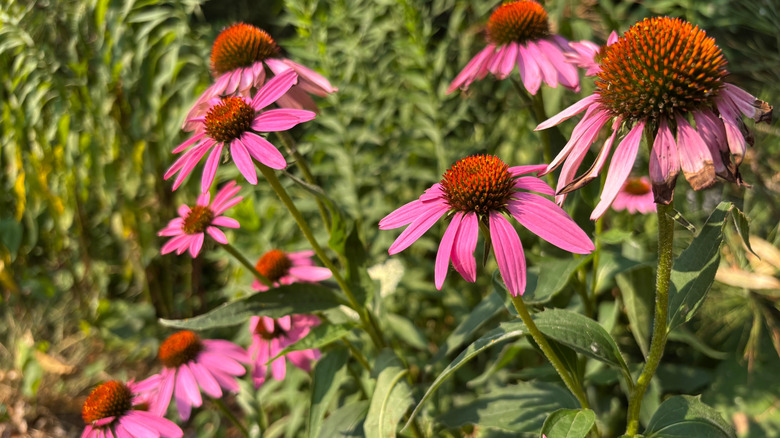
A popular offshoot of TikTok's girl and boy math, garden center math states that since perennials return year after year to enliven your garden in spring and summer, they're basically free. If you're a proponent of this logic or would like to stretch your gardening budget as much as possible, grab some perennials while you're at the nursery. You can divide them once their roots are established (usually within a few years with proper care and attention). So, basically, you'll get new plants for your yard at zero extra cost.
You might score big by hitting the clearance racks
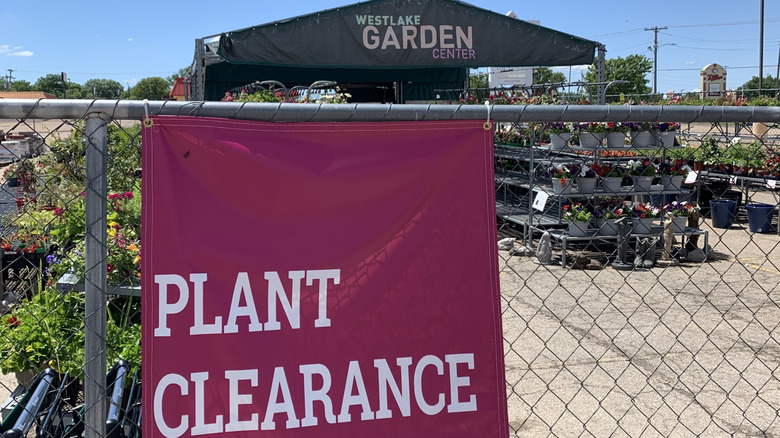
Don't overlook the clearance racks at your garden center. You can often find great plants at marked-down prices. As the nursery receives new shipments of fresh plants, the staff moves the older ones to the bargain section and puts them on sale in hopes of getting the old stock cleared out quickly. However, don't just buy any plant, since some are moved here because they're a little past their prime. Though you can revive these with a little care, avoid them if you're new to gardening.
Check whether your chosen plants are healthy or not
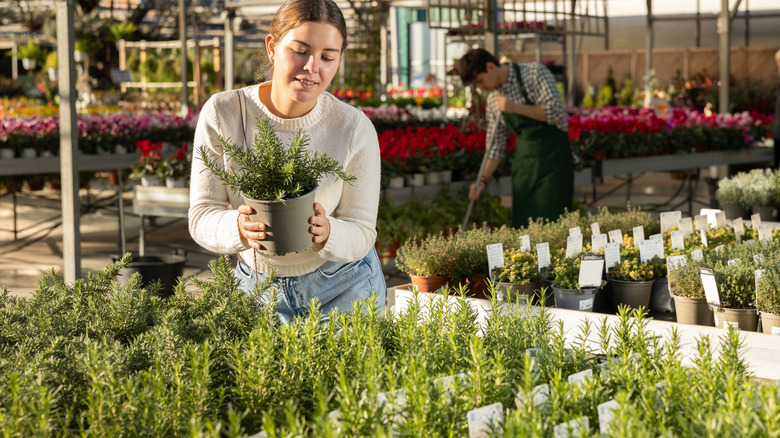
Once you shortlist the plants you like, it's time to make sure they're healthy. Start by noticing the state of their leaves. Do they look healthy? Or, do they seem a little brown or yellow at the edges? Then, check for pests lurking on the undersides of leaves or on the stems. You also want to check the roots — gently pick up a plant from its pot to see if it's root bound. Since such plants can be difficult to maintain and require immediate repotting, try looking for a healthier variant.
Ensure you have the essentials covered

When you're at the garden center, don't just focus on adding to your plant collection. You should also ensure that you have the essentials covered. For example, take a look at your soil and compost reserves before you leave. If you're running low, make a mental note to buy those, too. Fertilizers and soil amendments are equally necessary, and you should buy them if you don't have enough. Further, replace all your rusted gardening tools, and buy more pots if your existing plants require a new home.
Avoid buying more plants than you can care for
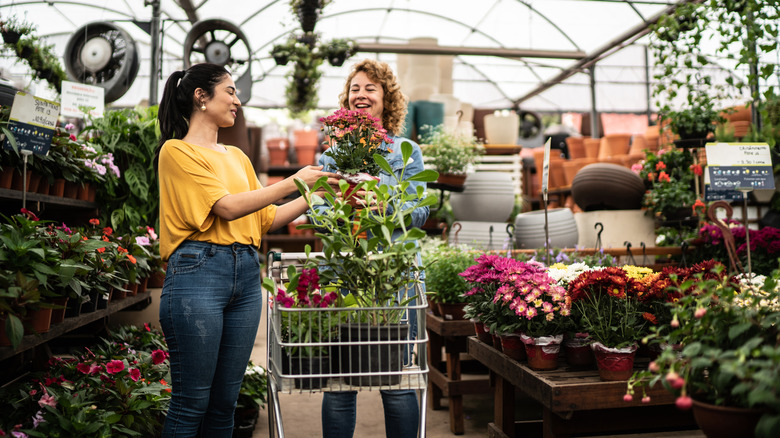
When you're surrounded by plants in every shape, color, and form imaginable, it's easy to make impulse decisions and buy more than you initially planned for. However, try to resist the temptation, and stick to your original plan. Buying one or two extra plants won't make much of a difference (unless they're absolute divas), but don't buy a cartful of plants when you came for just one or two. Remember, it's better to build your plant haven slowly than having the death of numerous species on your conscience.
Ask about warranties and return policies

When you check out, ask about the nursery's return policies. It's better to be prepared in case you make a bad decision and need to take back a purchased plant. If they allow returns, keep your receipts safe. Even if they don't refund the money, they might offer equivalent store credit to spend another time. Some garden centers even offer warranties on certain plants, so you might be eligible for a replacement if a plant faces an untimely death. Additionally, ask if there's a reward program or newsletter, and sign up for it.