

16 Tips And Tricks For Attracting Owls To Your Yard
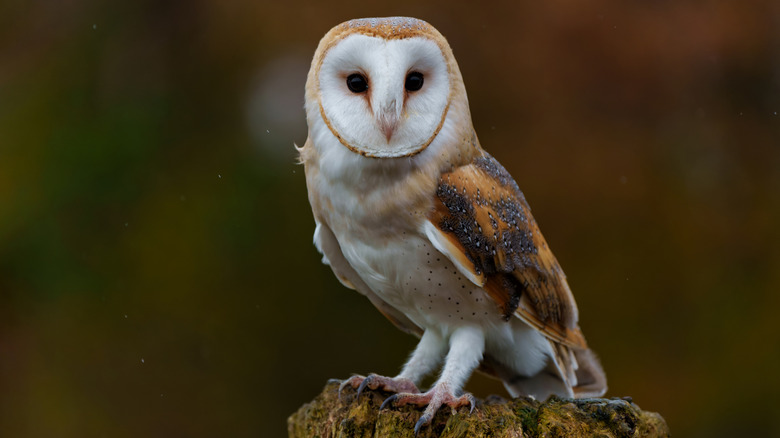
Owls are spectacular creatures. I'm a permaculture specialist, and that includes working with (and providing habitat for) wildlife. I'm lucky enough to have a beautiful pair of barn owls on my property, and watching them hunt is always such a treat. If you want to encourage owls to visit your yard, you have to make it attractive to them.
Owls want to feel safe, have plenty of good hunting opportunities, and prefer surroundings that are both dark and natural. If you've got a heavily manicured lawn covered in pesticides, no cover for prey animals, and lots of bright lights, you're not likely to get any visiting owls. You can, however, attract owls without turning your garden into a wilderness.
Learn which owls live in your area
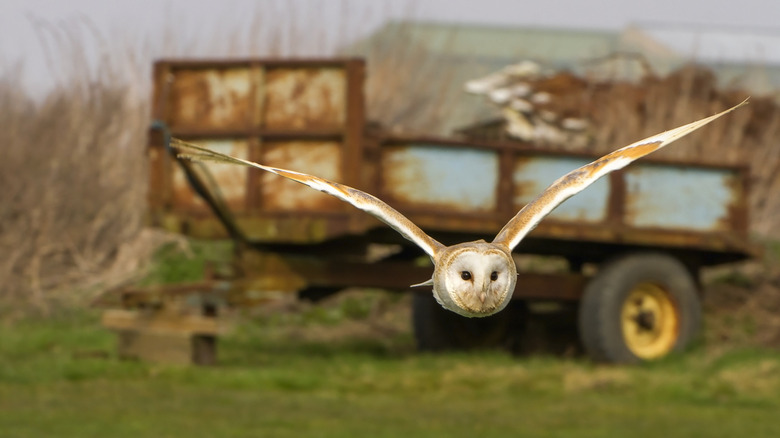
Just because they're all lumped together under the name "owl" doesn't mean all owls behave similarly, hunt in the same environments, or use the same type of roost. For example, while many owls are solitary, long-eared owls often roost in a group (aka a "parliament") in winter. Similarly, barn owls share a roost with their mate to strengthen their bond, although they frequently roost separately. Your area may not be home to some owl species, so it's good to know what types you'll actually be attracting and supporting.
A local field guide or a phone call to a local bird group or wildlife organization will quickly give you the information you need. Knowing what type of owls you're most likely to find tells you the type of cover, habitat, box dimensions, and mounting height you'll need. For example, a whiskered screech owl measuring just 6 inches tall needs a different setup than a great horned owl, which can measure up to 25 inches tall.
Keep a mix of trees, shrubs, and open ground for hunting
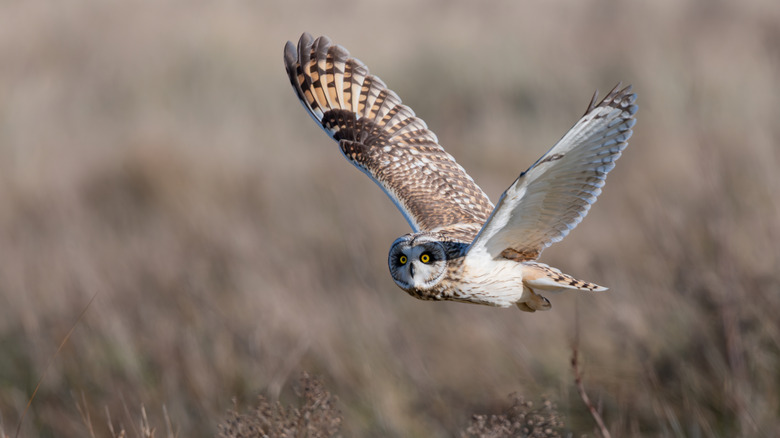
Yes, owls like hidden spots for roosting and high lookout perches, but they also need open ground or light cover to hunt. They use sight and sound to locate prey, which is easier with only light cover. With that in mind, you should aim for a balance of safe perches, hiding spots, and open ground.
A few taller evergreen trees, especially around the perimeter, are useful as safe resting spots to hunt from. Mixed-height shrubs (both evergreen and deciduous), open lawn, and "messy" or wild patches give prey animals plenty of food and habitat. This combination makes your garden more interesting and appealing to owls and other birds of prey, as they can rest and hunt the area easily.
Leave some wild, messy corners instead of tidying everything
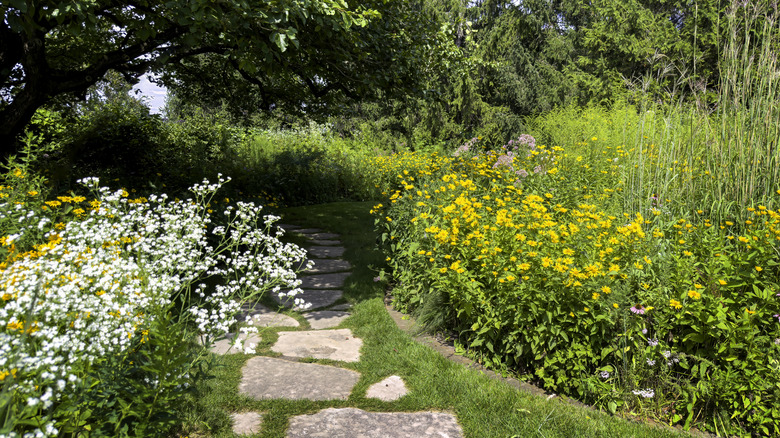
My passion is nature and permaculture, so I love a "messy" garden. Wild flowers, "weeds," flowering clover in the lawn, a few logs growing all manner of fungi; that's my happy place. The same goes for owls and their prey. Barren, heavily manicured lawns are pretty lifeless. There's no cover for the little critters owls eat to use and less prey means a much lower chance you'll get owls around your yard regularly.
Obviously I'm not suggesting you let your whole yard run wild. I do, however, recommend everyone (whether they want owls or not) let Mother Nature run rampant in a few areas. Work with nature instead of fighting it. A brush pile provides a home for mice, voles, and other tiny creatures. The same is true for an out-of-the-way corner full of brambles and dead stems. Make these areas deliberately and intentionally wild to better attract owls. If you want to make the wild patches look like part of your garden design rather than an accident, border the areas with some rustic edging like stacked logs or railroad ties and scatter a wildflower meadow mix or plant some low-growing groundcover to add color.
Install the right kind of owl box at the right height
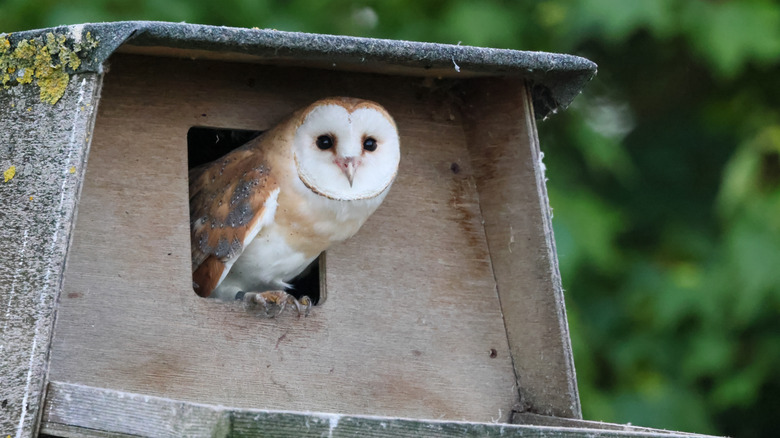
There are many benefits from adding an owl box to your garden. Choosing the right nest box, building it correctly, and placing it at the right height is why you need to know what types of owls are common in your area. If you know what type of owl you're trying to attract, you can build or buy an owl box specific to that species. It also helps you find the best locations for them.
With barn owls, for example, if you don't have many suitable trees, you can mount a box in the rafters of a quiet outbuilding like a barn that has an opening in the roof. Screech owls prefer boxes at least 18 inches deep with a 3-inch-wide opening somewhere between 10 and 30 feet from the ground, preferably under a large tree limb. Aside from making sure the box is suitable for whatever owls are most likely to frequent your garden, make sure the flight path to the box is unobstructed but that there are blanches nearby for their young to hop onto as they learn to fly.
Work with neighbors to make a larger owl-friendly area
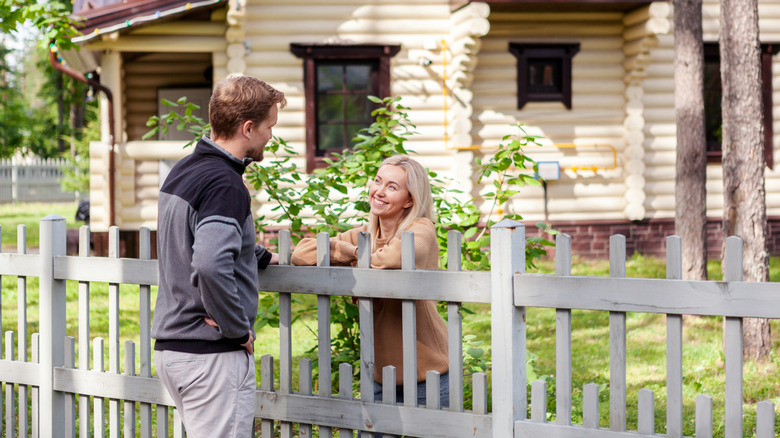
Owls don't understand what a fence or a property boundary means. Their territory is larger and not confined by fences and straight lines. If your yard is the only space with any owl-friendly features in the area, you probably won't get any owl visitors, and it's very unlikely you'll get resident owls. Instead, owls will instinctively seek out territory with better options for roosting and hunting opportunities.
So, make it a neighborhood project. Chat to the people living on either side of you and even further down the block. Try posting in your community's social media group. Chat about what you're doing and why and let people know how they can get involved. While you're at it, let people know how good owls are as pest controllers and how having a few wild spots can attract pollinators and boost garden health and biodiversity. Make it a fun community project and get people involved in watching for owls and sharing any photos or videos they manage to capture.
Offer natural perches and lookouts around the yard
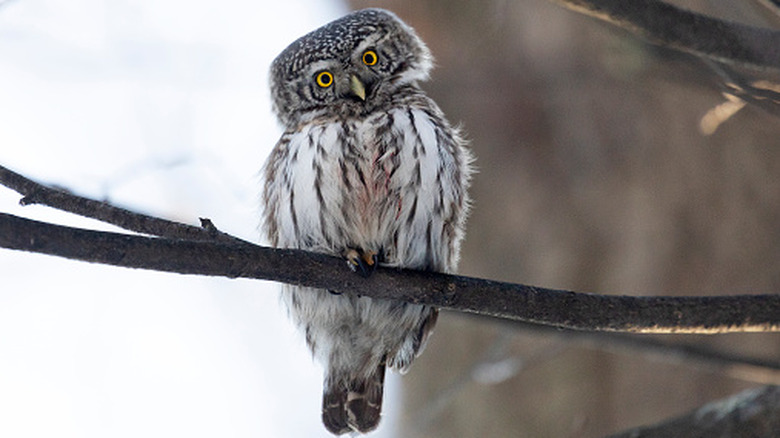
Owls have remarkable sight and hearing. They like to sit still, watching and listening for prey before they hunt. They prefer elevated perches with clear lines of sight so they can scan for movement below and decide where and when to strike. Dense cover is great for nesting and roofing, but not useful for hunting.
Leave a bare branch or a dead snag if it's still structurally sound and not at risk of falling and hurting someone, or add a couple of taller fence posts next time you have your fence repaired or replaced. Even a sturdy pergola support beam makes a good owl lookout spot if it lets them view open ground around those wild areas of your garden.
Tone down outdoor lights so nights stay truly dark
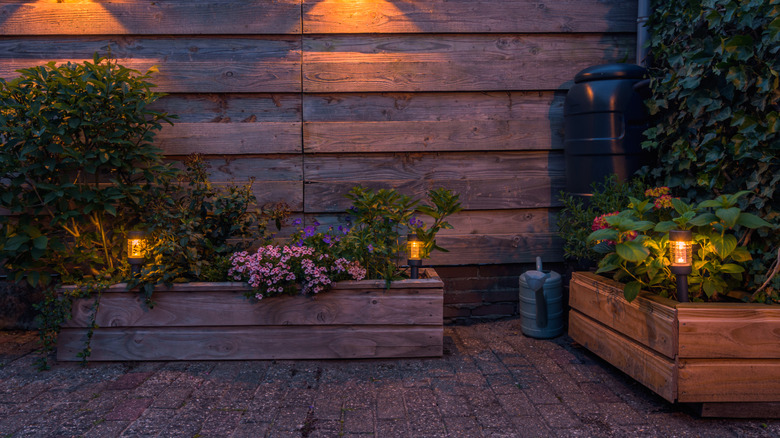
Owls are nocturnal and so are many of the little critters they feed on. Constant bright light puts nocturnal animals off from using your yard. Owls need darkness to feel secure enough to hunt, while prey creatures need darkness to move around confidently. If you've got floodlights that are on all night or a sensitive light that comes on at the slightest movement, even if everything else is perfect for owls they'll look elsewhere for a darker, safer place to hunt.
If you can, make your lights more owl friendly, by switching always-on lights to motion sensors. That's a brilliant first step to owl friendliness. While you're at it, change bright, white lights to softer, warmer, lower-intensity ones. It's also a good idea to angle lights and sensors downward instead of angling them too high. Aside from owl-friendliness, this is also better for visibility and security. Where possible, set up your lights so at least some corners of your garden remain comparatively dark even when the lights do come on.
Avoid rodent poisons when practicing pest control
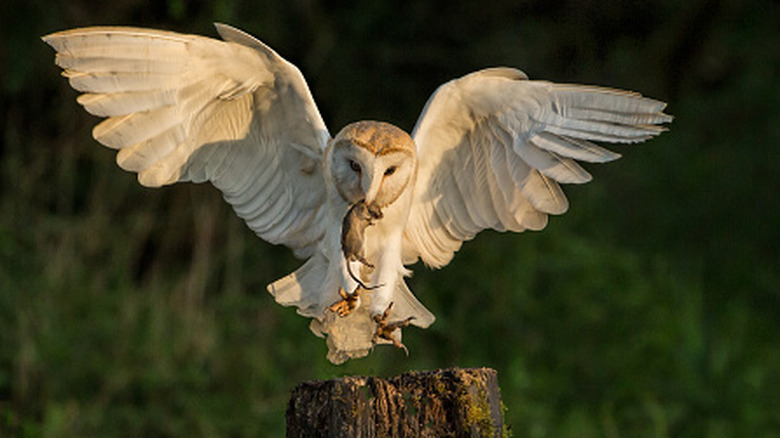
Lots of people turn to poison to get rid of rodents, but as a permaculture specialist, I always recommend against that unless there's no viable alternative because those poisons do more damage than just killing off a few mice — they travel up the food chain. If another animal eats a rodent who's ingested the poison, they're essentially eating contaminated meat. They get extremely sick and many die, and that risk includes owls. Plus, if you eliminate all the prey owls have no reason to visit your yard.
Owls and other birds of prey make excellent pest controllers, and they'll happily keep rodent populations in check for you. If the presence of owls proves not enough, snap traps are a less harmful way to control rodents. That said, practicing basic cleanliness and hygiene while managing potential food sources helps to keep rodents out of your home and outbuildings.
Create a small water source that's safe for birds to use
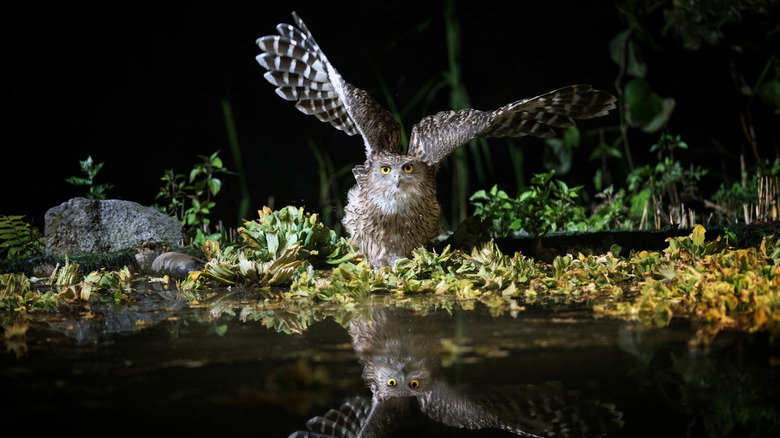
A water feature is useful in any garden as it provides a source of fresh water for all manner of wildlife, from insects and amphibians to birds and mammals. It's invaluable, especially if you're trying to work with nature a little more. It's unlikely you'll see owls splashing around and taking a bath like songbirds do, but they will take a drink. Plus, all the animals they feed on will use the water source.
You don't need anything super fancy here since owls prefer a small, shallow wildlife pond. Make sure it has shallow, sloping sides and that you add gravel, some kind of "steps," or a high-traction slope on at least one side so any creature that falls in can easily get out. Position the pond near some cover to make it feel safe for animals to use. Keep it clean and maybe add a small filter or pump to keep the water moving slowly and well-oxygenated.
Reduce noise and heavy activity near likely roost spots
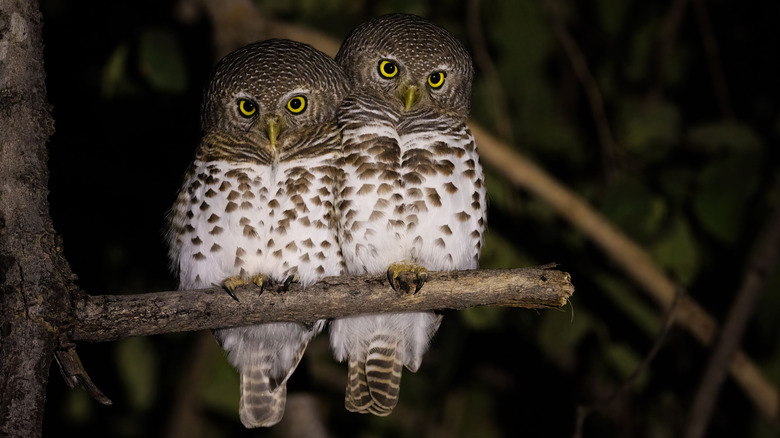
If you want owls to roost or nest in your yard, you need to keep noise and activity to a minimum near spots they're likely to go. Yes, owls are nocturnal, but that means they are resting during daylight hours and they need to feel safe day and night. Loud noises like leaf blowers underneath their roosts on a regular basis are sure to put them off.
Avoid setting up outdoor speakers, doing noisy jobs, or letting people have too much noisy fun right under the big, dense evergreens owls favor for daytime shelter. This is most important near dawn and dusk, when owls are just stirring or coming home after a night of hunting. You won't always be able to whisper and tiptoe around these spots, but minimizing how often you disturb their area can help owls feel secure where they are.
Keep pets indoors or supervised at night
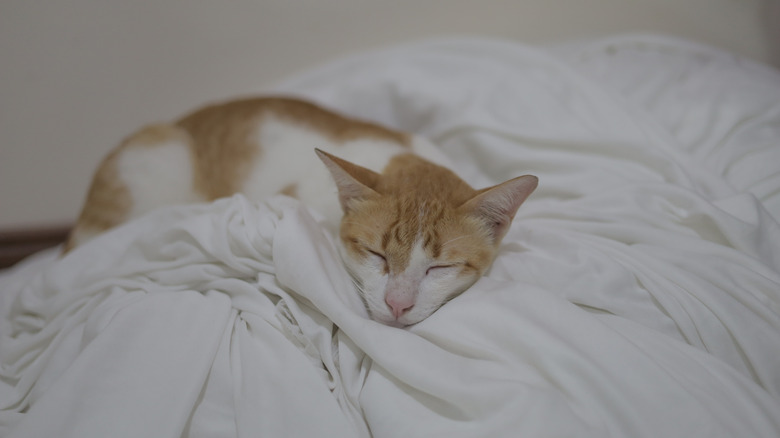
Cats and dogs wandering unsupervised late at night can disturb owls trying to hunt around your yard. They can also scare off the prey animals owls prefer to hunt. Plus, if you have larger owl species around, small dogs and cats can themselves become prey. The last thing you'd ever want is for your beloved pets to get eaten by a hungry owl which you worked so hard to convince to come live and hunt in your yard.
Keeping cats indoors after dusk keeps them safe and protects local wildlife, and the same goes for dogs. Of course, pets (particularly dogs) need to go out for a bathroom break before bed. Not a problem, simply go with them. You don't necessarily have to leash them, but going outside with them helps keep everyone safe.
Avoid trying to lure owls and build a welcoming habitat instead
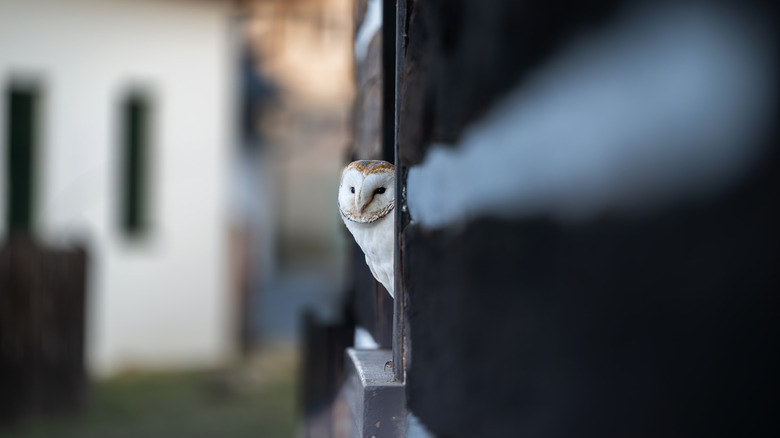
Playing owl calls isn't a good plan as it can disrupt natural behavior. It can also distress nearby breeding pairs and repel other owls instead of bringing them in. Not to mention, it may be illegal to use calls in your area. Likewise, using bait to lure birds may also be against local rules, but it isn't sustainable, either.
Building a habitat that's suitable for both owls and the animals they prey on is safer, more effective, and sustainable. Focus on setting up food and water sources, providing cover for roosting and nesting, and adding light cover for good hunting instead. Encourage prey animals with good habitat, too, and don't forget a water source.
Don't approach nests or roosts
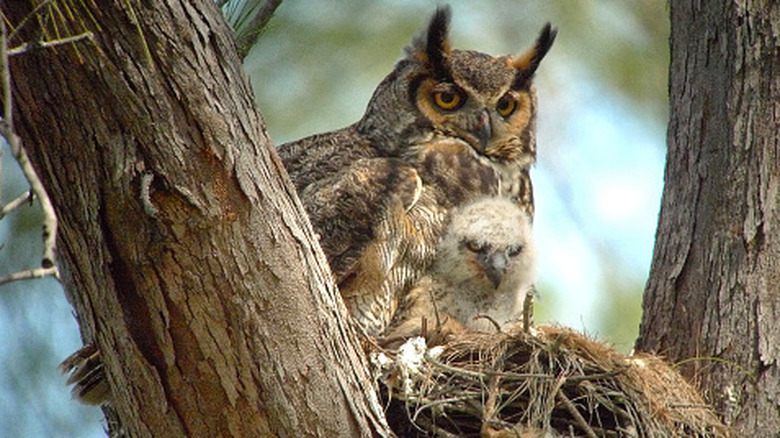
It should really go without saying, but please don't disturb nests or occupied roosts. Yes, owls are amazing creatures. They've been fascinating humans for thousands of years. Yes, it can be tempting to take a quick look, especially if you think there might be eggs or owlets in a nest, but please don't. If you like, set up a video feed nearby when you set up the owl box, but once the owls arrive just leave them alone.
If you approach a nest (even for just a quick peek), you may convince the owl to abandon her nest, especially in the early days. This is especially important during and shortly after egg-laying, but if you want owls to consistently use your yard and even raise young there, it's really important that you leave them alone. They'll rarely need human intervention. If you suspect something's wrong, before you blunder in contact a local wildlife rehabber for advice.
Plant dense evergreens to give owls secure daytime roosts
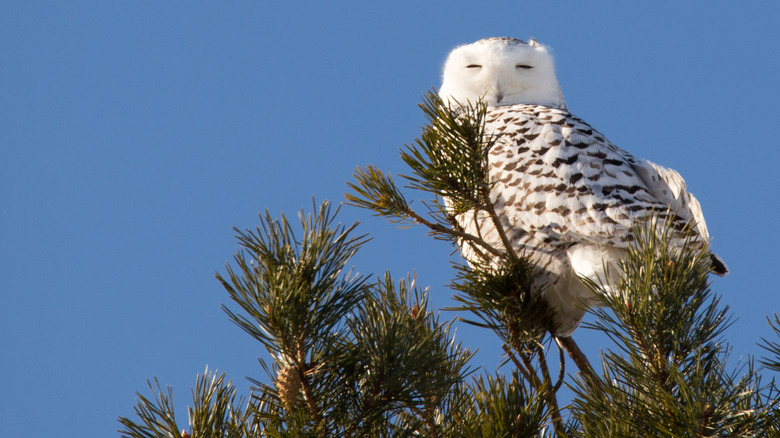
As I mentioned earlier, owls need somewhere safe to roost during the day. Unless they're roosting in a barn or similar open structure, most owl species prefer dense evergreen trees that keep them hidden from predators and humans as well as safe and somewhat protected from bad weather. Deciduous trees tend to be more open than evergreens, and obviously they drop their leaves and therefore lose cover in fall.
Only plant evergreen trees if you actually have room. When planting, double check that you have room for the tree once it reaches its full size. Try to choose species that are native to your area and appropriately sized for your property. A tall, dense conifer is great in the woods, but if you've got a small to medium yard you don't want a fast-growing evergreen species that'll get huge and quickly take over your whole space.
Make outbuildings and tall structures double as safe roost spots
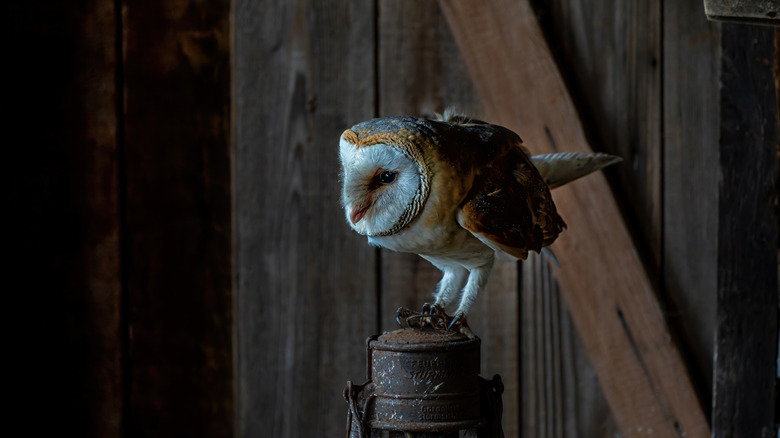
Owls don't exclusively use trees for roosting. Many species, like the barn owl, will happily take shelter in barns, garages, tall sheds, and other appropriate outbuildings. You'll find them roosting on ledges and beams in the rafters, high up and well away from humans. If you've got an outbuilding that's pretty quiet and has a small, high opening that allow for easy access, it's a good spot for owls.
Assuming you've got exposed beams or rafters inside the building, it's already set up nicely for owls and, combined with other tips on this list, makes your property extra owl-friendly. If the building has no suitable roosting spots, you can create them by installing a few roosting bars, slim shelves, or high ledges up near the elevated entry point. You can make the place more enticing by keeping light inside to a minimum at night and, if you have an exterior motion-sensor light, keep it pointed downward and preferably mounted below or (even better) on a different wall than the access point.
Use owl pellets and whitewash to identify and protect favorite spots
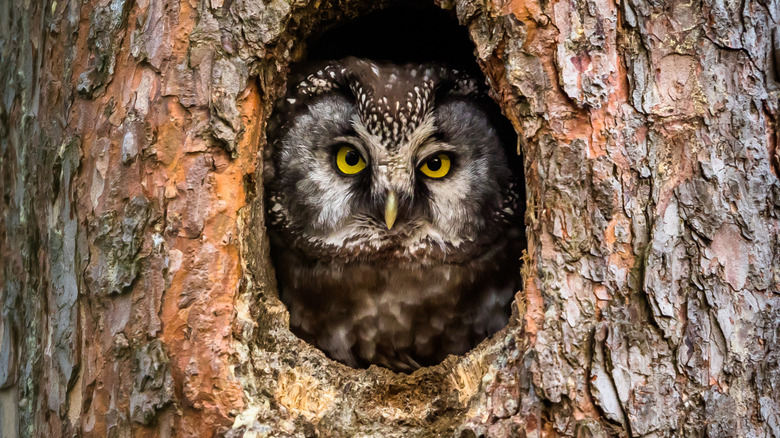
Owl pellets are the regurgitated, undigested remains of prey consisting mainly of fur and bone. If you have owls regularly using your yard, you'll find these pellets below their favorite hangout spots. You'll also find plenty of "whitewash," or owl poop, on the trunks and around the base of their favorite trees. You might not spot many at first, but once you've got owls visiting regularly, you'll notice these hot spots.
Assuming you've got a pretty standard yard size, there's likely to only be one or two places your new nocturnal friends really like. If you do start to notice pellets appearing regularly or owl poop whitening the bark of a specific tree, take note of it and leave that area alone. Avoid too much pruning around that tree, don't add lighting or make any significant changes, and try to leave the area directly below the tree slightly rough and wild, within reason. Owls don't like change, and you don't want to scare off the bird you've so carefully been working to welcome to your space.