

The Right Way To Water A Cast Iron Plant So It Thrives
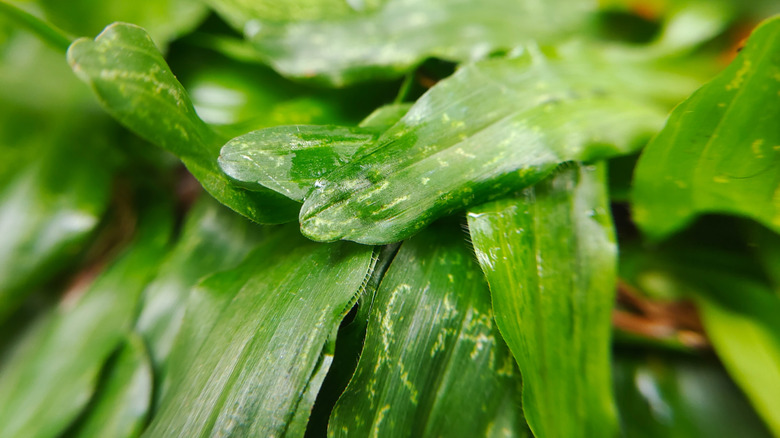
The cast iron plant (Aspidistra elatior) is a popular choice for beginner plant parents. It's one of the indoor plants that don't need much sun to survive, and its toughness in the face of neglect gave rise to its common names, which include "bar room plant." Its glossy lance-like leaves in dark or variegated shades of green add to the appeal. And as an outdoor ground cover in USDA Hardiness Zones 7 through 11, it's valued for being able to stand up to drought. Even though the plants are resilient, a proper water regimen will help you avoiding overwatering so your cast iron plants don't just survive, but thrive. The best way to water a cast iron plant kept as a houseplant is to soak it thoroughly when the top few inches of its soil is dry, and let any extra water drain away.
Cast iron plants adapted to shade as understory plants from Eastern Asia, but they don't tolerate being waterlogged. This is why it's important not to skip the step of draining out the water, and make sure not to leave any excess sitting underneath their pots. Proper watering technique will help the plant, which can reach up to three feet tall, retain its striking appearance with rich green leaves that stand upright.
Touch the soil to know how often to water your cast iron plant
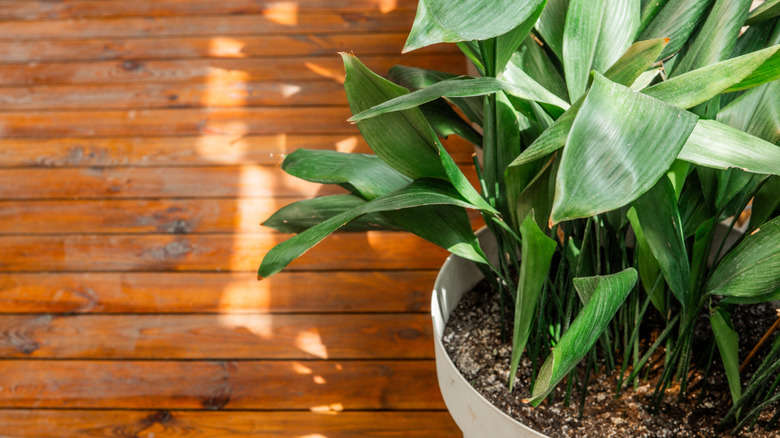
Watering a cast iron plant the right way involves using your senses rather than following a set schedule. You should soak potted cast iron plants when the top two or three inches of soil feels dry to the touch. To soak the plant, water it from the top and until water starts to seep from the pot's drainage holes. For ease, hold your cast iron plant over the sink and let the water drain away before you place it on a dry saucer. Soil usually gets dry enough to water every week or every other week , but you can reduce the watering frequency over the winter, a dormant period for this perennial. When indoor air gets dry in the winter, consider moving your plant to a part of the home where the humidity is a bit higher. In fact, the bathroom is the perfect place to grow a cast iron plant.
Cast iron plants are often grown in low light, meaning their soil doesn't get parched as often as other houseplants, so checking before you add water will keep their soil from getting oversaturated. Part of making your cast iron plant flourish involves keeping it at a relatively cool temperature, which can also reduce its need for water. However, if the edges of the leaves turn brown and crispy and the soil appears to be pulling away from the pot, you may be under-watering it.
Identify and deal with root rot in cast iron plants
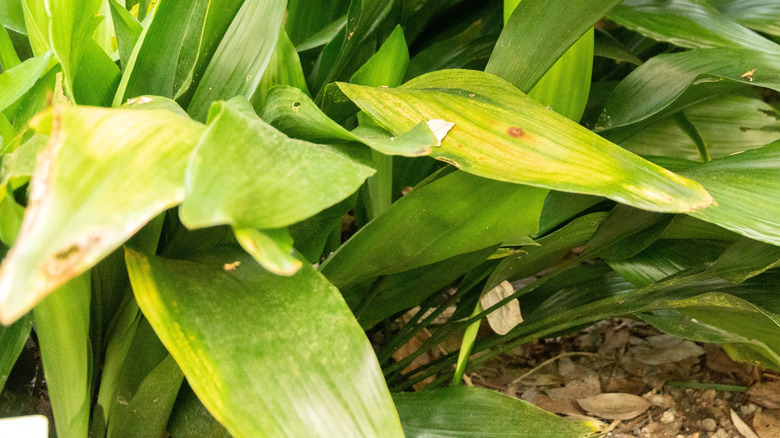
Even as you try your best to avoid overwatering your cast iron plant, mistakes happen. Use your senses not only to determine when they need water, but also to monitor for root rot, an unfortunate consequence of overwatering. If you feel mushiness in the stems and see most of the leaves dramatically drooping or turning yellow, you may have a root rot issue.
If you are aware of these telltale signs, you can save a cast iron plant before it's too far gone from root rot. Take it out of the pot, brush away the soil, and inspect the roots, cutting off any mushy ones with a clean pair of shears. Repot it with well-draining soil and make sure there's drainage in your new pot to prevent it from happening again. You can increase the draining quality of a regular potting mix by stirring in a substrate like perlite.