

What Not To Do When Landscaping Garden Beds
We may receive a commission on purchases made from links.
As a master gardener, I know just how much time, effort, and money goes into landscaping your garden beds. Because you invest so much in them, the mistakes you make can be costly and give you headaches for years to come. It's easy to get caught up in your ideas and enthusiasm, and over-plant a bed, skip the important foundational stuff, and even get the location, size, or shape of the bed wrong.
When you're landscaping garden beds, you need to be planning for the future. Beds and borders aren't fleeting single-season container displays. Many mistakes happen because people don't look beyond this summer or the photo they saw on Pinterest. The reality next year and all the years after that is different and challenging. Avoiding the most basic mistakes gives you the best chance of beautiful, low-maintenance garden beds now and in the future.
Don't plant right up against a house or fence
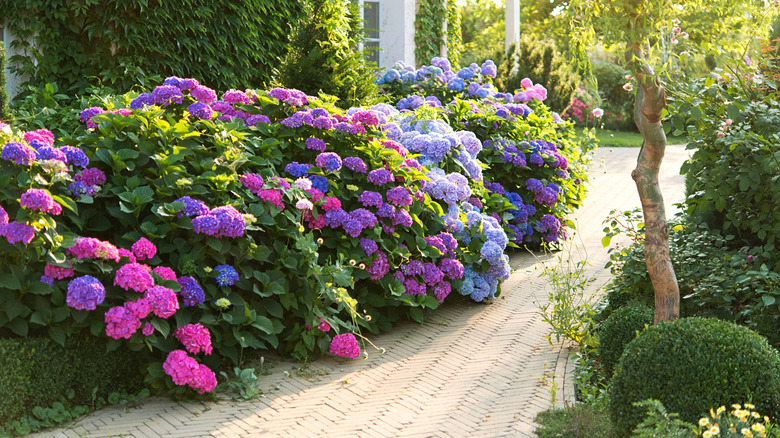
I see a lot of people who want to hide their fence or frame their property so they end up creating a bed right up against the wall or fence, with no gap at all. And on the surface, it seems like a good idea, because there's no wasted space and it minimizes maintenance if you don't need to regularly clear, mow, or otherwise touch a strip between a structure and the bed.
But packing soil, mulch, and mature plants against a solid structure is a terrible idea. It blocks airflow and traps moisture against walls, fence panels, and plants, which can cause mildew and rot. You need to leave a bare strip of turf or soil, lay a pathway that blocks weeds and allows you access to the back of the bed. Because I'm a permaculture specialist, I prefer a woodchip pathway, as it will slowly break down and feed the soil and your plants. And, of course it's permeable, so it'll allow water to soak away rather than sitting against your walls or washing across the top of the beds. Gravel is another inexpensive permeable option for this space.
Don't ignore how big plants get at full size
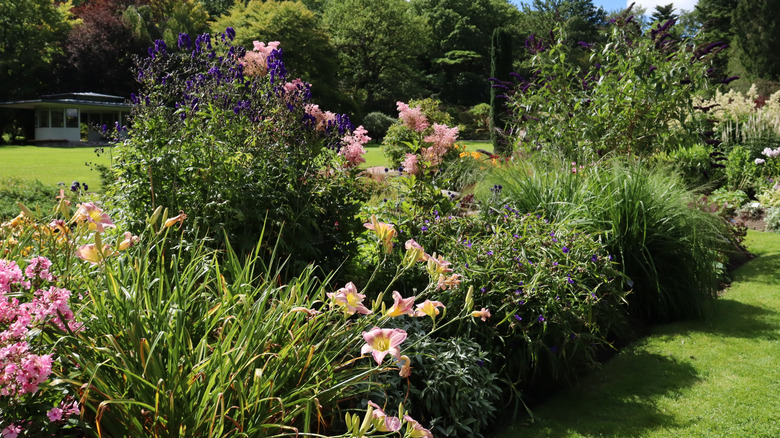
When they're in their nursery pot, it's difficult to envision just how big a plant will be when it reaches its full size. For example, the label tells you the plant has a spread of 3 feet, but actually leaving enough space for that when all you've got is a little dinky plant in a tiny pot is tough. Because if you sit the pot in the bed while you're planning where to plant it, it looks dwarfed by the space. Therefore, it's all too easy to overcrowd the space. You need to consider mature height, too, or you risk blocking windows and light.
My favorite trick to make sure I don't overcrowd a new bed is to take two bamboo canes or stout sticks, a measuring tape, and some garden twine to make what is essentially a large compass for marking circles. Tie one end of the string to one of the canes. Then use the measuring tape and tie knots roughly every 6 inches along the string. Tie the other end of the string to the second cane. Now you have a really easy measuring device. Push one of the canes into the center of where you want to put a specific plant. Now, wind the string around the other cane until you're left with half of the width of the mature spread plus 6 inches. So, for example, if a plant has a three foot spread, you need to wrap the string around the loose cane until you have four knots remaining between the canes. That's 1.5 feet plus an extra 6 inches to leave some breathing room between mature plants. Now keep the string straight and walk around the center point in a circle, dragging the loose end of the cane through the soil to leave a clear, shallow ring as you go. Do this with every plant you want to add to the bed and you'll easily avoid over-filling it.
Don't bury crowns or trunks in extra soil and mulch
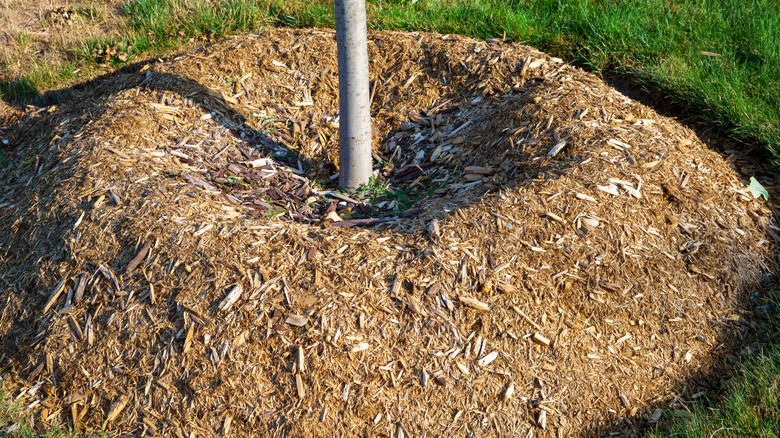
It's really easy to accidentally cover over crowns, especially when you're planting bare crowns or you're topping up a bed when the crown has already lost all its foliage for the winter. For trees and shrubs, you obviously won't accidentally cover their crowns, but piling mulch up against their trunks is just as problematic. With crowns and trunks, too much soil or mulch holds moisture against them and can invite rot. It can also cause girdling in trees. Burying crowns will, at best, stunt growth, and at worst, kill the whole plant, as it'll be smothered and won't receive adequate light or air.
When you're topping up a bed or adding new plants, be considerate of crowns and trunks. Leave a gap of at least a couple of inches between new soil or mulch and crowns, stems, and trunks. For trees, make sure the root flare is free of cover. This is the base of the tree where the trunk visibly flares outward and is laying roots in the soil. With crowns, make sure they sit at or just above the soil surface and that you don't pack mulch up right around them if you want to avoid crown rot.
Don't make beds so narrow you can't plant them properly
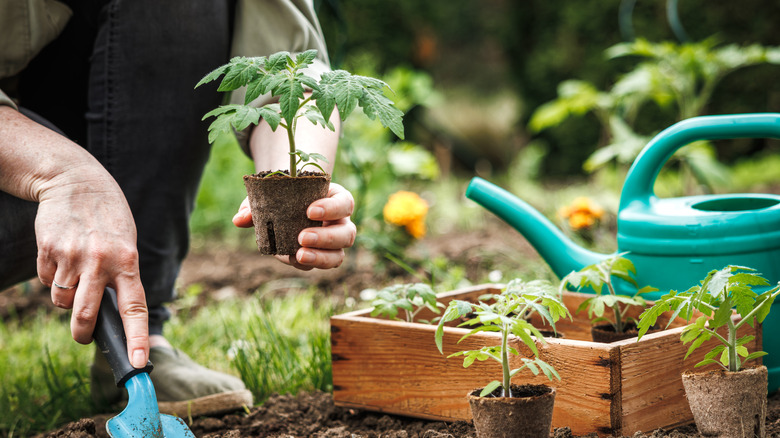
I really am not a fan of excessively skinny garden beds. Yes, when freshly planted with actively blooming plants, they give you some Insta-worthy images. But they are, in fact, not a smart, lasting addition to your garden. I understand the desire to add these narrow strips to the edge of pathways and along fencing, but the reality is not as good as the idea. Grass is constantly invading because the space is so small that the soil constantly slumps outward and you don't have enough room to cut a decent edge. And the plants themselves struggle because they compete with one another. There also isn't enough room to get a decent showing of mixed, healthy plants, year-round interest, or varied heights, colors, and textures.
If you're going to go to the effort of adding a new garden bed, do it properly. If you want beds to flank pathways, great, go for it. But make sure they're wide enough to actually hold plenty of mulch and soil. Keep them narrow enough that you can reach into the middle easily for planting and weeding, but wide enough that you can get at least two, and preferably three, rows of smallish plants in them. And again, remember mature plant spread here and consider how much plant spilling over the edge of the bed you're comfortable with. In a bed surrounded by lawn this isn't as much of an issue, but with a path-side bed, the overspill is an important consideration.
Don't skip a clear edge between lawn and bed
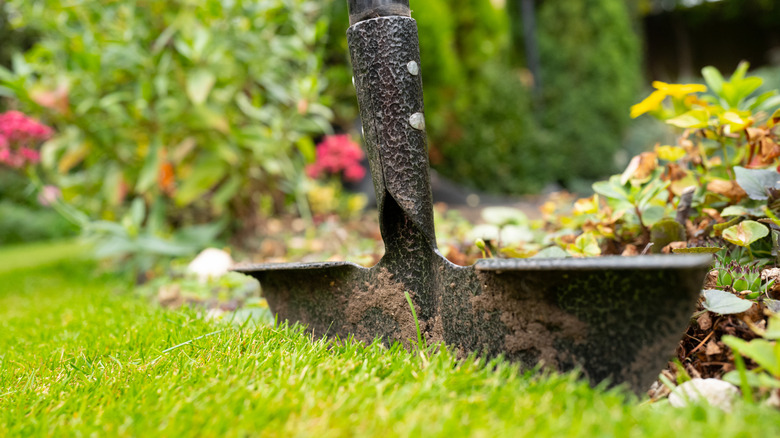
A clear edge between the lawn and the bed seems like such a small, insignificant thing. But it is actually very important in terms of appearance and maintenance. Letting grass fade into a bed seems harmless and like it might be a nice natural feature, but you're creating more work for yourself and making life harder for your plants. The grass will quickly infiltrate the bed, sending out runners and roots, and you'll have a constant battle on your hands to keep it at bay.
Cut a sharp, angled edge. And do it with an actual edging tool to get it done right. I use a decades-old half-moon edger with a nice wide footplate and a wooden handle that I've replaced a few times. But if I was buying a new one, I'd go with something like the Ames saw-tooth edger with T-grip. The job isn't that difficult, just a little time-consuming, and it makes an incredible difference to the look of a bed. You get an immediate cosmetic lift that makes the bed look professionally landscaped. Do note that you'll need to recut the edge every few years (or more frequently, depending on the type of grass you have) to keep it crisp as soil slumps outward and grass tries to encroach inward.
Don't put spiky or sticky plants right next to paths or seating
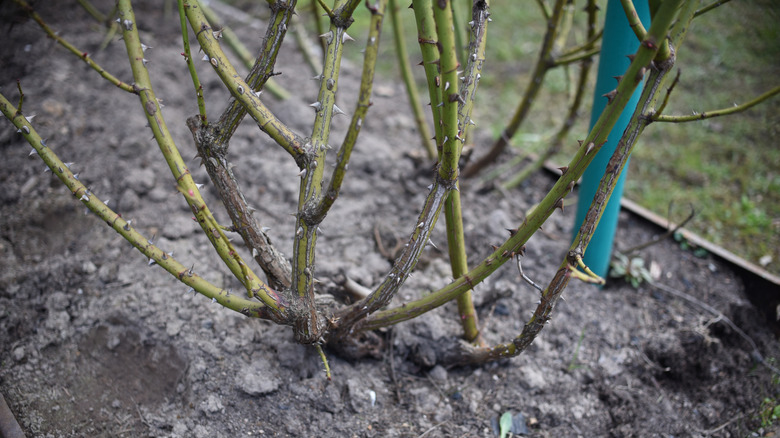
This sounds silly, but lots of people overlook the type of plant they're putting in close proximity to humans, especially when they've got a small plant from the nursery that will, in fact, increase its size many times over before it matures. Thorny roses, for example, are beautiful, but planted too close to a bench or along a pathway, they become a potentially painful hazard, as they snag clothing and scratch or puncture skin. And plants with big, floppy foliage can be unpleasant to sit near or brush past, as they hold water that then wets an unwary human on their way past.
Think about how you use your outdoor space before you plant. Consider where people sit and what areas get the most foot traffic and kid and pet activity. Once you figure that out, you can keep anything prickly, thorny, fragile, or wet and floppy out of those areas. Use nicely scented, neat and tidy plants in those areas, without spikes or large, wet leaves.
Don't mix thirsty and drought-tolerant plants in the same bed
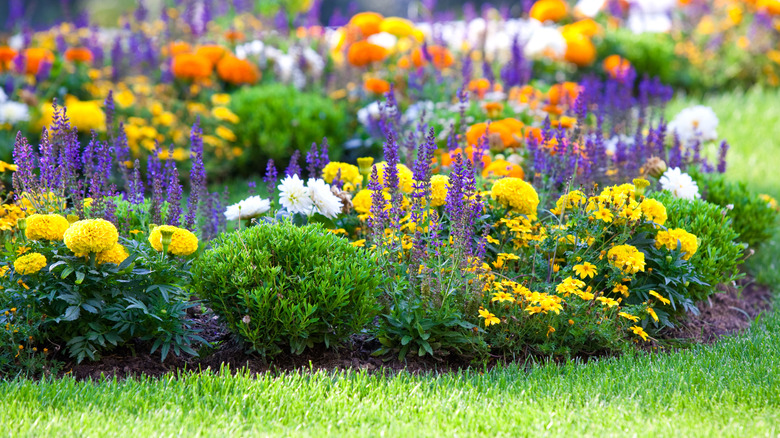
People often choose plants for a bed based purely on what colors, shapes, and heights look good together. They do not, however, always consider the needs of each individual plant and whether they match. Now, I am a huge advocate of companion planting and diversity in the garden, but you have to be smart about it. You cannot put plants with opposing needs in the same bed and expect them all to flourish. You'll either overwater your dry-long plants or dehydrate the water-loving ones. Or you'll end up trying to find balance and none of your plants will thrive.
Go crazy with your plant choices. Make your garden a wonderful assault on the senses. Bring home a whole barrage of colors and textures and scents and heights and annuals and evergreens and perennials. But be sure to group them by need. Look at their water and soil preferences and match them based on that. Keep water-loving plants that need nutrient-dense soil in one area, and those that prefer dry roots and thinner soil in another.
Don't use landscape fabric under planted beds
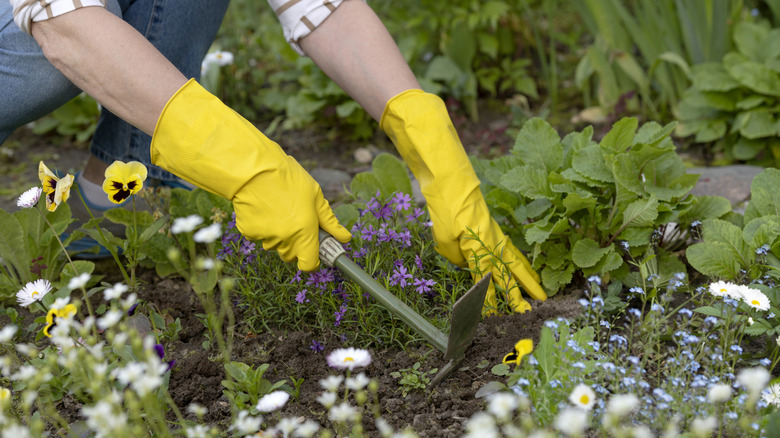
Please don't use landscape fabric under soil anywhere that you want to plant now or in the future. I loathe landscape fabric. It shreds in the soil, pollutes the ground with plastics as it breaks down, and is exceptionally difficult to remove later. It also isn't that effective at stopping weeds, as they just push their way through it. Even the expensive geotextiles do not belong in garden beds. If you really must use landscape fabric, reserve it only for use under permanent pathways.
To keep weeds down, rely on good soil preparation, regular weeding, and lots of mulch. Working on keeping your soil healthy with a good, open structure helps your plants reach their maximum size as quickly as possible. Mulching with wood chips or compost regularly blocks light and therefore prevents weed seed germination. And you can use low-growing groundcovers between larger plants to help create a blanket that smother weed seedlings. You can also keep weeding on a regular basis, removing weed seedlings as they pop up or carefully using a hoe or weed gun between plants to kill unwanted seedlings.
Don't rely on bags of cheap topsoil to build a bed
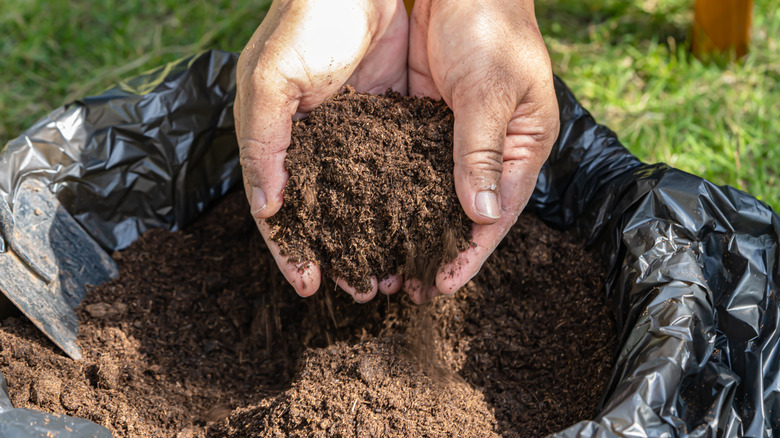
Big, cheap bags of "topsoil" or "garden soil" are usually pretty rough. In general, as with most things in life, you get what you pay for. And this type of bargain soil is lifeless, heavy, and nutrient-poor. Now, if you put this straight in your beds, as-is, just to fill them up, you end up with a heavy, dense layer that water and air struggle to move through.
You absolutely can save money by using this kind of soil, but you need to work it a bit rather than just dump it in the beds. There are a few options. If you don't need to fill the bed right away, you can compost it further with plenty of other organic matter until it's rich, crumbly, and of real benefit to your beds. Your other option is to put it straight into the beds, but mixed with plenty of organic matter, like straw, leaf litter, compost, and grass clippings. Ideally, cover the bed over with a black tarp or a thick layer or cardboard for a few weeks to let it break down a bit. You can further help bring the bargain topsoil to life by composting in place. This just involves digging trenches in the soil, adding kitchen scraps and other compostables, and covering them back over. They break down rapidly with this method, feeding the soil and improving structure.
Don't flatten or raise soil levels without thinking about drainage
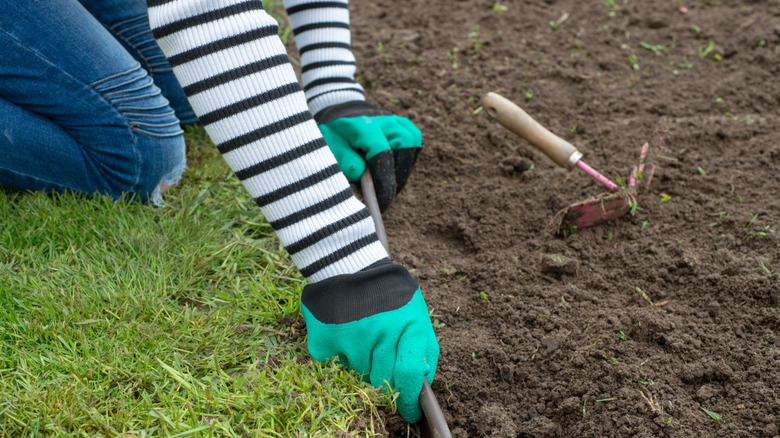
If you're not dealing with raised beds, paying attention to the grading of the bed is really very important. In open gardens and landscaped beds, the soil level and slope of the garden bed can affect the way water moves across your property. If you accidentally raise soil in a bed, or grade it the wrong way, you can cause water to run toward your house rather than away from it. And if you lower soil level in a bed, you can create a depression that holds water and kills off anything you plant there.
Before you start shifting huge amounts of soil, pay attention to how water already moves in that area. If you've already got water pooling, the last thing you want to do is to make that worse, so you'd need to grade the bed carefully so that water flows through or around the bed, not back toward your home or puddling in the bed. You can use garden beds to help direct the flow and spread of water across your landscape.
Don't cram in one of everything just because they looked pretty in their nursery pots
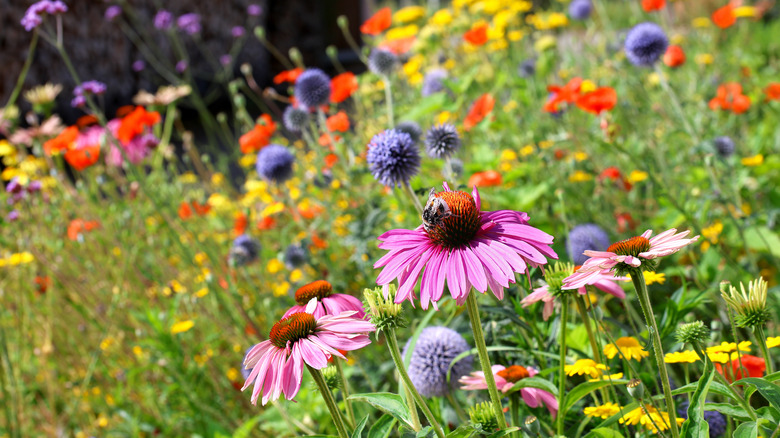
I love a colorful, riotous garden bed, but there has to be some kind of order to the chaos. Just buying one of everything that takes your fancy at the nursery and then cramming it all higgledy-piggledy into one bed confuses the eye and just doesn't look great. Plus, this is one of the quickest ways to ruin proper spacing.
While you probably don't want monoculture beds, as these are bland, very seasonal, and create their own issues for your garden's health, you do need some kind of theme to pull things together. For example, you could choose a hollyhock mix to plant along the back edge of the bed, to draw the eye along that tall, beautiful line of color. And for the mid-height of the bed, go as wild as you want, but anchor it with repeating pockets of something distinctive like purple coneflowers and black-eyed Susans.
Don't forget to account for how you'll actually get into the bed to work
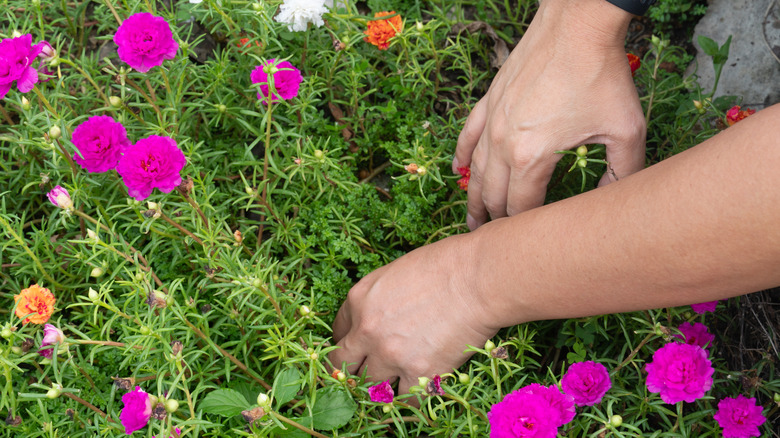
This is the opposite problem of the narrow strips. Beds that are too wide and very full are difficult to navigate and work in without damaging the plants or compacting the soil. You end up contorting yourself to try and weed or deadhead without hurting plants or walking on soil, and it ends up being ridiculously difficult and utterly miserable.
It's important you think about this when you're planning the bed and planting it. If you already have a big, wide bed, consider leaving a subtle pathway that looks like part of the overall design. You could, for example, add some stepping stones that look like they're casually meandering through the bed, but that actually serve as an easy access path for you to get in there and get your jobs done.
Don't plant for one big moment and ignore the rest of the year
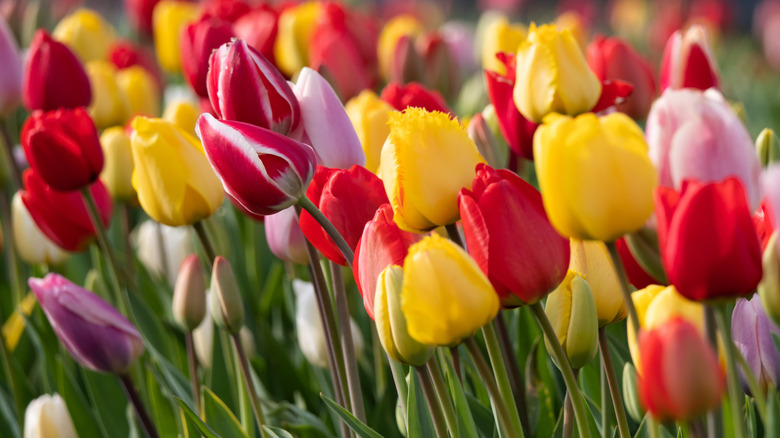
Frequently, people build a bed around their favorite flowers, like a beautiful flush of tulips in spring or for a lovely spread of summer annuals. But they don't think about the rest of the year. In which case, they end up with dull green foliage for half the year, and a sad, barren garden in winter and early spring.
Plan your beds for successional flowering to keep color in the beds for as much of the year as possible. You can also choose plants that add winter interest. Aside from evergreen shrubs, you can also find perennials with interesting colorful stems, like white wood aster with its wiry black stems, and the 'Midwinter Fire' dogwood, which has vibrant orange stems. And, if you don't over-tidy, you can leave the seed heads and stems for things like purple coneflowers, which, although they don't add color, do bring texture and visual interest to the winter garden.