

Juicy, Sweet Fruits That Grow Beautifully With Rosemary Nearby
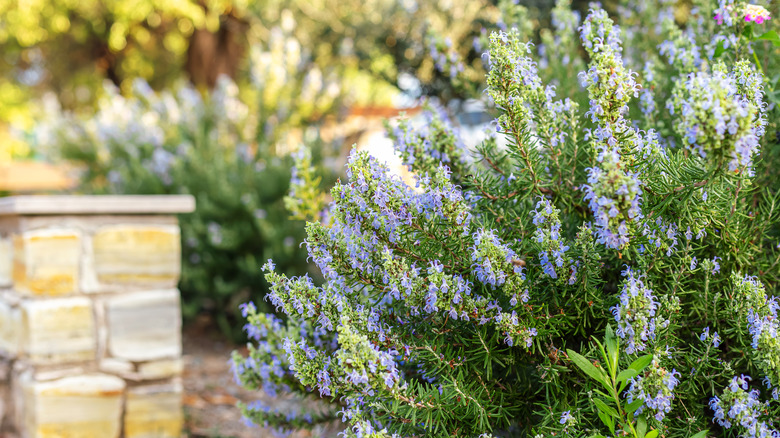
Companion planting is the practice of growing different plant species near each other to enhance growth, deter pests, attract beneficial insects, and boost overall garden health. Planting complementary species can improve soil structure and nutrients, increase pollination, and reduce the need for synthetic pesticides. When you choose plants that share similar environmental needs, such as sunlight, water, and erosion control, you create a more resilient ecosystem in your garden with stronger plants. Rosemary (Salvia rosmarinus) is one herb known for its benefits in the garden, including a pleasant fragrance that attracts bees, butterflies, and hummingbirds while keeping slugs and snails away. Given these benefits, many gardeners suggest planting certain fruits alongside rosemary for juicier, sweeter harvests.
Rosemary is a drought-tolerant, perennial Mediterranean herb that is generally hardy in USDA hardiness zones 8 through 10, depending on the variety. For fruits that grow in colder zones, you can pair them with in-ground rosemary varieties like 'Arp' (Salvia rosmarinus 'Arp'), which is hardy in zones 7 to 10, or plant your rosemary in containers and bring it indoors in winter. It is commonly planted for both the flavor profile (for culinary varieties) and its value in the garden as a natural pest repellent. The aromatic oils have been shown to confuse or deter pests that might otherwise damage nearby plants while attracting beneficial insects that enhance fruit set. Some fruits, like blueberries, raspberries, and strawberries, thrive with rosemary because they enjoy similar growing conditions and provide mutually beneficial root support. Other fruits, such as apples, pears, and plums, benefit from rosemary's pest-deterrent qualities.
Apples
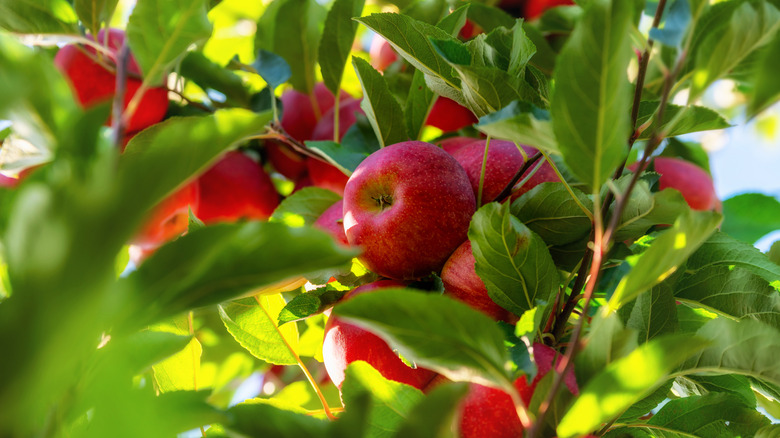
Apple trees (Malus domestica) generally grow in zones 3 through 8, making them great for pairing with either container-grown rosemary or in-ground rosemary in zone 8 (and lower for hardier species). Some apple varieties may be tart, but there are plenty of sweet apples that benefit from rosemary. Both plants benefit from good air circulation and balanced soil moisture. Apples are susceptible to a wide range of pests, many of which dislike the strong scent of rosemary plants. Plus, rosemary won't compete for nutrients or water if you do decide to plant it within the drip line of your trees.
Apricots
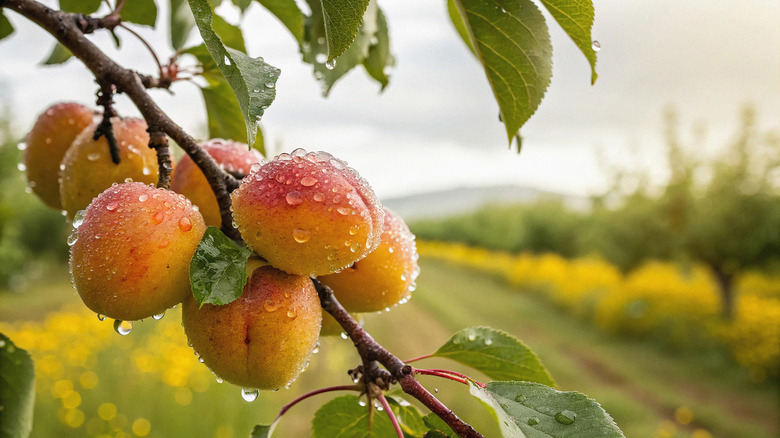
Apricots (Prunus armeniaca) are already exceptionally juicy and sweet, but with rosemary by their side, your trees are sure to be filled with golden orange fruits bursting with flavor. These delicious fruit trees grow in zones 5 to 7 and require excellent drainage to prevent root rot, which can be supported by rosemary plants, whose roots aerate the soil. This pairing works best in warmer climates where they can both benefit from shared soil conditions. Apricots don't need as much pest control as apple trees, but they enjoy the additional pollinators when both plants are in bloom in the spring.
Blueberries

Blueberries (Vaccinium) grow on perennial fruiting shrubs in zones 3 to 9. They prefer acidic soil, which is tolerated by rosemary, but they have slightly different drainage requirements, so placement is an important consideration. While they thrive in the same garden space, you won't want to plant them directly next to each other. That being said, when rosemary is planted nearby, it can attract pollinators that are essential for blueberry production. In fact, the more pollinators you can bring for your blueberries, the larger the harvest.
Cherries
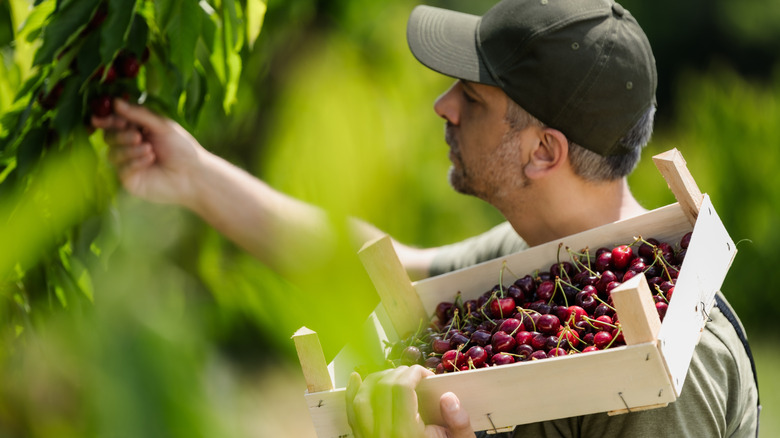
Generally, there are sour and sweet cherry varieties you can plant and grow for juicy fruit. Sweet varieties of cherry trees (Prunus avium) flourish in sunny, well-drained areas in zones 4 to 7. Rosemary's aromatic foliage might help deter browsing pests while attracting bees that cherries need to thrive in the spring. Both plants tolerate similar watering conditions, making them ideal neighbors. Rosemary has also been shown to increase pollination diversity in gardens, which is essential for fruit set for some cherry varieties. In backyard orchards, you can plant rosemary near trees or around the border.
Wine Grapes
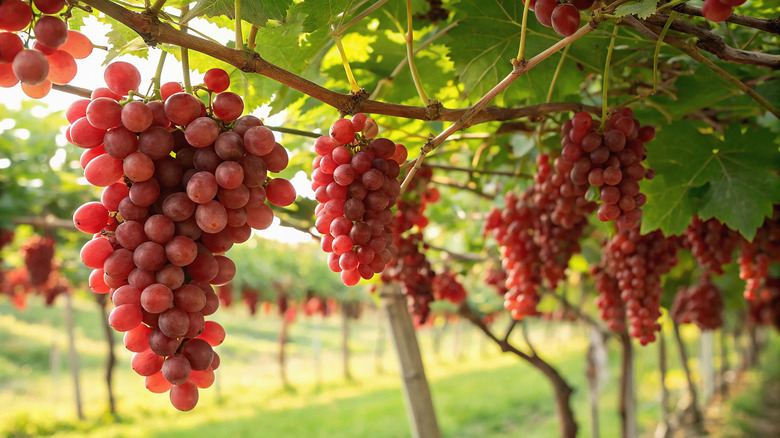
Wine grapes (Vitis vinifera L.) thrive when planted near the right companions, like rosemary. This woody perennial vine is hardy in zones 6 to 9, and thrives in full sun with well-draining soil. Both rosemary and grapes prefer slightly dry soil, so they can grow well in the same space. The scent of rosemary has also been shown to support a healthy vineyard ecosystem by reducing the prevalence of harmful pests and attracting helpful insects. Rosemary can be planted in between grape rows to enrich the soil with antioxidants or in nearby containers to deter pests.
Oranges
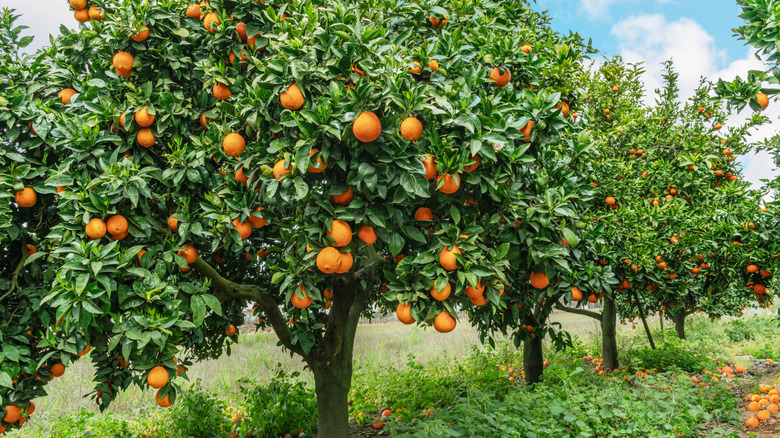
Sweet orange trees (Citrus x sinensis) grow best in zones 9 through11, making them ideal for outdoor rosemary plants in warm climates. Both plants thrive in sunny locations with well-drained soil. Citrus trees are highly vulnerable to pests like aphids, ladybugs, and parasitic wasps, some of which are known to be sensitive to rosemary. They also benefit from higher bee populations, which rosemary can support in the spring. When more bees are present, oranges may produce fruit that is fuller and juicier. In smaller gardens, rosemary can be planted in a ring around citrus trees to increase airflow and prevent fungal issues.
Peaches
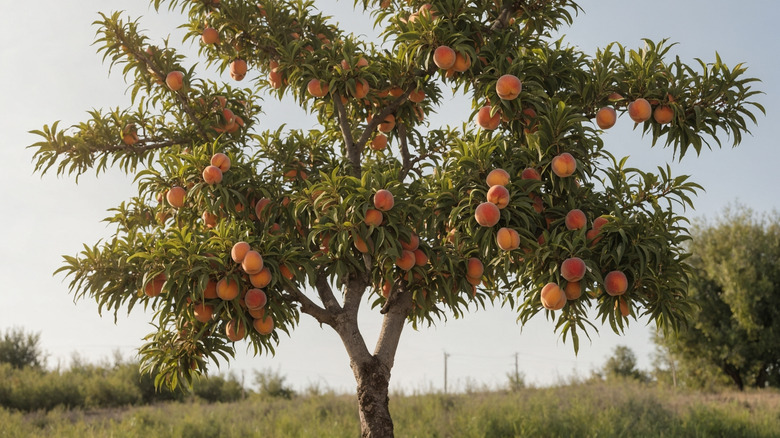
Peach trees (Prunus persica) flourish in zones 4 to 9, depending on the variety. For a sweeter harvest, consider Elberta (Prunus persica 'Elberta'). You can grow this peach tree variety for delicious fruit and stunning spring blooms. Like rosemary (and other fruit trees on the list), peaches appreciate well-draining soil and full sun. Rosemary is great for planting near peach trees because it is drought-tolerant, which can benefit peach trees in hot summers. It can also deter beetles and moths, although it is more effective for moths when dried.
Pears
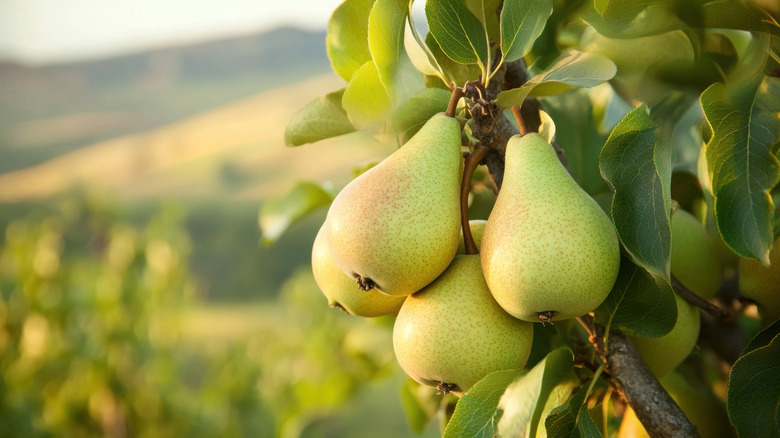
Pear trees (Pyrus) love sunny, well-drained planting sites, similar to rosemary's preferred conditions. They are hardy in zones 3 through 10. They are one of the fruit trees you should plant in the spring for a healthy start. Just like many other fruit trees, they are susceptible to common garden pests (though still fewer than apples) and can benefit from the strong aromatic properties that make rosemary known for natural deterrence and pollination. Planting rosemary at the drip line of pear trees can help reduce soil erosion while improving biodiversity around the tree's base.
Plums
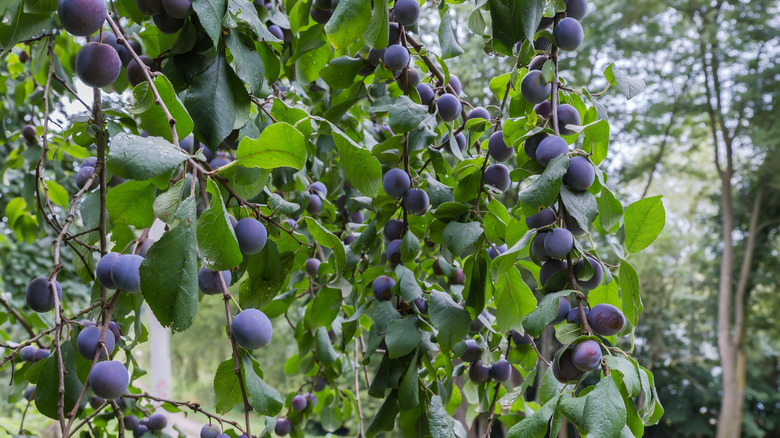
Another juicy fruit that benefits from increased pollinator activity in the spring is plums. Plum trees (Prunus spp.) grow best in zones 4 through 9, with most varieties requiring cross-pollination. Rosemary is one of the many companion plants you can grow to encourage a healthier plum tree. When planted with rosemary, they thrive from additional bee and butterfly activity in the area in the spring. Some gardeners plant rosemary near their plum trees to reduce the need for chemical pesticides.
Raspberries
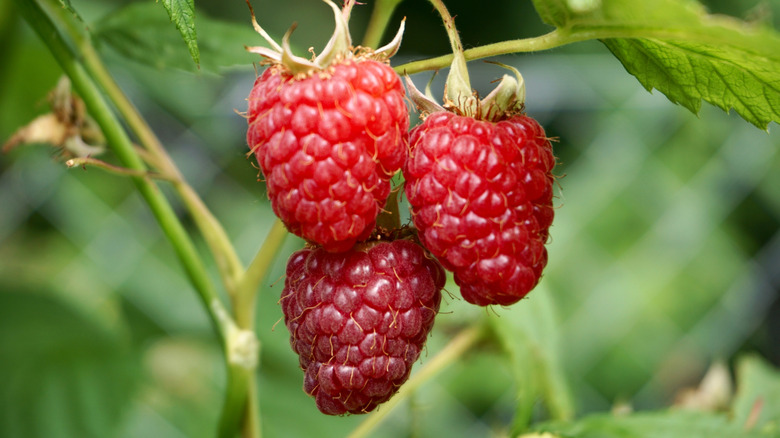
Raspberries (Rubus spp.) are perennial bramble fruits hardy in zones 2 through 8. While they generally prefer slightly richer soil, rosemary can still help when grown in nearby containers or planted along the garden border. Many gardeners claim that rosemary proves effective in repelling certain beetles and boring insects that infest the canes. In addition to soil considerations, you want to give raspberry patches room to expand, as they grow vigorously throughout the season, so avoid planting companion plants directly in the patch. This arrangement encourages pollination while preserving airflow and improving access for harvesting and pruning.
Strawberries
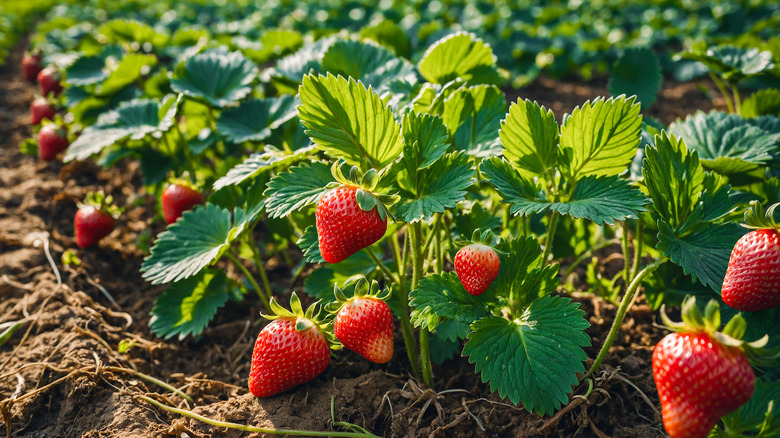
Strawberries (Fragaria spp.) are compact, sun-loving plants that grow in short, spreading patches. Depending on the variety, you can grow strawberries in zones 2 through 10. They are another type of juicy fruit that produces sweeter fruit when they are exposed to increased pollinator activity in spring. When used as a border plant nearby, rosemary can help prevent slugs and snails from damaging your ripe strawberries before you get a chance to harvest them. Plus, rosemary can act as a wind barrier for the shorter strawberry plants. Both plants enjoy similar growing conditions with well-drained soil and full sun.