

Give Your Driveway A Curb Appeal Boost With A Natural Border Solution
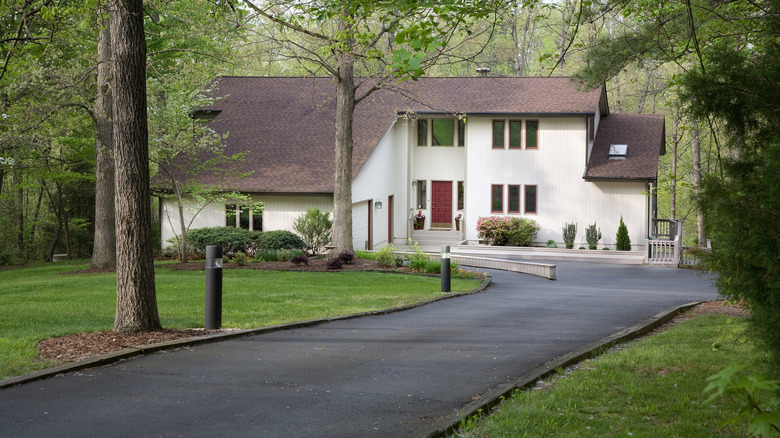
Keeping a clean line where your driveway meets the lawn can be a hassle when grass starts to spill over the sides, or mulch washes away during a storm. When the edges of your pavement look messy or uneven, it can make the whole front of your house seem unfinished. Installing a wooden border is a simple way to fix this by using materials that feel right at home in a garden. These are the types of garden edging ideas that make for the perfect landscaping. Wood provides a soft, organic look that blends into your garden beds while creating a solid edge to keep dirt and gravel where they belong. Use cedar or pressure-treated wood to make sure your new border stands up to the weather for a long time without rotting. Ground-contact rated lumber is particularly effective here because it's chemically treated to resist fungal growth and wood-boring insects even when partially buried.
The border acts as a frame for your yard, naturally leading the eye toward the front door instead of letting it wander over ragged patches of lawn. Having a clear-cut edge also makes your weekend yard work much faster since you won't have to spend as much time trimming back overgrowth or shoveling stray mulch back into place. To maintain this look, you should check the alignment of the wood after the first big thaw or heavy rain to make sure the soil hasn't shifted the border.
Building a wood driveway border for better curb appeal
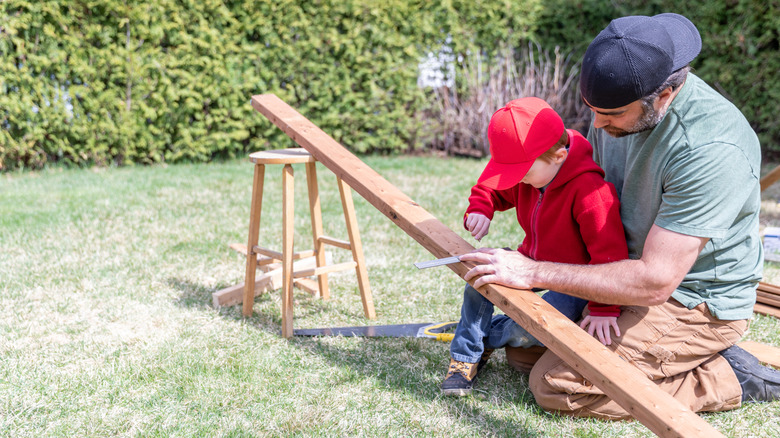
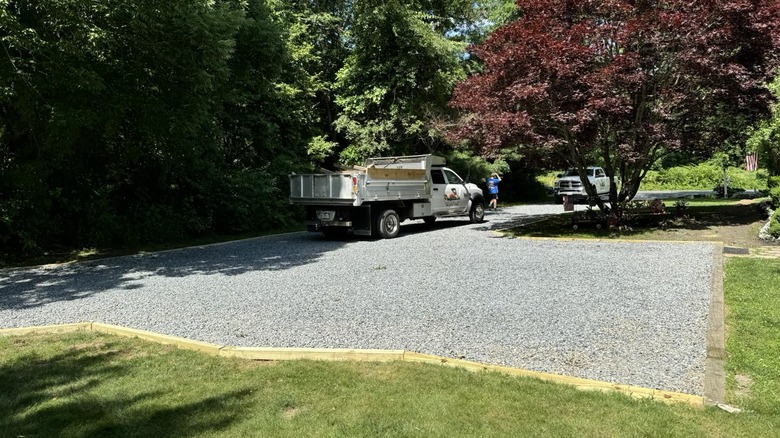
A wood border is considered one of the best materials for edging your gravel driveway, and it only requires a few basic tools and a bit of afternoon effort to install. Start by clearing a shallow trench along the edge of your driveway to make room for the wood. Using a square-edged spade helps create a vertical wall in the soil that keeps the wood from leaning toward the lawn. Most people find that 4-inch by 4-inch or 6-inch by 6-inch timbers provide the best visual weight for a driveway, though 2-inch by 4-inch boards work well for a slimmer profile. Placing the wood slightly below the soil line helps to stabilize the pieces and prevents them from shifting. You can secure the wood to the ground using long galvanized spikes or rebar driven through pre-drilled holes. Use a drill bit about 1/8 inch smaller than the spike diameter for a tight fit. This anchoring method keeps the line straight and prevents the wood from lifting during freeze and thaw cycles.
You can also apply an oil-based stain that coordinates with your home's trim color to protect the grain. Proper drainage is also important, so put a thin layer of gravel at the bottom of the trench to prevent the wood from sitting in standing water. For the best results, use crushed stone rather than rounded pea gravel, since the crushed stone provides a more stable foundation.
Choosing the best plants for a driveway border
Adding greenery alongside your new wooden driveway border eases the transition between the driveway surface and the rest of your yard. Since they offer a mix of textures, colorful perennials are the perfect border plants for your driveway. Low-growing plants like creeping phlox (Phlox subulata) are excellent choices because they form dense mats that spill over the wood, creating visual interest. This plant thrives in USDA Hardiness Zones 3 through 9 and can handle the heat radiating off a driveway quite well. For a more structured look, consider dwarf mondo grass (Ophiopogon japonicus 'Nana'), which stays compact throughout the year in Zones 7 through 10. To prevent the roots from rotting, you should make sure the soil has enough drainage, since water can sometimes pool against the wooden beams. Mixing in a small amount of compost can help the soil stay loose enough for the perennials to establish themselves.
Filling the space between your plants with a layer of wood mulch will suppress weeds and help retain moisture. Picking plant varieties that handle dry spells is also helpful since they can survive the extra heat that reflects off the driveway during the summer. Combining different plant and mulch textures with the wood border gives the yard a layered look that makes the whole area feel well-planned and harmonious.