

Why There's Simply No Need For A Traditional House Key Anymore
We may receive a commission on purchases made from links.
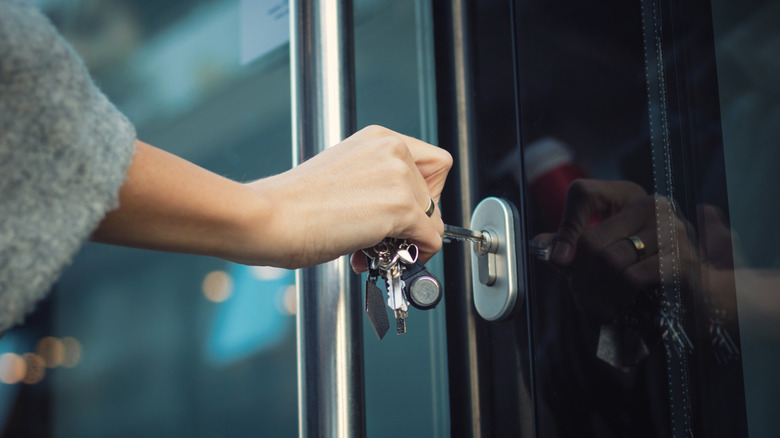
For a long time, physical keys have been the most reliable way for people to enter their homes and keep everything secure when no one is there. However, in modern times, these little pieces of metal are no longer necessary. For me, they were always problematic. I remember constantly losing my key or spending way too much time digging around in my bag before I could go inside. Personally, I never got over my frustration toward house keys. Changing out locks is one of the important things to do right away when moving into a new home, so I decided to take advantage of it and go with something I wanted. I chose a door lock with a keypad. This design allowed me to use some combination of numbers to unlock my door, and I quickly learned to love it. In the decade since I switched the locks, I've never once used my backup keys, which is why I've realized that, for most people, traditional keys just aren't necessary anymore.
For a while, even as lock alternatives came around, having a physical key or key fob was still standard. After all, you usually needed them to lock away personal belongings, to start and unlock your car, and so on. Having a full keyring whenever you left the house didn't feel unusual, so there was no big push to change. However, as everything continues to turn more digital, remembering your housekey is rightfully becoming a thing of the past.
Electronic locks have replaced inconvenient keys
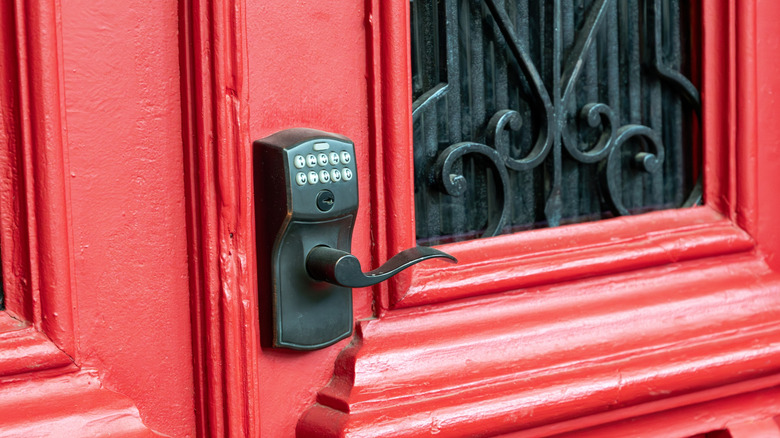
My own lock system is a simple physical button keypad, where I can put in a pin and unlock my door. I have had some version of this lock for over 10 years now, and never once forgot my pin or locked myself out because of a dead battery, despite that being a common concern for housekey traditionalists. My keypads have gotten a little groggy and finicky because of weakening batteries, but this led me to struggle with the thing for only a few minutes to get the pin to accept, and changing the batteries brought everything back to normal.
My keypad is basic, and it works well, but there are many choices on the market. Some of the nicer and newer keypad solutions allow everyone in the family to get their own combo, and you can even set temporary passcodes for people visiting or taking care of your home when you're not in town. There are other options as well, ranging from thumbprint scanners to smart locks that allow you to latch or unlatch the door remotely using your phone. With all the alternatives, it's easy to see why traditional keys are just not necessary. However, one does need to spend time choosing the right keyless door lock to really take advantage of modern technology. After all, if you regularly leave your phone behind, you don't want a lock that depends on a signal from your device before it unlocks.
Choosing the right smart lock makes keys obsolete -- almost
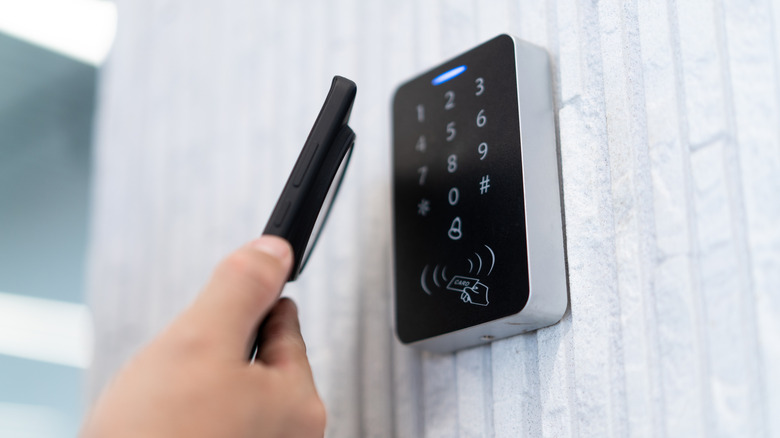
While I do not believe physical keys are a necessity in the modern era, I also don't think you should put all your eggs in one basket, either. If you are going to go keyless, you still need something pretty dependable and simple, like a numbered keypad or a secondary safety mechanism. After all, who hasn't been locked out of their smartphone before because the thumbprint reader didn't acknowledge their finger? You don't want that to happen to your home, so it's a good idea to have a backup option.
Smart locks are nice, but some of the fancier ones need constant Wi-Fi or a continuous supply of electricity to work properly. That means if your power goes out or your Wi-Fi is struggling, you could be left without a way to enter. Battery-powered locks with a few options for opening your door are a better choice, in my opinion. In fact, many of the best smart locks for your home still involve keypads or keyholes in some form.
For example, the Nyboer Fingerprint Smart Door Lock With Handle offers a thumbprint reader, an electronic keypad, phone activation, key fobs, and even a series of keys if you still want a physical backup for peace of mind. And perhaps remember that while smart keyless locks do come with fancy settings, the more features it has, the more likely something is to go wrong.