

Get Rid Of Grease From All Your Kitchen Appliances With These 9 Tips
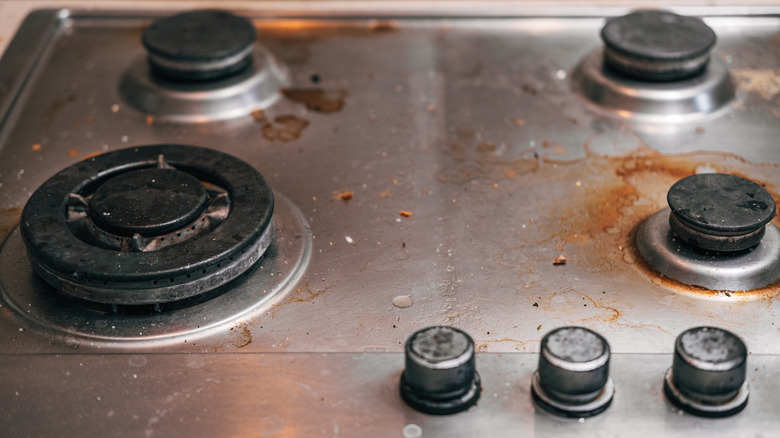
If you cook regularly, especially with oils or fats, grease can quickly build up in your kitchen. When you're staring at the smudgy grease on your appliances, it looks gross, and left to sit, could even damage the surface. Trying to remove grease from any type of kitchen wall can be bad enough, but if you've tried to wipe away grease on an oven or microwave, then you know you often end up with a smudged mess. You can get rid of grease from a variety of kitchen appliances by using some simple remedies, such as baking soda and other common degreasers.
The result of burning oils or fats, grease begins as a liquid, then solidifies once it cools. Grease deposits can coat your microwave, oven, or any other appliance with a sticky, gunky film. That film may then collect dust particles, crumbs, and other debris, which may scratch the appliance's surface. No matter how grease may end up splattered on your appliances, it's important that you remove it as soon as possible. Letting it remain can attract pests and rodents eager to feed on it, as well as encourage development of harmful bacteria, including Salmonella.
Grease isn't just an issue of appearance or cleanliness; it can also be a kitchen fire hazard, as it's highly flammable. If a fire were to start in your kitchen, the buildup of grease around it on various appliances could help fuel it. Even without the fire risk, there's a chance the buildup can block airflow, making your appliance work harder. Getting rid of grease from kitchen appliances can be tricky and requires the right process as well as supplies.
Break down grease with soap and warm water
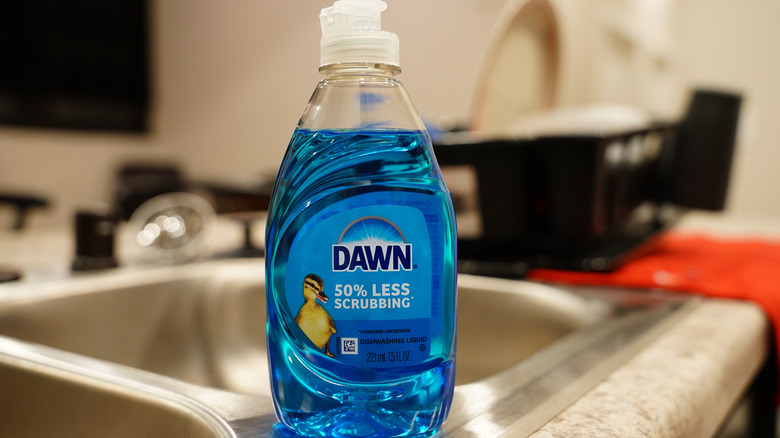
Grease is hydrophobic, meaning it doesn't mix or stick to water and instead actively stays away from the molecules. You'll soon find it's useless to swipe at the grease on your appliances with just a water-soaked cloth. It needs the introduction of a hydrophilic substance, like dish soap, so it can trap the grease molecules. The soap molecules work to trap the grease molecules so you can easily rinse them away. Always use Dawn or other dish soaps with degreasers with warm water to take on the grease, no harsh chemicals needed.
Use the right cloths
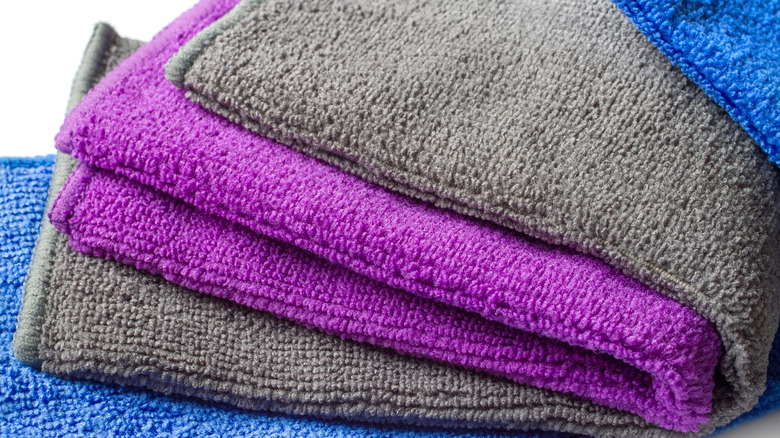
Not all cleaning cloths are made equal. While they can do the job elsewhere in your home, paper towels are sometimes not strong enough for tough scrubbing and can even leave scratches on stainless steel surfaces. Using soft and clean microfiber towels is best. Just ensure you're using a clean one in between swipes if working on a particularly tough grease spot, as the grease can cake on the cloth, and you'd hate to rub it around even more. When wiping down stainless steel appliances, always move in the direction of the steel's grain.
Soak items when you can
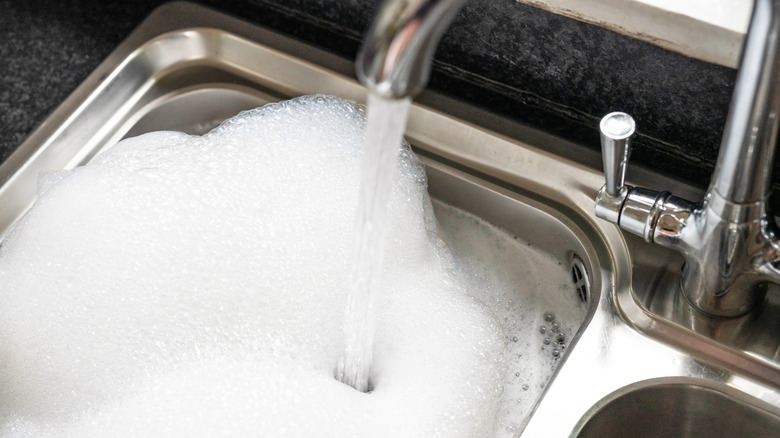
If you have grease gunking up an air fryer, oven, or other kitchen appliances, sometimes a quick session of cleaning isn't enough to remove it all. Using hot water and dish soap is a better method, especially for oven racks or the removable compartments of your air fryer. Soaking oven grates in soapy water for 20 minutes means you can focus on cleaning other elements while it soaks. After the part soaks, you can rinse thoroughly and replace it in your appliance.
Let steam tackle stubborn grease
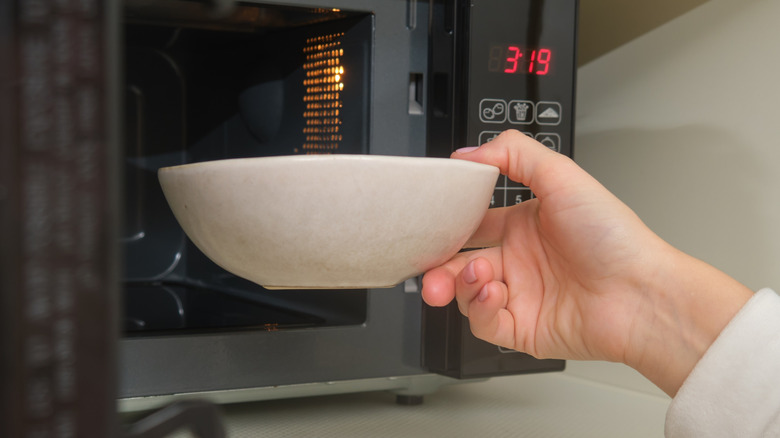
For stubborn grease on appliances such as an air fryer or microwave, you can let steam do the work. You can use your air fryer on "high" for five minutes after filling the basket with 1 cup of water, so the resulting steam will loosen particles more easily, so you can wipe them away. You can also use steam in the microwave, heating up a cup of water for three or four minutes, then let the steam sit for a few minutes before you go over it with a towel dipped in dish soap and water.
Use baking soda paste
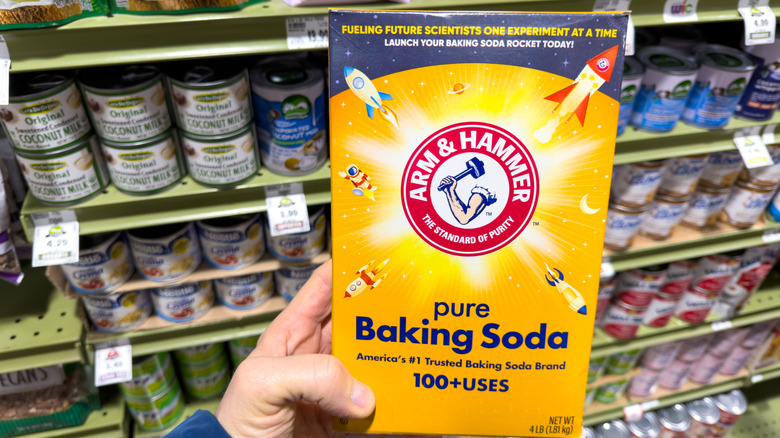
Baking soda (sodium bicarbonate) and water make the perfect grease solution. An alkaline, baking soda, can neutralize grease, and its abrasive nature loosens it. You can clean your oven with baking soda and water to remove grease. Combine ⅓ cup of baking soda with 3 tablespoons of water to make a paste. Apply liberally to the oven interior, avoiding the heating parts, then let sit for 15 to 20 minutes. Clean up the grease with wet paper towels. If it's really stuck on, you can let the paste sit overnight, then wipe it away in the morning.
Try some vinegar in the mix
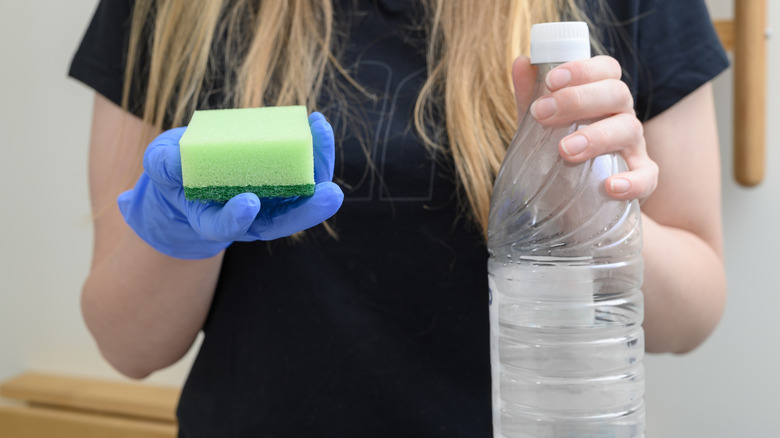
Distilled white vinegar combined with warm water is a powerful yet all-natural cleaning solution for light coatings of grease. The vinegar's acetic acid helps dissolve the grease, while the water can help wash it away once the grease is dissolved. You can make a quick diluted cleaning spray with equal parts water and vinegar. Once mixed, spray on the grease spots and let it sit for around 10 minutes. If you have anything with aluminum elements you're cleaning, avoid treating it with vinegar, as it can discolor the surface.
Avoid abrasive cleaners and materials
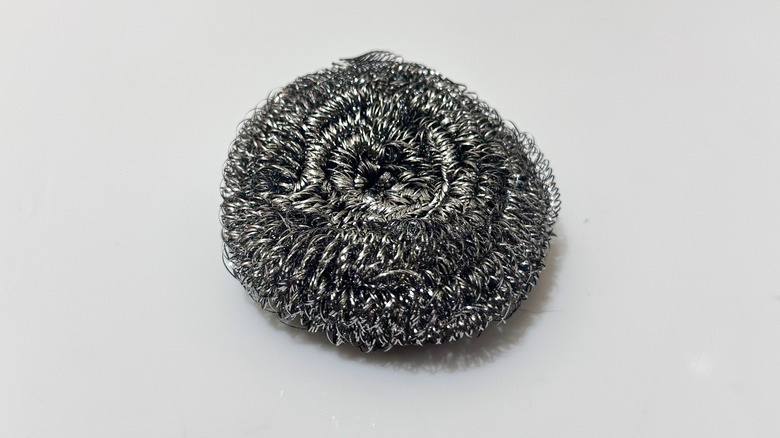
You may be tempted to grab a gritty cleaning option to truly just get rid of the grease for good, but you may do more harm than good. Scouring pads and steel wool can quickly damage the exterior of your kitchen appliances, dulling or scratching the surface. Any new divots or scratches may make it easier for grease and bacteria to collect. Using abrasive powders or cleaners may remove any protective coating or finish of your appliances as well. Luckily, there are multiple natural and gentle methods to use instead.
Throw in some citrus oils
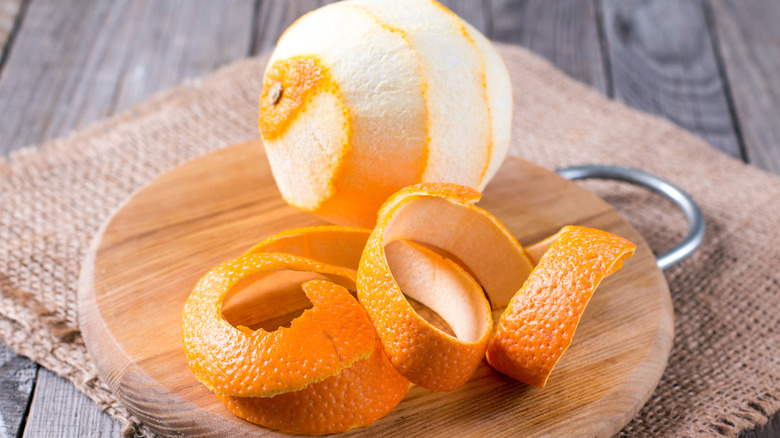
Citrus oils can help you address greasy buildup on kitchen appliances. Oranges contain the highest amount of d-limonene of the citrus fruits, and this is a proven way to tackle tough grease deposits. The natural degreaser of this orange peel hack can be combined with distilled white vinegar to make an effective cleaning solution. Let orange peels sit in vinegar for a week, then use the strained vinegar to clean. You can also throw in a few orange peels into the cup of water in your microwave when using steam to clean grease.
Make grease disappear with a Magic Eraser
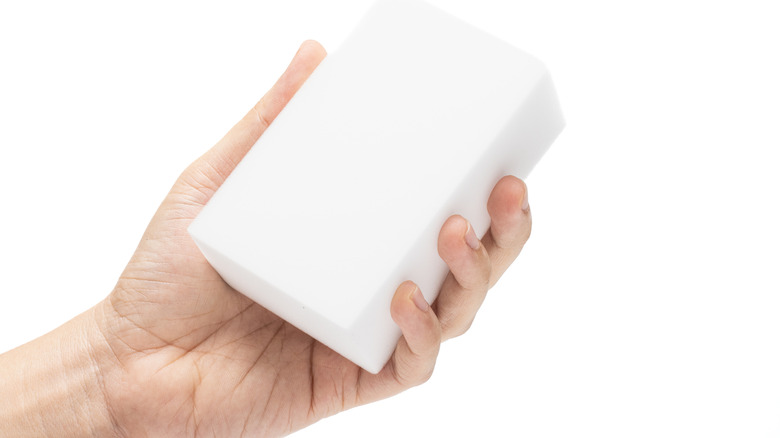
There are multiple greasy things you didn't know you could clean with a Mr. Clean Magic Eraser. Made of melamine foam, they are gently abrasive and can work with just water. Wet your Magic Eraser with water, squeezing to get rid of the excess, then swipe it across the grease spots on your cooktop, stovetop, and stove knobs. Follow your cleaning with a quick rinse with a wet, clean cloth, then dry with a second cloth. If you have stainless steel appliances, don't use a Magic Eraser on the surface, cautions Mr. Clean.