

10 Garden Plants That Thrive In Soil Fed With Cocoa Mulch
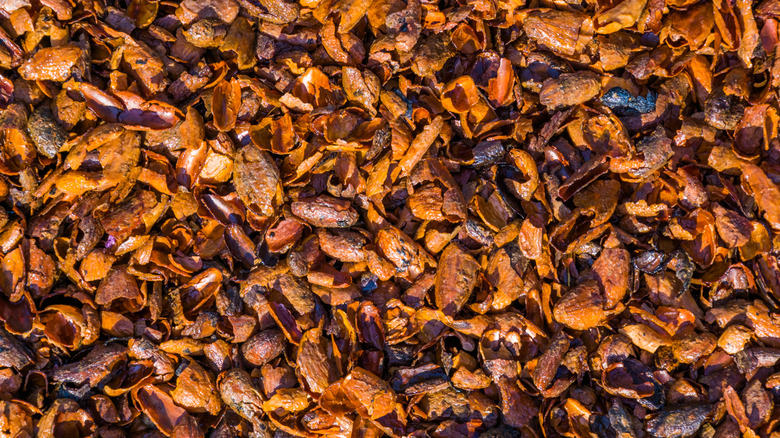
Mulch is an essential ingredient to soil care for several types of plants. But did you know there are also different kinds of mulch? Choosing the best type of mulch for your garden depends on the type of plants you are planning to grow. Cocoa mulch is made from the outer shells of cocoa beans, making it one of many eco-friendly mulch options that can boost your soil and help certain plants thrive. This rich, dark brown mulch smells faintly like chocolate and adds a polished look to garden beds, but that's not all it does. It is commonly used to improve soil structure, suppress weeds, and help soil retain moisture. As it breaks down, cocoa mulch contributes nutrients to the soil, feeding beneficial microbes and gradually enriching planting beds. However, since cocoa is slightly acidic, it has been known to lower the soil pH, which can be great for some plants, but not ideal for others.
Many fruiting plants and ornamentals thrive with cocoa mulch at their roots. Acid-loving crops like blueberries appreciate the gentler pH support, while moisture-loving ornamentals such as hostas and lilies benefit from its water-retentive qualities. Even heavy feeders like roses, tomatoes, and peppers enjoy the added organic matter. The pH amendment is minor enough that this mulch, will still work with most plants if you are interested purely in aesthetics, but avoid using it with plants that like alkaline or dry soil. In additions, cocoa mulch is toxic to dogs and cats if ingested, causing minor symptoms like vomiting and shaking muscles when consumed in large quantities. It is recommended to only use cocoa mulch in pet-free gardens.
Blueberries
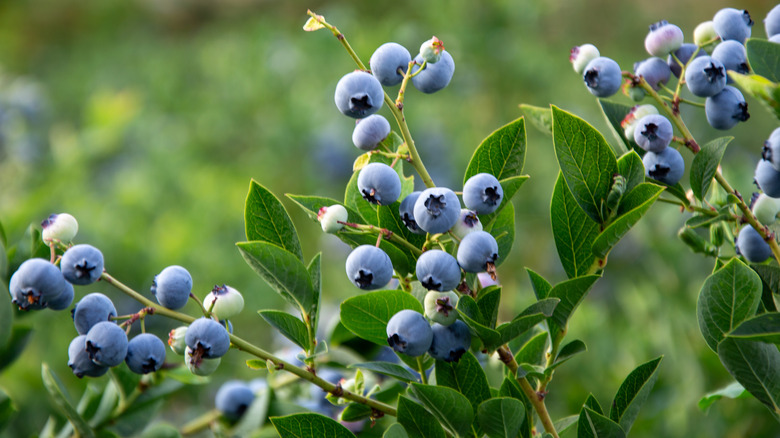
Blueberries (Vaccinum) are a great addition to any garden in USDA hardiness zones 3 to 9. This fruiting perennial bush prefers acidic, well-draining soil, making cocoa mulch a smart pairing. The mulch helps maintain a lower pH in the soil while conserving consistent soil moisture, providing the perfect environment for growing plump, flavorful berries. Spread a 1 or 2 inch layer around the base of each plant, extending to the drip line, leaving a few inches for the stems. Cocoa mulch also suppresses weeds that compete for nutrients with shallow blueberry roots.
Oranges
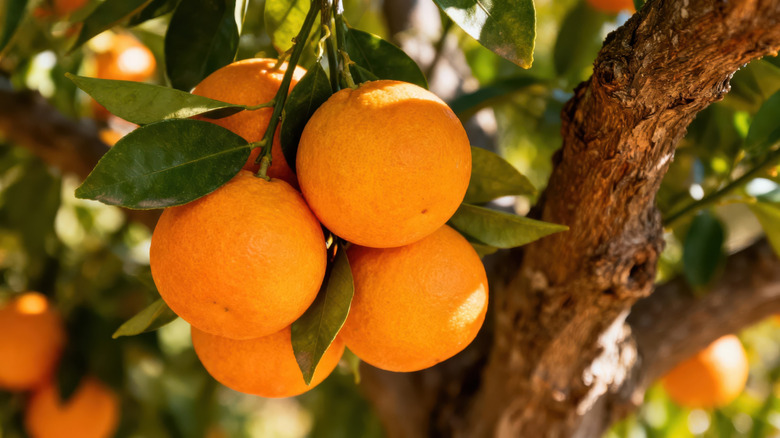
Another plant that flourishes in slightly acidic, well-draining soil is orange trees (Cirus x sinensis), which grow in zones 9 to 11. A thin layer of cocoa mulch around the root zone conserves moisture during hot weather and moderates soil temperature swings. This is particularly helpful for young citrus trees establishing roots. Apply the mulch in a wide circle beneath the canopy, but avoid piling it against the trunk. As the shells decompose, they contribute organic matter that supports healthy root growth and nutrient absorption, promoting glossy foliage and abundant fruit production.
Meyer Lemons
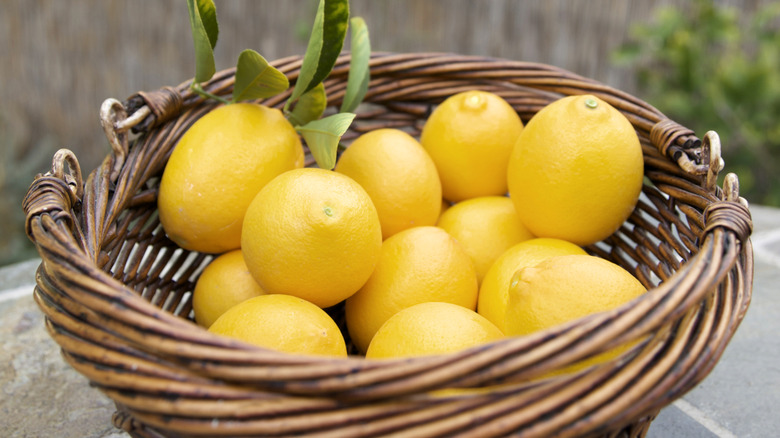
Cocoa mulch is highly beneficial for all types of citrus fruits, and there are plenty of varieties of lemons that it can support, but meyer lemons (Citrus x limon 'Meyer') stand out because the mulch can be used in the ground or in containers. Meyer lemons are commonly grown in containers, so they need consistent moisture and nutrients. However, if using mulch in containers, maintain a thin layers as thick cocoa mulch can promote mold growth. Since you should unpot and trim Meyer lemon roots every few years, the fast decomposition rate of cocoa mulch reduces waste.
Figs
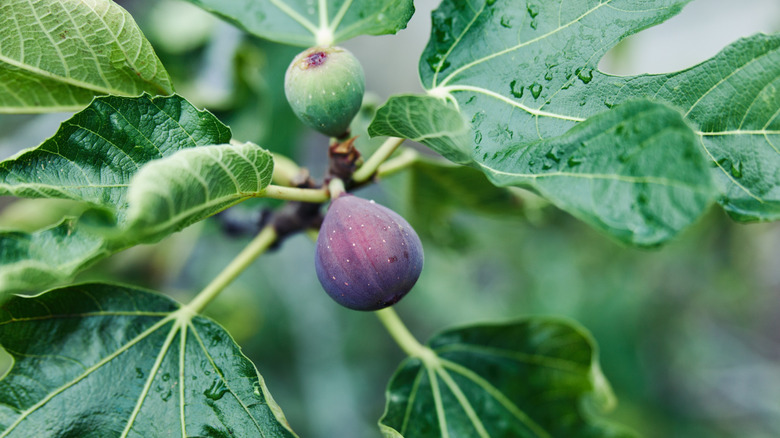
Figs (Ficus carica) grow on medium-sized trees in zones 7 to 10 that can grow to be between 10 and 30 feet tall. They appreciate well-drained, slightly acidic soil enriched with organic matter. Cocoa mulch helps regulate soil moisture, which prevents the soil from drying during extreme hot spells, which are common in warmer climates. The added consistency helps reduce stress and support steady fruit production. Fig trees also benefit from the improved soil texture over time, which encourages a strong root system. In cooler zones, mulch adds insulation during temperature dips, which protects the roots from damage.
Hostas
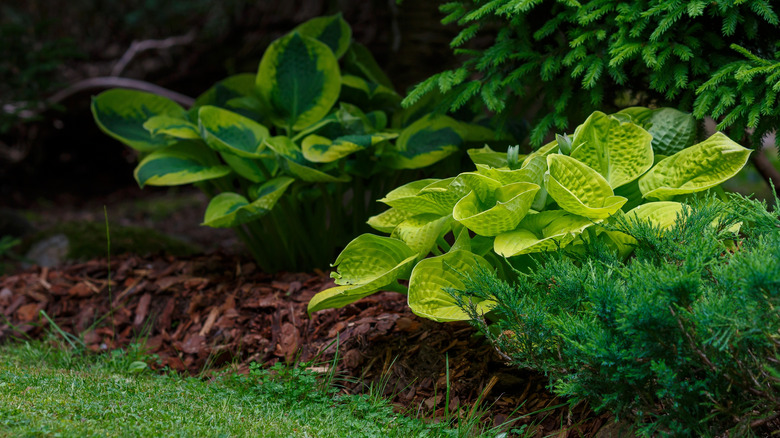
Hostas (Hosta spp.) are an ornamental plant that grow in partial or full shade in zones 3 through 9. They thrive in moist, rich soil, and they love mulch, so cocoa mulch is a good fit to help they leafy perennials maintain lush foliage. Since shade can promote mold and fungal activity, start with a thin layer of mulch around the plants in the spring. The improved soil structure that cocoa mulch provides may also support the shallow root systems of your hostas, as long as you avoid deep layers which can suffocate crowns.
Roses
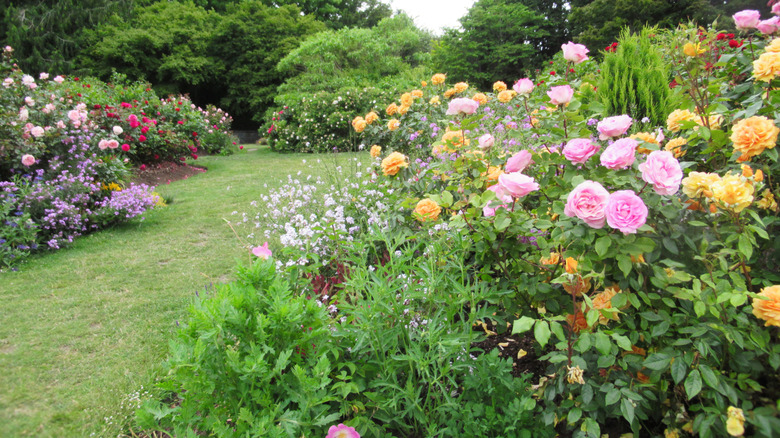
Roses (Rosa) come in all different varieties, including vines and shrubs, but most grow in zones 5 through 11. Cocoa mulch is a widely considered a good choice for roses because most varieties do well in well-draining, slightly acidic soils. These heavy feeders also enjoy the added organic material and increased microbial activity. You'll want to give the canes some room to breath, but the dark color creates a stunning visual contrast with the variety of rose colors and vibrant foliage of bushes.
Lilies
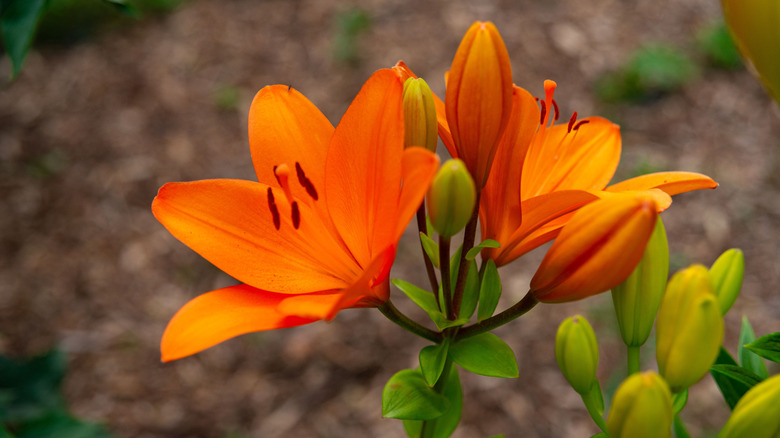
Another ornamental plant that pairs nicely with cocoa mulch is lilies (Lilium spp.). Most perennial varieties grow in zones 4 through 9 and prefer cool roots and well-drained soil. Cocoa mulch keeps the root zone evenly moist while shading the soil surface. It's best to apply the mulch over a layer of compost after shoots emerge in the spring, taking care not to bury the stems. The organic matter breaks down quickly to support healthy bulb development and future blooms. In areas with fluctuating temperatures, mulch also buffers soil from sudden changes, reducing plant stress.
Bell Peppers
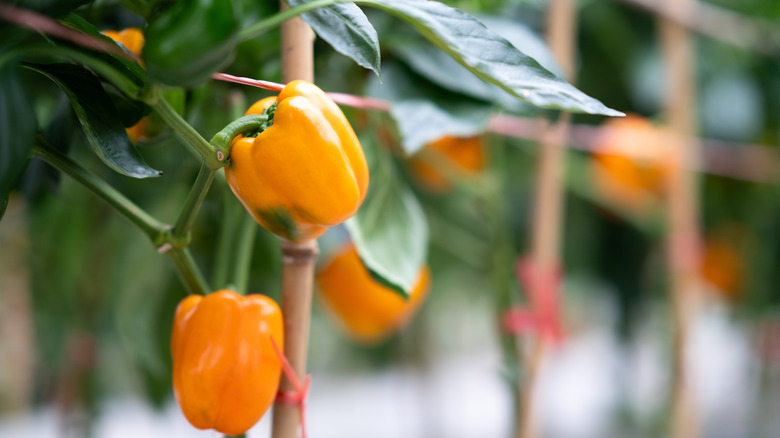
Bell peppers (Capsicum annuum Grossum Group) are a type of annual pepper that thrives in warm, fertile soil. You may be unaware that peppers like mulch because not mulching is one of the most common mistakes everyone makes when growing peppers. The dark color of cocoa mulch helps maintain warmth and moisture that help with fruit set. Add mulch about a week before you plant your pepper plants to help warm the soil. Weed suppression is also crucial for healthy pepper development.
Tomatoes
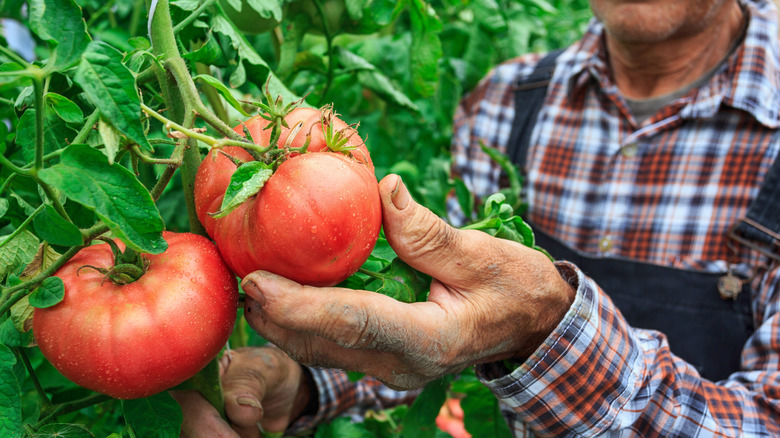
Tomatoes (Solanum lycopersicum) are a common annual staple in all different types of gardens, and they love steady moisture and nutrient-rich soil. Cocoa mulch reduces evaporation and keeps the roots cool during summer heat. Mulching about 5 weeks after planting is important to keep the soil from splashing up on the leaves and to help control weeds. While some sources recommend a thick layer of mulch around tomatoes, you will want to start thinner with cocoa mulch (about 2 inches) to avoid issues with slime mold.
Strawberries
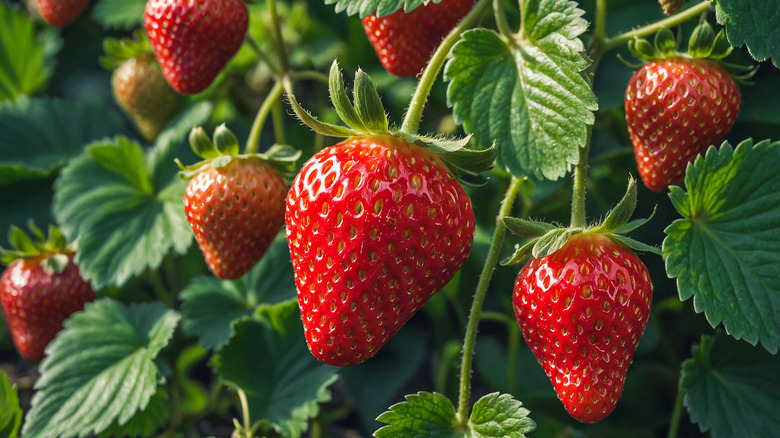
Strawberries (Fragaria spp.) are perennial fruits that are grown in zones 3 through 10. They appreciate evenly moist soil and like mulch that keeps the berries clean and off the bare ground. Cocoa mulch forms a protective barrier that reduces rot and weed competition. Straw mulch is best in the winter, but cocoa mulch is good during the growing season. The added nutrients from decomposing cocoa husks encourage healthy runners and fruit production. The slight acidity also aligns well with strawberries' soil preferences, supporting more flavorful yields.