

10 Affordable Ways To Reduce Dust To Make Your Home Cleaner
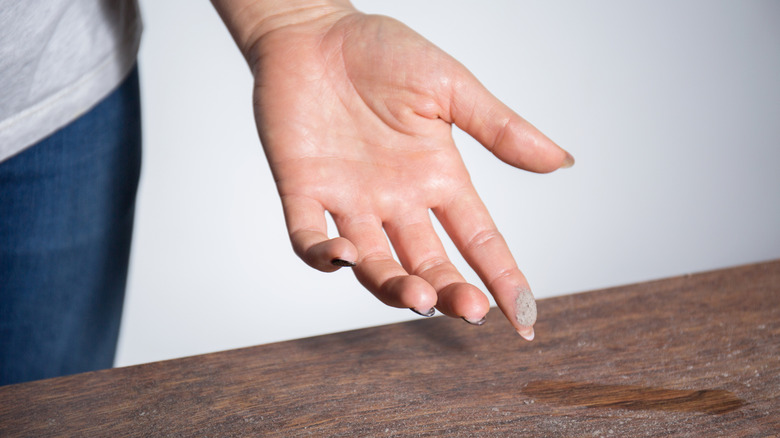
If you live in a house, you probably have dust. Dust comes from all kinds of sources, but mainly we bring it in from the outside, or it collects indoors on various surfaces. Too much dust can attract dust mites, bacteria, or mold, so it's important to try to prevent it from building up. Reducing dust not only makes your home cleaner but also makes it a healthier living space. There are a few low-cost and easy ways to do that.
Dust is at least partly made up of shed human skin cells, and since our skin gets drier in winter, keeping humidity at a comfortable level can help. Pets also add their share of dust from shedding hair and skin, so pet-friendly house cleaning tips are helpful. Good hygiene practices for humans and pets can help cut down on dust. Also, vacuuming rugs frequently and cleaning things like hairbrushes and brooms helps.
But there are other basic cleaning and maintenance tricks and tips to help you substantially reduce the amount of dust in your home. Cutting back on clutter, removing shoes indoors, and cleaning bed linens regularly are all low or no-cost ways to lower dust and dirt levels. If you think you may have a dust or pollen allergy, it's a good idea to look into ways to help reduce your exposure to these irritants.
Have a welcome mat outside.
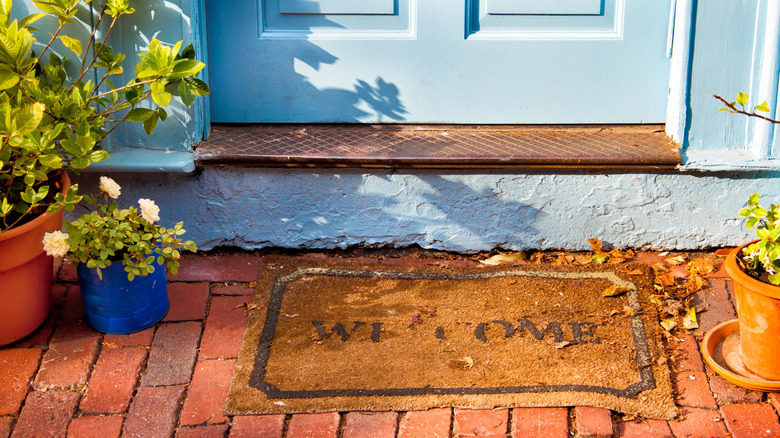
It doesn't have to say "welcome" (and there are many designs available), but a rustic doormat on your front steps or porch can help reduce dust build-up indoors. The coir mats have bristly fibers that trap dirt and debris. They also clean your shoes if you gently rub them back and forth on the soles before walking in. Of course, removing shoes once you're indoors is also a good idea, but for guests who are only stopping in briefly, this is a good first line of defense.
Use rugs at indoor entryways
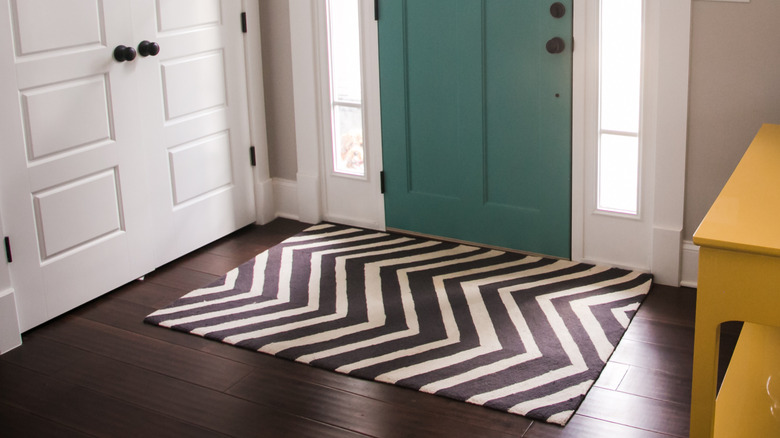
Having a small floor mat inside the door, in addition to your welcome mat outside, will help cut down on dust and dirt being tracked into your home. These come in a variety of sizes and materials, some with non-slip rubber backing for safety. Some materials are easy to clean with a quick vacuum, while others may require more effort or special care. Vintage wool runners absorb dirt well, but may get too much wear and tear near your front door.
Reduce clutter
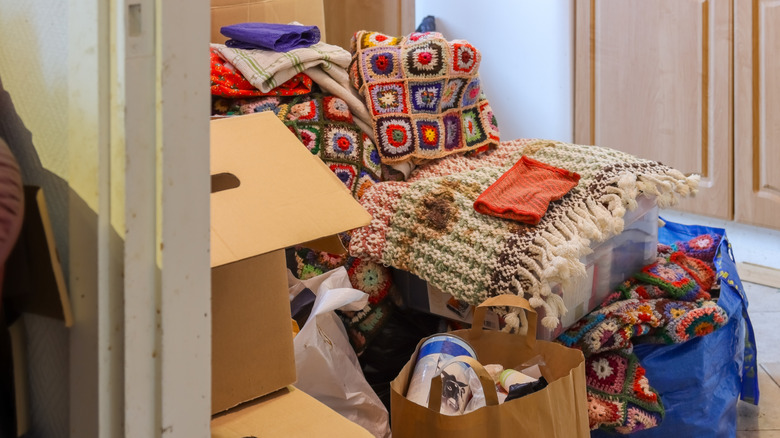
Some people think having a large house is a dust collection nightmare, but even worse is a small house with clutter. Each surface of every object can collect dust, and some materials attract more dust than others. Purge your unwanted stuff, and use storage solutions that prevent dust collecting. If you don't have linen closet space, use plastic totes for storing extra linens, blankets, or out-of-season clothing. Cardboard boxes tend to absorb moisture, which can cause fabric or books to get musty, so try to avoid cardboard boxes as long term storage.
Remove shoes and wear slippers indoors
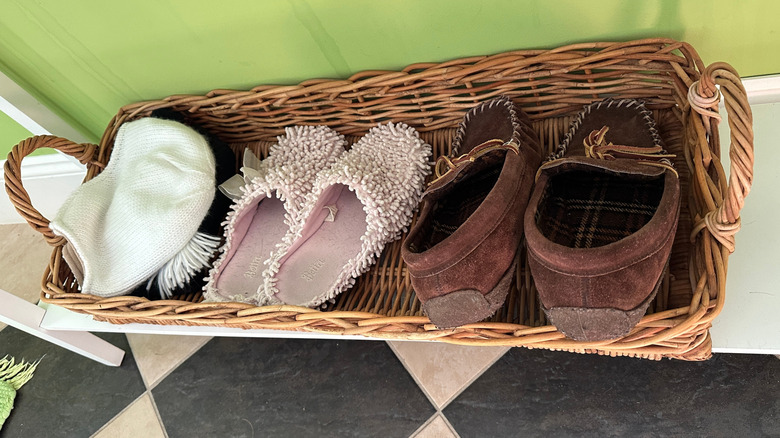
Removing your shoes after coming inside and before you walk around your house is a surprisingly effective way to cut down on dust and dirt inside. Cleveland Clinic says this practice can also help reduce germs and bacteria in the home. Some people keep a tray or mat by the door for their outdoor shoes, and a basket or tray of slippers to wear inside. Clean out the trays or baskets in your shoe area, sweep or vacuum beneath them periodically. Some folks also provide slippers for guests to wear indoors.
Freshen up area rugs outside
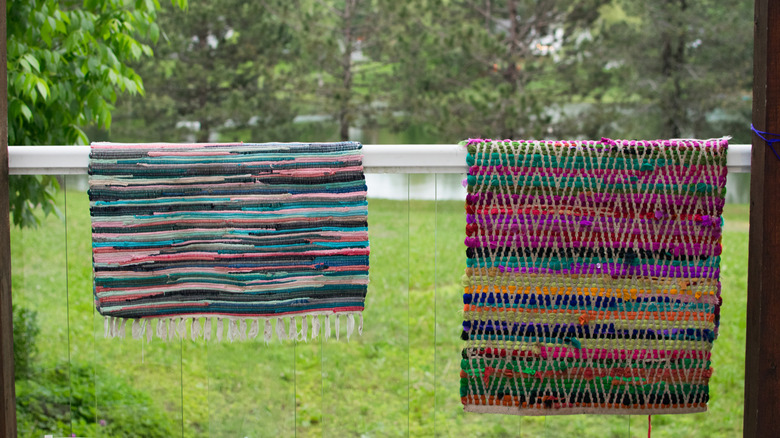
Small area rugs can be freshened up by shaking them outside and hanging them up to air out. Doing this outdoors prevents the dust that sweeping or vacuuming can stir up. I like the colorful cotton chindi rag rugs from Aldi, one of their "here today, gone tomorrow" specials, which often include great budget home decor finds. They come in two sizes, both for under $10. They're easily washable, but in between washings, they can also be shaken outdoors, spritzed with vinegar, and left to freshen up in the sun.
Wash bed linens

We spend about a third of our time sleeping (ideally, anyway), and our skin renews itself by shedding cells, which turn into, you guessed it, dust. Keeping bed linens clean helps cut down on dust and also prevents dust mites. Some people wash everything at once, but if you want to space laundry chores out, wash your pillow cases once a week, and wash bed sheets every two weeks. Duvet covers or bedspreads, should be washed or cleaned every three or four weeks, more often as needed (especially if pets spend time on your bed).
Groom your pets
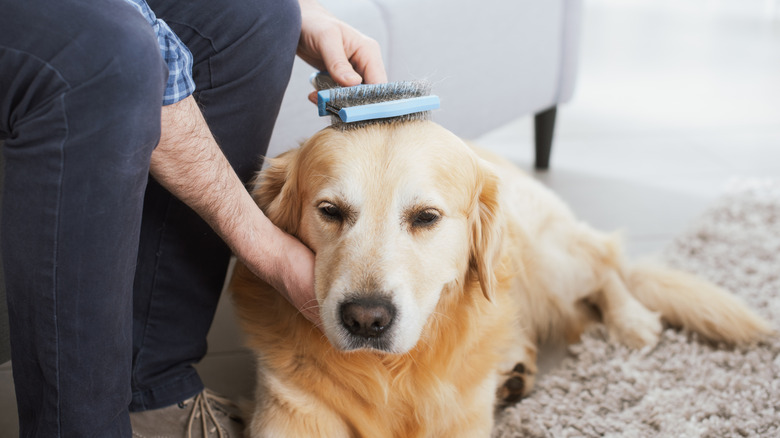
Pet dander (shed skin cells) can be a source of dust and debris in the home, as can pet hair. If you have a dog or cat who sheds a lot, you know how messy it can be: My Labrador Retriever shed a lot of fur during spring shedding season! It's important to groom your pets (with combs, brushes, or cloths) and sweep or vacuum up the hair frequently to cut down on dust and bacteria. Bathe dogs consistently, especially if they frolic outside. Clean your vacuum cleaner's canister before and after pet shedding season, too.
Open (or close) windows
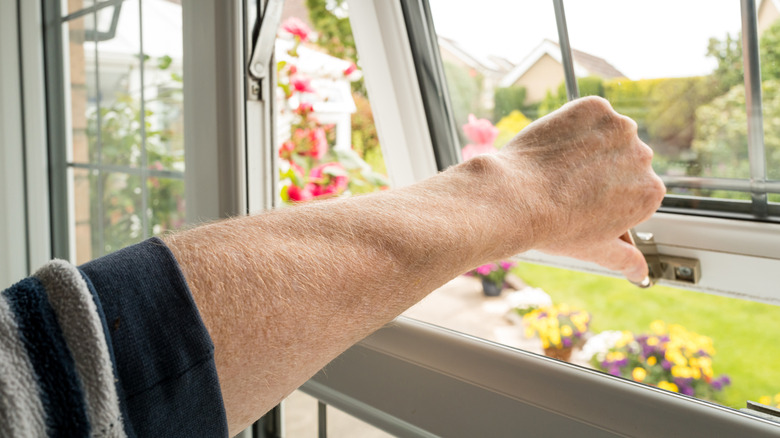
Opening windows to allow fresh air to circulate in the home during the winter months can improve humidity levels and cut down on dust. However, in spring, summer, and fall, open windows can allow particulate matter or pollen to enter your home, depending on the season and weather conditions, and these can increase dust. Having fine mesh screens can filter some of these particles out. If the Air Quality Index (AQI) is abnormally high, keep windows closed.
Replace HVAC filters
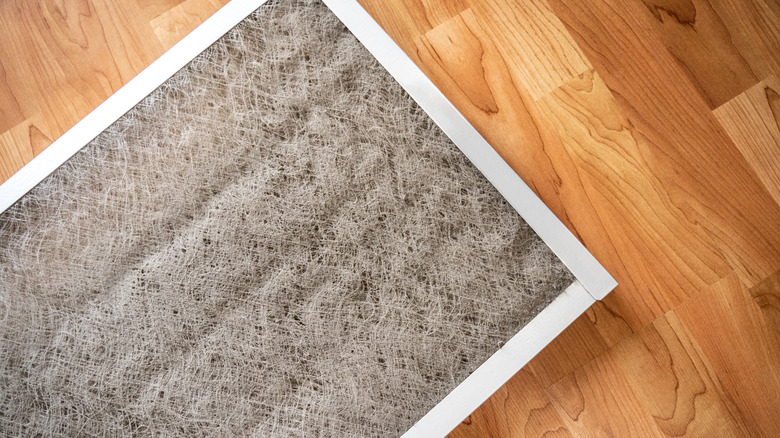
Depending what time of heating or cooling systems you have in your home, it's likely that they have removable filters. Some of these filters are disposable, while others have to be cleaned. It's imperative to clean or replace them at least once per season to lessen dust and bacteria from moving through the air in your home. Ideally, check your heat or air conditioning vent filters before and after their busy season begins (autumn for heat, late spring for air conditioning). Clean or replace filters as needed and keep extras on hand.
Clean plants
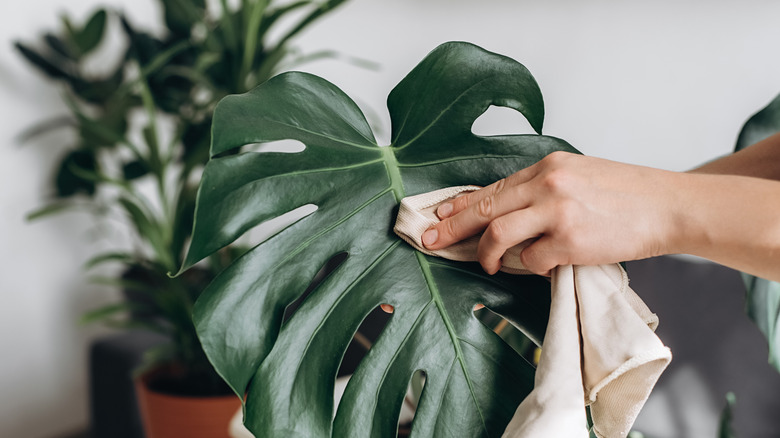
Some house plants are known to help purify the air in your home. But house plants, especially large ones like monstera, can also collect dust on their leaves, especially in winter. This dust not only looks a bit unattractive, but it can also attract dust mites. Keep your plants free of dust by cleaning the leaves with a soft cloth and spritzing them with water to improve humidity as needed.
Vacuum frequently
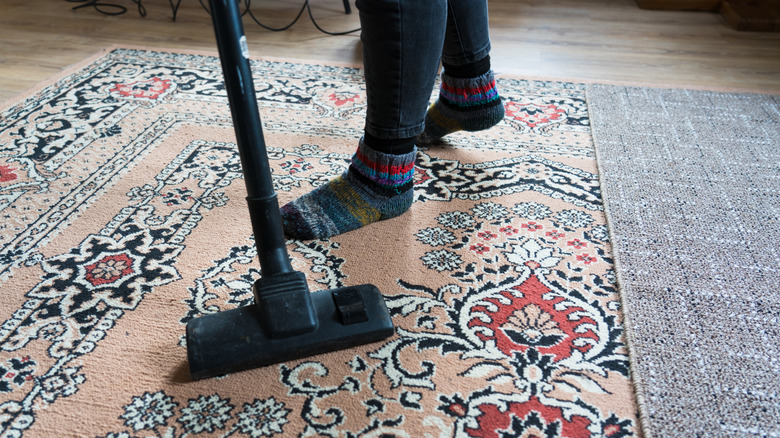
Although vacuuming can stir up a bit of dust in the home, it's also one of the best ways to remove excess dust from floors, rugs, and upholstery. Get a vacuum with a good HEPA filter if you can. Vacuuming rugs at least once a week reduces dust and dirt considerably. Cleaning your vacuum's filter or canister frequently helps cut down on any excess dust that may get stirred up. When vacuuming your furniture, use the proper hand attachment, and be sure to remove cushions and get into the crevices.