

19 Best Perennials You Should Be Planting In March
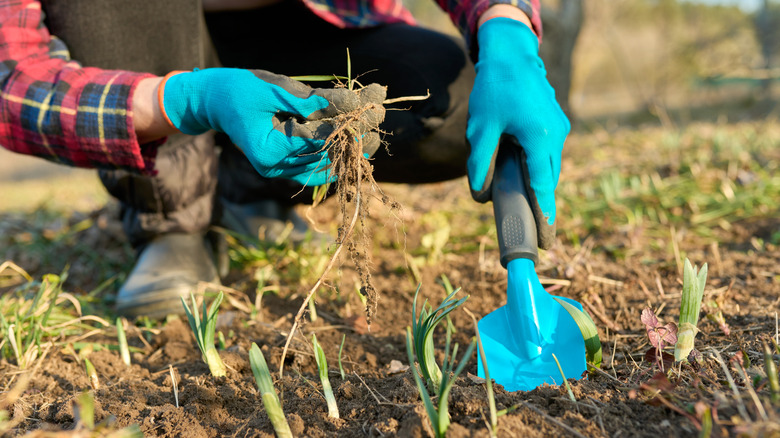
In many regions, March is a transitional month. It's still officially winter for two-thirds of the month, but spring weather comes earlier than March 21 in many parts of the country. Depending on where you live, March is the best time to plant perennials that can put up with a little frost and could benefit from the head start on a long growing season. For these tougher flowers, herbs, fruits, veggies, and shrubs, follow the general rule that if you can work the soil, you can plant them.
Planting early gives perennials a chance to establish deeper, wider roots; allowing them to find nutrients to grow larger over the growing season and water to withstand the summer heat and potential drought. Many pests have yet to emerge this early in the year, giving your plants a chance to establish themselves so they can better fend off enemies.
When planting in March, keep in mind that lower temperatures mean lower water needs, as plants don't lose as much water compared to summer months nor does the soil dry out as quickly. Water your perennials deeply immediately after planting, but avoid over-watering this early in the year. If an untimely deep freeze is imminent, protect these plants from a hard frost.
Asparagus
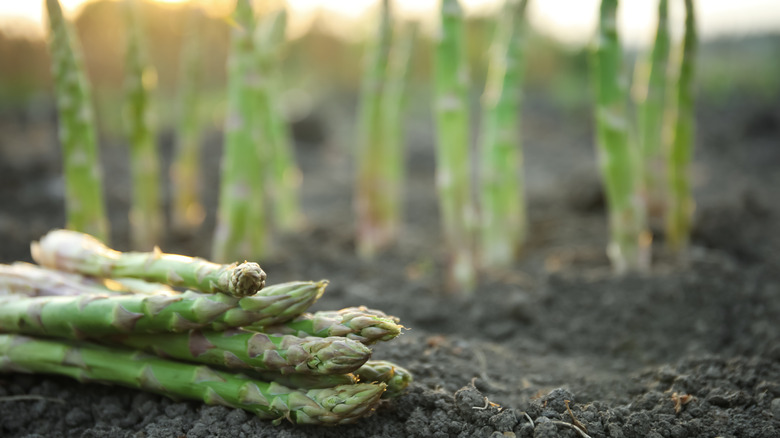
March is a great time to plant asparagus (Asparagus officinalis), but depending on where you live you can plant it as early as February. Asparagus is a tough perennial that's hardy in USDA hardiness zones 2 to 9. It's good to start asparagus early because the plant's edible spears are among the earliest vegetables ready to harvest. Once the plant begins to flower, the stems turn woody and are tough to eat. Plant asparagus in full sun in moist, well-draining soil of nearly any type.
Azaleas
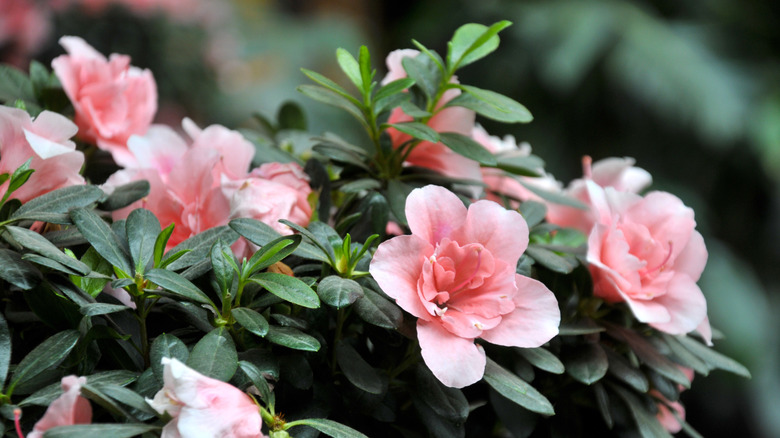
Azaleas (Rhododendron spp.) are members of the Rhodendron genus that are hardy in zones 3 to 10, but azaleas generally bloom earlier than rhododendrons –- in March and April, before most other shrubs have flowered. Plant azaleas early so they have a long growing season in their first year, allowing them to develop a strong root system before going dormant in the winter. They should be planted in acidic, organically rich, well-draining soil in part shade at the back of a border. Give them lots of room to spread out.
Black-eyed Susans
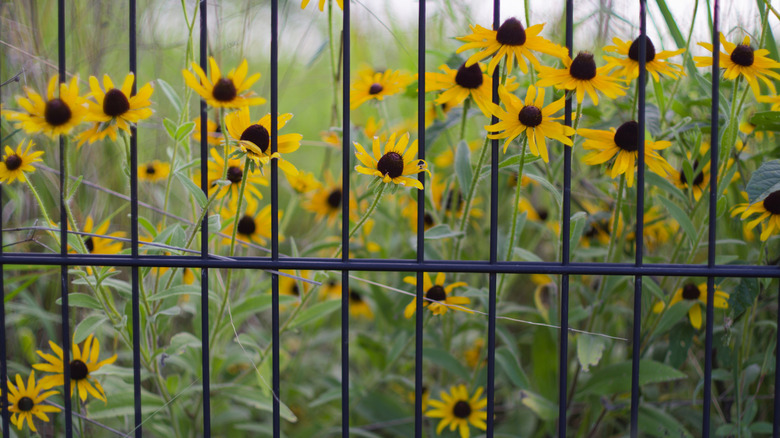
Black-eyed Susans (Rudbeckia hirta) are pollinator-friendly North American natives that make excellent cut flowers. Hardy in zones 3 to 8, black-eyed Susans should be planted in full sun to light shade in moist soil. They may be short-lived perennials, but they are prolific self-seeders, so you'll find them popping up year after year if you let them go to seed. If you don't want them all over your garden, deadhead them as soon as their flowers begin to fade in early fall.
Bleeding heart
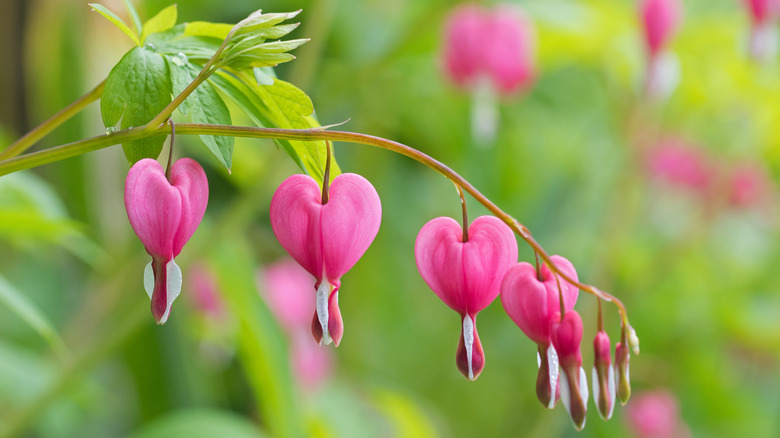
Planting bleeding heart (Dicentra spp.) in early spring gives the plant a chance to establish strong roots before it starts to bloom in late spring. Its heart-shaped flowers come in delightful pink, red, or white and hang from arching stems. Bleeding hearts are hardy in zones 3 to 9. The whole plant dies back once summer heat arrives, but not only will this North American perennial return in subsequent years, its seeds disperse easily, helping fill in your spring garden with blossoms when few other perennials are in bloom.
Blue sage
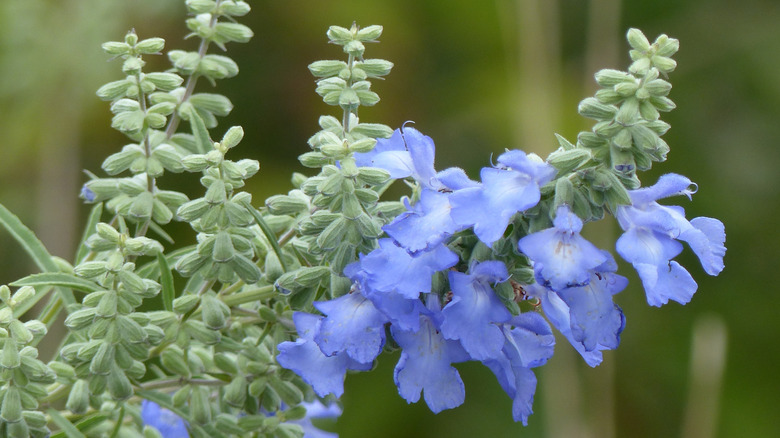
Species in the sage genus (Salvia spp.) can be found in most parts of the world growing as either an annual or perennial. Blue sage (Salvia azurea) is a graceful perennial native to North America that's hardy in zones 5 to 9. It does best in full sun but can tolerate a light shade. Plant it early in the season in rich, well-draining soil and it will reward you with mid- to late-summer blooms.
Blueberries
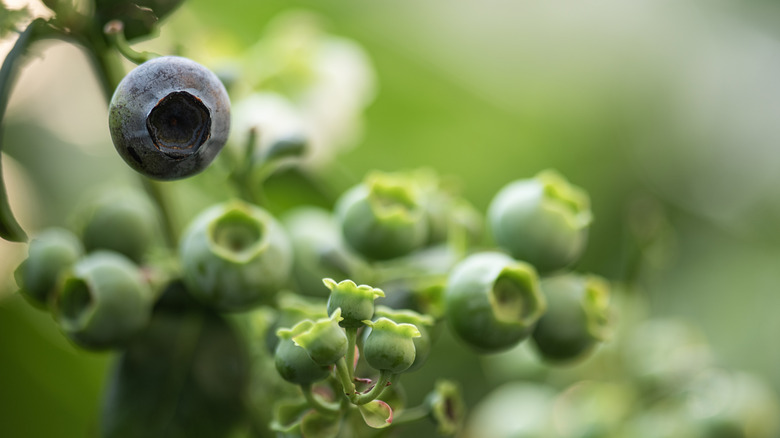
You may need to make your soil more acidic to grow blueberries (Vaccinium spp.), but it's well worth the effort to grow these native fruits. Hardy in zones 3 to 10, you can plant blueberries in late winter or early spring, though in regions lower than zone 6 you should probably wait until early to mid-spring. Plant them in full sun, let the bees enjoy the flowers, but if you want to harvest the fruit yourself you may need to cover your bushes with netting to keep the birds from eating the whole crop.
Chives
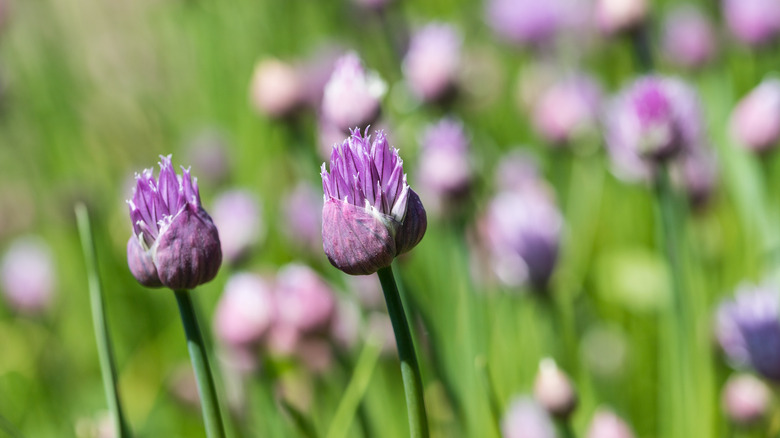
Chives (Allium schoenoprasum) are cold-tolerant perennial onions that are hardy in zones 3 to 9 and best planted in early to mid-spring for a mid-summer harvest. Their stems and flowers are edible while their seeds will easily self-sow and can take over a garden area if you let them. Shallow-rooted, they are easy to dig up if you want to keep them localized to a specific area in your garden. They're also not fussy: Plant them in full sun and moist, well-draining soil of any type and pH level.
Coneflowers
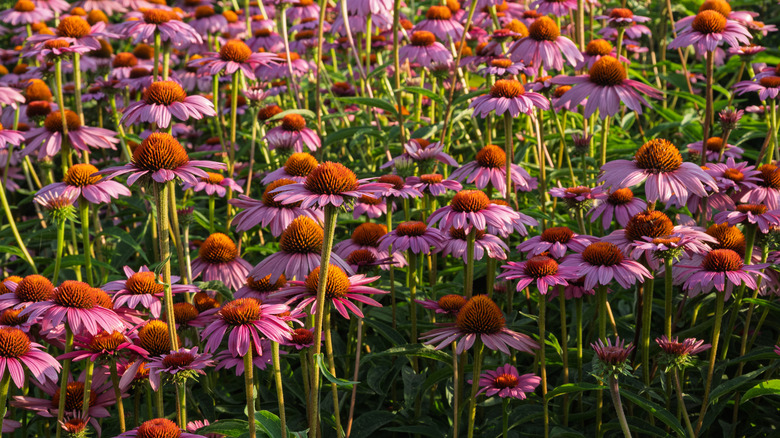
Coneflowers (Echinacea purpurea) are long-lasting North American natives that bloom during the summer and are a favorite of gardeners, florists, and herbalists alike. Bees and butterflies flock to their daisy-shaped, white or purple flowers when they open in mid-summer, while goldfinches and other birds will harvest their seeds throughout the fall and winter. Coneflowers are hardy in zones 3 to 8 and aren't fussy about soil type as long as it is well-draining and receives a full day of sunshine.
English lavender
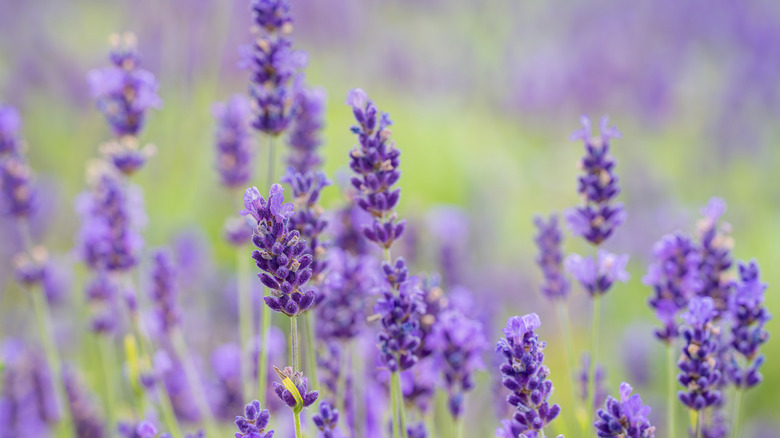
Lavender's scent and flavor needs no introduction. A gardener's and herbalist's favorite, lavender will attract bees and butterflies as well as humans. Among the species of lavender, English lavender (Lavandula angustifolia) is the most cool weather-tolerant, meaning you can plant it earlier than French or Spanish lavender. Hardy in zones 5 to 9, lavender should be planted in full sun for best results. Be careful not to over-water this drought-tolerant plant, especially in the cooler weather of spring, as lavender is susceptible to root rot in waterlogged soil.
Garden phlox
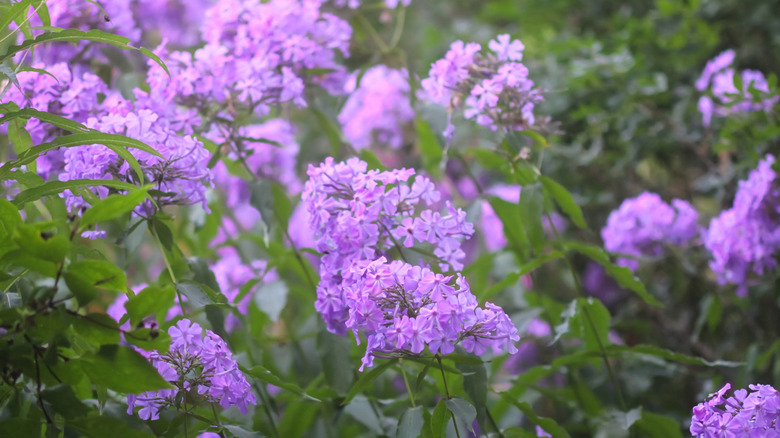
Garden phlox (Phlox paniculata) can grow up to 4 feet tall before it blooms in late summer, so it will profit from early planting. Hardy in zones 4 to 8, garden phlox plants do best in full sun and average to rich, well-draining soil. Space them out to let air circulate around them, as they are susceptible to powdery mildew when crowded. Another pollinator-friendly native, garden phlox's large flower head comes in a variety of colors and make excellent cut flowers.
Oregano
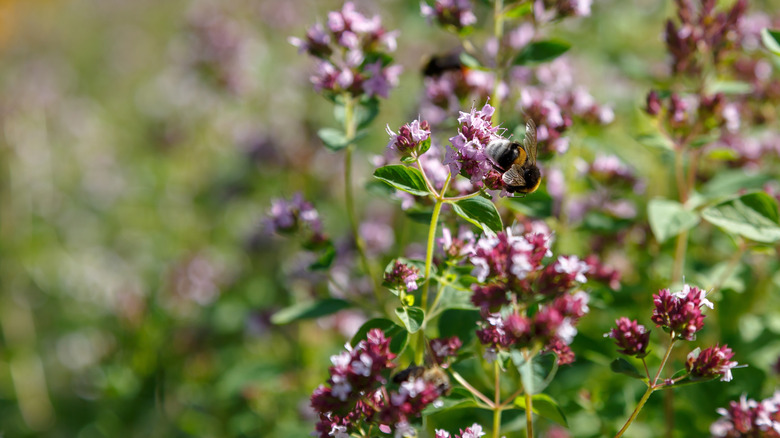
Oregano (Origanum vulgare) is among the hardiest of cold-hardy herbs, able to thrive in zones 3 to 10. Beyond its role in cooking, it makes an excellent ground cover, although it can spread aggressively and crowd out other low-growing plants. Its essential oils can also inhibit the growth of other plants, so it's probably best to grow it in a pot. Just plant it in sandy soil with good drainage and keep it in the sun. In a pot, it's easy to overwinter it indoors.
Rhubarb
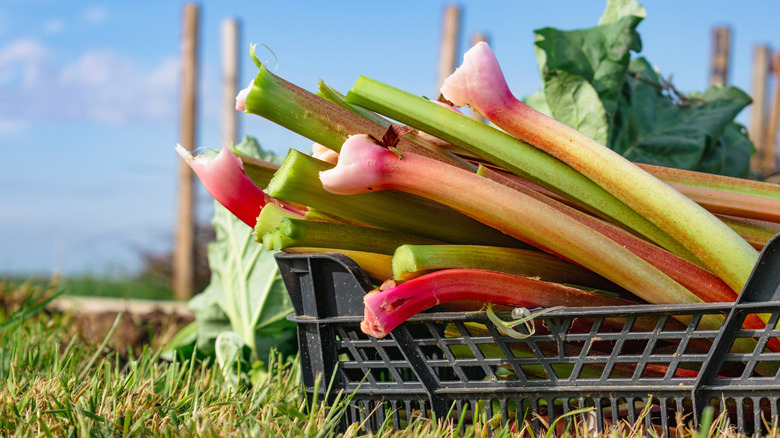
The roots and leaves of rhubarb (Rheum rhabarbarum) are toxic if eaten in large quantities, but the highly nutritious stalks are frequently used in cooking, baking, and jams all the same. Frost-tolerant and adapted to the cool climates of zones 3 to 8, rhubarb can be planted early in full or part sun in a wide range of rich soils as long as they are well-draining. Make room for its large leaves to cover an area and you will have a perennial that can produce edible stalks for 10 years or more.
Rosemary
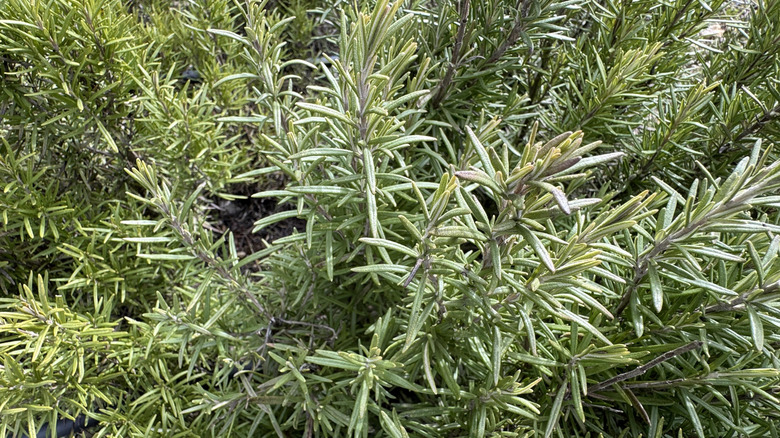
While most varieties of rosemary (Salvia rosmarinus) are tender perennials hardy in only zones 8 to 10, there are also cold-hardy rosemary varieties that can tolerate colder temperatures and will thus profit from an early spring start. Still, it's a good strategy to grow rosemary in pots in case you need to bring your plants indoors during a bout of severe cold weather. A potted plant also allows you to overwinter rosemary indoors. Plant rosemary in full sun and well-draining soil that is rich in organic matter, and don't over-water, especially early in spring.
Roses
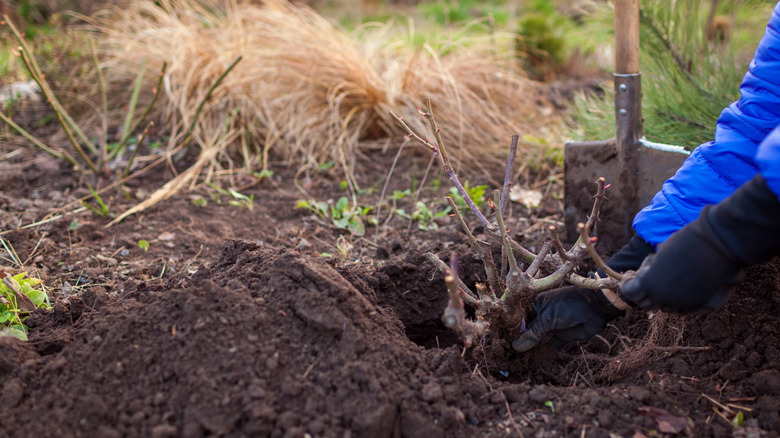
If you're eager to get roses (Rosa spp.) growing in your garden, ordering bare-root roses from a commercial grower is often a way to get a jump on the growing season. Early spring is the time for planting bare-root roses -– as soon as they arrive at your doorstep. Depending on the species, roses can be hardy in zones 5 to 11. They generally need full sun to produce the abundance of flowers they are known for, but can tolerate a wide range of soil types as long as it's organically rich and well-draining.
Stonecrop
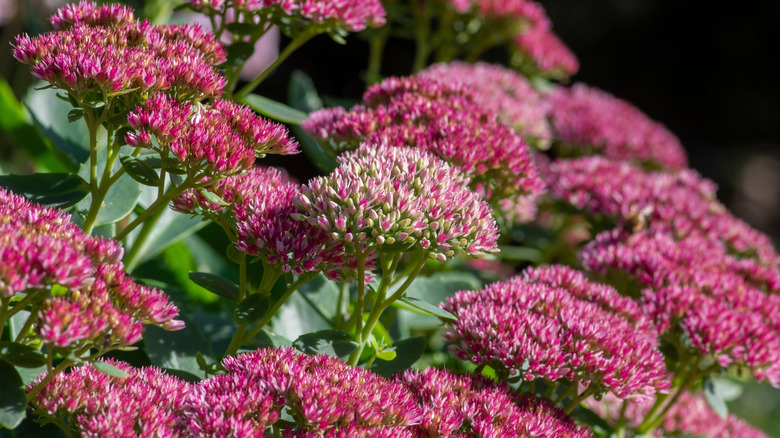
Stonecrop (Sedum spp.), also known as sedum, comes in a wide range of species and colors; from ground covers to medium-height, stemmed, densely packed flowers. Hardy in zones 3 to 9, popular hybrids like "Autumn Joy" grow best in a wide range of soils, as long as it drains well. Sedum takes its time blooming, waiting until late summer or fall to flower, but the flower heads can stay vital late into fall and early winter, so give them an early start to the growing season.
Strawberries
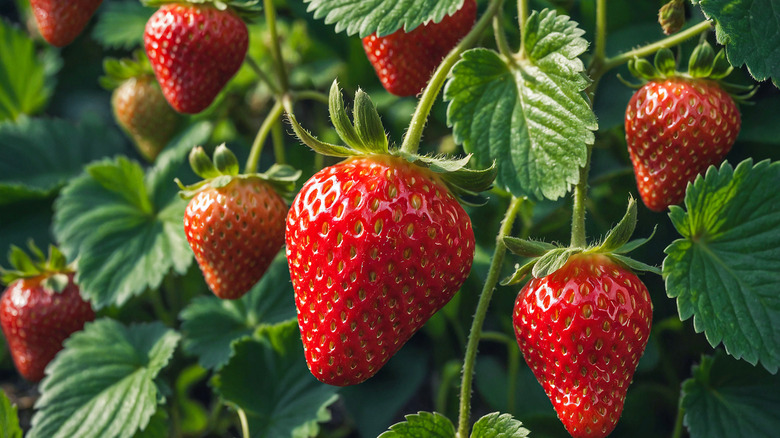
Strawberries (Fragaria spp.) can do double duty as a ground cover and as a fruit crop. Wild strawberries (Fragaria virginiana) are native to North America, hardy in zones 5 to 9, and grow easily in the cool temperatures of early spring. Commercial strawberries (Fragaria x ananassa), which are hardy in zones 4 to 9, take more care to produce the large fruits like those available in grocery stores, but you can let them spread by runners while harvesting what they produce. Strawberry plants can slowly fill a sunny spot if it has organically rich, well-draining soil.
Thyme
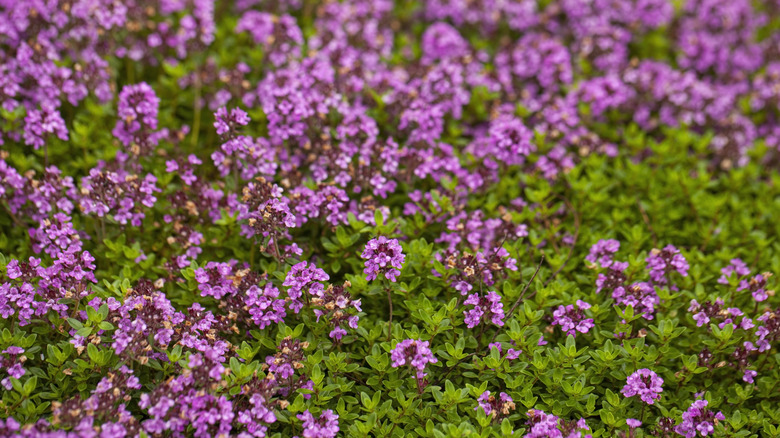
For a delicate herb, thyme (Thymus vulgaris) is one tough plant. A perennial evergreen hardy in zones 5 to 9, thyme can tolerate the cold of early spring, especially if you provide it with a light blanket of mulch to protect its roots and don't let it sit in moist soil. Thyme prefers sandy, even rocky, well-draining soil that is low in nutrients and dries out from time to time. Beyond being a useful herb and pollinator magnet, thyme makes a great low-growing ground cover to fill spaces in borders or between pavers as long as it is in full sun.
Tickseed
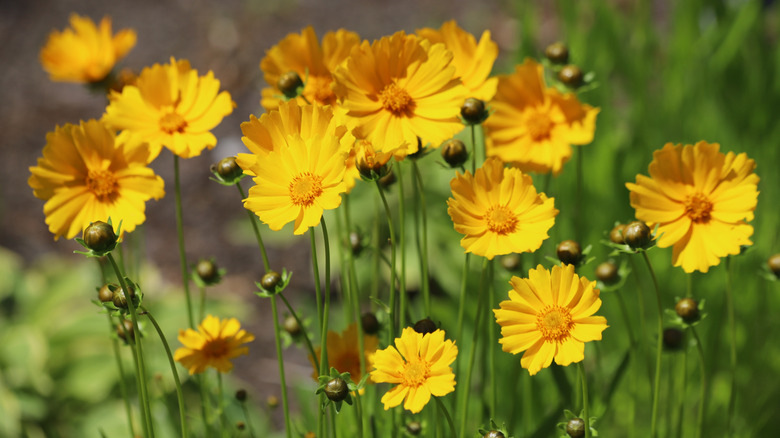
Tickseed (Coreopsis grandiflora) are easy growing perennial flowers that bloom for a long time. They can stand the heat and drought of summer, but benefit from early planting as they can begin blooming as early as late spring. Native to North America and hardy in zones 4 to 9, they should be planted in full sun to partial shade in rich, moist, well-draining soil. As their flowers fade, deadhead them for maximum blooms later in the growing season. If birds don't get their seeds, they will self-sow relatively easily, giving you years of pleasure.
Yarrow
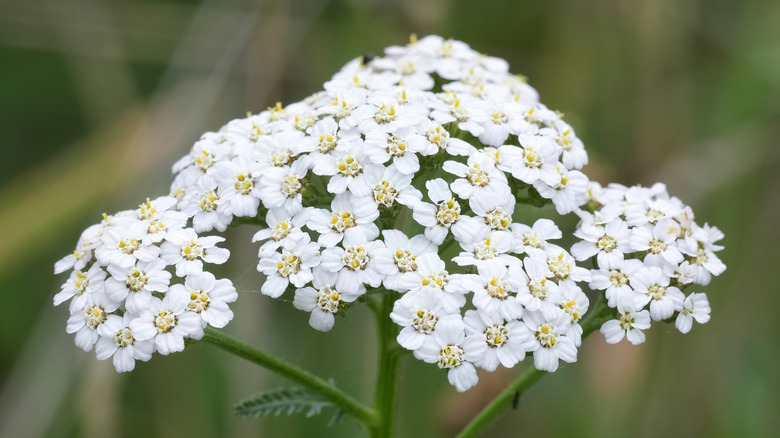
Yarrow (Achillea millefolium) is not fussy, growing in full sun to dappled shade in zones 3 to 9, and in poor to average soil as long as it drains well. With a head start in spring, yarrow will give gardeners and pollinators a long bloom of flat clusters of daisy-like flower heads in a variety of colors. Yarrow does spread easily (even aggressively), but as a North American native it is not considered invasive. Still, you can deadhead the flowers before they go to seed if you don't want it to proliferate.