

Ephemerals: The Little-Known Plant Type That Makes A Major Difference In Your Garden
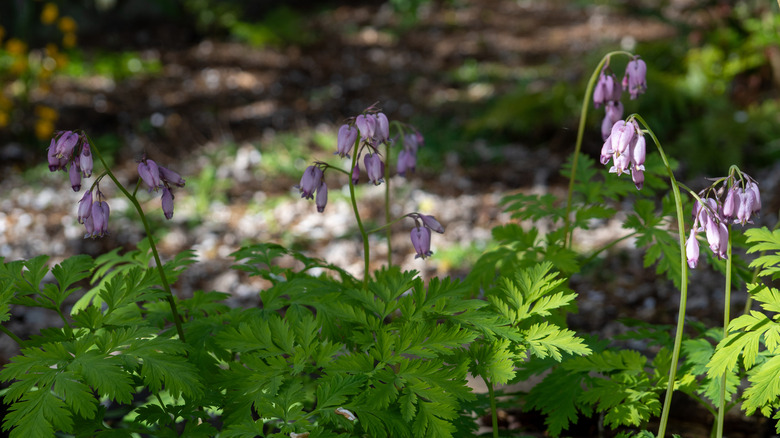
Ephemeral spring perennials bloom and disappear so quickly that you may miss them if you're not looking. You'll notice the common fast-growing spring flowers, like daffodils and tulips, but will you catch the native plants of forests, coastlines, and grasslands? These ephemeral spring bloomers are the best species, as they're both beautiful and beneficial for the local ecosystem. They're the best plants to grow for a biodiverse garden. They'll offer you quick windows of floral beauty while they provide pollen, nectar, and habitat space for local wildlife. Some are impossible to transplant in your garden, like the calypso orchid (Calypso bulbosa), while others are available online and at local native plant nurseries. Consider lovely quick-growers like fawn lilies (Erythronium), Pacific bleeding heart (Dicentra formosa), and native species of avens (Geum). When you plant these ephemeral plants in your yard, you add seasonal color that heightens the ornamental interest of your space.
Ephemerals are plants that only flower for a few days before going dormant. These plants often grow on the forest floor beneath deciduous trees. When the trees are leafless in early spring, the ephemerals emerge and bloom. After setting seeds, they'll wither away and enter dormancy just as the trees begin leafing out in the spring. In this way, these quick bloomers soak up the sun and fade away when it gets shady. They make a major difference in your garden by covering the ground with flowers at a time when not much else is growing or blooming.
Choose native plants that bloom ephemerally in your region
This little-known plant type varies based on the ecosystems around you. Think of trilliums, for example. The red trillium (Trillium erectum) grows wild in the eastern U.S., while western trilliums (T. ovatum) and giant trilliums (T. albidum) fill the northwestern U.S. forests with their unique leaves and blooms. The best trillium for your yard is dependent on where you live. And, for some growers, there may not be a trillium native to the region. Fear not, as there are more native plants than you can count. Consider the spring beauties in the genus Claytonia. It's in their name! Choose the western spring beauty (C. lanceolata) in the West, and opt for Virginia spring beauty (C. virginica) in the East. These edible native plants produce gorgeous spring flowers of white and pink, and their succulent green leaves are perky and lush in the garden.
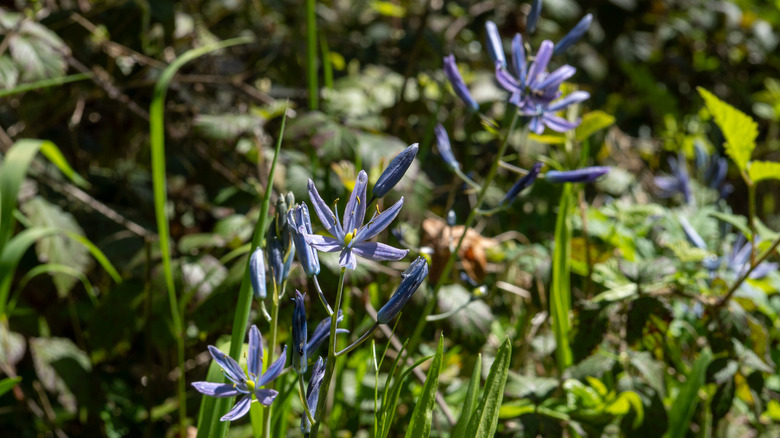
Woodlands aren't the only location for these quick-bloomers. In grasslands and meadows, ephemerals appear before the tall grasses shade them out. You'll notice them intermingled with fresh grass blades. They include iconic favorites like native buttercups (Ranunculus), camas (Camassia), and sea blush (Plectritis congestus). Purple or white camas and pink sea blush are superb in the Pacific Northwest, while there are multiple varieties of Ranunculus for growers across the states. When in doubt, consult a local extension office of a university close to you. They often contain guides and information on the best native plants for where you live.