

20 Tips To Encourage Birds To Use The New Bird House In Your Yard
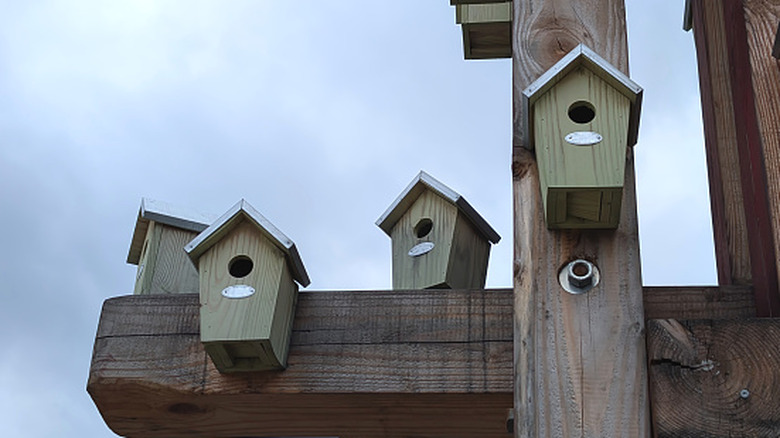
The birds in your neighborhood might seem like they fly around without a care in the world, but most avian species are actually cautious creatures. As every bird lover is sadly aware, our feathered friends are closer to the bottom of the food chain than the top. Many of them are constantly on the look out for danger, never resting no matter where they are. That's why they won't automatically move into the fancy new bird house you installed in your yard, not until they're perfectly convinced that it's the best place to raise a family. If the birds on your block are avoiding the brand new nest box you just put up, we have 20 tips that will encourage them to use it.
There are plenty of charming DIY bird houses you can build right now, but no matter how cute and adorable they are, birds won't use them if they don't meet their expectations. Different species of birds have specific preferences when it comes to bird houses, and you can increase your chances of making them feel at home by paying attention to features like entrance holes, height off the ground, and location. Before you start, it helps to research the types of birds that live in your area. By using popular bird apps like Merlin, which will listen for bird calls in your yard, you can tell which birds are already present and focus on providing the right housing and environment for them.
Mount at the proper height
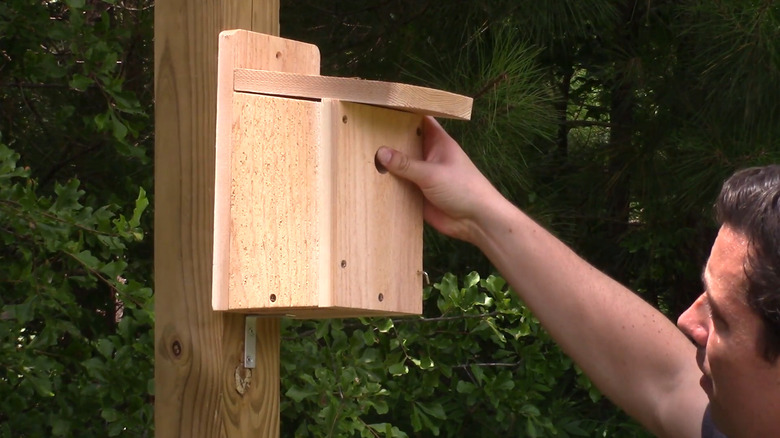
When you're placing a bird house, it must be mounted at the proper height for the type of bird that you're trying to attract. Small birds like nuthatches and chickadees prefer their nests at about 4 or 5 feet high, while flickers and screech owls need a nest that reaches up to 20 feet. Some species, such as kestrels and wood ducks, will even be attracted to bird houses 30 feet tall. Once you identify the type of bird you want to attract by studying migration patterns in your area, you can narrow down the height to install your bird house.
Protect from wind and rain
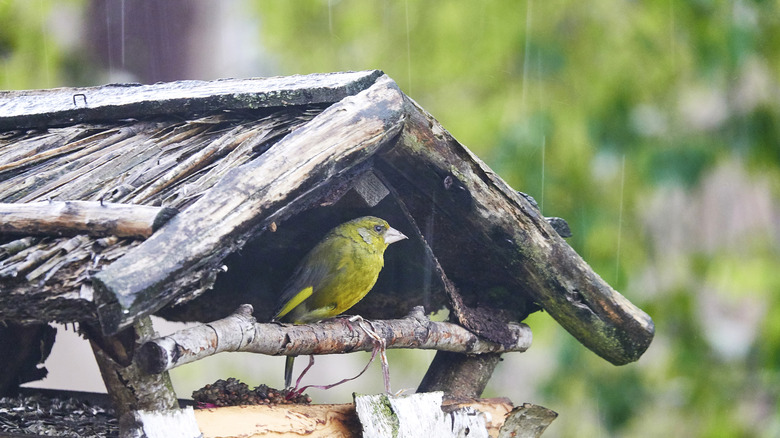
When humans build homes, wind direction is usually a factor during site analysis. Birds are no different. They'll be more attracted to a bird house when it's protected from the elements. Robins are a good example, because they like to build their nests on flat surfaces but also want protection from prevailing winds and rain. That's why they often end up nesting under your porch. It doesn't make much sense to put a roof on a bird house and then face the entrance directly into the weather. Instead, position the entrance away from the prevailing winds so the interior stays cozy and dry.
Provide morning sun and afternoon shade
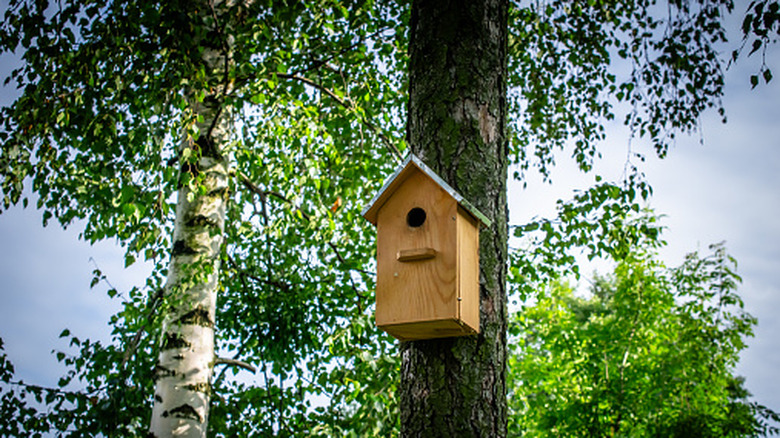
Morning sun and afternoon shade are other important factors when you're choosing a spot for a bird house that will be attractive to birds. While it might seem like giving them some southern exposure would be nice, you will more than likely end up creating a sun trap. This is an important consideration in both warm and cool climates. When looking for a spot in your yard that has morning sun and afternoon shade, remember that you can also create this effect by placing a bird house underneath some tree branches or other foliage.
Mount a baffle on a pole
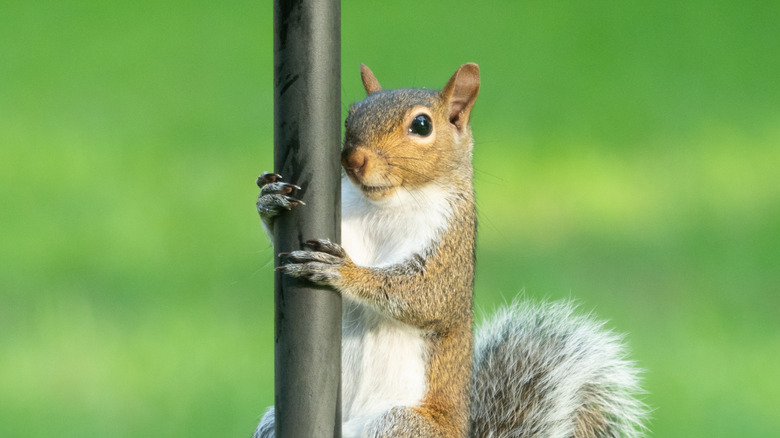
Due to their position in the predator prey cycle, many birds are wary creatures. Even though birds like hawks and eagles are closer to the top of the food chain, many small birds fall prey to everything from cats and snakes to squirrels and raccoons. One of the easiest ways to help protect the birds in your yard is by adding a baffle to bird house poles so squirrels and other predators can't get to the nest. Don't forget to do this for the birdfeeders in your yard, too, since creating an overall safer place is more likely to attract birds to your bird houses.
Keep nesting boxes in low traffic areas
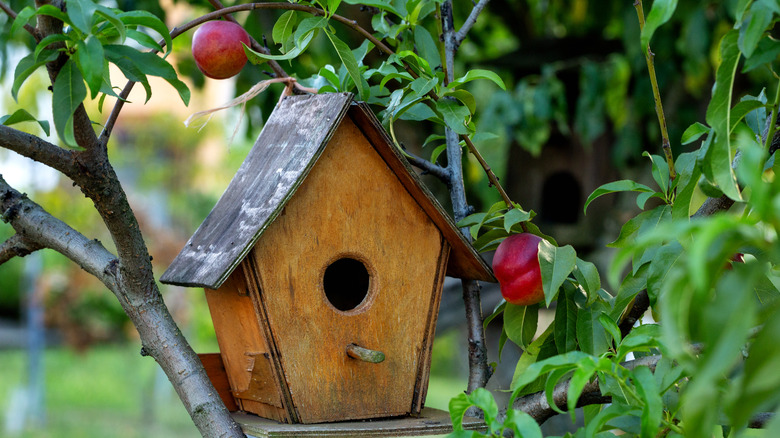
It's pretty easy to understand why nesting birds would want some privacy. Even though some birds are shy and some can be bullies, many of them prefer a secluded spot when it comes to nesting. If you place your nesting boxes in high-traffic areas such as next to a pathway or bench so you can enjoy the show, you risk making them feel less safe, and they're not as likely to be attracted to the bird houses in your yard. It's better to give them some space in a corner of your garden where they can raise a family in peace.
Use the right entry hole size
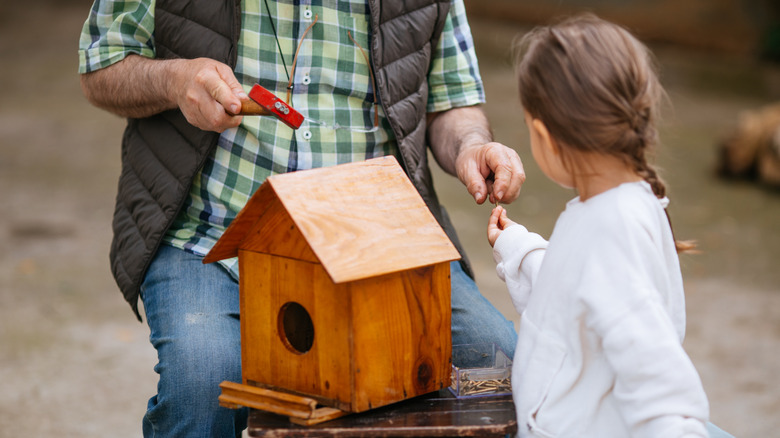
All bird houses might look the same to some, but entrance hole size is essential when you're trying to attract birds to the houses you put out for them. Choosing a specific entrance hole for the nest discourages predators, especially squirrels, which are a common pest to birds. Squirrels can even go so far as to attack birds while they are hatching eggs and caring for their young, so having the right size entry hole matters. Common sizes include 1-¼ inch holes for chickadees and nuthatches, 1-½ inch holes for swallows and bluebirds, with open fronts for robins and blackbirds.
Use untreated wood
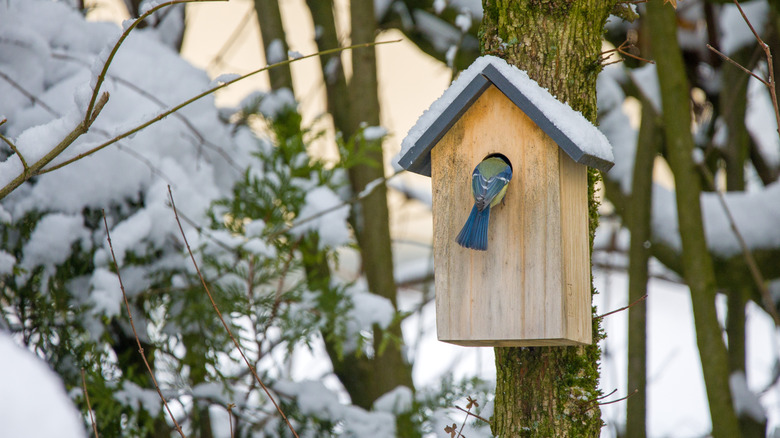
For nesting birds, it's less about aesthetics and more about blending in with nature in order to avoid attracting the attention of predators. Birds prefer natural materials, and the use of untreated wood isn't recommended because it can cause health issues. The chemicals in treated wood can be harmful to plants and wildlife. Instead, you could use cedar or redwood lumber, which is naturally decay resistant and will last for years.
Install in late winter or early spring
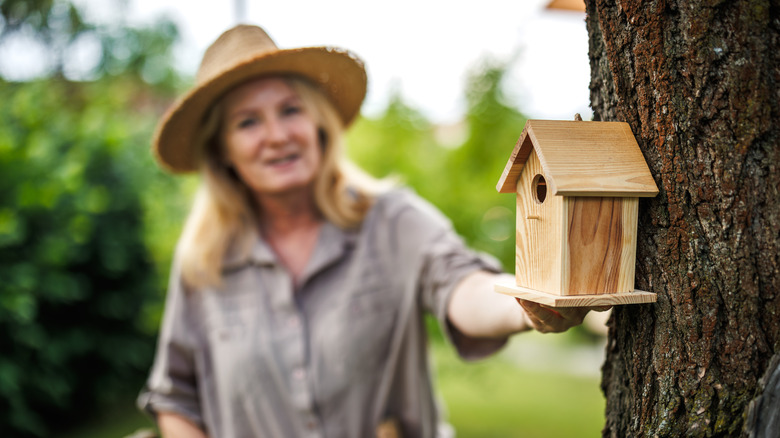
Bird houses are often considered a symbol of spring or summer, but the truth is, many migratory birds start looking for nesting locations in late winter, long before they begin laying eggs. That makes late winter the best season to put out bird houses when you're trying to attract birds to your yard. Migratory birds are attracted to the same locations year after year, while non-migratory birds often maintain a territory in your area all winter. For these species, you can put bird houses out in late summer and fall, giving them plenty of time to think about moving in before spring.
Clean nest boxes
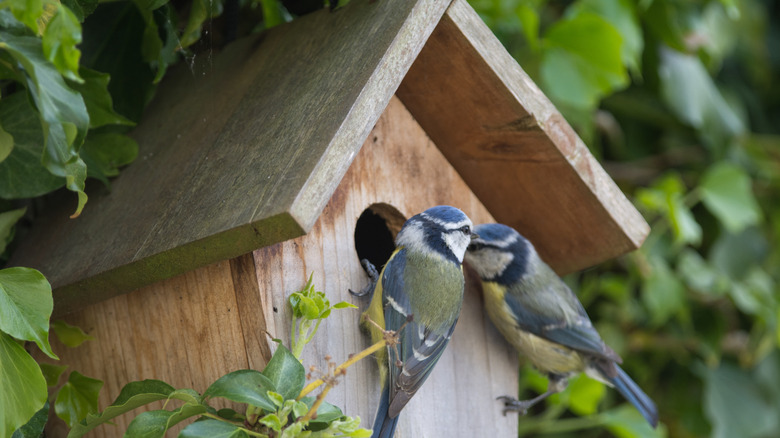
Even the most well-designed nest boxes can become contaminated with avian ectoparisites like lice, fleas, and other tiny organisms that feed on the surface of their skin. Although, most birds have adapted to this type of disease, it's often considered good practice to clean nest boxes. While many birds will nest on top of old materials, studies show that almost 75% of bluebirds will choose a clean nest over one filled with leftover nesting debris. That means, if you want to encourage birds to try a new nesting location, you need to tidy yours up every year.
Make it look natural
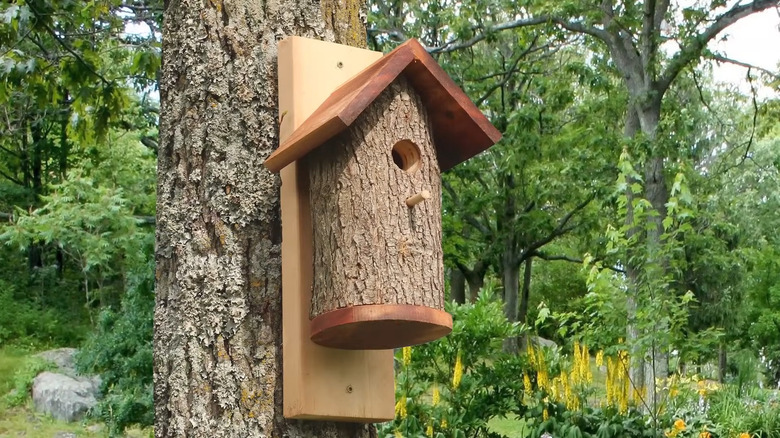
Many cavity nesting birds need a dead tree or snag for building a nest, which explains why old, weathered wooden nest boxes are more attractive to them. Wood is porous enough to keep the interior of a nesting box dry and allow heat to escape during the summer. When it looks and feels like the real thing, birds are more likely to be interested. If you have a snag on your property, consider leaving it as habitat if it's safe to do so, or you can even make a bird house out of a log so it's even more appealing to birds.
Provide nesting material
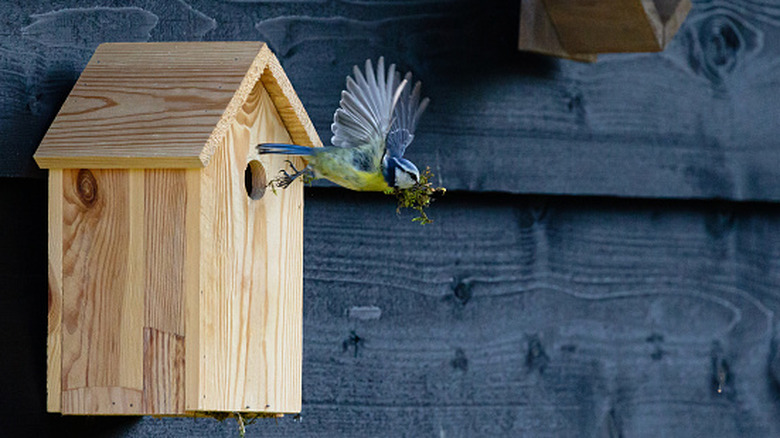
If you want to go the extra mile to attract birds to the house in your yard, consider providing some nesting material. Stay away from choking hazards like string and yarn and sticking to natural materials such as feathers and pet hair. Others recommend offering dryer lint, leftover fabric scraps, and dried grass clippings. Plant fluff, including materials like cattail seed heads, is another good solution, and it could be just the thing that finally wins over the birds you're enticing to your yard.
Provide a perch nearby
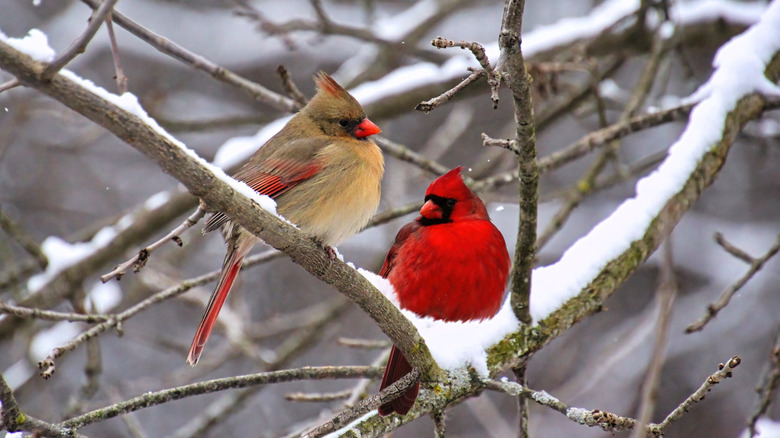
Birds don't usually need a perch attached to the outside of the bird box, and it can actually make it easier for predators to attack them. Instead, consider providing a natural perch area nearby, whether it's a small fruit tree or a nearby dowel off the side of your shed, for example. Many birds like to have a spot to rest for a second after feeding the nestlings before they have to round up another meal. A nearby perch is convenient and gives them a good vantage point for added safety.
Maintain biodiversity by avoiding pesticides
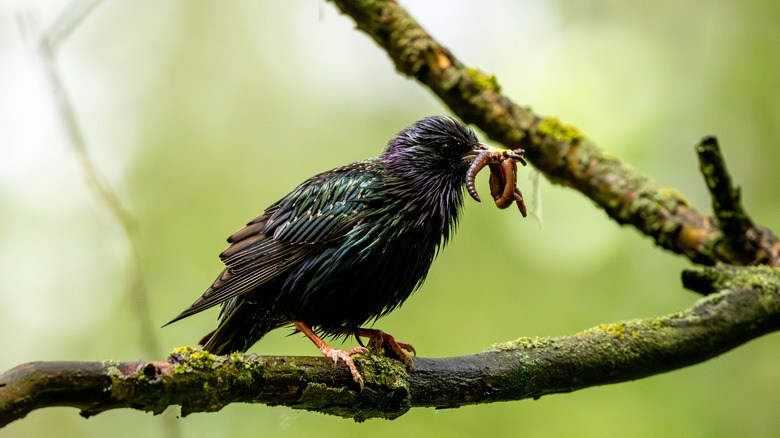
Sometimes the number of insects in our backyards can get a little overwhelming, but they're also a sign that your garden is teeming with life. Insect populations are a good way to attract insectivorous birds to your yard, such as grosbeaks and blue jays. Cardinals are another bird that many people enjoy watching that eat mosquitoes, grasshoppers, and crickets. It won't matter how many bird houses you put up in your yard if you kill all the insects and birds don't have anything to feed their young. You may want to consider ways to repel bugs naturally before using harsh chemicals.
Plant layered vegetation
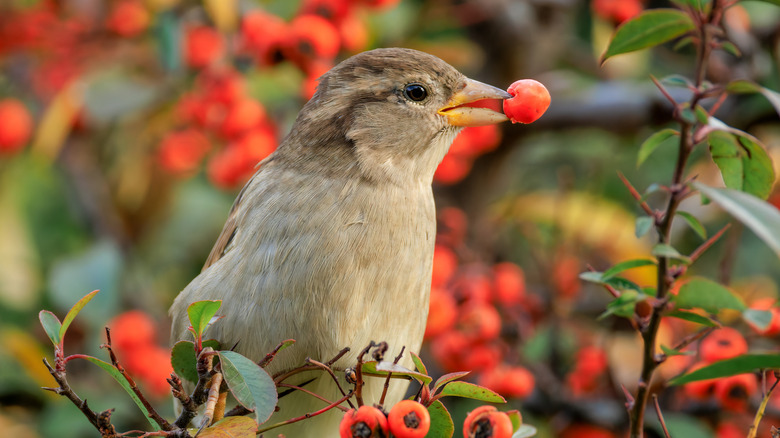
Imagine a yard with a pristinely manicured lawn, a few foundation shrubs, and a small border of annual flowers. Then, compare that to a garden that's layered with trees and shrubs, including everything from groundcovers to vines. Without layered vegetation, when you install a bird house in your yard, you're exposing birds to predators and asking them to live in a place where there's nothing to eat. Instead, if you landscape your yard for birds by planting shrubs and trees for cover, with beautiful flowers to attract pollinators and insects, you're giving birds a place to thrive in your backyard.
Provide a water source
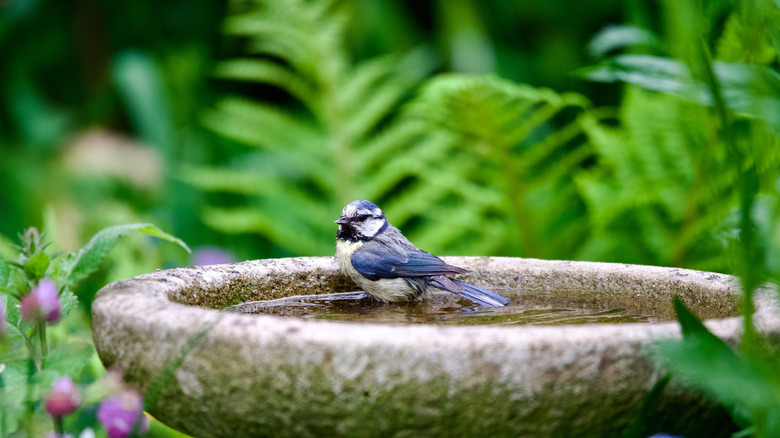
Fresh water is an essential resource for many organisms, including the birds you're trying to encourage to nest in your yard when you install a bird house. When nesting pairs are raising their young, they don't have time to hunt for food and water, and they can't get far from their nestlings. Providing consistent, clean water and ensuring that your birdbaths are in secure spots where they won't become someone else's meal are just a few tips for attracting birds to a bird bath and convincing them to make your home their own.
Install multiple bird houses
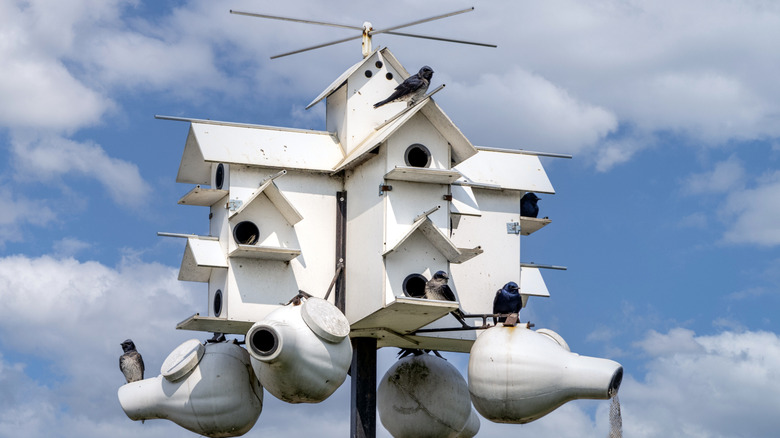
Although many birds prefer privacy and like to have their own territory, there's also safety in numbers for some species. Colony nesting birds don't have any problem sharing space. That's why species like great blue herons and purple martins live in colonies. The best way to attract birds that live in rookeries or large congregations is to provide multiple housing units. If you've ever seen a large, apartment complex or condo style of bird house for attracting swallows or purple martins, you'll understand what we mean.
Space multiple boxes appropriately
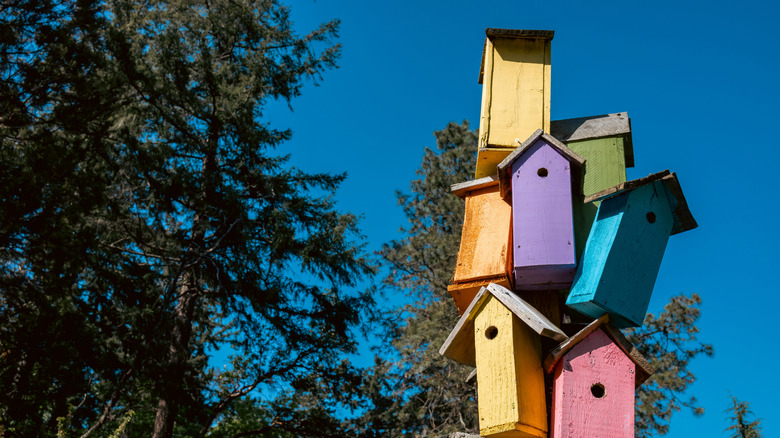
You might have better luck if you give each bird house its own space. Not only do birds want to be safe from people and predators while they're raising a family, they are also territorial towards other birds. Give each nest box its own territory. In a small yard, you could do this by spacing them every 15 to 25 feet or so. You can also consider placing bird houses back to back. With separate entrances, birds will feel like they have more privacy as they're coming and going with food for their young.
Use multiple types of birdfeeders
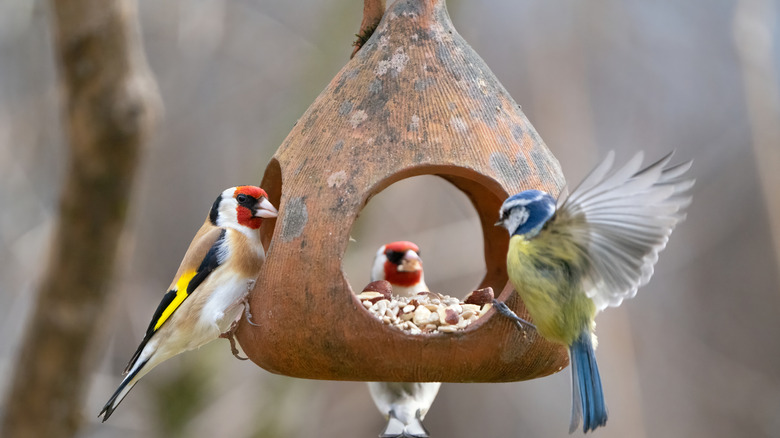
As mentioned, birds need to feel secure, not just concerning their physical safety but also with their food source supply, especially when choosing a nesting location. If you want to attract a wide variety of birds to your home, using a variety of feeding types and methods such as tube feeders, scattering seeds, and placing out seed cakes can encourage birds to nest in your yard. You can also pair the right birdfeeders with the right kind of housing for seed eating birds. By taking a more strategic approach, you're more likely to encourage at least one type to stay.
Reduce predator access
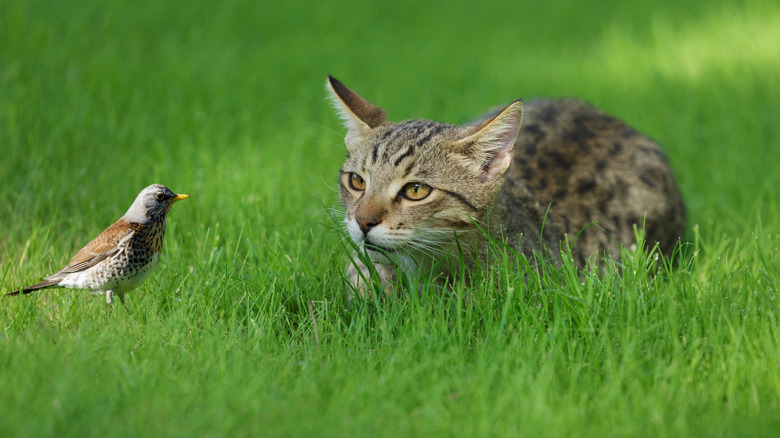
If you're trying to bring more birds into your yard with bird houses, another factor to consider is reducing predator access. Domestic cats pose a severe threat to birds, killing upwards of 2.4 billion birds per year in the United States. Even if this comes as a surprise to you, it's a fact that birds know all too well, and it's probably working against your efforts to encourage more of your feathered friends into your yard. To reduce predators and create a safe haven for birds in your back yard, consider a type of fencing that keeps out feral cats and racoons.
Create a sheltered area
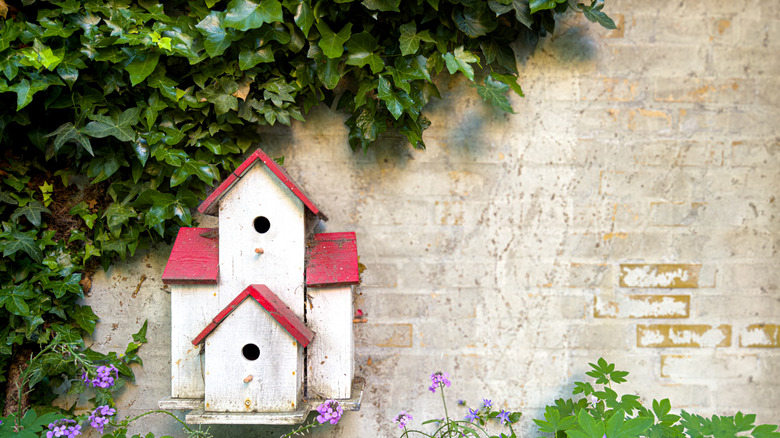
Many gardeners use the microclimates in their backyard to extend their growing season and protect tender plants. This idea can also make your yard more attractive to birds, especially if you live in an area with inclement weather. You can build a wall to protect bird houses from prevailing winds, add a pergola for some shade, and use plants to provide cover. A bird house placed in a sheltered area like this is less exposed to harsh weather and feels safer, so is more likely to be selected by a bird to use as its home.