

Albinism In Plants: Everything You Need To Know About This Rare Phenomenon
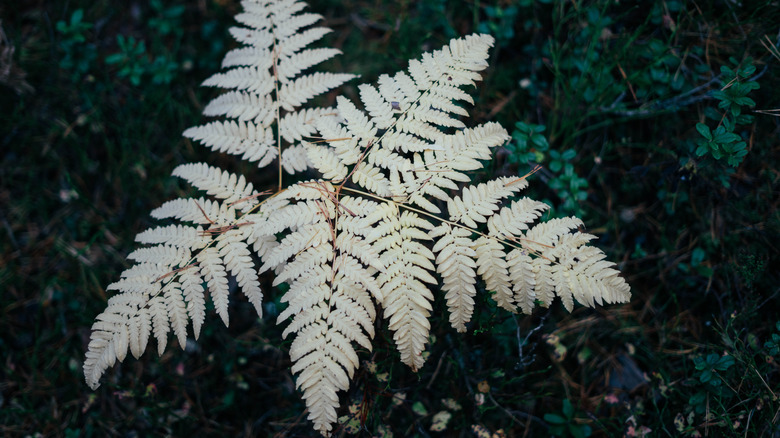
Coming across a snow-white sprout in a tray of bright green seedlings is a surprise because it looks like it belongs in a different world. While most people think of albinism as something that only happens to animals, it shows up in the garden when a plant grows without the ability to make green chlorophyll. This color is what allows a plant to capture sunlight and turn it into the energy it needs to stay alive. Since they lack this ability, most albino plants don't live very long and usually die off as soon as they burn through the small food supply stored inside their seeds. Once that fuel runs out, the plant has no way to generate more.
If you're curious how plant photosynthesis affects air quality in your home, these albino plants do not contribute meaningfully to oxygen production through photosynthesis. When you see one of these all-white plants next to a green one, it looks thin and almost sickly. Without chlorophyll, these plants are more vulnerable, so even slight shifts in temperature or light can kill them. Because they lack the natural pigments that act like built-in sunscreen, even a small amount of light can burn their tissues. Without photosynthesis, these plants cannot produce the sugars they need for growth, which accelerates their decline.
Genetic mutations can cause plants to lose their green color entirely
Albinism in plants usually stems from a genetic mutation that prevents the formation of chloroplasts, the specialized structures where photosynthesis actually happens. This is typically a recessive trait, meaning the seedling only ends up white if it inherits the specific mutated gene from both parents. While these mutations occur naturally in the wild, they're frequently seen in laboratory settings during tissue culture, where rapid cell division can sometimes trigger spontaneous genetic errors. When a plant is completely lacking pigment like this, scientists refer to it as achlorophyllous.
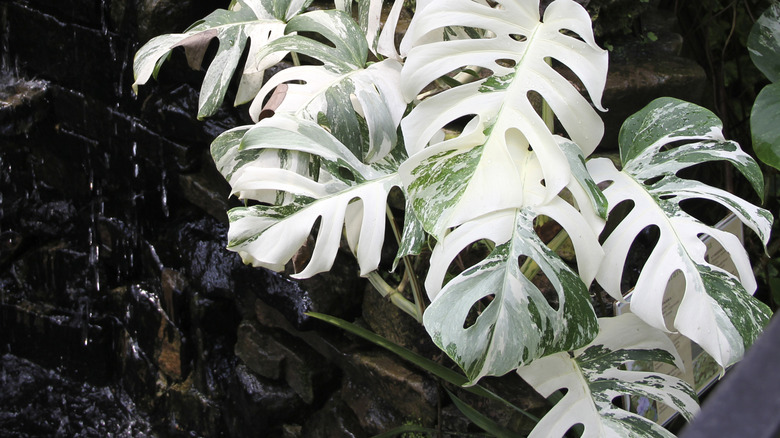
Many popular "albo" houseplants are actually chimeric, which means they contain a mix of both mutated and normal cells. These plants survive because their green tissue carries out photosynthesis, while the white sections rely on the rest of the plant for energy. If you're looking for variegated plants to spruce up your indoor space, it helps to know that the green parts are the ones that are working to keep the plant alive. If a variegated vine starts putting out stems that are entirely white, it may indicate a shift toward nonfunctional growth. Since those white leaves can't contribute any energy, that specific branch becomes a permanent drain on the plant's stored resources, eventually leading to the death of that limb if it isn't pruned back to a green node.
Some rare white plants survive by acting as parasites to their neighbors
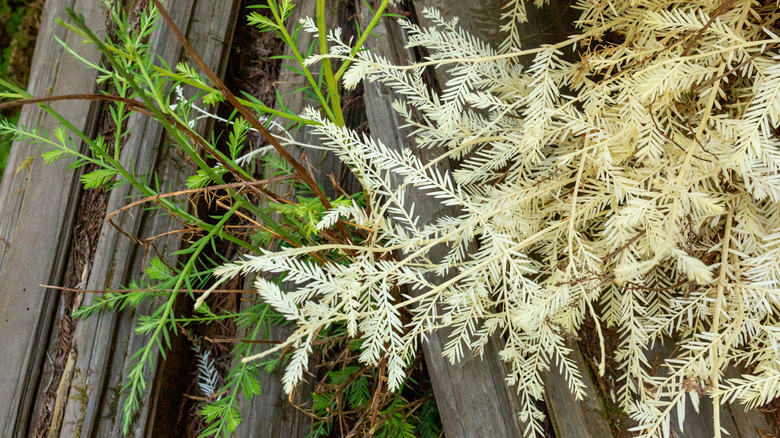
Even though most albino sprouts are doomed from the start, nature has a few workarounds that allow some to grow into large trees. The most famous case is the albino coast redwood (Sequoia sempervirens), which lives in the foggy forests of California. Instead of making their own food, they survive by hooking their roots into the root system of a healthy green tree nearby. This lets them take the sugars and nutrients they need, even though they don't have a single green needle on their branches. Some research suggests these white redwoods might actually be doing their hosts a favor by pulling heavy metals out of the ground that could otherwise harm the healthy trees. Since they lack chlorophyll, these trees have evolved a higher density of stomata (tiny pores) on their needles, which allows them to absorb moisture directly from the fog that surrounds them more efficiently than green redwoods.
Other plants, like certain orchids in the Corallorhiza genus, also live without chlorophyll by getting what they need from soil fungi. If you're trying to choose the right type of orchid, these ones are very different from houseplants because they don't need light to function. These plants can survive in total shade for years by relying on symbiotic relationships with other organisms. They often spend most of their life cycles entirely underground, only popping up on the surface to bloom and spread their seeds.