

15 Shrubs That Can Handle Your Wet Garden Soil
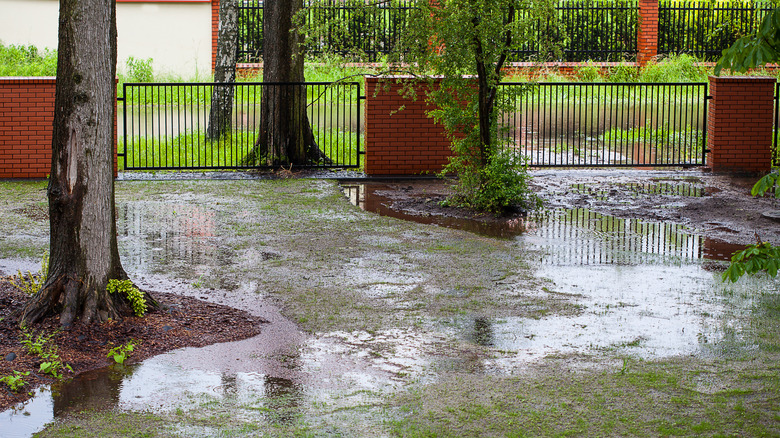
Compared to other hobbies, gardening is relatively affordable. Plus, once you're familiar with the basics, there are a ton of options to choose from when it comes to which plants you'll grow. Shrubs alone are more than enough to prove the point. They come in hundreds of different types — flowering beauties, fruit bearers, dwarf varieties, and evergreens. The list just goes on. Unfortunately, though, if you have wet garden soil, your options shrink. Wet soils make it hard for air to reach the roots. The result? Roots don't grow properly, and plants like shrubs start to suffer. Luckily, though, some shrubs such as buttonbush, silky dogwood, red chokeberry, fetterbush, and dappled willow tolerate wet soils.
However, you can't just bring any of these shrubs to your yard. You must consider a few things first! Take, for instance, USDA Hardiness Zones. Even if a shrub tolerates wet soil, you still need to make sure that it grows well in your zone before you plant it in your garden. That is because most shrubs are perennials and they will grow for many years. And if the hardiness zones don't match, they won't thrive. Similarly, some shrubs that tolerate soggy soils need full sun. And, if your wet soil is in shade, they might not grow properly. Here are some plants that tolerate wet soil well, including some added details about their care requirements.
Buttonbush
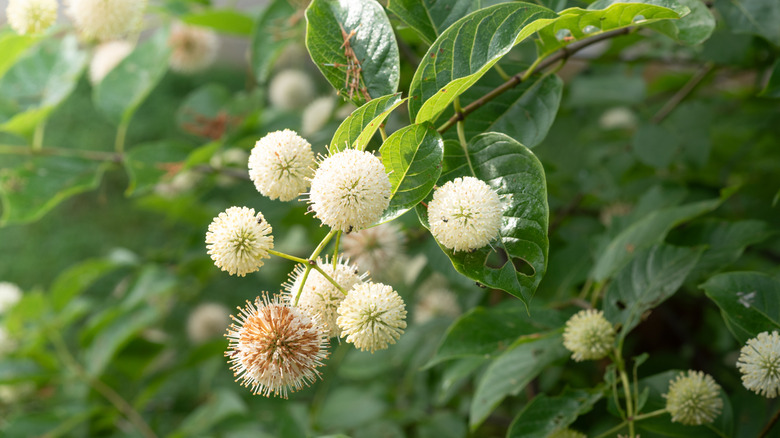
First on the list is the buttonbush (Cephalanthus occidentalis). You can grow this plant anywhere in USDA zones 5 to 11. And if you are wondering why this name? Well, that is because its flowers are clustered in a ball around its fruit. Nevertheless, button bush is extremely tolerant of wet soils. It can even grow well in places that have 3 feet of standing water. You just need to make sure that you plant it in full sun, as it flowers poorly in shade.
American Elderberry
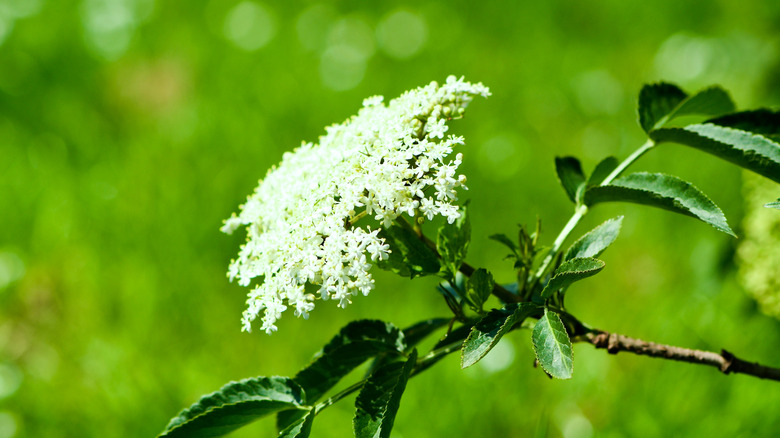
Looking for shrubs to plant in your backyard for a bird-friendly winter habitat? Then American elderberry (Sambucus canadensis) is definitely worth consideration. It grows well in wet soils, and many birds feed on its fruit and seek shelter in its branches. You can grow it easily in your garden as long as you provide it with full sun and live in hardiness zones 3 to 9. Just keep in mind that it is a bit high-maintenance and can get weedy.
Fetterbush
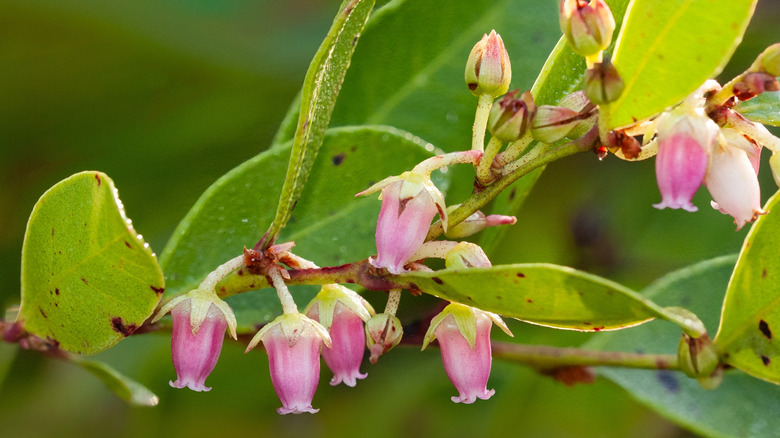
If you have wet garden soil that's also acidic, fetterbush (Lyonia lucida) might be the perfect choice for you. It is pretty easy to grow, has no special needs, and produces pretty flowers. They are pinkish and tubular in shape and appear on the plants on the previous season's growth in spring and fall. So, if you are growing it for flowers, don't forget to prune it after it has bloomed. As for hardiness requirements, you can grow it in zones 4 to 6.
Silky Dogwood
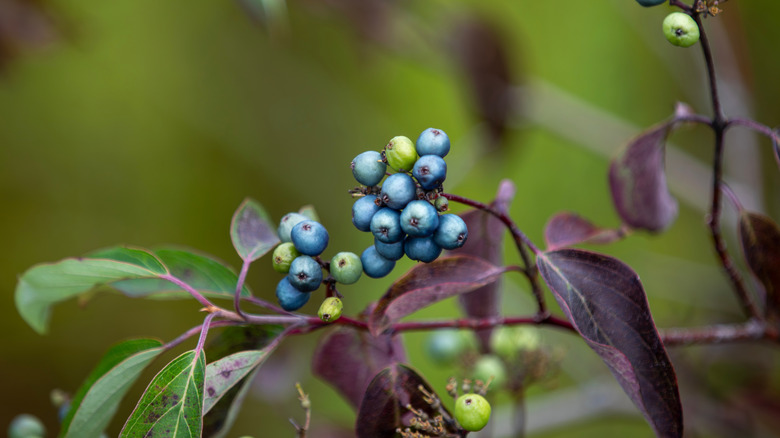
Silky dogwood (Cornus obliqua; USDA zones 4 through 8) is another shrub that grows well in wet conditions. It has green-brown leaves and showy fruit that many waterfowl and birds love to eat. It also grows pretty fast and will quickly cover a wet area of your backyard. One problem is that it can look a little unruly and messy. So, if you need a plant for a prominent spot, it might not be a good choice.
Dappled Willow
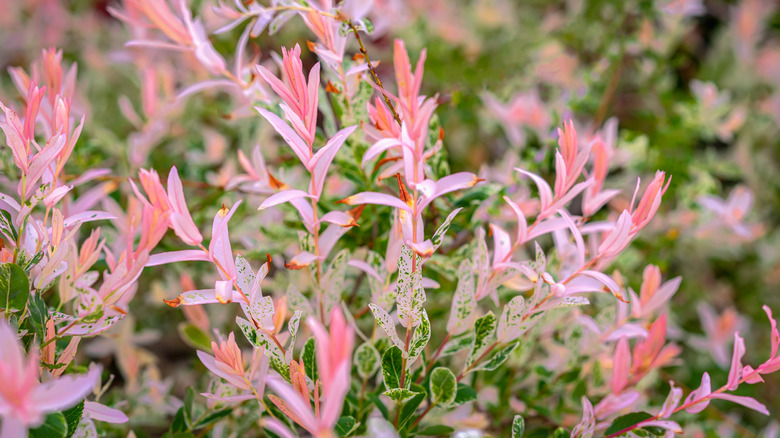
Dappled willow (Salix integra 'Hakuro Nishiki') has many things going for it. It grows fast, it has gold and yellow flowers and beautiful pink and white, variegated leaves. If that was not enough, dappled willow is also pretty fire-resistant. It tolerates wet and dry soils equally well. Plant it in fertile soil with partial to full sun in USDA zones 5 to 8. It grows anywhere from 6 to 20 feet tall and has long branches that droop at times, creating a beautiful cascading look.
Japanese Star Anise
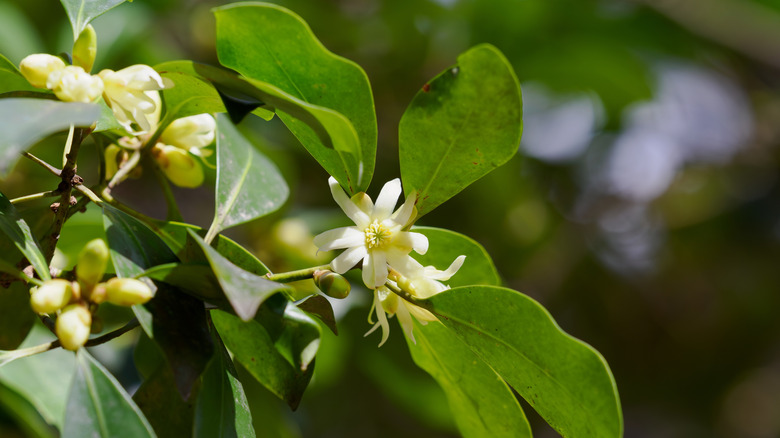
If you are looking for a shrub to grow in your shady, wet garden that can also double as a small tree, you cannot go wrong with Japanese star anise (Illicium anisatum). It is a small evergreen that grows to about 6 to 15 feet tall and has a conical growth habit. You can use it either as a standalone specimen tree or put it in groups to act as an informal hedge or privacy screen. The only problem is that it grows only in zones 7 through 9 and has severe poisonous characteristics.
Summersweet Clethra
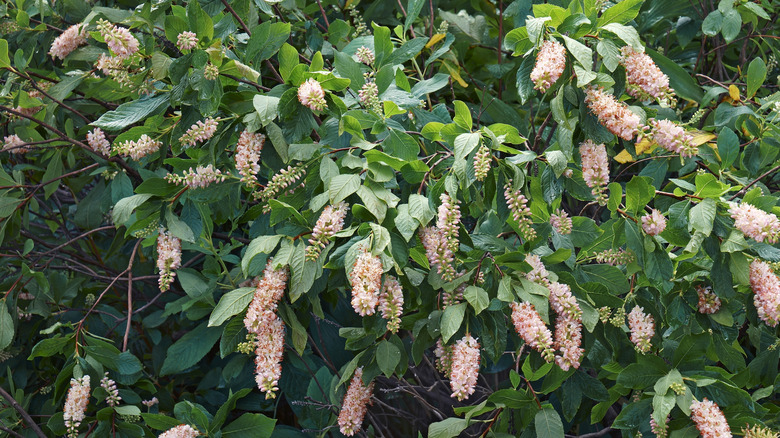
Do you hate pruning your plants? Well then, choose summersweet Clethra (Clethra alnifolia 'Crystalina'; USDA zones 4 through 9) for your wet soil. It grows only 2 to 3 feet high and is one of those beautiful garden plants that you don't have to worry about pruning. And thanks to its green foliage in spring, pink and white flowers in summer, yellow golden leaves in fall, and eye-catching seed pods in the winter, the summersweet Clethra brings all four-season interest to a garden. It is prone to spider mites in hot, dry places, so try to avoid those conditions.
Red Chokeberry
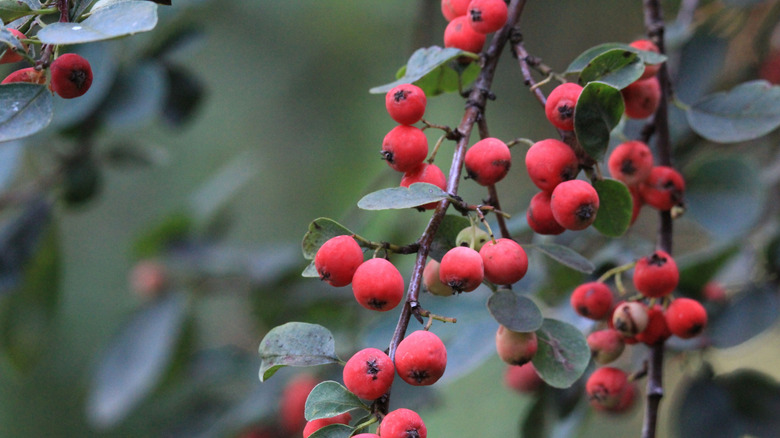
If silky dogwood is too straggly and wild for your taste, you will definitely like red chokeberry (Aronia arbutifolia; USDA zones 4 through 9). It grows well in wet soils, but its real appeal lies in its ability to bring multiple-season interest. With showy white and pink flowers in spring, orange leaves in fall, and deep red berries in winter, you just won't get bored with this plant. The only issue? It needs to be kept in control, as it has root suckers and tends to form dense colonies.
Large Fothergilla
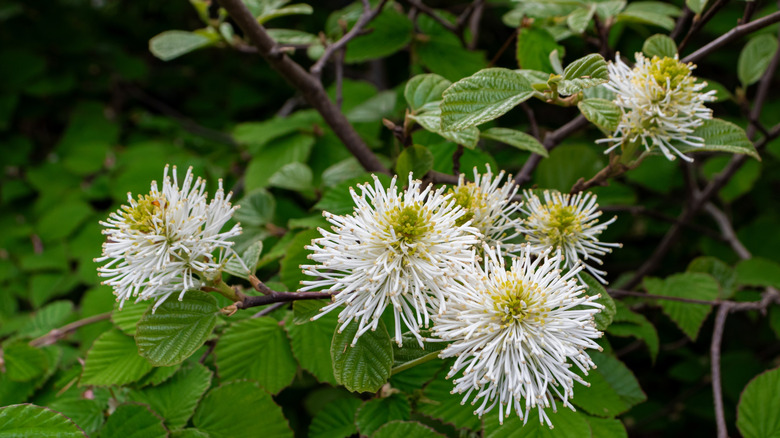
Large Fothergilla (Fothergilla latifolia) is another shrub that brings a four-season interest to the garden. It can be grown in zones 5 to 8 and is well-known for its fragrant flowers in spring, blue-green leaves in summer, and dazzling yellow and orange colors in fall. You can use it in wet places as a screen or hedge around your home. Just keep in mind that it grows somewhat slowly. However, on the plus side, it doesn't have any major pest or disease problems.
Sweetbay Magnolia
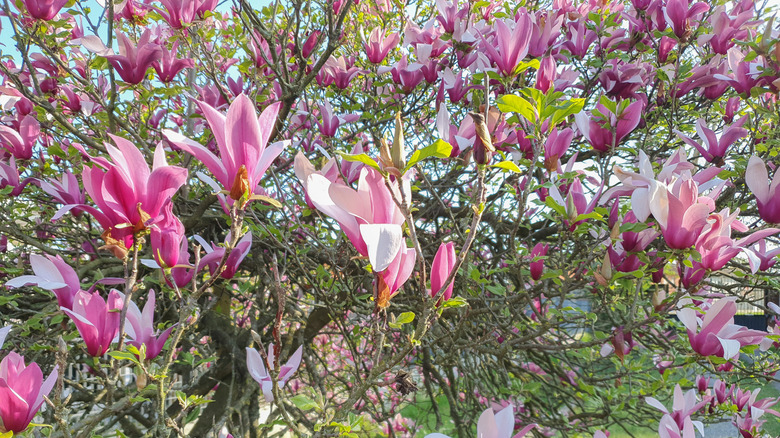
Can't decide if you want a shrub or a tree? Then go with sweetbay magnolia (Magnolia virginiana) as it can work as both. It is a really beautiful semi-evergreen plant that is loved for its silvery green leaves and sweet-smelling creamy white flowers that appear on the plant from late spring till summer. And yes, it tolerates boggy, swampy, and wet soils as well. Just don't plant it if you live outside zones 5 to 10. Even in zones 5 and 6, you will probably have to protect it during winter.
Wax Myrtle
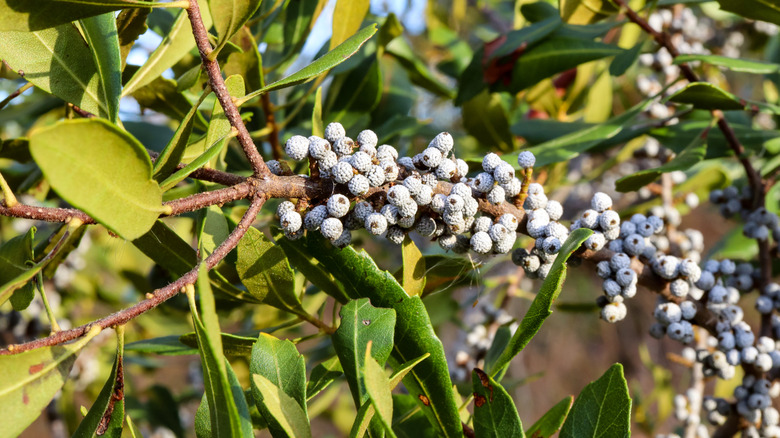
Do you like getting two things done at once? Then consider planting wax myrtle (Myrica cerifera) in your wet garden soil. It is an aromatic evergreen that feeds birds and pollinators while also providing privacy for your yard. Even better? It is low-maintenance. Plus, it will tolerate wet soil or drought and resists both rabbits and deer. You can grow it easily across hardiness zones 7 to 10, and the good news is that it comes in several cultivars — some as small as 3 feet and others as large as 20 feet.
Myrtle-leaf Holly
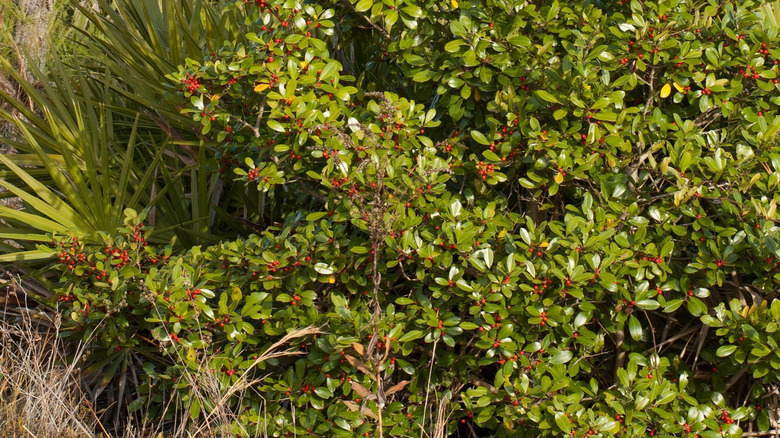
A shrub of the holly family (Aquifoliaceae), the myrtle-leaf holly (Ilex myrtifolia) is a large shrub that at maturity can reach a height of about 20 feet. However, since it grows pretty slow, it might take around 10 to 20 years to reach that height. You can grow it across zones 7 to 11. Just keep in mind that it does not like getting its root disturbed, so you must grow it in its permanent place. Furthermore, you will also need to protect it in winter for the first few years.
Virginia Sweetspire
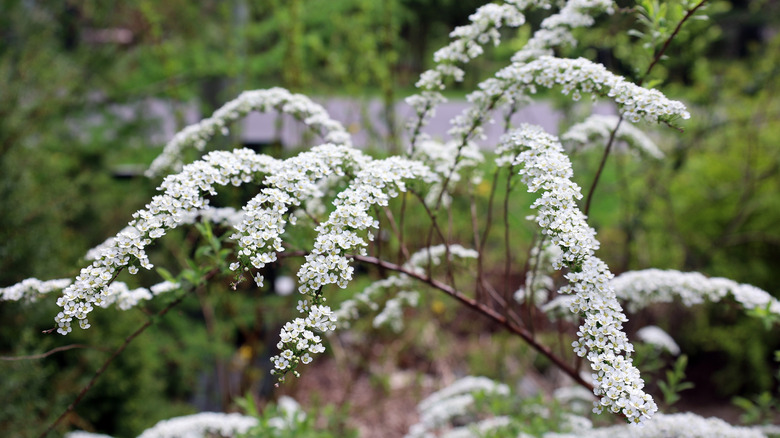
Don't have much space, but still want a shrub that tolerates wet soil? Then, Virginia sweetspire (Itea virginica) is definitely worth a look. It grows naturally in swamps, floodplains, and on stream banks and can even tolerate up to 6 inches of flooding. Also, just like red chokeberry, it offers multi-season interest. Even better? It needs little care. You can easily grow Virginia sweetspire if you live in zones 5 to 9. Just keep it away from alkaline soils, which can cause chlorosis in its leaves.
Meadowsweet
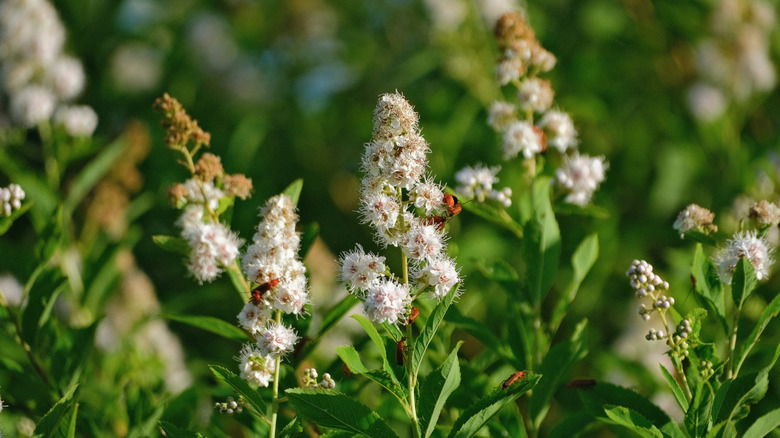
Are you trying to make your yard more private with privacy plants but your soil stays consistently wet? If on top of that, you're looking for something that flowers and brings in pollinators to your yard, then you should definitely try growing meadowsweet (Spiraea alba). It is beautiful, it is fragrant, and it has a really amazing fall color. It is pretty low-maintenance, too. Just make sure that you are not in a particularly dry and hot area and in USDA zones 3 to 7 before you bring it home.
Pond Spice
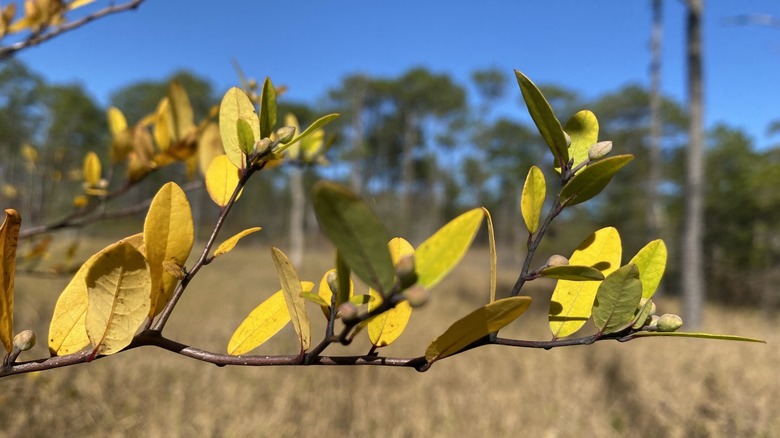
Last but not least, we have the rare pond spice (Litsea aestivalis). It is found only in the coastal plains of the southeastern U.S. and is even declared endangered and threatened in some states. On top of that, you can only grow it in zones 8 and 9. However, despite being rare, you can still find it easily online, and if you like showing off your plants to your guests, it will definitely be a great pick to grow in your wet garden soil, often reaching heights of 10 to 20 feet.