

Plant This Pollinator-Favorite Flower In Early Spring For Summer Blooms
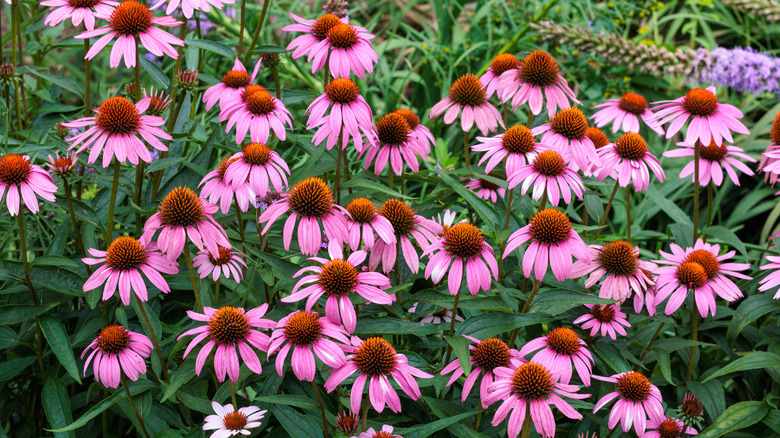
By the time summer rolls around, you and the pollinators can enjoy the generous blooms of purple coneflowers (Echinacea purpurea). They are a garden staple beloved by gardeners and pollinators alike. While these perennial beauties can be sown directly in the earth in late winter, you can also easily plant a bare-root starter or potted plant in early spring for summer blooms.
Purple coneflowers feature 3- to 6-inch wide, daisy-like blooms and a spiky center disc. They're native to the central and eastern United States, but they can grow perennially in USDA Hardiness Zones 3 to 8. Bees, butterflies, and a host of other pollinators gravitate towards the purple coneflower. Birds also stop by to feed on its nectar and later come back for the seeds. With a lengthy blooming season between April and September, your yard can serve as a sanctuary for local wildlife. It's a great flower to add to a chaos garden for a low-effort, whimsical outdoor space filled with native plant life.
When grown from seed, coneflowers require a period of cold stratification before they can properly germinate. Generally, that means you should plant seeds between January and February or cold stratify them in your refrigerator. However, these plants won't bloom until their second growing season. That's why starting with established purple coneflower plants in the spring can be the best option if you want to enjoy blooms in the summer of that same year.
Plant purple coneflower starters after the last frost
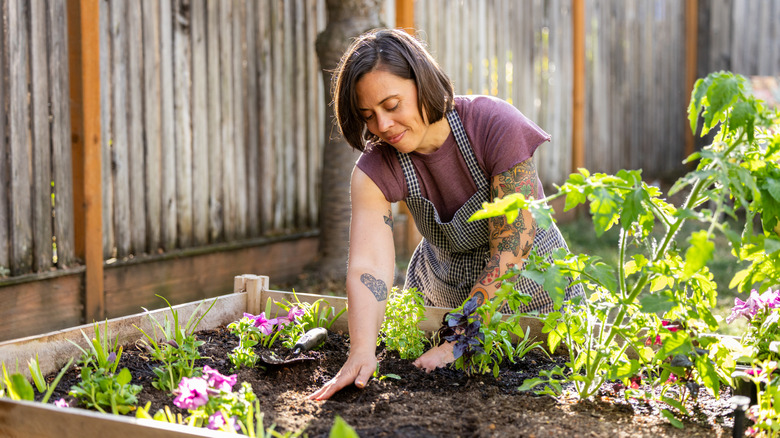
It's a breeze to grow and care for coneflowers. When shopping for a plant at your local nursery, look for one with small buds or young blooms for the best chance at a summer season filled with flowers. Wait to transplant your starter once there's no longer a threat of frost, which is early spring in warmer regions. Your plant will do best where it can receive full sun, but it can tolerate partial shade too. These plants are tolerant of a range of soil conditions, but for the best results, opt for well-drained soil with rich organic matter. Place your young plants in a hole double its size and slightly deeper than the root ball.
Once purple coneflowers are established, they're quite easy going. They don't demand fertilizer or frequent watering. While newer plants will require more water, coneflowers are drought-tolerant at maturity. They also benefit from a light layer of compost upon planting and each spring thereafter. Deadheading spent blooms will help encourage the plant to produce more flowers throughout the growing season. However, you can make your coneflowers last decades by allowing some blooms to go to seed. Collect the seeds in late fall to plant later or allow them to fall to the ground and naturally self-seed. Purple coneflowers are the gift that keeps giving, generously blooming and thriving season after season.