

Stop Moving Your Houseplants Around! How Peace Can Help Them Thrive
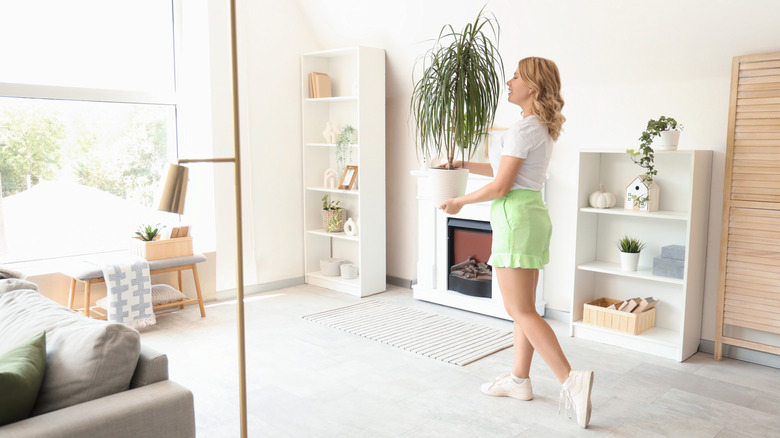
While houseplants may seem like an easy, low-maintenance hobby perfect for busy people, there are actually a few common mistakes that can result in deteriorating plant health and more than a little frustration. You may have heard that overwatering, for example, is a frequent cause of death in houseplants and, in response, have taken some steps to make sure you never overwater your plants again. However, if your plants are still struggling to survive, it could actually be because you are moving them around too often.
Think about it: Plants in the wild are typically stationary, meaning that they are designed to become accustomed to their environment. As such, when you bring a plant home from the store, you are likely to see some discolored or dropped leaves due to the change in environmental factors such as temperature, light, and moisture—all of which can be a shock to the plant's system. Typically, the plant is then able to bounce back from the trauma of having been moved to a completely new location once its routine is more stable. However, if you continue to frequently shift the plant around your home, this can repeat the shock and prevent it from being able to fully settle. Of course, there are situations in which a houseplant may need to be moved. For example, if a window gets plenty of natural light in summer but not enough in winter, you may need to place your sun-loving houseplant in a different location during the colder months.
How to know when to move houseplants (and when not to!)
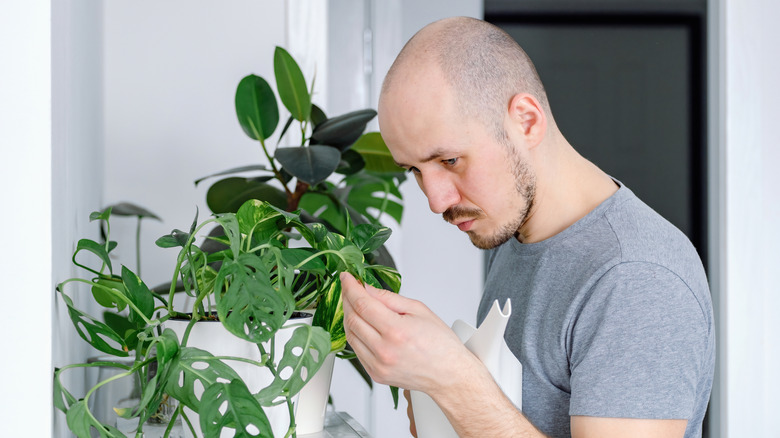
Like with overwatering, some people can find themselves frequently fiddling with, and moving, their plants around their homes. So, to stop yourself subconsciously moving your plants around too much and causing damage, try to get into the habit of only moving your plants if they are not thriving in their current location.
For instance, as stated before, if a plant is not getting enough sunlight and therefore suffering from a lack of growth, leggy stems, diminutive leaves, or discoloration, then you probably need to move it to somewhere that benefits from better lighting. Alternatively, if you own a tropical plant such as a rattlesnake plant (Calathea lancifolia) or a Swiss cheese plant (Monstera deliciosa) which is suffering from a lack of humidity, you may need to move it to a more humid location like a bathroom or kitchen. Getting into the mindset of only moving a plant when it is suffering in its current location can stop you from fiddling with it too much and negatively impacting its health.