

17 Unexpected Items That A Thrift Store Will Happily Accept
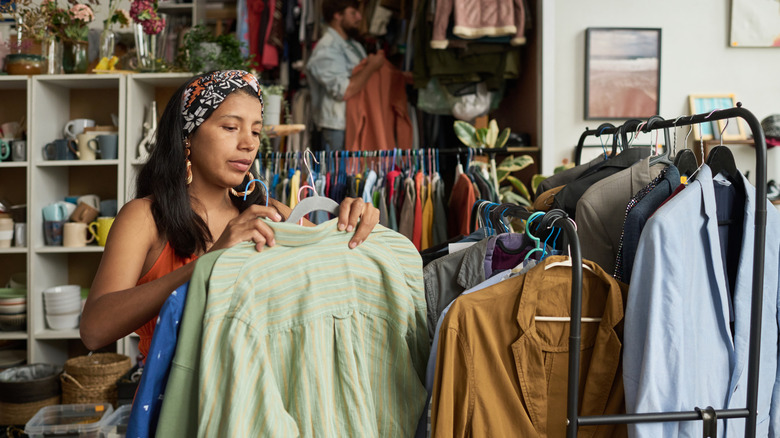
For the most part, people are in the know about things you should always donate after decluttering. When setting aside items for thrift stores, many of us focus on things like clothes, shoes, dishes, glassware, and knickknacks. Often, we end up tossing perfectly great items in the trash, assuming these shops won't want them. In actuality, resale centers are open to more than just apparel, small household goods, and furniture.
By becoming informed on what you can donate, you can help reduce landfill waste, provide essentials to community members who need them the most, and support local initiatives and programs. To better help you next time you're moving or doing a little spring cleaning, this guide breaks down 17 unexpected items that a thrift store will happily accept. And, yes, most of them will take you by surprise. Of course, also included are tips and caveats to save you any trouble down the line.
Some thrift stores accept vehicle donations

Surprisingly, many major thrift stores accept vehicle donations. These are later sold at auction to fund job training and community programs. At most Goodwills, you can donate cars, trucks, SUVs, RVs, boats, and motorcycles. Some locations even take off-road vehicles, heavy equipment, and farm machinery. The Salvation Army and America's Thrift Stores will also happily accept vehicles, though not all types, and not at all locations.
If you have an old car that's an eyesore in your driveway or taking up valuable space in your garage, call thrift shops in your area to see if they'll take it. Depending on who you donate to, the vehicle doesn't even need to be in running condition. Typically, all you need is a clean, lien-free title. And you don't need to worry about paying for towing or service fees. Simply contact them to schedule a convenient pickup, and you'll receive a tax-deductible receipt based on the sale. Don't forget to clear all personal items from the vehicle, and remove the license plates.
Gardening tools and lawn care equipment

Gardeners and landscapers, both hobbyist and professional, frequently shop at thrift stores to find great deals on gardening tools and lawn care equipment, especially during spring and summer. Welcome items include the most essential of gardening tools, such as shears, pruners, trowels, watering cans, spades, hoes, and shovels. Lawn cutting tools, like weed eaters and edgers, are also received because they're built to last and significantly cheaper than when new.
Before donating, ensure your equipment is in clean, working condition. To remove excessive rust from garden tools, you can try hacks, like using white vinegar or lemon and salt. For electric tools, include all chargers and batteries so that they're immediately sellable. As far as gas-powered devices go, not all places accept them, so check with your local shop. If they do, they generally ask that you remove all fuel from motorized gear. PSA: They won't take anything that has been recalled.
Thrift shops will take your unused candles

Got any candles that you never got around to burning? Or any that aren't "in season"? Maybe they clash with your new decor? Bring those candles into your local thrift store! While many shoppers look for vintage gems in the home goods section, they also love finding unused candles for a fraction of the retail price. Moreover, thrifty crafters are regularly on the hunt for these items to repurpose the jars or wax for their DIY projects. Some shops will even take them if they've been slightly used. It's always smart to reach out and ask before coming in, though.
For donation prep, make sure that your candles are free from significant wax damage, the wick is intact, and the container isn't broken. Then, remove dust, gently wipe the jars clean, and secure the lids if you still have them. Pack the candles securely before heading in, so they arrive in one piece.
Pulls, knobs, and hardware are a goldmine for DIYers
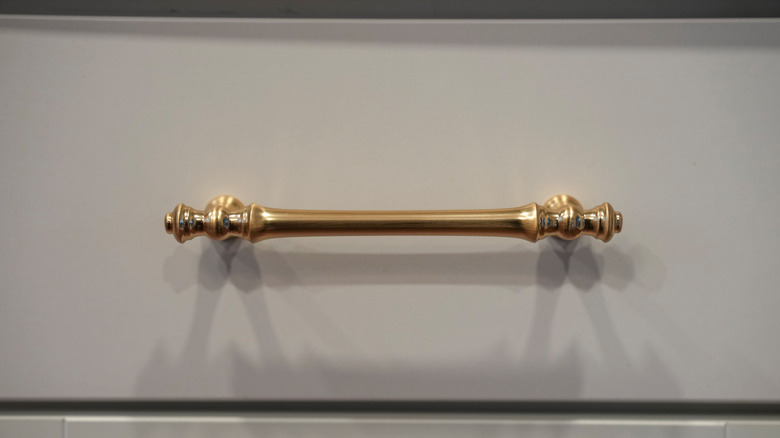
People commonly donate full furniture pieces, but rarely think of donating hardware. Many organizations, including Goodwill and Habitat for Humanity ReStore, will happily take these. You can donate items like pulls, knobs, and hinges. Flippers, artists, and DIYers often seek them secondhand to update cabinets, dressers, and other pieces with unique, vintage, or modern handles. Whether ceramic, glass, brushed nickel, or aged brass, these items offer immense value for upcycling.
Prepping hardware for donation is easy. Just clean off dust, paint residue, and rust. Group matching or similar sets together in plastic bags. Most importantly, include any screws, washers, and backplates. Considering that many people go for a whimsical, one-of-a-kind look, don't toss out any mismatched pulls or knobs. As long as they're functional and not broken, you should be good to go.
Donate hand tools and small power tools

Because hand tools and small power tools can be pricey, many crafters, DIY enthusiasts, and renters and homeowners on a budget shop for them secondhand. So, if you're decluttering your garage or shed, set aside what you no longer need for donation. For many, tape measures, Craftsman sets, DeWalt cordless drills and saws, vintage handsaws, planes, and chisels are among the tools always worth thrifting. Other coveted items include hammers, wrenches, and screwdrivers.
As a rule, tools should be in safe, working order. Wipe surfaces to clean off any dirt, rust, or debris, and sand off any splinters on handles. When donating a power tool, coil the cord neatly, and include all essential components and accessories, such as batteries, chargers, and blades. Just like with gardening and lawn equipment, avoid donating items that have been recalled. Only donate what you'd feel comfortable lending to a friend or relative.
Hobbyists and teachers look for craft and art supplies

Goodwill usually doesn't turn down craft and art supplies. Neither do other resale shops. Donated goods like craft kits, beads, paints, yarn, fabric, sewing tools, and scrapbooking materials are a goldmine for artisans and craft hobbyists. They'll never overlook the thrift store for these DIY supplies. Buying them secondhand allows creators to acquire what they need without spending what they would at places like Michael's and Hobby Lobby. Plus, the randomness of it all serves as inspiration, fueling their creativity. Instead of allowing your unused stash to end up as waste in a landfill, help someone out with their next masterpiece.
First, check with your local thrift stores for their guidelines. Ask what they take, and whether items have to be new or can be gently used. To make sorting easier for them, there are a few things you can do. Tie objects like knitting needles and paint brushes together with rubber bands. Use clear bags to sort loose and smaller donations into organized, categorized bundles. Check that liquids, such as primers and acrylics, haven't dried out or become clumpy. And label yardage on yarn and fabric, so staff can price them accurately.
Help out students by donating school supplies

Goodwill, The Salvation Army, and some other thrift stores accept school supplies. You can donate backpacks, graphing tools, notebooks, folders, and more. There's a demand for these items, particularly during back-to-school season. If you don't need them, let them be repurposed by those who do, and help offer affordable options for parents and students. Teachers also scout these sections to stock their classrooms without breaking their personal budgets.
Your first order of business is to ask the thrift store about acceptable condition. Are gently used pens, pencils, and markers okay? Do they take notebooks that are only missing a few pages or do they prefer them totally new? What about glue? Check that items are clean and functional. Backpacks and pencil bags should zip up fine and have no major tears. Binders must close properly. If you're donating a smart or scientific calculator, take out the batteries beforehand, as they can leak and pose a risk to staff.
Take your extra hangers to the thrift store
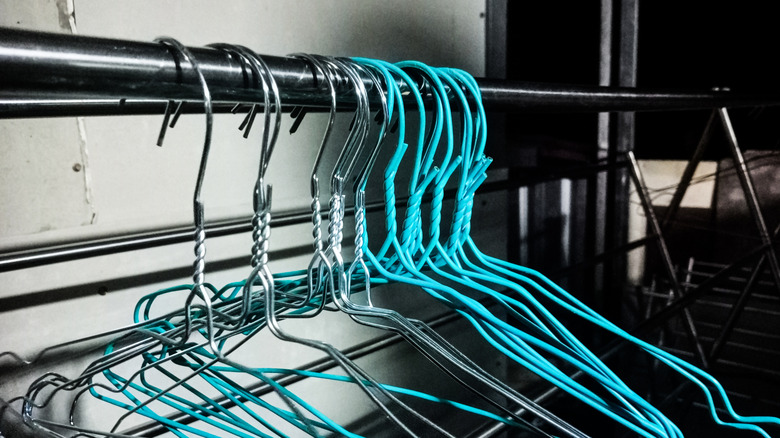
Have you updated your closet with new hangers? Do you have extras lying around? Don't throw them out! They may seem minor, but many thrift stores will appreciate them. Due to the high volume of clothes displayed daily, some of them use them in-store. But they also resell them. Goodwill, in particular, accepts plastic and metal hangers. When metal hangers aren't used or sold, they'll recycle them. The Salvation Army and Savers are also known for welcoming hanger donations.
To be sure, call ahead and double check. Also, ask what type of hangers your local shop will take, whether only plastic and metal, or felt and wooden, as well. Obviously, confirm your hangers are clean and structurally sound. Then, sort them by type. And have the courtesy of untangling them and bundling them together in easily manageable groups of about 10. This will make it easier for staff to sort.
Thrift stores will gladly take musical instruments
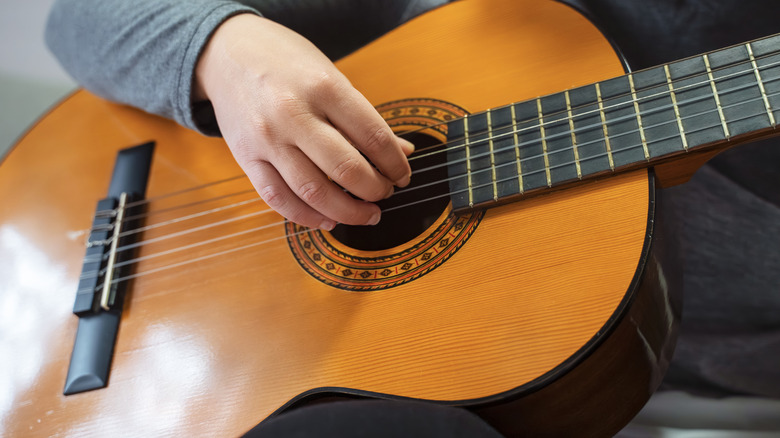
We bet you never even considered this one, but some thrift stores are eager to accept musical instruments, since they're normally durable and come with huge refurbishing potential. Many aspiring musicians, music students, and beginners look for them secondhand, saving them hundreds of dollars from buying brand new. Goodwill, for instance, takes a huge selection of instruments: amps, guitars, keyboards, pianos, drum sets, woodwinds, violins, and more.
No matter who you're donating to, check with them before hauling anything into your car. Keep in mind that not all places will take every type of instrument, since some don't have the floor space or storage for larger items. If you want to donate something that needs minor repairs, ask if that's okay, too. To get your instrument ready for donation, remove any dust and polish it off to clean. It goes without saying, but include the original case, if you still have it.
Don't throw away your old Halloween costumes

Halloween costumes are awfully high-priced for something that'll only be worn one night of the year. To make matters worse, a great deal of them are coated in non-recyclable plastic. In fact, according to Yale Sustainability, about 85% of these single-wear outfits end up in landfills, where they can release harmful pollutants to the environment. Not only does donating help with waste reduction and sustainability, but it allows people to celebrate Halloween more affordably. Families with multiple kids, especially, are on the lookout for great secondhand picks. Thrift stores you can donate yours to include, but are not limited to, Goodwill, Planet Aid, Thrift World, and The Salvation Army.
As is the case with any clothes donation, your costumes should be in good, usable condition, and without any major damage. Before bringing them into the shop, wash and clean the costumes thoroughly. Place costumes in a clear bag along with any accessories, and include a label denoting the size.
Bring in unwanted old physical media
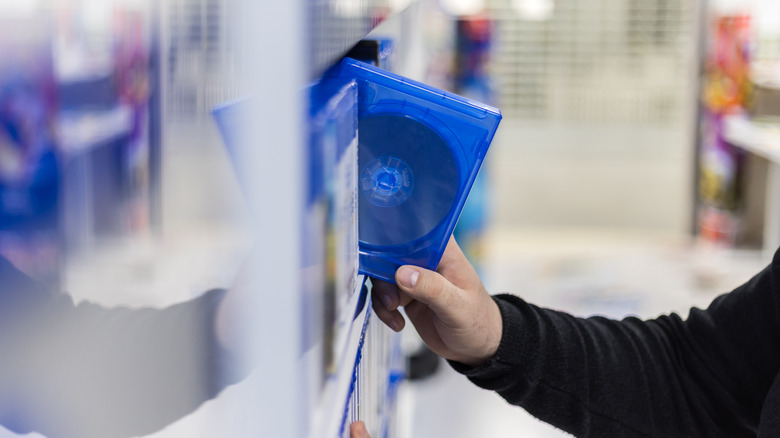
If you enjoy doing a bit of thrifting yourself, you've likely come across the book aisle. But did you know that thrift stores will also take digital and analog media? Yes, that means DVDs, Blu-Rays, CDs, vinyl records, VHS tapes, video games, and cassettes. Despite the popularity of streaming services, there's a growing resurgence of physical, tangible media among collectors. Many people want their own titles without the monthly subscription fees. These items also tap into nostalgia and the growing market for retro entertainment. All those cult classic DVDs and vinyl records collecting dust in your attic are waiting to find their new home.
However, you should only donate what's in good, playable condition. So, check that the discs aren't heavily scratched. You can clean dust with a soft, lint-free cloth, moving outward from the center. Inspect cassettes and VHS tapes for any signs of damage or mold. Ideally, items should be donated in their original case or jacket, which should also be wiped down. Lastly, to help out staff, it's useful to group donations by genre or format, and pack them in a sturdy box.
Old electronics and computers (sometimes in any condition)

While many thrift stores only take functional computers and laptops, most Goodwill locations will happily accept them in any condition, as they'll refurbish them to sell as whole, put parts up for sale, or responsibly recycle them for you. Among the many other old electronics you can donate are printers, cables, keyboards, gaming systems, radios, stereos, DVD/Blu-Ray players, VHS players, MP3 players, cell phones, CPUs, and hard drives. Flat screen TVs and monitors are usually accepted, but some shops will refuse CRTs. And if you have any bygone answering machines or typewriters, you can give them to The Salvation Army.
The most important thing to do before donating is to protect your privacy by clearing personal data. Delete all files, remove accounts, and perform a factory reset. For non-smart electronics, just kindly dust them off. When donating, include all associated accessories, cables, chargers, and remotes.
Magazines, comic books, and coffee books are gems to many

Although often overlooked, old magazines, graphic novels, and comics are precious finds for many, particularly collectors, nostalgics, and artists looking for creative crafting or collage materials. For others, some of these items make for unique home decor. Speaking of, coffee table books are also in demand for their aesthetic, stylish appeal. From National Geographics and Cosmopolitans to photography books and mangas, one person's trash is another's treasure.
To donate, verify that items are free of mold, mildew, and pests, such as silverfish and book lice. If you want to go above and beyond for extra caution, you can freeze them in a sealed plastic bag for a couple of days to kill potential larvae. For your protection, remove any mailing labels where your address and name are visible. Organize comics into sets to make them more attractive to potential buyers. Anything vintage or collectable, especially, should be placed in protective bags.
Bedding, linens, towels, and other household textiles

It's common knowledge that mattresses are one of the items that you should never donate to thrift stores. So, it might come as a surprise that they do, however, take used bedding and towels. Avid thrift shoppers won't turn away a good household rug or linen, either. If these items are unusable, Goodwill will usually sell them to a third party that will recycle them, meaning that sometimes they do take them despite being worn out. As always, contact your local thrift store to check their policy.
Just as you would with clothes, freshly launder all items for donation. After drying, fold them neatly to show that they're free of stains, pet hair, and odors. Bundle matching sets together, and use masking tape to label the size. If the shop said yes to torn or spoiled items, separate and label those too, so it's easier for staff to identify for recycling.
You can donate sporting goods and exercise equipment

You can donate sporting goods and exercise equipment to Goodwill, America's Thrift Stores, Value Village, The Salvation Army, and Thrift World. Otherwise, check with other thrift stores in your area. Inquire about their guidelines. Some places won't take larger equipment, such as ellipticals and treadmills. But most will accept pretty much everything else — bicycles, tennis racquets, golf clubs, baseballs, hockey gear, fishing poles, and even athletic gear and media. For parents looking to get kids into new hobbies or someone committed to staying active, they can offer a world of savings.
When preparing your donations, make certain everything is safe, fully functional, and clean. For example, inspect soccer balls and bike tires for punctures, and check for frayed straps or cracked plastic. Pay extra attention to helmets for damage and expiration dates. If anything comes with smaller accessories, bundle those together in a bag. Wipe down everything from weights to yoga mats, and thoroughly wash apparel.
Certain thrift stores welcome major household appliances
Although most thrift stores only take small appliances, there are some that will gladly receive major household appliances, including washers, dryers, refrigerators, ovens, ranges, and heaters. A couple of well-known organizations that do are The Salvation Army and Habitat for Humanity ReStore. Unfortunately, Goodwill doesn't, but they won't turn down a working microwave. Your donation can help low-income households, first-time homeowners, and recent graduates furnish their homes at affordable prices.
Prior to donating, reach out for the shop's policies. Ask if they'll take anything that might need minor repairs. And be aware that some places will only take appliances that are less than five years old. However, others might accept older donations of 10 to 15 years. Naturally, recalled items will be turned down, so check the manufacturer's website. Clean items thoroughly, defrost freezers, and tape doors and drawers shut to prevent damage during transport. If you still have the manual, include it with your donation.
They might take air conditioners
While many thrift stores, including Goodwill, aren't open to air conditioner donations, The Salvation Army and Habitat for Humanity ReStore are. You can do research on other specialized resale centers near you to see if they'll want your old but functional AC. These items are highly sought after because brand-new cooling systems are a big financial investment not every household can afford.
Whether you're donating a wall, window, portable, or condenser unit, the best practice is always to call ahead to see if they need or will accept it. Remember to also ask whether it has to be below a specific age. Before you drop it off or schedule a pickup, ensure it still works. Drain any internal water, and clean it thoroughly. No one wants a machine that smells of mold or mildew. Think "showroom ready." It's also important that you include any mounting hardware, panels, and remote controls. These parts can be tough for thrift stores to replace.