

Everyone Owned One In The '70s — The Houseplant That Belongs In Your Retro Home

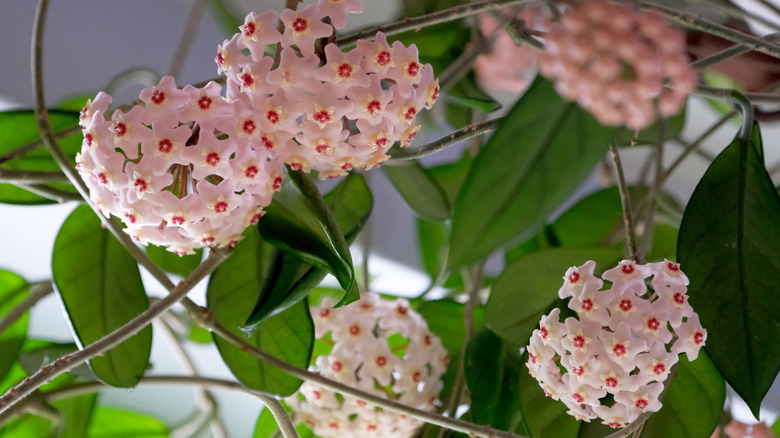
Walking into a trendy living room in the later half of the 20th century almost guaranteed a sighting of waxy, star-shaped flowers trailing from a handmade macrame hanger. The popular hoya plant (Hoya carnosa), also known as the wax plant, played a part in defining the indoor look of the 1970s with its thick vines and clusters of flowers. While many fads from that decade are better left in the past, this plant is still popular, especially for homeowners who want a vintage aesthetic without the struggle of trying to keep a more finicky tropical plant alive. This plant also has a reputation as the sweet smelling plant you can grow indoors with very little effort.
Hoya plants are popular because they are low maintenance. They can handle partial shade that other plants wouldn't like. Their leaves store water, so they won't hold a grudge if you happen to miss a watering session. Collectors often look for variegated versions to add pops of pink or cream to their space, but the classic deep green variety remains a favorite because it's so low maintenance. Bringing one home adds a connection to that classic era of design and fills up an empty shelf with vines that look better as the years go by. A hoya plant is a bridge between the earthy, bohemian style of the 1970s and the clean, simple lines we see in homes today.
What's the best indoor environment for a hoya plant?
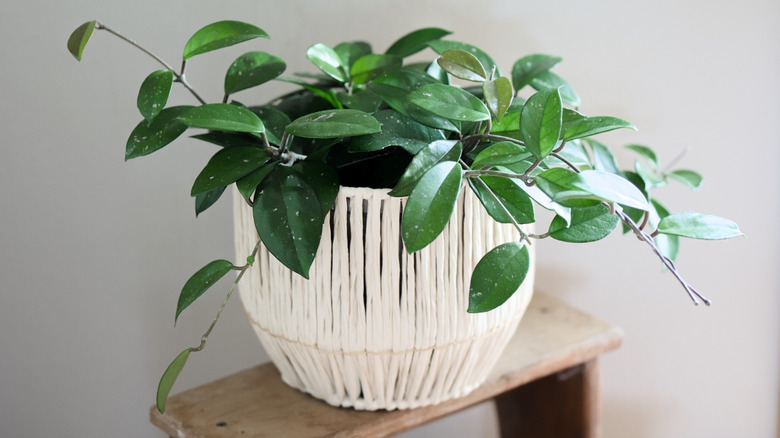
Growing a healthy hoya plant starts with understanding where it comes from and what care it needs. These tropical perennials are native to Asia and Australia, so they love warmth and humidity. If you live in USDA Hardiness Zones 10 through 12, these vines can actually stay outside all year round. For those who live in other areas, this plant makes a great indoor roommate as long as it gets plenty of bright, indirect light. Putting them near a window gives them the filtered sunlight they like without burning their leaves. A DIY macrame plant hanger is just what you need to hang this '70s staple.
An interesting thing about a hoya is that they don't mind if their roots are a little crowded, and they tend to bloom more often when they feel snug in their pots. Because of this, learning how to know when to repot your hoya plant is less about a set schedule and more about watching for signs that the plant needs a new home. You should avoid moving them to a bigger container too often, since that will disrupt their flowering cycle. Using a soil mix that drains fast, like one with orchid bark or perlite, stops the roots from sitting in soggy soil. When those flowers finally do show up, you need to let them fall off naturally rather than deadheading them. This plant is unique because it blooms from the same woody stalks, known as peduncles, year after year.
Smart watering habits that prevent a hoya plant from yellowing
Keeping your hoya happy is all about a watering routine that gives this plant what it needs without overdoing it. Since these plants have leaves that act like tiny water tanks, it doesn't need the constant soaking that something like a fern would want. You should let the top few inches of the soil dry out completely before you pick up the watering can. When winter comes, the plant slows down a lot, which is your signal to water even less. If the leaves start looking thin or wrinkled, the plant is probably thirsty, but yellow leaves or soft stems are usually a sign that you're watering it too much.
Higher humidity is a big help, especially in the summer when the plant is busy growing new vines and getting ready to flower. You can increase the moisture in the air by placing a few plants next to each other or setting the pot on a tray of wet pebbles. This can help the hoya to grow their flowers that made it a household icon in the 1970s. You should keep an eye out for the nectar the flowers produce, which is completely normal, but can sometimes drip onto furniture or floors and stain. To keep the leaves breathing well and looking their best, wipe them down with a damp cloth every once in a while to remove dust buildup.