

Vegetables You Should Start Growing In Containers This March
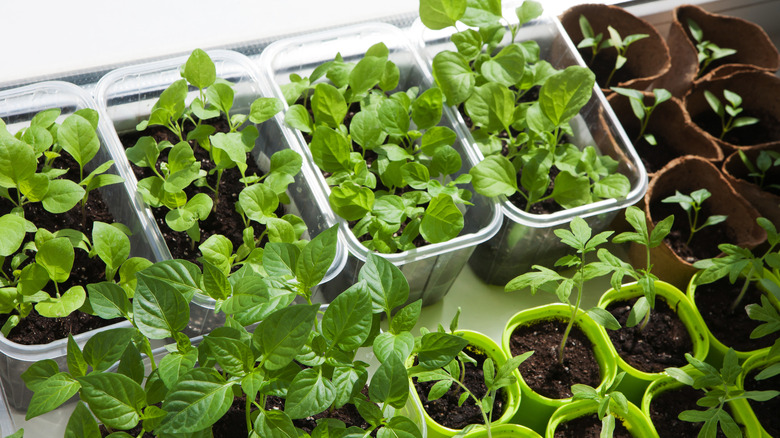
Get a jump start on the growing season by planting vegetables in pots this March. Rather than direct sowing all of your crops in the spring and waiting, you'll have seedlings that are ready to move into the garden. Simply sow seeds in containers, let the plants mature, then transplant them or move their containers when they're ready. This is a great way to stay busy while it's chilly outside and to garner excitement for the upcoming growing season. You'll have plants to care for, regardless of how cold or snowy it is!
Though some plants adapt well to container growing, not all of them are perfect for the job. It's best to plant vegetables that can live in the containers their whole lives or crops that transplant well. Radishes, for example, dislike transplanting but can live their lives in a medium-sized container. Additionally, vegetables need various temperatures to germinate. Lettuce seeds may sprout in pots outdoors during late winter, but you'll need to sow peppers and tomatoes indoors to get them to germinate in March in most regions of the U.S.
Cold frames, greenhouses, and humidity domes are great tools for promoting germination. If you lack indoor space for seed starting, try building a wooden DIY cold frame for your tender seedlings. Protective structures insulate the soil, which warms it to an optimal temperature for seed germination. Inside these structures, use trays, pots, soil, a watering can, seedling heat mats, a fan, and grow lights to make an optimal propagation station for your vegetables.
Peppers
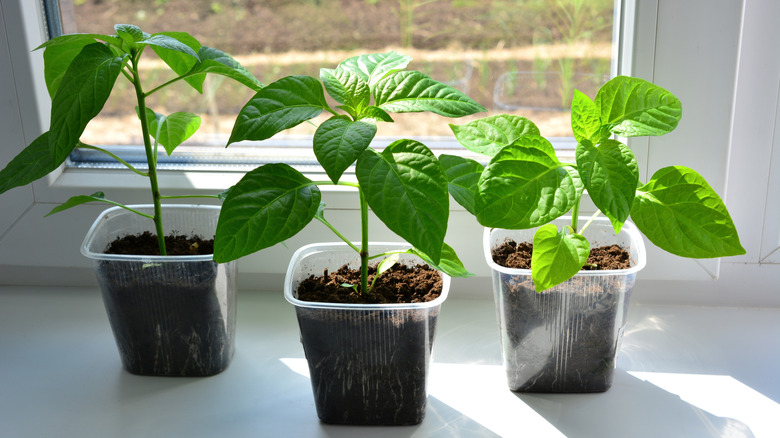
Nothing says spicy like a hot pepper crop! But even sweet peppers are heat lovers. They benefit from growing during the warm months from spring through fall. Some growers choose to wait to sow seeds until after the last frost date; however, this creates a long waiting period before the peppers are ready to harvest. Instead, sow pepper seeds in containers starting in March. Let them grow indoors or in a greenhouse, then begin moving them outside when nighttime temperatures remain above 50 degrees Fahrenheit.
Lettuce
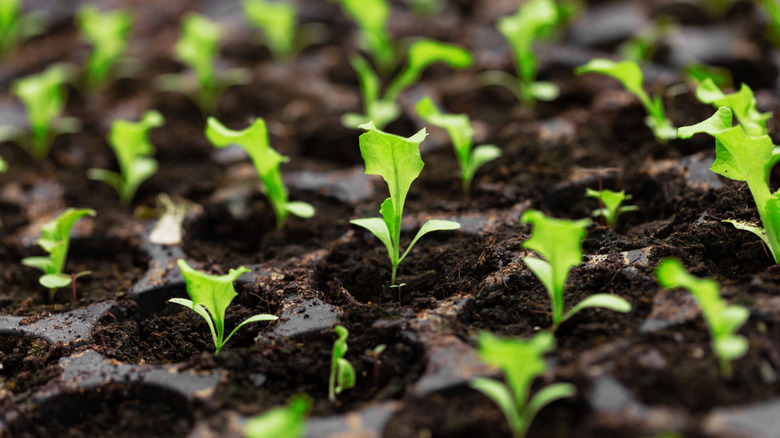
Most varieties of lettuce prefer cool weather and are perfect for sowing during March. Depending on where you live, you may sow seeds in pots indoors, outdoor planters, or in containers inside a cold frame. The seedlings grow quickly, and they'll be ready for transplanting around the last frost date in your region. A large container can house lettuce for the whole growing season, so sow the seeds in large containers if you plan to keep the plants in pots. Harvest your crop by snipping the outer leaves or by cutting down the small heads and letting them regrow.
French Sorrel

French sorrel (Rumex scutatus) is a leafy green vegetable with succulent, tender leaves. Unlike lettuce, it's a perennial in USDA hardiness zones 4 through 9. Sow its seeds in pots this year, transplant the seedlings, and you'll have sorrel plants popping up in your garden for years to come. The leaves are perfect for fresh dishes like salads and sandwiches, and they're delicious in cooked recipes mixed with other greens. There are other species of sorrel, but the French type is best for cooking, as it's less acidic than the others.
Tomatoes
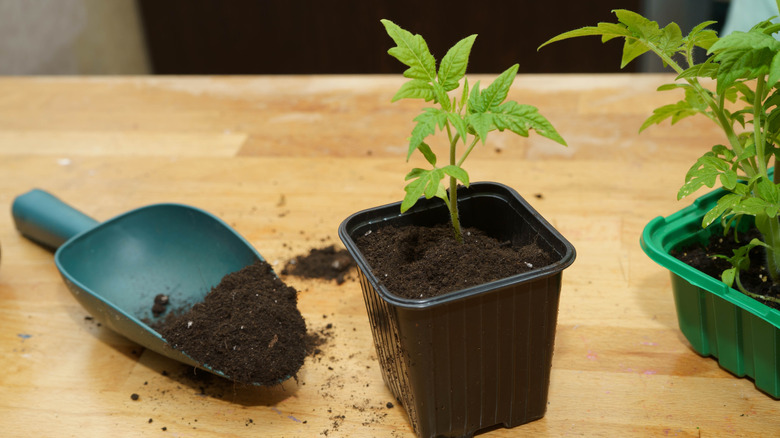
Tomatoes are ideal for container growing in March. Starting seeds ahead of time gives these productive crops plenty of time to grow before spring begins. You'll want to start them 5 to 6 weeks before your intended transplanting date. They'll thrive in containers indoors with enough light, water, and airflow. Set them near a window, or consider adding grow lights above them to boost the brightness. If you plan to grow this fruit in containers throughout the season, select a cherry tomato variety that thrives in pots.
Eggplant
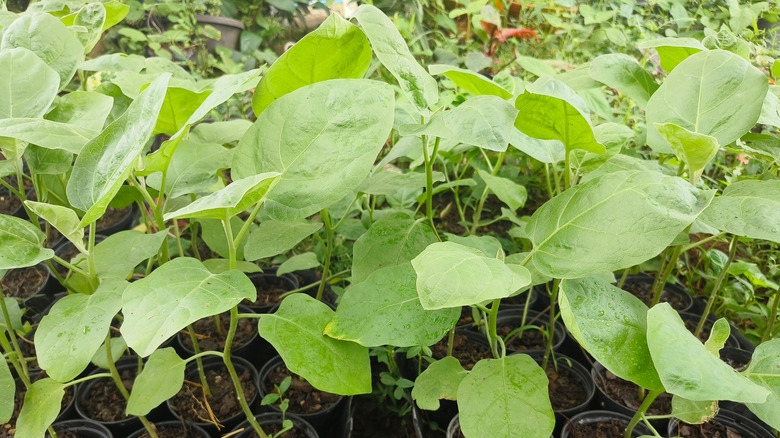
If you're growing tomatoes and peppers, you might as well add eggplants to the list! Eggplants are close relatives of tomatoes and peppers, and they prefer similar growing conditions to thrive. That said, they need warm temperatures, and they'll suffer from late frosts if they're outside in spring. Get a head start on the season by sowing eggplant seeds in containers, then let them grow until you're ready for transplanting. You may safely transplant eggplants when nighttime temperatures stay above 50 degrees Fahrenheit. If the temperature drops unexpectedly, cover the plants with row cover or greenhouse plastic to protect them.
Tomatillo
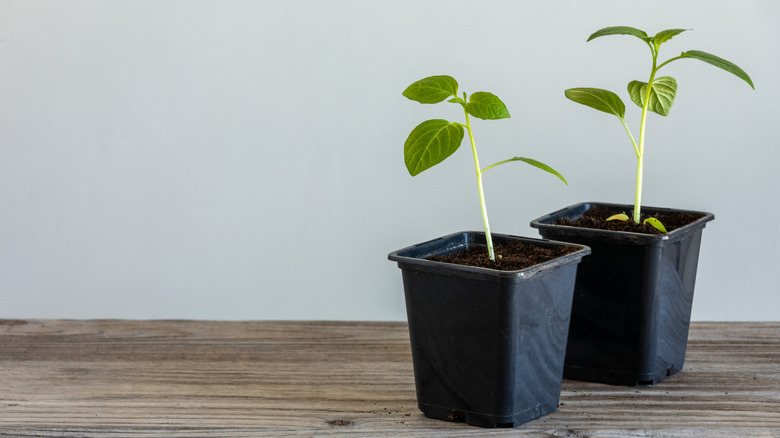
Salsa lovers may want to start tomatillos in pots this month. Tomatillos are also relatives of tomatoes that are essential in delicious salsa verde. Plant at least two, as they need more than one plant for pollination and fruit set. Bottom heat will help the seeds germinate, so use a heat mat if you've got one. Move the young crops outdoors at the same time as you move your tomatoes after the danger of frost has passed. Tomatillos generally need about 4 to 5 weeks indoors before they're ready for transplanting.
Basil
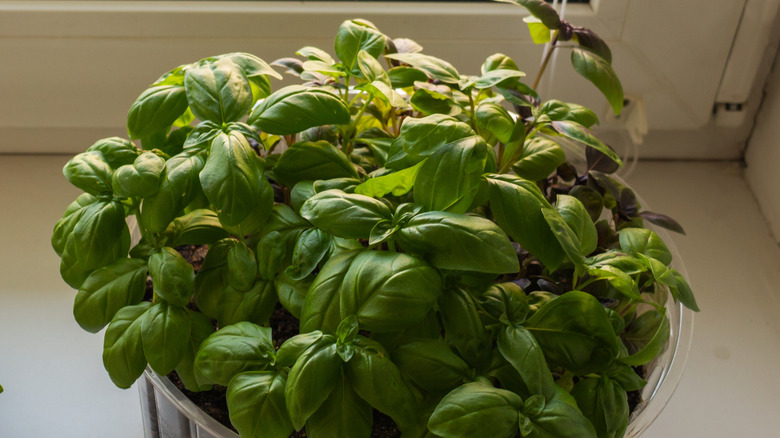
Don't forget the herbs! Herbs like basil provide aromatic leaves that add flavor to enhance fresh and cooked meals. Basil needs warm temperatures to grow, and it'll suffer in the winter in regions of the U.S. with harsh winter frosts. Treat it like an annual and start seeds in containers in March or April. This will give the plants more time to grow, meaning you'll have plenty of fresh basil to harvest in the coming growing season. If you've got the space for it, consider keeping a potted basil indoors so you can enjoy it all year long.
Radish

Container gardeners rejoice — more and more gardeners are using containers to grow plants, and for good reason! You can plant radishes in decent-sized containers and leave them to grow, with no transplanting necessary. Radishes prefer cool temperatures, and it may be better to start them in pots under a cold frame outdoors than in a hot room inside. Sow them in pots that are at least a foot tall and wide. For the best results, choose shallow-rooted salad varieties like Cherry Belle or German Giant. They'll perform better than deep-rooted Daikon radishes and similar types.
Onion

Onions are essential in many dishes, from sautés to fresh salads. They benefit from an early start if you're starting them from seeds. Bulbs can get away with a late or outdoor planting. Plant them in containers when the ground dries and thaws sufficiently after winter, which falls in March for many growers. Give seed-started onions about 8 weeks of indoor growing time before moving them outside. If they get too tall, simply trim them back to 6 to 8 inches to keep them at an optimal height. Use sterile scissors when trimming to keep the onions disease-free.
Cabbage
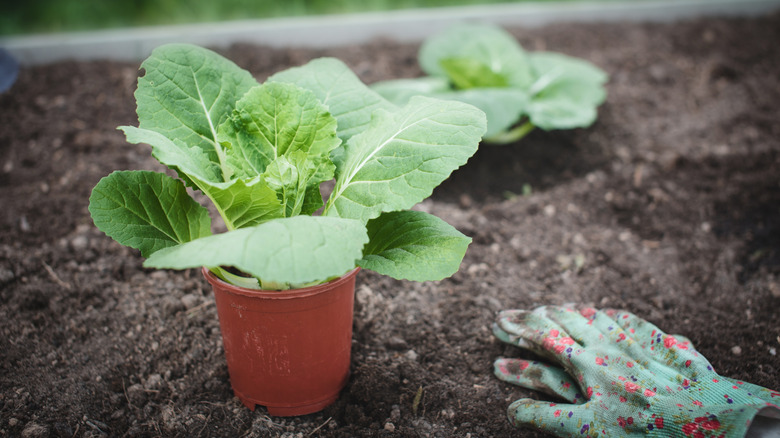
Cabbage plants need some time to mature into ripe, sizable heads that are ready for harvesting. In regions with short springs, you'll want to start cabbage ahead of time so it grows in cool weather for most of its life. Start the seeds 4 to 6 weeks before your intended transplanting date. This may fall in March for many growers, though it varies by region. Seedlings are ready for planting when the nightly temperatures stay above 40 degrees Fahrenheit.