

Keep Your Spider Plant From Browning With This Smart Watering Tip
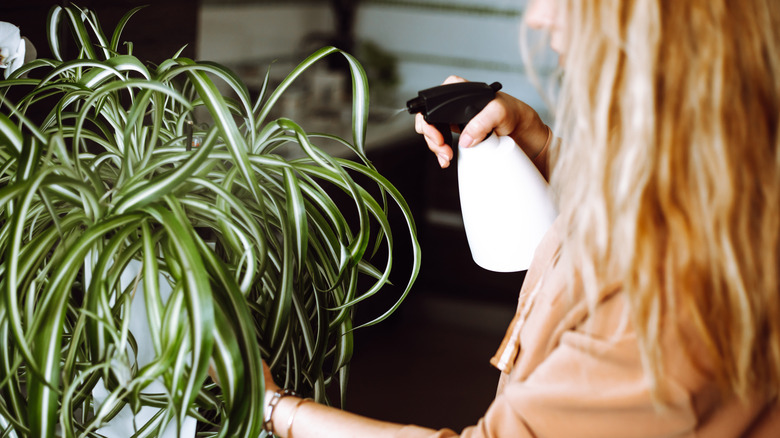
The spider plant (Chlorophytum comosum) is a classic houseplant choice with many varieties to choose from. Its arching leaves and dangling, spider-like plantlets (hence its name) make it a favorite for indoor plant lovers. But spider plants have a common problem many plant parents struggle with: crispy, brown tips that stick around no matter how much care you give them. And while your first thought might be that the plant is just thirsty, the real issue usually isn't the quantity of water you're giving it, but the quality. Tap water often contains additives, so using rainwater is preferable.
Spider plants are highly sensitive to the chemicals found in municipal tap water, such as fluoride and chlorine. These chemicals travel through the plant and tend to end up at the very tips of the leaves. And because it has no way to process these minerals, they build up until they essentially burn the leaf tissue from the inside out. The salt found in tap water makes it harder for a spider plant's roots to pull in moisture, which further stresses your plant.
Fixing this is easy: just change your water source. Switching to a cleaner water source stops the chemical buildup at the root level. Rainwater is great for this species as it's naturally soft and chemical-free, mirroring the environment these tropical beauties enjoy in their native coastal South Africa. Switching to rainwater is smart and will help stop your spider plant from dying (or looking like it might).
How to switch rainwater into your new watering routine
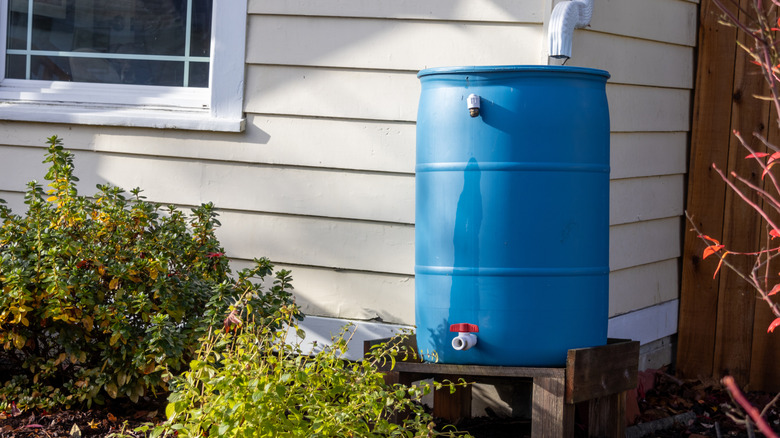
Making the transition to rainwater is an easy way to help a struggling spider plant. You don't need an expensive filtration system or even a whole backyard setup to get started. All you need to do is set out some clean plastic containers or wide-mouth glass jars on your patio or balcony on the next rainy day. Once you've collected a good amount, bring it inside and let it sit until it reaches room temperature before using it. Pouring cold water directly on a tropical plant is likely to shock the root system, causing further stress.
Once your rainwater is ready, use it to water the plant when needed. Let the water run through the drainage holes freely to flush out any mineral buildup that's been sitting in the potting mix from all your previous tap-water waterings. If your plant already has a good amount of browning, feel free to gently trim the dead tips with a pair of sharp, clean scissors to restore its aesthetic appeal. And from now on, stick to using only rainwater to make those ugly brown spots a thing of the past. Your spider plant will reward you with lush, cascading foliage and become a big, beautiful statement piece plant that'll look great on your bookshelf.