

What To Plant With Coneflowers For A Low-Maintenance Landscape
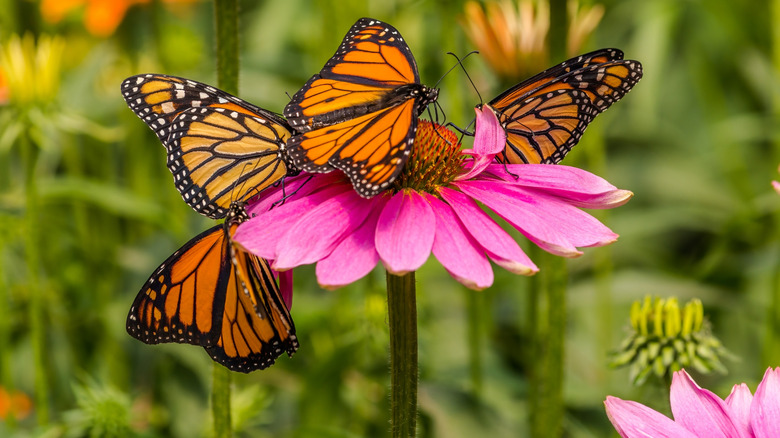
For many, the idea of waking up on a warm spring morning and stepping outside to a lush landscape alive with the buzz of pollinators and wildlife is a dream that seems out of reach. Gardeners and homeowners don't always have the time to spend hours watering, pruning, and replanting throughout the season. Coneflower (Echinacea spp.) may be the secret to unlocking this dream, no matter how little time you have. A low-maintenance garden helps reduce the workload while still delivering color, texture, and a haven for backyard wildlife. Coneflower is widely regarded as an easy plant for beginners, but pairing it with resilient perennials that tolerate drought, attract beneficial insects, and return year after year is one of the easiest ways to create a garden that will essentially take care of itself.
Coneflower is a tough perennial that grows in USDA hardiness zones 3 to 9 and thrives in a wide range of conditions. It tolerates heat and dry soil and provides long-lasting blooms that attract bees, butterflies, and birds. These plants blend beautifully with a variety of garden designs, including ornamental grasses, perennial flowers, and shrubs. You can fill your garden with pollinators by growing the right plants alongside your coneflowers, like bee balm, blazing star, butterfly weed, and goldenrod, without adding extra to your workload.
Drought-tolerant coneflower companions such as lavender, catmint, yarrow, and Russian sage offer long blooming periods without the need for regular watering once they are established. You can also add structure to your garden with plants like switchgrass, maiden grass, and airy muhly grass to create a sense of movement and texture that complements coneflowers' upright blooms. Together, these plants create a balanced, resilient garden that not only looks vibrant but also demands very little attention.
Astible
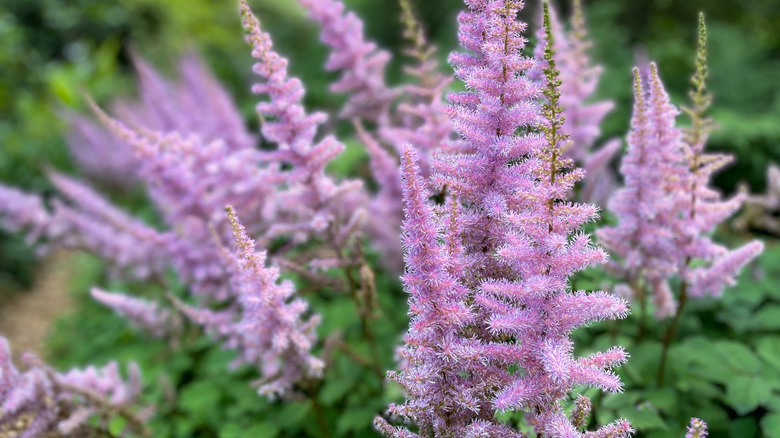
Astible is a beautiful flowering perennial with long blossoming spikes that grows in zones 3 to 9. The contrasting shape and size pair wonderfully with coneflower, and the vibrant pink, red, and white colors make it perfect for adding interest to your garden. This low-maintenance flowering plant requires minimal attention to thrive. Just two rounds of fertilizer per year, plus good watering to help it get established. Astible thrives in the same sun and soil conditions as coneflower. Some varieties are drought-tolerant, but most prefer moist soil, so it is best to plant them in partial shade for low-maintenance planting.
Bearded Tongue
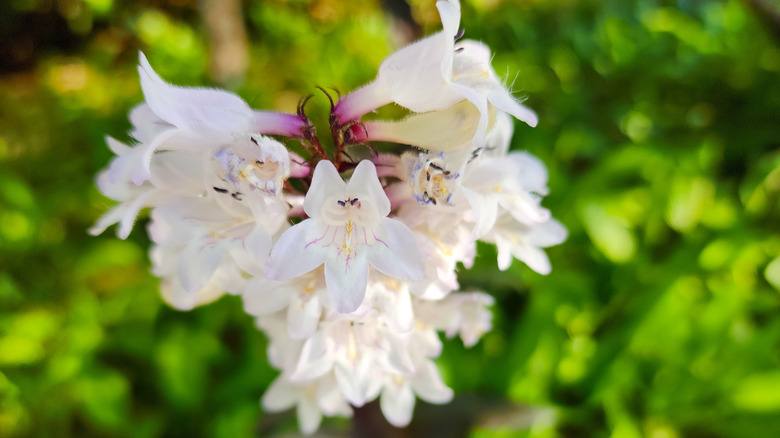
For a stunning flower that adds variety to the garden, consider the bearded tongue (Penstemon), a perennial wildflower that has over 280 species. Species range from those that grow just a few inches tall to those that reach up to 9 feet, featuring yellow, orange, pink, purple, red, and white tubular flowers that attract hummingbirds, songbirds, and bees. Bearded Tongue grows best in full sun in zones 5 to 8, which is great for a coneflower companion. They are commonly interplanted with coneflowers to create a colorful landscape. Bearded tongue doesn't need fertilizer; it just needs plenty of sunlight and well-draining soil.
Bee balm
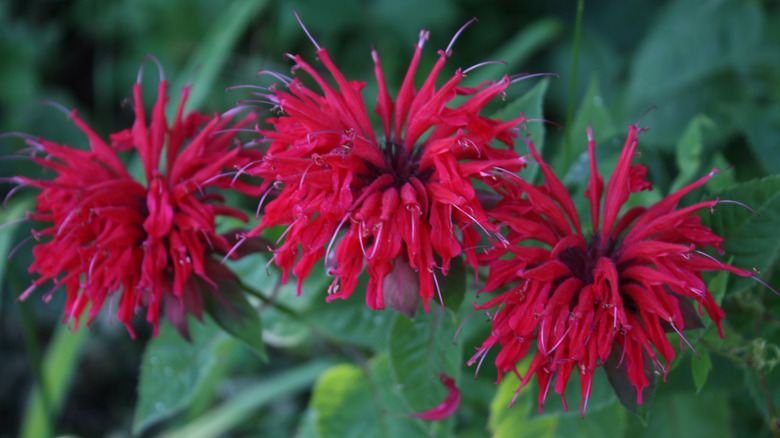
Bee Balm (Monarda) is another flowering herbaceous perennial that makes a perfect companion for coneflower and looks stunning in flowerbeds or wildflower fields. This easy-to-grow flower helps diversify the landscape and attracts more pollinators to your garden. Bee Balm grows best in zones 4 to 8 in sun or partial shade. It tolerates almost any soil condition as long as drainage is good, making it a great pairing with coneflower, which has similar growing needs. Once established, bee balm needs very little attention; however, it is one flower you should always deadhead for maximum blooms.
Blanketflower
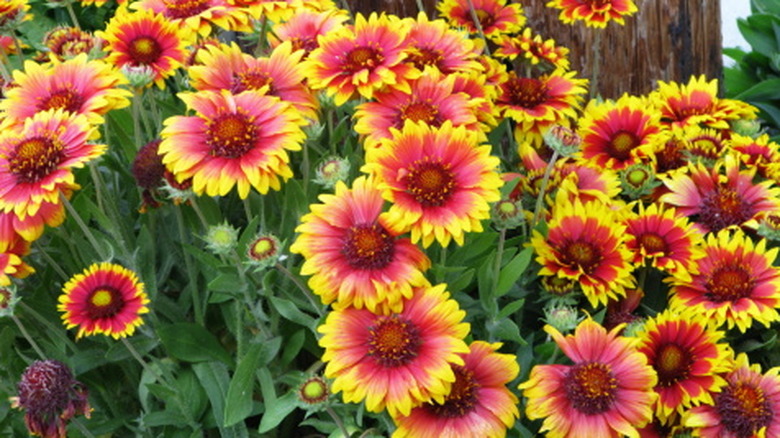
Blanketflower (Gaillardia) is another daisy-like flower, just like coneflower, so it's no surprise that they grow well together. They can grow as annuals, biennials, or perennials in zones 3 to 9. Not only do these flowers grow well in full sun and with similar soil conditions as coneflowers, but the bright orange and yellow colors also complement the vibrant pink and purple coneflowers, providing a beautiful landscape. To top it off, blanketflower is so easy to care for; there is literally nothing to do once they are established, besides optional mulching during dry periods.
Blazing star
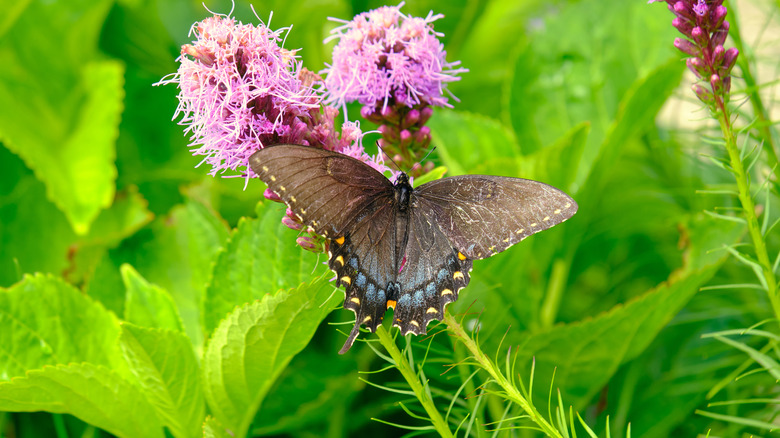
If you want a companion for your coneflower that will keep hummingbirds coming back to your yard, blazing star (Liatris spicata) should be at the top of your list. This perennial is easy to care for in zones 3 to 8. These flowers bloom on long spikes that attract a wide range of pollinators, including specialized bees, hummingbirds, butterflies, and more. Their tall growth creates layers and texture that contrasts fantastically with coneflower. As long as you plant them in a location with full sun and good drainage, the most care you need to give them is occasional deadheading.
Butterfly weed
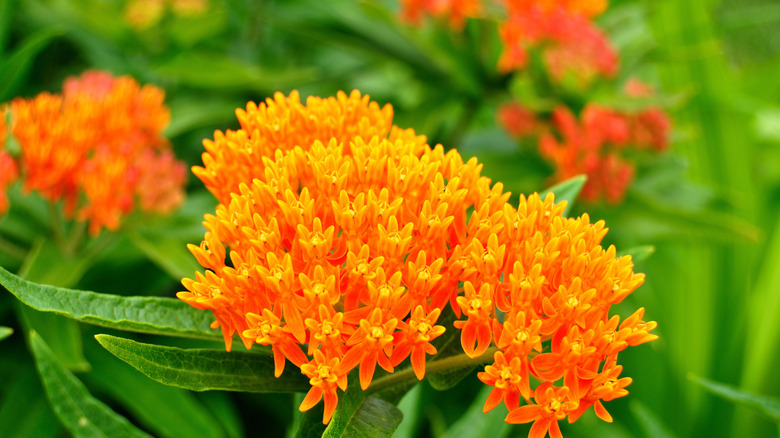
Butterfly weed (Asclepias tuberosa L.) is another low-maintenance wildflower that creates a brilliant contrast with coneflower due to the bright orange color and unique texture. Like many other wildflowers on the list, butterfly weed grows in the same conditions as coneflower, thriving in full or partial sun and dry or medium soil conditions. This bushy perennial flower is part of the milkweed family, which is widely known for attracting Monarch butterflies in zones 3 to 9. As long as you avoid planting your butterfly weed in wet soil, you won't have much seasonal care to worry about.
Catmint
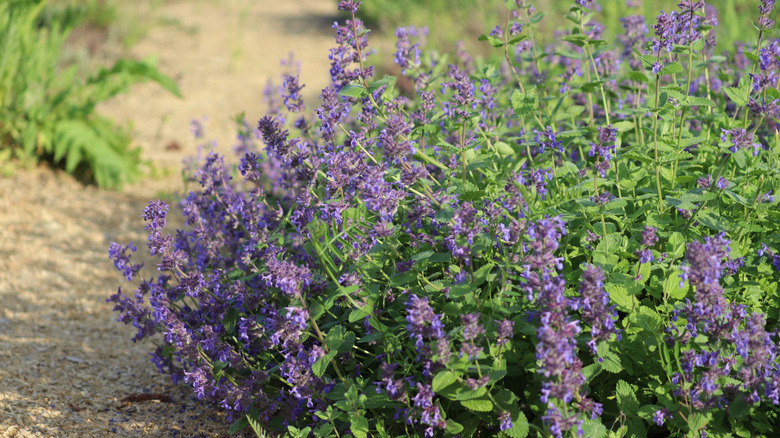
Catmint (Nepeta), often confused with catnip, a close relative, is an herbaceous perennial that provides a wide range of benefits for your landscape, without adding extra work. It is known for deterring pests, attracting pollinators, and resisting drought conditions in zones 3 to 8. Because catmint is low-growing, it creates easy layers in your garden when planted in front of coneflowers. While catmint is not generally considered invasive, some catnip varieties (Nepeta cataria) are considered invasive in some regions, such as West Virginia. Check labels carefully to be sure you select a safe species and variety.
Goldenrod
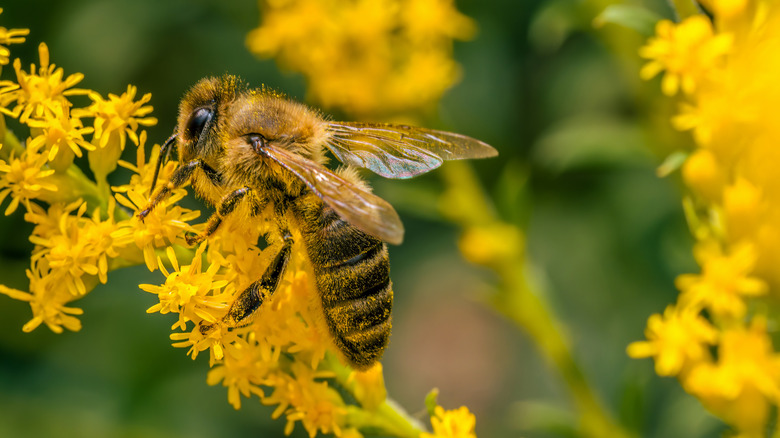
Goldenrod (Solidago) is a subtle yet beautiful flowering herb that adds interest to your landscape late in the season while attracting pollinators. This makes it perfect for pairing with coneflower for a long blooming season. There are several varieties of this perennial herb, ranging in height from low-growing ground cover to stalks that reach over 4 feet tall. Goldenrod grows best in zones 2 to 8, in full sun and acidic, well-drained soil. Once established, you don't need to do anything to maintain goldenrod; it literally takes care of itself.
Hummingbird mint
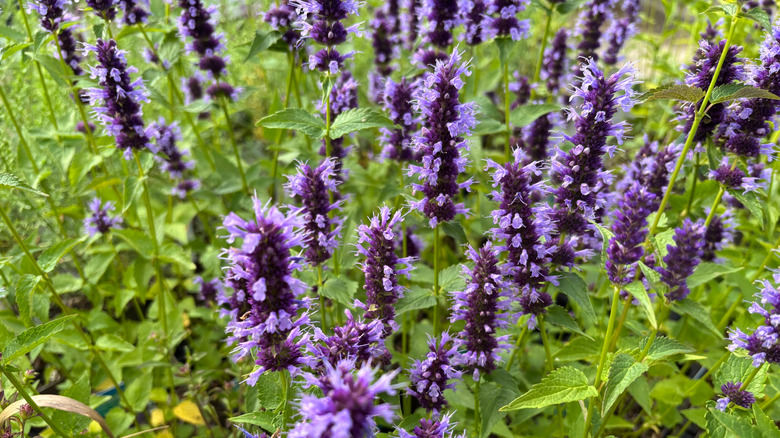
As the name suggests, hummingbird mint (Agastache) is a plant well known for providing food and shelter to diverse wildlife, including hummingbirds. The late-season blooms, combined with the fact that it needs only full sun and well-draining soil to survive, make it an ideal low-maintenance companion for your coneflower. Hummingbird mint is a perennial that grows in zones 5 to 10. The clumping growth makes a great home for small birds and mammals while providing an effortlessly curated look for your landscape. You can even plant different varieties in succession for a longer blooming season.
Hydrangea
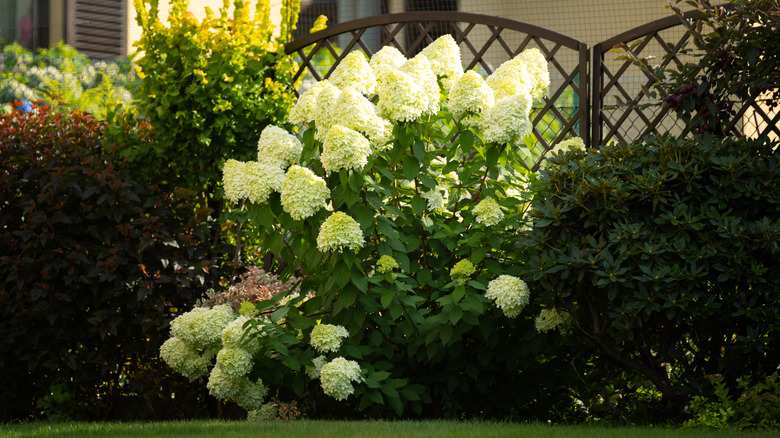
A hydrangea (Hydrangea spp.) shrub is another effortless landscaping feature, and coneflower is one of the best plants to grow next to hydrangeas for a thriving garden, as they support each other's pollination. Hydrangeas grow to several feet tall — though height can vary depending on the variety — in zones 3 to 9, which is great for adding layers to your garden. While they are generally considered low-maintenance, you may need to provide regular water and seasonal mulch to protect the roots in the winter. You may also need to prune on occasion, depending on the variety.
Joe-Pye weed
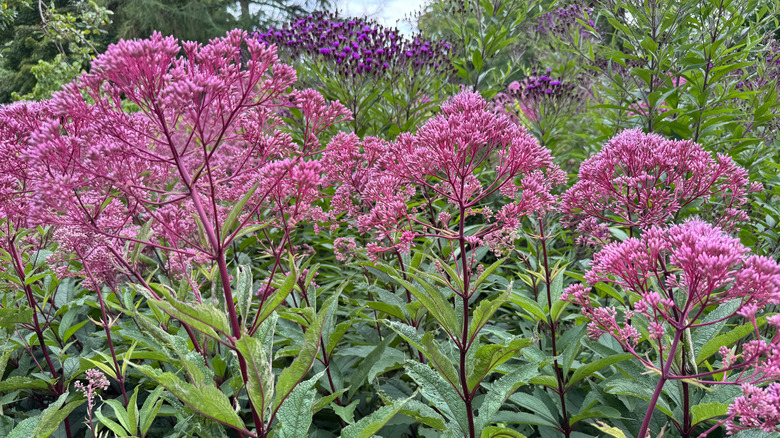
Joe-Pye weed (Eutrochium purpureum) is commonly used to create layers in a landscape due to its tall growth. This herbaceous perennial grows best in full or partial sun in zones 4 to 9. It's known to grow well alongside goldenrod and coneflower, but they generally prefer moist soil. You may want to add some mulch around the base of the plant to help retain moisture in hot weather. Other than that, they are a relatively low-maintenance plant with virtually no issues or pest problems. They are great for attracting beneficial wildlife and pollinators while deterring deer.
Lavender
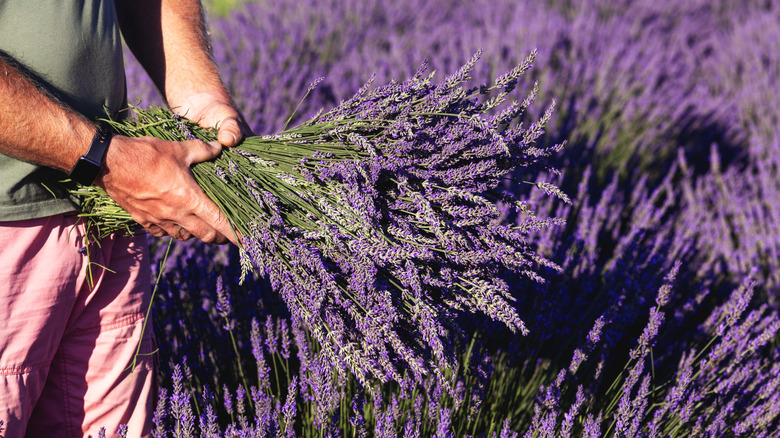
Lavender (Lavandula) is well known as a flowering perennial herb used in medicines, teas, and cooking, but it can also be a stunning landscaping feature. Lavender plants grow in neat, bushy clumps that blossom with fragrant flowers in the summer. It grows best in zones 5 to 9 under the same conditions as coneflower. Lavender shrubs can grow about 3 feet tall, providing layers, color, texture, and fragrance to your landscape that contrasts beautifully with your coneflowers. Lavender is generally easy to care for, only needing bi-weekly watering before flowering and winter protection in cold climates.
Maiden grass
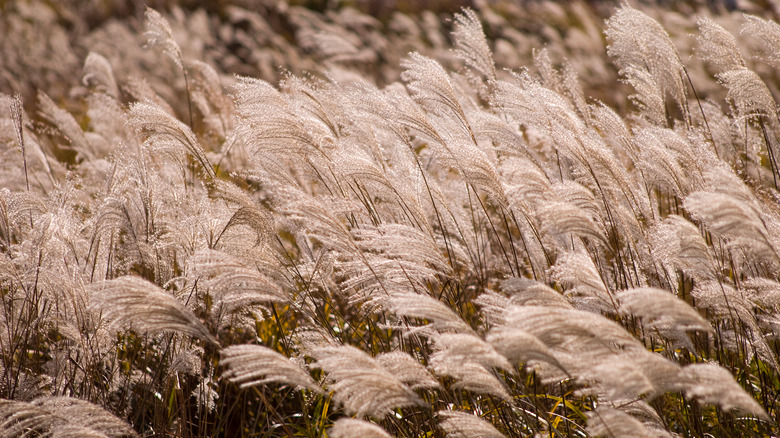
Flowers aren't the only things you can pair with your coneflower for a low-maintenance landscape; ornamental grasses are also a great choice. Maiden grass (Miscanthus sinensis) is one such ornamental grass that is easy to grow and pairs wonderfully with coneflower. Unfortunately, some varieties may be invasive in several states along the East Coast, so check local regulations before planting. This herbaceous perennial grows best in zones 5 to 9, and needs very little attention to thrive. It grows in compact clumps that reach up to 8 feet, making it great for adding privacy and layers.
Muhly grass
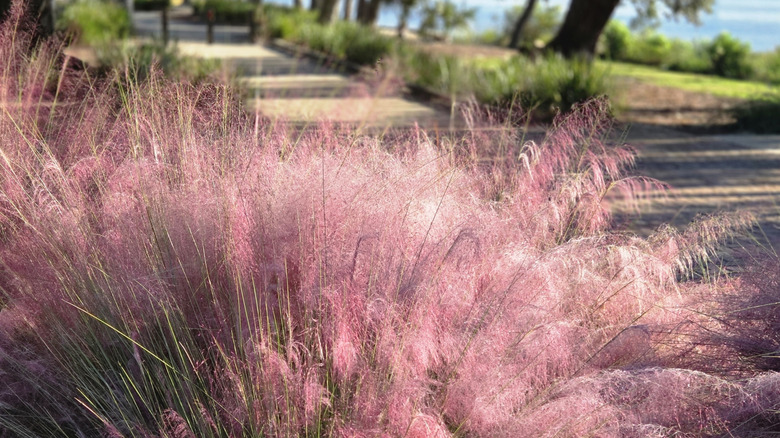
Muhly grass (Muhlenbergia capillaris) is another ornamental grass that makes a great companion for coneflower because they share similar growing conditions, though this option doesn't grow nearly as tall as maiden grass. This perennial grass forms stunning pink clumps that reach up to 3 feet wide and 3 feet high in zones 5 to 9. The seeds are a good food source for wildlife in the fall, which helps to promote a healthy, self-sustaining landscape. Muhly grass is considered low-maintenance with no major concerns for pests or disease.
Phlox
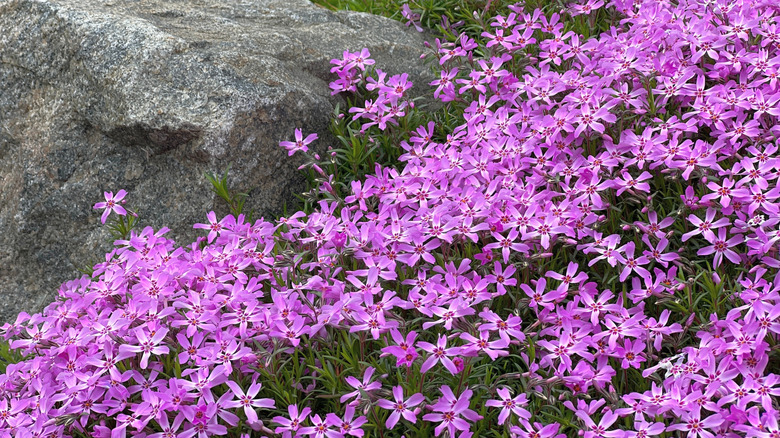
Phlox is an easy-to-grow groundcover that creates effortless layers when paired with coneflower. It blooms in spring and summer in zones 2 to 9. Pholox can grow in sunny or shady conditions and a range of soil conditions, as long as there is good drainage. Most varieties grow to 6 inches tall, but some can get much taller. You may need to compost, mulch, and water phlox if you live in a dry region or experience periods of drought. If you want them to rebloom, you can deadhead, but that's all the care they need.
Russian sage
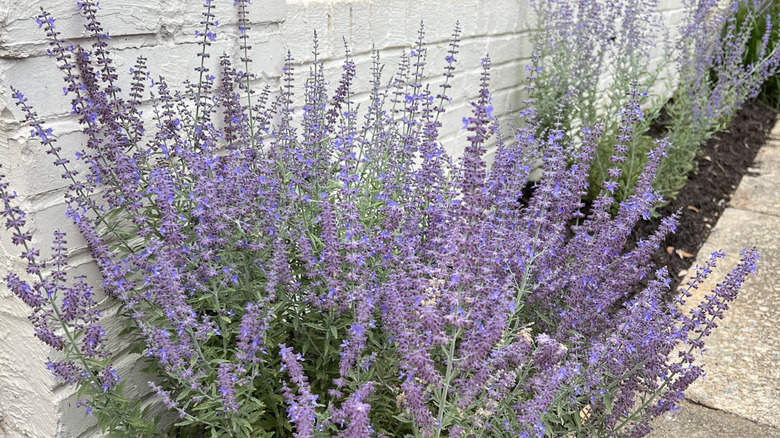
Russian sage (Salvia yangii) is another flowering herb that makes a great coneflower companion. This fragrant perennial is mostly ornamental and not the same as culinary sage varieties, though it does have some medicinal applications. In general, though, it is best used as a low-maintenance landscaping feature for dry, sunny areas. As a coneflower companion, Russian sage is very similar to lavender in appearance and function. They share similar growing conditions, and their fragrances help deter pests and attract pollinators. Russian sage shrubs grow to be between 2 and 4 feet tall in zones 5 to 9.
Salvia
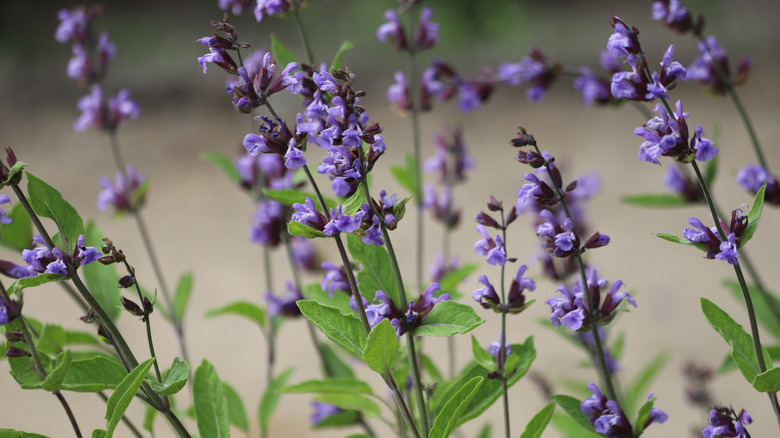
Salvia is often called sage, which leads to confusion about what the real difference is between sage and salvia. Ultimately, they are the same plant, but Salvia encompasses the entire genus, including over 1,000 ornamental and culinary varieties, whereas culinary sage (Salvia officinalis) is a single variety. Salvia is an easy-to-grow herbaceous perennial that thrives in zones 5 to 10. The drought-tolerant qualities and the coneflower's growing conditions complement each other. Selecting the right variety can make a statement in your landscape with flowers that bloom earlier than coneflowers, which attract early pollinators and extend the bloom season.
Sea holly
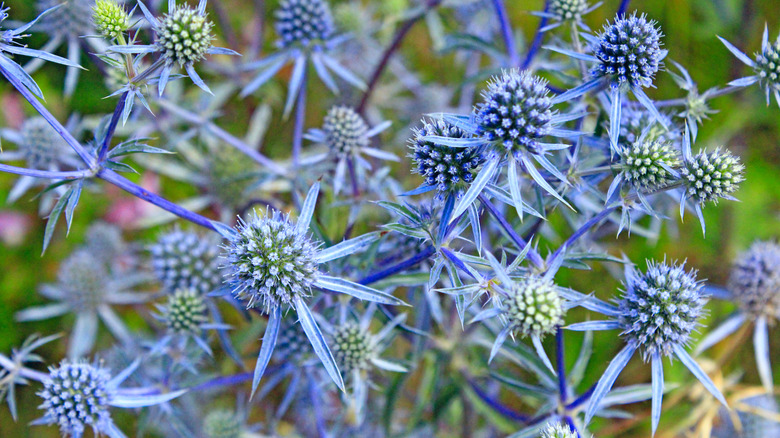
For something that adds a unique texture to your landscape, consider sea holly (Eryngium planum). This clumping perennial features unique, spherical blooms with a spiky, star-shaped collar in vibrant blue, purple, or silver hues. Sea holly grows in the same conditions as coneflower, with full sun and a variety of soils with good drainage. It grows best in zones 5 to 9. Once sea holly is established, you don't need to do much of anything to care for it, unless you experience a long drought, in which case, you may need to add water. You can also choose to deadhead sea holly to promote reblooming.
Sedum
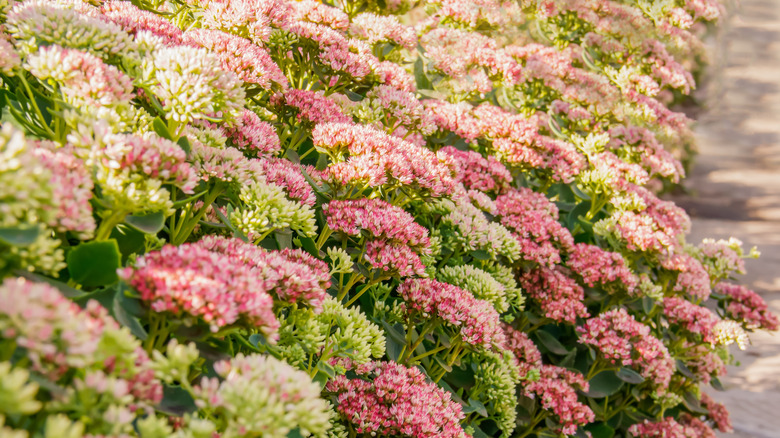
Sedum (Sedum spp. or Hylotelephium spp.), also known as stonecrop, is another flowering perennial shrub. You can choose from low-growing or tall bushes that will bloom with dense multi-colored flower clusters in zones 3 to 10. Since they share the same growing conditions, you can interplant sedum with coneflower to fill in the landscape beneath the tall coneflower stalks or plant them in front of your wildflower bed to create a border. You don't need to do anything to care for sedum once it is established, but you can choose to prune it once a year to maintain the desired shape.
Shasta Daisy
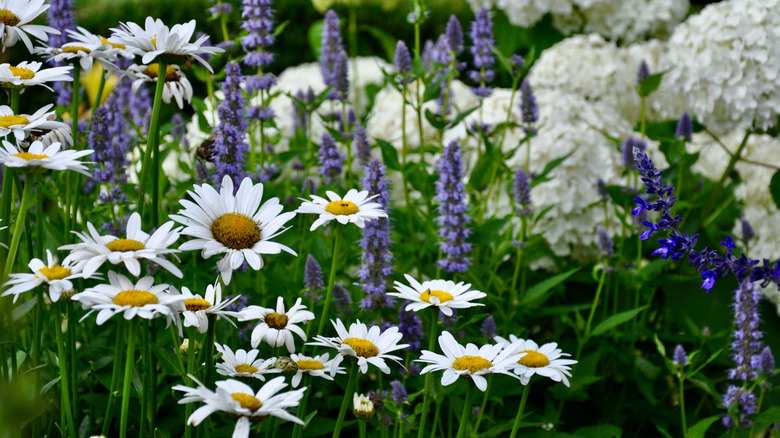
Shasta daisies (Leucanthemum x superbum) pair exceptionally well with coneflowers because they share similar growing conditions and look similar. The daisy's appearance brings unity to the landscape, while still providing contrast in size and color to create interest. Shasta daisies grow best in zones 4 to 9 and require very little attention. That being said, they do prefer fertile soil, so you may want to add compost and mulch in the spring. When flowers die off, you can deadhead them to promote reblooming and attract more pollinators late in the season.
Spirea
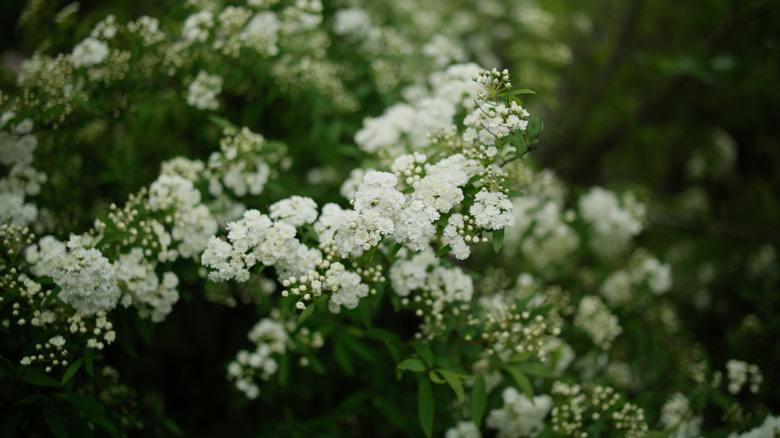
Spirea (Spirea spp.) is a flowering perennial shrub that produces small, delicate flowers in zones 3 to 9. They can grow between 2 and 8 feet tall, depending on the variety, making them a great choice for layering to create borders or privacy. According to Clemons Cooperative Extension, spirea is considered one of the easiest flowering shrubs to grow. Once established, there's nothing that needs to be done; however, you can choose to add slow-release fertilizer, mulch, or deadhead to promote reblooming. The vibrant colors, effortless growth, and resilience make it an ideal companion for coneflower.
Switchgrass
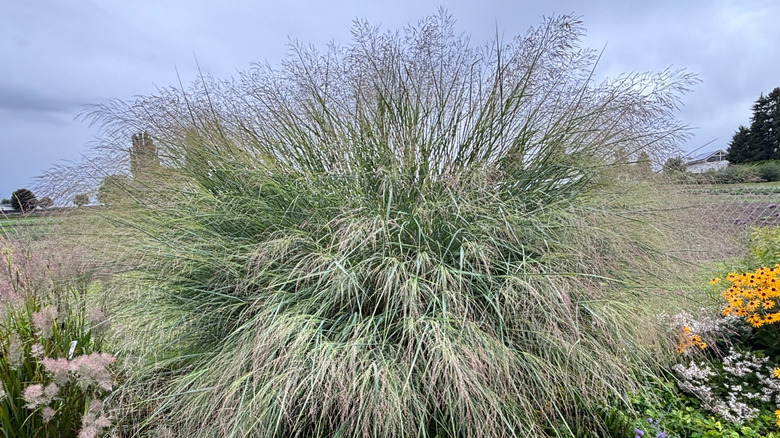
Another low-maintenance ornamental grass that pairs well with coneflower is switchgrass (Panicum virgatum). This tall, clumping perennial grass grows in zones 5 to 9 with small flowers that attract pollinators in winter, summer, and fall. It is generally used to create layers in the landscape rather than being planted directly with coneflower because it prefers moist or wet soil. When it comes to care, switchgrass is pretty hands-off. If you make sure it's kept in full sun and moist soil, the only other care is an occasional spring pruning to encourage new growth.
Viburnums
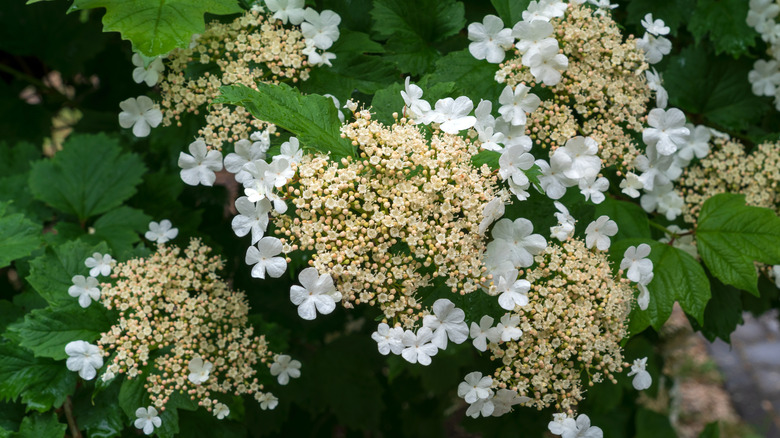
Viburnums (Viburnums spp.) are yet another flowering perennial shrub that makes a great companion for coneflowers. There are different varieties that offer unique style and color options for your landscape in zones 3 to 8. Viburnum is relatively easy to care for, but it's not completely hands-off. It works great in full sun, though some varieties can handle partial shade. It will also need more moisture than your coneflowers, so you will need to mulch around the stems and add water weekly. Beyond that, the only maintenance needed is optional spring pruning to manage shape.
Yarrow
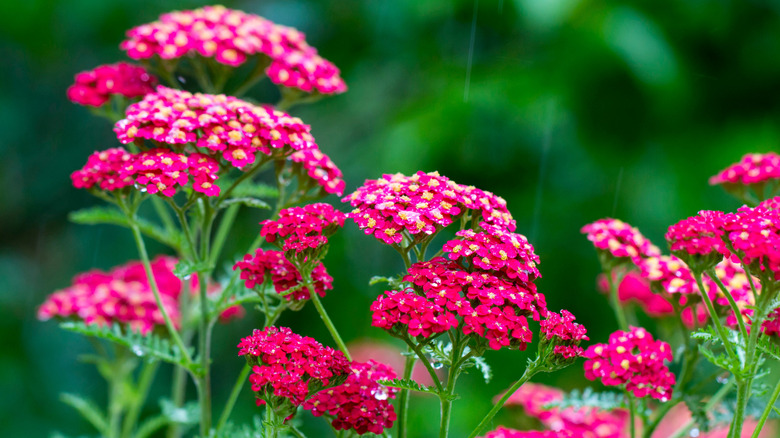
Not only does yarrow (Achillea spp.) pair well with coneflower, but it's also a low-maintenance flower that grows beautifully under a birdfeeder. Since both yarrow and coneflower attract pollinators, they can create a stunningly unique setting for bird lovers to observe wildlife without adding extra work to your landscape. Yarrow is a drought-tolerant, creeping perennial that grows best in zones 3 to 9. Once established, you can add optional compost each spring and deadhead spent flowers to promote reblooming at the end of the season. That's all there is to it!