

How To Ensure Your All-Glass Front Door Doesn't Cause A Spike In Your Energy Costs
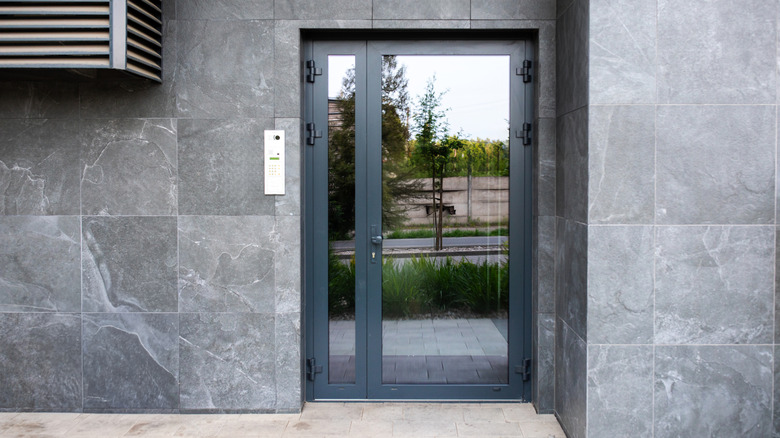
A front door made entirely of glass looks amazing and fills a home with natural light, but it often makes the HVAC system work much harder than it should. Even though this front door trend is ideal for letting light into your home, it also means that during a cold snap, the glass can feel like a block of ice, and during a heatwave, it can feel like it's turning your home into an oven. While glass doors are often used for modern homes, this material naturally lacks the insulation found in a solid wood or metal door. Homeowners often notice that the area just inside the door stays at a completely different temperature than the rest of the house, which leads to a higher monthly utility bill. You can stop this energy drain by upgrading to multi-pane glass with thermal coatings and replacing leaky seals to keep the entryway airtight.
Keeping those costs from climbing requires looking at the entrance as a functional part of the home's insulation rather than just a door. Energy disappears through the door in two ways: it moves directly through the glass panes or it leaks out through tiny gaps around the frame. When the door isn't properly sealed or treated, the furnace has to run extra cycles to make up for the warmth that's escaping in the winter. In the summer, the AC picks up the slack to overcome the extra heat from the glass. By making a few targeted upgrades to the glass and the seals, it's possible to keep that bright, open look without seeing a massive spike in your energy costs.
Multi-pane glass and thermal coatings help stabilize indoor temperatures
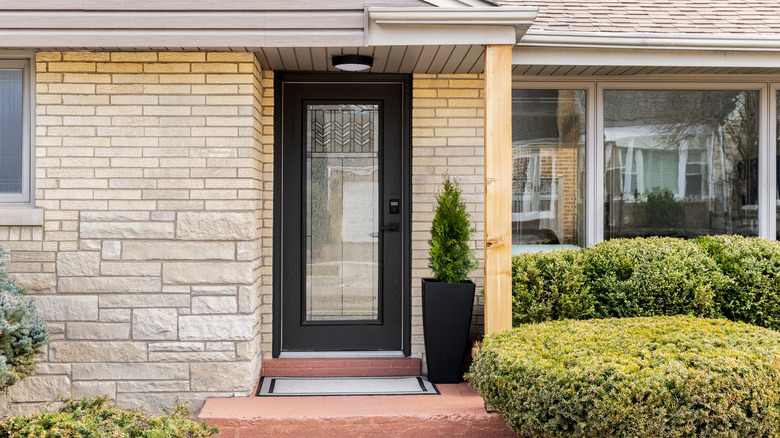
Installing a door with multiple layers of glass is one of the most effective ways to stop outdoor air from affecting the temperature of a home. A single pane of glass offers very little in the way of insulation, but a double- or triple-pane unit creates a pocket of air that slows down the transfer of heat and cold. Many high-quality doors use argon gas to fill that space because it's much denser than regular air and much harder for temperature swings to move through. This setup keeps the interior surface of the glass closer to room temperature, which prevents that chilly feeling when walking past the door on a winter morning and stops the pane from radiating heat during a summer afternoon.
To add even more protection, low-emissivity (Low-E) coatings act as invisible layers that reflect heat-heavy light away from the house in the summer and help hold the heat inside during the winter. This is a huge help for anyone with an all-glass door because it allows the light to pour in while blocking the actual temperature transfer. If a door is already installed and only has a single pane, applying a specialized film to the interior side can provide a similar benefit. These coatings make sure the entryway stays comfortable, regardless of whether it's snowing or sunny on the other side of the glass.
Fresh weatherstripping and door sweeps stop air from leaking through gaps
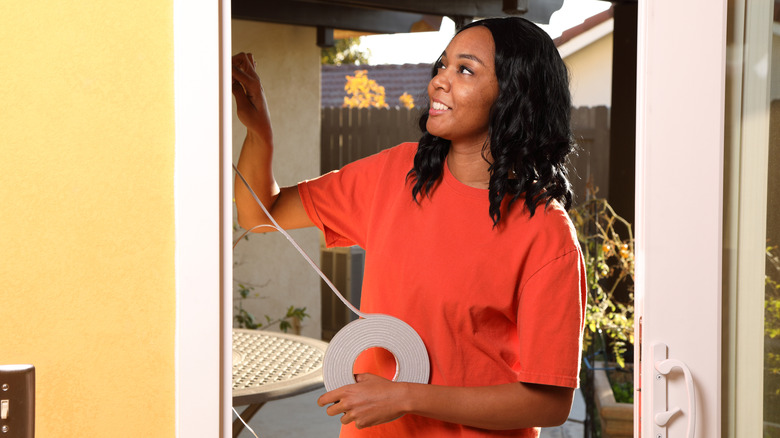
Even the best glass won't help much if the door doesn't fit tightly against the frame when it's closed. Over time, a house can settle or the frame can shift, creating small openings where you can actually feel a breeze coming in. Since this shifting leads to heat loss, it's so important to seal your door gaps in the winter by replacing old, flattened weatherstripping with fresh rubber or silicone seals. Using these newer materials is often the best way to weather strip and keep extreme temperatures at bay since they stay flexible for a long time and compress easily to fill in any uneven spots around the door. This keeps the wind out and makes sure the comfortable air inside stays where it belongs.
It's also important to look at the bottom of the door, since this is often where the biggest drafts happen. A door sweep can be attached to the bottom of a glass panel to close the gap between the door and the threshold. For extra protection on the coldest nights, using cellular shades or heavy curtains can create an additional pocket of air against the glass. These shades have a honeycomb design that traps air, acting as another barrier. Keeping the edges of the door sealed tight makes sure the HVAC system isn't wasting energy to make up for a draft.