

Topdressing Essentials You Need To Refresh Potted Plants
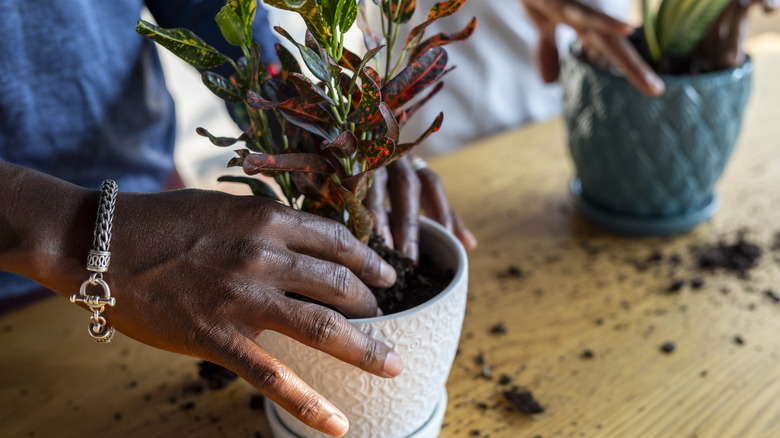
If your houseplants are looking a bit rough but they don't need to be repotted, topdressing is the best way to give them a quick boost. This process involves removing the old soil from the top of the pot and swapping it for fresh material. The topdressing essentials you need to refresh potted plants include a small hand tool and fresh potting materials like compost and worm castings. You should also pick up a protective layer of mulch for outdoor pots and decorative stones for indoor ones. By replacing just those top few inches, you will give your plant the nutrients it needs when they wash down to the roots every time you water.
Most indoor potting mixes eventually break down and lose their ability to hold moisture. As potting soil ages, it collapses and leaves a space around the inner sides of the pot. This creates a gap where water runs down the side of the container instead of to the roots. By adding a fresh layer of material, you fill those side gaps so the water can drain through the center, making sure the roots are hydrated.
The topdressing process is much less stressful for the plant than a total soil change because you aren't disturbing the roots or moving the plant to a new pot. You can tell a plant needs a refresh rather than a full repotting if the roots aren't poking out the bottom of the container or surfacing at the top of the soil. As a bonus, knowing when to refresh vs when to replace potting soil can save you money.
How to use topdressing to revive your favorite houseplants
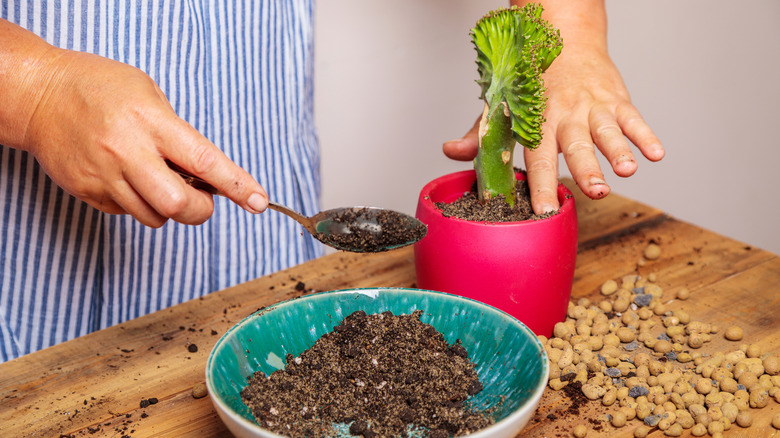
Refreshing a tired plant starts with making room at the top of the pot. Use a small trowel or a spoon to gently scoop out the top few inches of old soil, but try not to disturb any roots in the process. Once the old dirt is gone, knowing how to use worm castings and compost as a topdressing can transform your plants. They are full of the microbes and nutrients that indoor plants need to look green and healthy. Mix equal parts worm castings and compost together and fill the gap you created until the material is even with the original soil line. This organic layer feeds the plant slowly and steadily over several months. This fresh layer also does a much better job of holding onto water, so you won't have to grab the watering can quite as often.
After the new soil is in, adding a layer of stones or moss can help protect the plant even more by acting as a shield that stops soil from splashing out as you water. Can you use outdoor gravel on indoor plants? As long as it's been washed thoroughly, it works as a budget-friendly option. For succulents and other desert plants, a thin layer of gravel works because it keeps the base of the stems dry and prevents rot. These soil toppers also make it much harder for pests like fungus gnats to get into the dirt and lay their eggs, which helps keep your home pest-free. This finishing touch even helps to insulate the soil from temperature changes that can happen near drafty windows or heating vents.
The process of topdressing outdoor potted plants
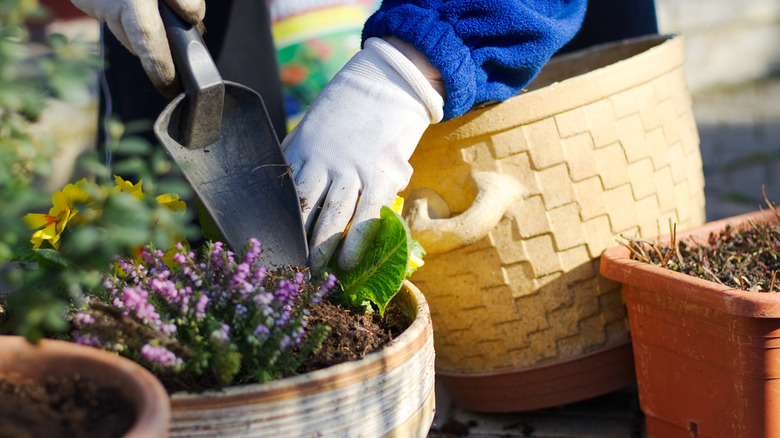
Outdoor pots experience much tougher conditions than houseplants, so they need slightly different materials to stay healthy. Outdoor soil tends to lose its nutrients faster because heavy rain washes through the pots more intensely and frequently than controlled watering, so refreshing the surface is important. To topdress your outdoor plants, start the same way by clearing out the top few inches of old soil and debris, making sure to remove any leaves that could attract pests. Replace this layer with well-aged garden compost and mix in some worm castings. The compost acts as a natural sponge, absorbing moisture and releasing it back to the plant as the pot dries out. Over time, the organic matter in the compost will break down and settle, continuing to improve the texture of the soil further down in the pot.
Once the compost is in place, finish it off with about 1 inch of wood mulch. Using a wood-based mulch instead of stones for outdoor pots helps keep the soil temperature cooler during heat waves and prevents the sun from baking the roots. This layer also prevents rain from sealing the soil's surface, making sure oxygen can still reach the roots by allowing water to seep in gently. This method works well for plants that are heavy feeders that quickly go through the nutrients found in standard bagged potting mixes.