

Set Your Coreopsis Flowers Up For Success With An Early Spring Feeding
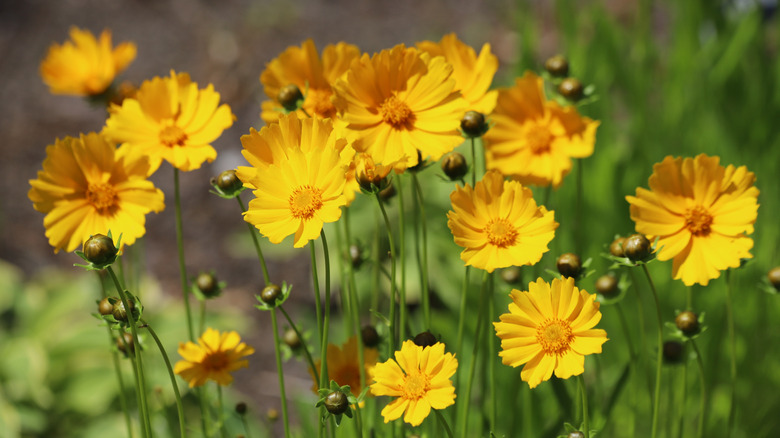
No matter the species or cultivar you have, tickseeds (Coreopsis spp.) are sunny additions to any summer garden. The wildflower is an easy-to-propagate perennial for beginner gardeners, too. However, the trick to getting endless fields of gold, yellow, orange, and red daisy-like blooms starts long before the warm weather arrives. If you want this perennial to thrive in your yard, you need to do a bit of maintenance in that fleeting moment between winter dormancy and spring awakening. As the ground thaws, your patch of tickseed is preparing for a massive growth surge. Adding some balanced, slow-release fertilizer to the soil during this transition time gives the roots plenty of nutrients as they awaken after winter.
Wait until you see some green buds poking through the mulch to get started. This growth is this USDA Hardiness Zone 4 to 9 flowering perennial's way of signaling that its metabolic rate is increasing for the upcoming growing season. Before you throw down some fertilizer, take a moment to clear away old stems and other organic debris from the garden. This makes way for new growth and also puts the fertilizer in better contact with the soil; it won't get stuck on brown leaves and go to waste. Then sprinkle the fertilizer near the plant, focusing on the area the roots spread into. Don't let it touch the crown of your plant, or you risk fertilizer burn. Essentially, you're giving this colorful, low-maintenance perennial, which thrives in poor, rocky soil, a big head start. Expect sturdier stems and more blooms.
Pick the right plant fuel for a golden summer of tickseed blooms
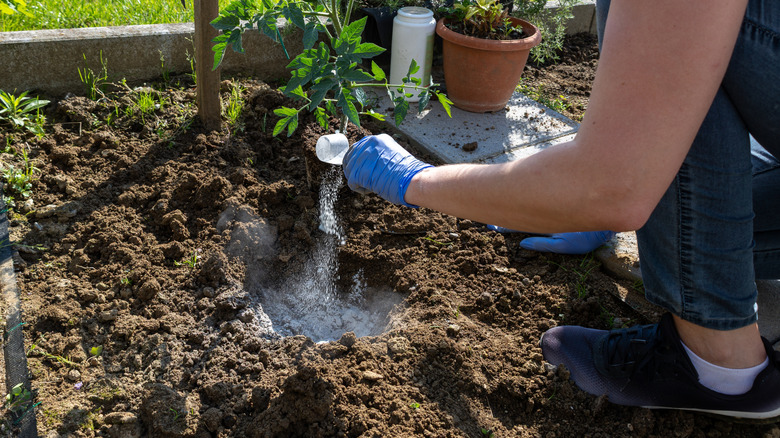
When feeding large-flowered tickseed, less is always more; these plants are famous for being super hardy. Overfeeding is a common mistake that will lead to stunted or floppy growth. For a perfectly lush garden that looks full yet tidy, use a balanced, slow-release fertilizer, such as a 10-10-10 NPK formula — that is, with 10% each of nitrogen, phosphorus, and potassium. If you really want to push for a higher flower count, opt for a fertilizer mix with a higher middle (phosphorus) number. Phosphorus boosts root and flower growth. For a more eco-friendly approach, add a layer of compost then another of mulch or a dusting of bone meal around the crowns of your plants. Both amendments are slow-burn sources of energy that are easier on the soil than chemical fertilizers.
The most important next step at this stage is watering. Most fertilizers only work with moisture; water helps the nutrients soak into the ground, reaching the plants' roots where it can actually be used. If the spring rains are yet to arrive (or, like in California, they're not a climatic feature of your area), you'll need to manually water your tickseed patch deeply and thoroughly right after you apply the fertilizer. Once you've finished watering, you can usually put the bag of fertilizer away for the rest of the year, at least where your large-flowered tickseed patch is concerned. With just one more meal in early spring, this sunny and hardy yet lesser-known garden plant that blooms year-round will have all the nutrients it needs to thrive for another two to three seasons.