

10 Nostalgic '70s Decor Items That Vanished From Homes
We may receive a commission on purchases made from links.
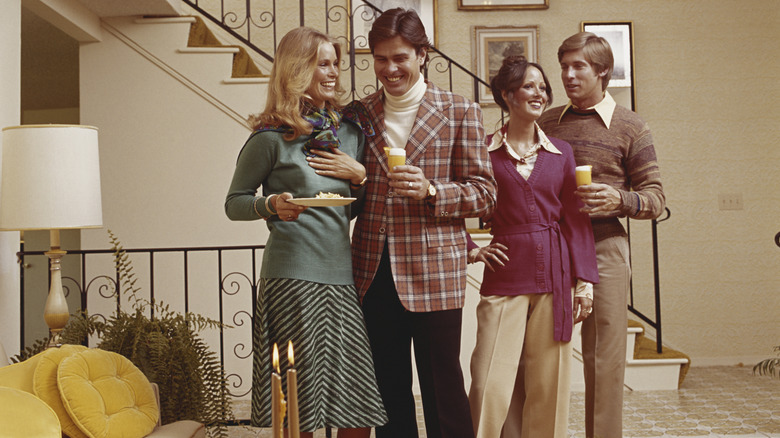
Have you ever thought back to the 1970s or watched old family videos from that period and wondered why everything looks so different? Sure, people wore different clothes and carried different accessories than we do now — beaded jewelry and suede shoes, anyone? But there is another reason why that era seems to have a completely foreign feel to our modern surroundings — and that is the decor.
From avocado-colored appliances to fringed lampshades, tabletop lazy Susans, and beaded curtains, there are certain decor elements that stopped appearing in the domestic space. This could be for a variety of reasons. Some items were trendy at the time but are no longer necessary for everyday living. For example, analog clocks are now being replaced by digital clocks, smart watches, and cell phones, especially in the homes of younger people.
Others have simply fallen out of style due to the constantly rotating trends, which motivate certain popular fashions, such as an emphasis on machine-made products versus handmade or organically sourced items. As such, there are plenty of home decor essentials from the '70s that are now considered bold or even entirely outdated. Want to take a trip down memory lane and explore those special decor trends that we left in the 1970s? Let's take a look!
Fringed lamps and pendant lights
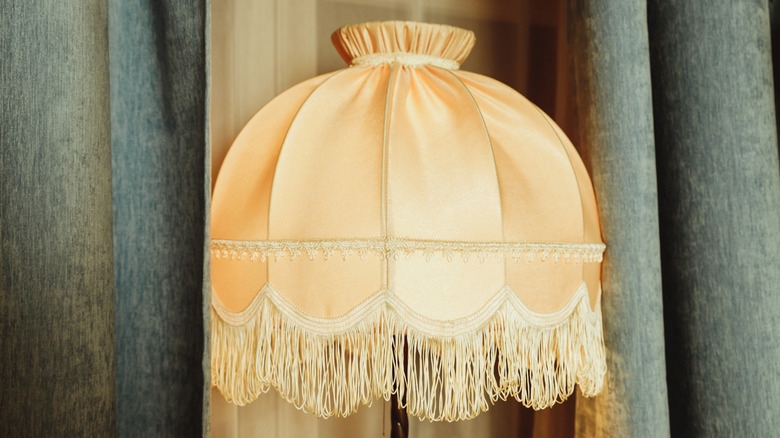
This free-flowing trend wasn't just popular in clothing — fringe was also an essential part of decorating in the 1970s. While fringed lampshades were first popularized in the 1930s, homeowners in the 1970s made it their own by adding fringe to their lamps and pendant lights in popular colors, such as dark brown and dusty pink. Many of them also featured textures that were popular in that era, including rich velvet, a material that was echoed elsewhere in the home in furniture, wall decor, and paintings.
Sunburst clocks
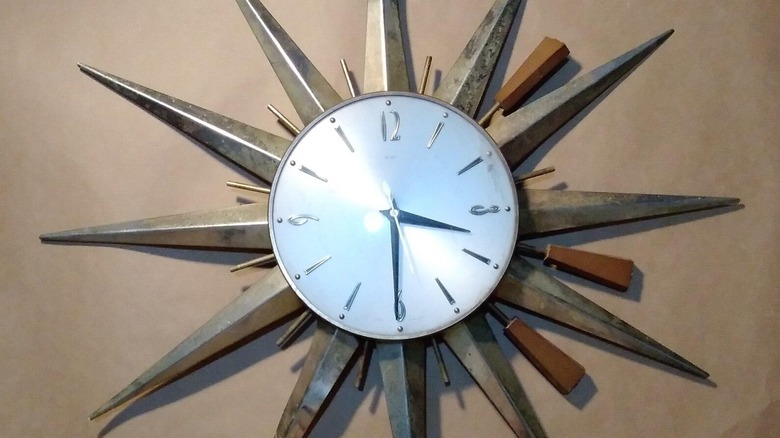
Sunburst clocks — also known as starburst clocks — first became popular in the 1950s. However, they continued to be an essential part of 1970s home decor, where they took on alternate decoration that reflected the interests and tastes of people at the time. For example, they often featured dark brown wooden elements, a material which was also popular in wood paneling. These clocks are not seen in homes now, partially because people rely less on analog clocks for their timekeeping but also, possibly, because their machine-made appearance isn't as popular in modern fashions, which emphasize handmade items instead.
Tabletop lazy Susans
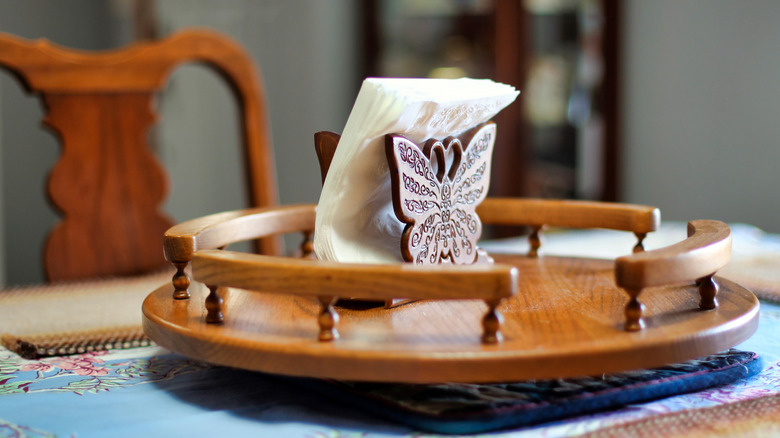
The lazy Susan was invented in the 18th century, waning for a while before it became repopularized in the 1950s, 1960s, and 1970s. By the 1970s, it was a staple of the dining room table for many households, holding everything from food to spices and even cards for games. These convenient spinning dishes may have been a reflection of the dinner party scene of the 1970s, which was centered around showstopping gadgets and fun finger foods. Today, it is certainly easy to imagine a retro lazy Susan next to a themed '70s snack, like a cheese hedgehog.
Beaded curtains
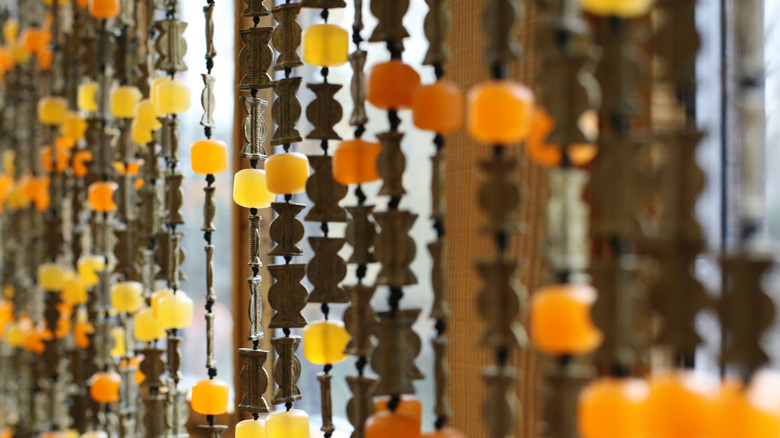
Unlike the open-plan layouts that are popular in many modern homes, the 1970s saw different areas of the home separated to create a communal, cozy feeling. From sunken conversation pits to beaded curtains, people used decor and architecture to cultivate areas for mingling and different activities. Wooden beads were a common material for hanging room dividers, reflecting both the popularity of wood tones at the time and the bohemian aesthetic used in many 1970s homes.
Rug-like toilet seat covers
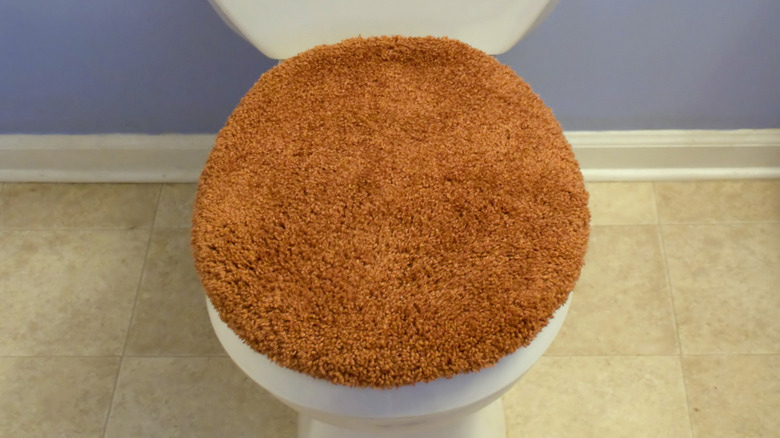
Is there anything that screams 1970s more than a fuzzy toilet seat cover? The 1970s embraced maximalist design, with people employing multiple patterns, textures, and materials in their homes to personalize spaces and make them feel luxurious. And the bathroom was no exception. In addition to the popularity of shag carpeting, many homes utilized fuzzy, rug-like toilet seat covers to add style and comfort to their bathrooms. They have since fallen out of favor due to their bold look and because of concerns about the harboring harmful bacteria.
Amber glass
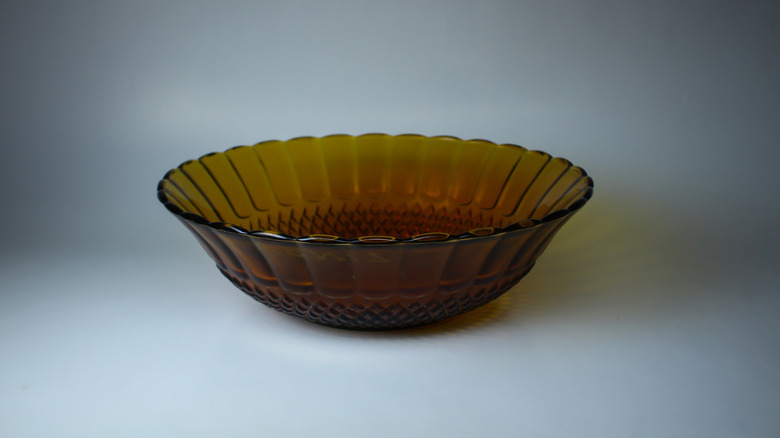
Have you ever heard of vintage Depression glass? This colored glass was produced during the Great Depression because it could be quickly and easily manufactured at a lower cost. However, the 1970s saw a resurgence in this trend, with amber glass perhaps becoming popular because of its dark brown color that was very much on-trend in home design at the time. In addition, some of the lighter-colored amber glass pieces took on a light yellow shade, perfect for the craze of harvest gold, which took over kitchens and living rooms of the era.
Velvet paintings
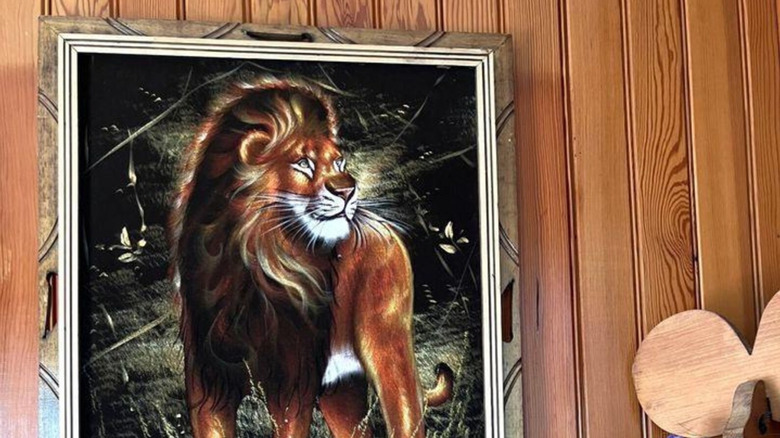
As previously mentioned, the 1970s was a time when homeowners were keen to try out different materials and textures to create a unique, luxurious feel. One such example is the rise of velvet paintings. Used to create landscapes, animal portraits, and much more, the eye-popping colors on the velvet were perfect for the bold, colorful trends of the decade. Today, these paintings have pretty much vanished from homes because of how bold and kitschy they appear in contrast to a preference for neutral tones and clean lines in many modern homes.
Bulky brown leather recliners
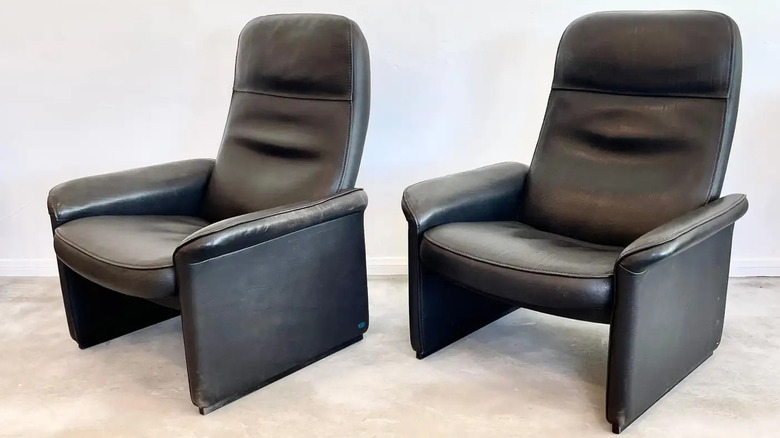
One theory as to why brown was so popular in the 1970s is that it represented practicality in the home. And it wasn't just in beaded curtains, clocks, or dishware — it extended to furniture, too. Like with fuzzy toilet seat covers, brown leather recliners became an important part of the home in the decades following the Second World War because they felt more comfortable and relaxing. Today, leather recliners and recliner sofas are among the furniture styles experts say to avoid at all costs, though sleeker, less bulky options have been introduced to the market.
Avocado and harvest gold appliances
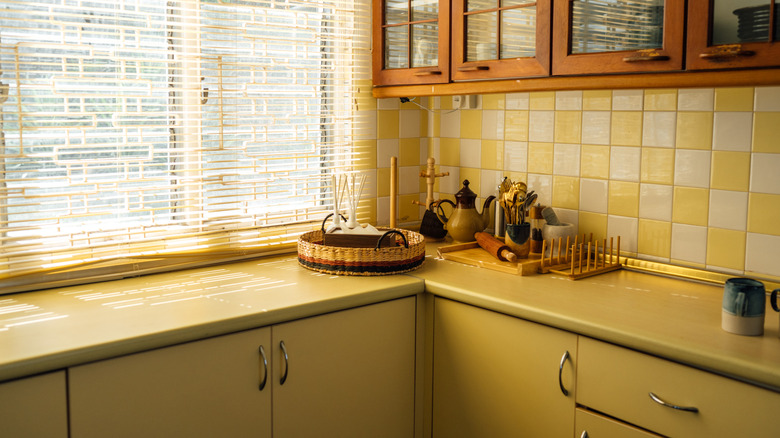
Today's kitchens are dominated by stainless steel, white, or matte black appliances, offering a crisp, elegant style in the modern home. However, kitchens in the 1970s looked very different, largely due to the popularity of avocado green and harvest gold appliances. Both shades were often paired with wood tones and floral patterns, emphasizing the nature-inspired themes popular in interior design at the time. Though this trend has vanished, if you like the idea of avocado green, you could add a hint of it to your own kitchen with a vintage avocado green mixer.
Rugs with animal prints
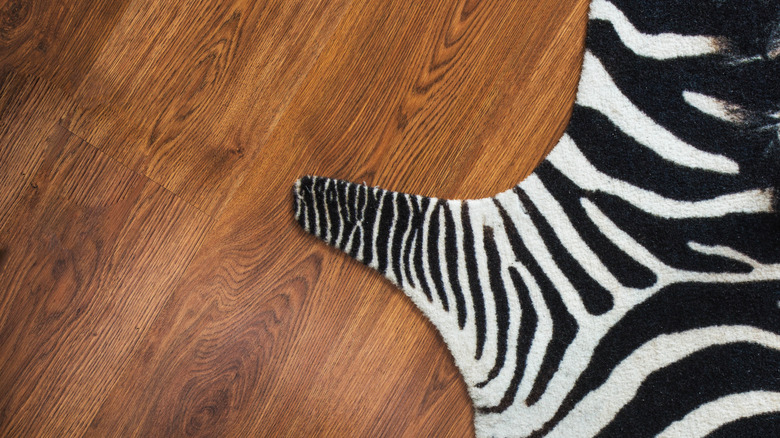
It's possible that the interest in natural themes also drove the popularity of animal prints in the 1970s. From dresses and underwear to shoes and jumpsuits, these prints helped people make a statement. And interior design was no different. Bold zebra print and other animal-inspired shapes served as conversation starters in a room, drawing the eye to the bold patterns pulled from the animal kingdom. While this type of decor has largely been absent from homes since the 1970s, some more subtle animal prints, like tortoiseshell, are now being introduced via dishware and decor.