

Brighten Up Shady Areas With A Tubular Flower Hummingbirds Love
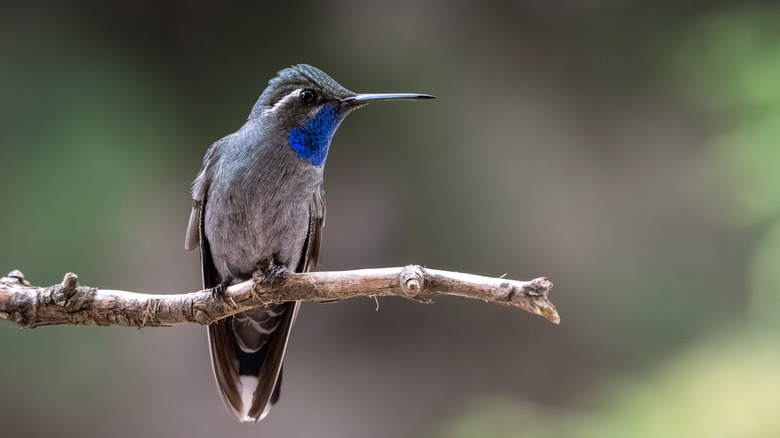
A shady area in the landscape can be hard to beautify with flowers. Flashy beauties like coreopsis (Coreopsis spp.) and dahlias (Dahlia spp.) need at least six hours of sunlight a day — a requirement that a shady area can't satisfy. So what is the secret to successful shade gardening that does double duty as an attractive spot for pollinators? It's as simple as selecting flowers that don't mind having some relief from the sun. Yellow corydalis (Corydalis lutea) thrives in the shade, and with its long blooming season, this bright flower attracts hummingbirds and other pollinators all summer long. They even do some of the work for you by self-seeding, assuring a new crop of bright yellow flowers every year.
The perennial yellow corydalis, hardy in zones 4 to 8, does best in light shade rather than full shade. Areas that are lightly shaded can be under a sparse tree canopy, next to a wall that blocks the sun for part of the day, or in spots where the sun is completely obstructed for a few hours a day. The plant's bright yellow, tubular flowers grow above delicate mounded light green foliage that can reach up to 18 inches tall. Hummingbirds prefer plants with brightly colored, tubular flowers that are easy to hover over. While it's true that the tiny birds seem to prefer the color red, they will visit any tubular flower that provides nectar. Yellow corydalis blooms attract pollinators from late spring until frosty fall nights.
Attracting pollinators with yellow corydalis
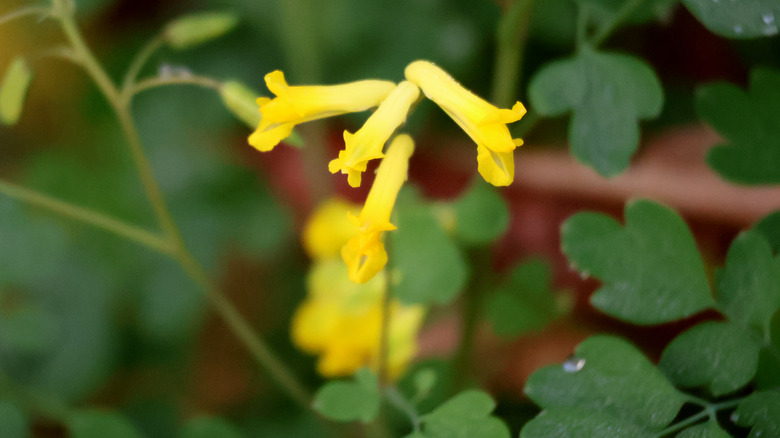
In addition to light shade, yellow corydalis does best in well-drained, rich soil, but it will tolerate clay, sandy loam, and gravelly soil. Give the plants plenty of water in the summer, but don't let the soil get soggy in the winter. Grow it as a ground cover in shady areas, or use it as a bright spot around rock walls or as a sunny yellow border plant. Corydalis has very few problems with pests, however, it's toxic to horses to the point of fatality if the horse eats enough. If you have horses or live near a pasture where horses graze, take care to keep the plant under control. Pruning corydalis flowers prevents them from self-seeding to help manage the spread. Or, choose a different flower variety that's safe for all animals in the area.
You can create the hummingbird garden of your dreams by pairing yellow corydalis with other shade lovers that have similar soil and water needs. The tubular flowers of trumpet vine (Campsis radicans) are a summertime favorite of hummingbirds. The plant, hardy in zones 4a to 10b, grows well in partial shade, but some full sun will promote flowering. Like the trumpet vine, native varieties of trumpet honeysuckle (Lonicera sempervirens), hardy in zones 5 to 9, grow in shady areas but prefer a few hours of sun for the best flowering. Their mid-spring blooms attract hummingbirds and other pollinators. Whether you need height or groundcover for your shady area, there's a variety of phlox (Phlox spp.) that will fit the bill. Hardy in zones 3a to 9b, easy to grow phlox attracts pollinators with colorful blooms from spring through fall.