

13 Cottage Garden Flowers That Will Bring Beautiful Birds To Your Yard
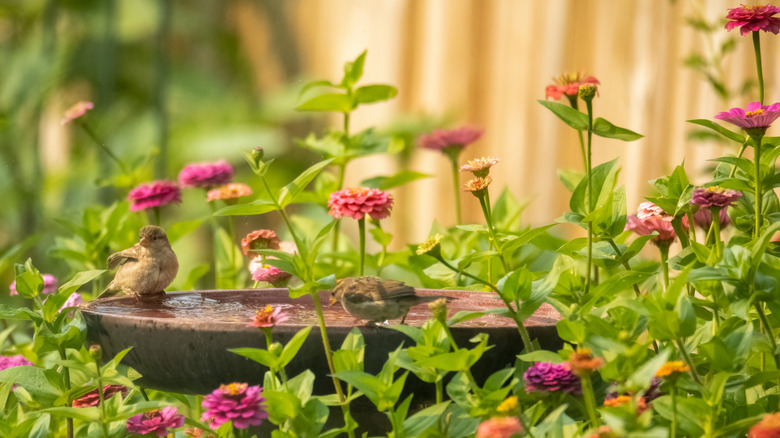
Cottage-style gardens are not only carnivals of color, texture, and fragrance: They also attract pollinators and birds, increasing biodiversity and providing a pleasing atmosphere for nature lovers. Though birds are often drawn to plants with fruits, like berries or crabapples, there are also many birds who eat seeds from various flowers. In my work as a professional gardener, I love to plant cottage style gardens, and often plant these seed-producing flowers for my bird-loving clients.
Seed-eating birds that will appreciate seed-producing flowers include various finches, cardinals, juncos, chickadees, nuthatches, mourning doves, and grosbeaks. There are also many wonderful cottage flowers that will attract hummingbirds, if you have them in your area. These include columbines, flowering catmint, bee balm, hummingbird mint, coral bells, and cardinal flower, among others.
If you don't have bird feeders, planting seed-producing plants can also attract a diverse variety of birds to your yard. But you might have to let the birds know you have food sources for them. So you can try putting out a bird feeder also, as this might lure more birds to explore if they're not already visiting your garden. Once they arrive for seeds, they'll usually have a look around to see what else there is to eat. Remember that many backyard birds want some kind of cover for protection from predators, so interspersing some small shrubs with your flowers gives them places to perch and hide.
Black-eyed Susans
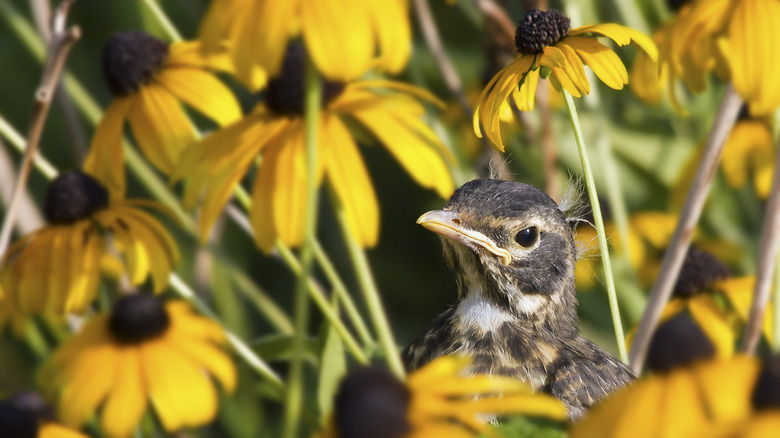
Black eyed Susans, also known as Rudbeckia, are cottage garden staples for late season color. The heirloom variety can be a little aggressive as it self-seeds in the garden, but deadheading it means depriving sparrows and finches of tasty seed snacks in late summer and fall. I have found that other cultivars are less of a problem in this regard. You can also get additional colors, like 'Prairie Sun' (golden yellow with green centers), or 'Cherry Brandy' (deep red with brown centers).
Cornflowers
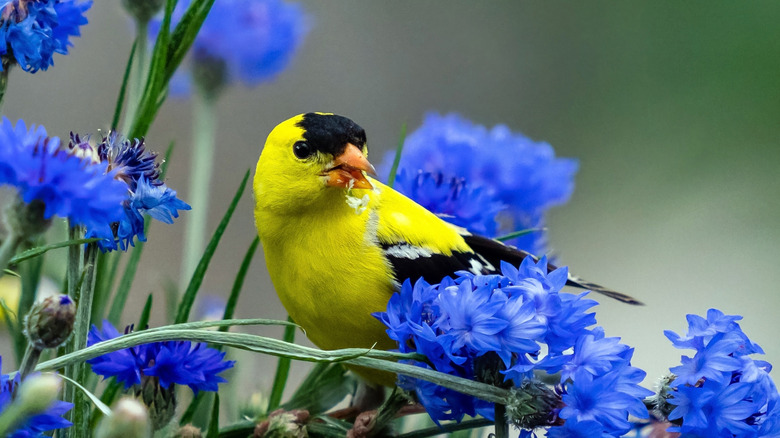
Cornflowers, also known as bachelor buttons, are colorful spring flowers that reseed reliably in the cottage garden. The most popular color is blue, as referenced by the plant's botanical name Centaurea cyanus (cyan = blue), and the luminous blue Crayola crayon known as "Cornflower." But they come in a variety of hues and bi-colors including lavender, pink, crimson, white, and deep purple. Birds like finches and chickadees love to eat the seeds that form once these bright bloomers begin to fade.
Zinnias

Zinnias are warm weather annuals that can be started from seed indoors and planted in the garden once the final frost date is well past. Available in many colors and forms, these tall, sun-loving, multi-petaled flowers are a glorious sight in the summer cottage garden. Finches and other seed-eating birds will pick the seed cones clean, so if you want to save some to replant you'll have to share. Eden Brothers carries some great zinnia seed mixes, like the 'Pink Cupcakes' mix, and the gorgeous vintage hues of the 'Queeny Lime Mix'.
Coneflowers
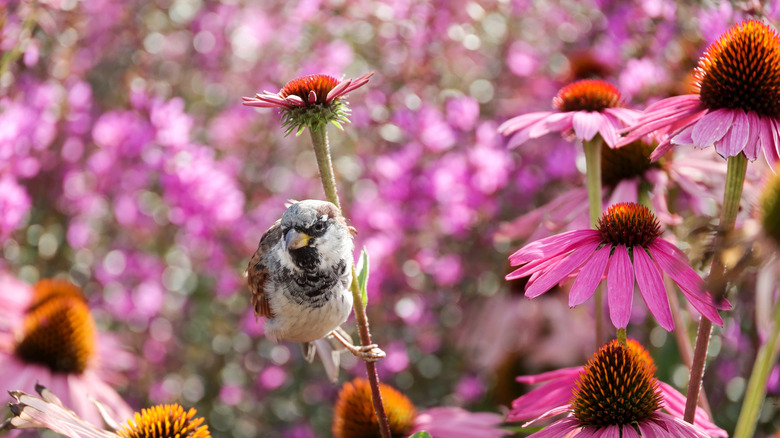
Coneflowers (Echinacea) are sturdy, colorful, daisy-like perennials that bloom for weeks, and are a must-have for the cottage garden. Coneflowers attract insect pollinators and birds, offering sweet nectar and nutritious seed snacks. The pompom-shaped hybrid varieties don't have the prominent seed cones, so be sure to include some of the cone-bearing varieties for the birds. These low-maintenance flowers are easy to grow: Leave them intact through winter for birds to enjoy, then cut then back in spring as new growth appears.
Cosmos
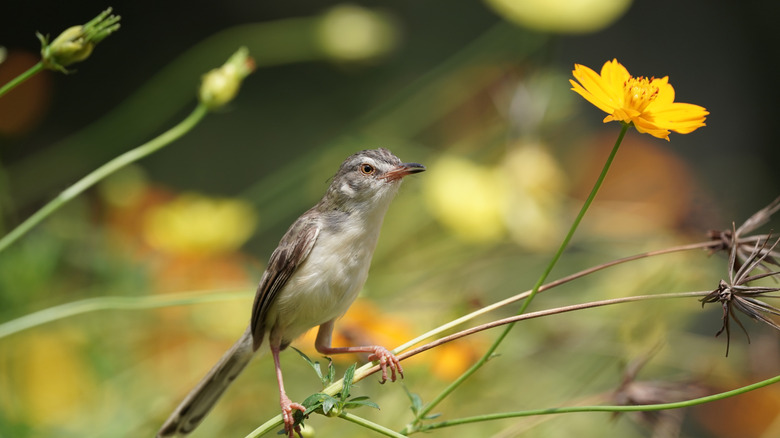
Cosmos are beautiful summer annuals that attract butterflies and bees. I love planting them in rows in my vegetable garden. They come in a wide variety of colors: pink, white, and crimson are popular. But, there are also gorgeous yellow and orange varieties. The seeds are thin, between 1/4 and 1/2 inch long, and birds love them, especially finches. You can gather the dried seeds to replant the following spring, but leave some for the birds too! In a sunny spot they might reseed a bit, and birds can help this effort.
Sedums

Sedums are wonderful perennials that can give you four seasons of beauty. Leaving them intact through winter provides nice texture and interest in the flower bed, and provides some cover and food for birds, who snack on the tiny seeds. The larger varieties provide good sturdy stems and large flower heads, plus flowers that transition colorfully from summer to fall, including 'Autumn Joy' (pink to dusty red) 'Matrona' (pale pink to mauve), and 'Neon' (hot pink to brownish-pink).
Asters
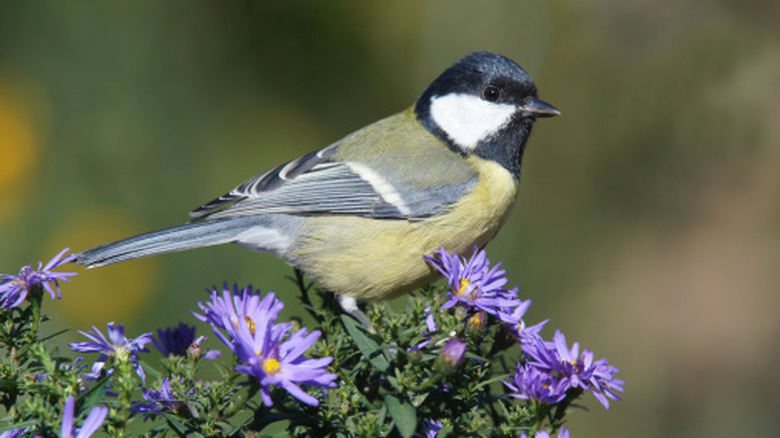
Colorful asters are related to chrysanthemums and daisies. The most common varieties grown in gardens are New England asters (Symphotricum novae-angliae) or New York asters (Symphotricum novae-belgii). Wild asters grow in meadows and along roadsides. They come in various heights, from dwarf cultivars (12 to15 inches) like 'Woods Blue', to medium-tall varieties (2 to 3 feet) like 'Grape Crush', or tall (4 to 5 feet) like 'September Ruby'. Birds that enjoy aster seeds include finches, chickadees, juncos, cardinals, and nuthatches: They'll often perch on the stems while snacking on the dried flower heads in late fall.
Anise hyssop
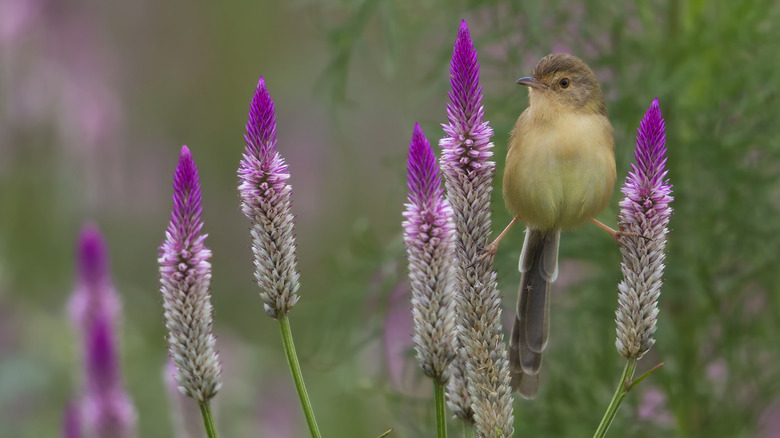
Anise hyssop (Agastache foeniculum) is also known as hummingbird mint. This tall perennial blooms from June through October and its slender flower spikes are an attractive addition to the cottage garden. The fragrant flowers attract hummingbirds (and other pollinators) who sip on their nectar in summer. But later in the season, as the flowers start to fade and go to seed, they attract other birds who feast on their seeds, especially American goldfinches. They come in a huge array of colors including pink, purple, blue, orange, red, yellow, and white.
Joe Pye Weed

Joe Pye weed is a native plant known for attracting many pollinators including butterflies and bees. It can get very tall (7 to 8 feet) but there are smaller hybrids available. The mauve pink flowers make Joe Pye weed a cottage garden favorite, a gorgeous backdrop to yellows, blues and purples. Once the fluffy flower heads go to seed in the fall, they're visited by seed-eaters like finches and juncos, who perch atop the tall stems to feast on the tiny seeds.
Columbines
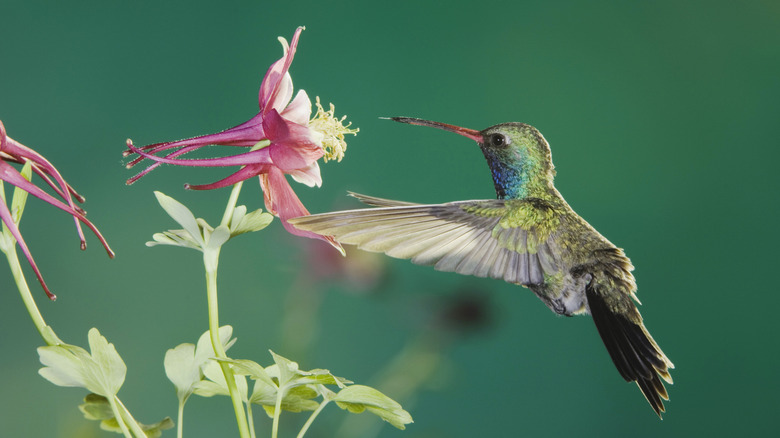
I personally think no cottage garden is complete without columbines. These spring bloomers grow well in partial shade, and the colorful blooms last for weeks in the mid-spring garden. Hummingbirds are attracted to all varieties of columbines, from the tubular "spur" shaped flowers of 'McKana Giants' to the flatter "clematis-flowered" blooms of 'Barlow' cultivars, hovering around them to sip nectar. But columbines also produce tiny seeds that are eaten by finches and buntings, occasionally dropping them to reseed throughout the garden.
Marigolds
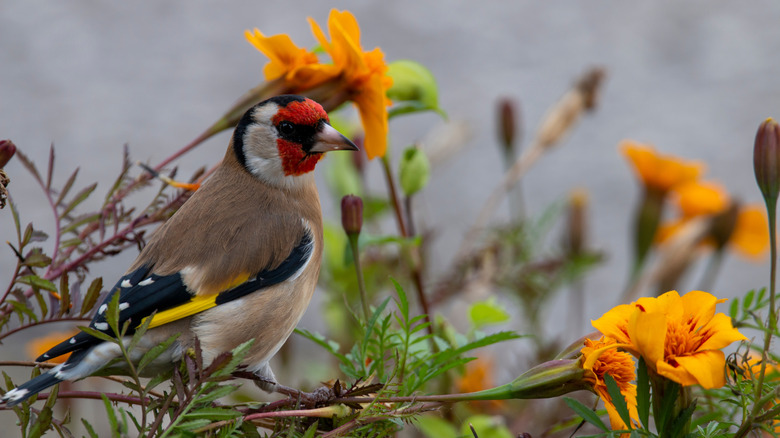
Many vegetable gardeners plant marigolds (Tagetes spp.) near tomato plants, for their ability to repel garden pests. These sturdy annuals flower for weeks, needing only occasional deadheading. Though some gardeners dislike their somewhat pungent fragrance (which also repels deer), they provide lively colors of orange, gold, and yellow in the cottage garden. The long slender seeds that form in the fall after the flowers fade are eaten by many ground-feeding birds including cardinals, finches, and grosbeaks. Some birds will even tear into the flower heads to get at the seeds, including crows and grackles.
Milkweed

There are a number of flowers referred to as milkweed, including swamp milkweed (Asclepias incarnata) or butterfly weed (Asclepias tuberosa). But the native variety of common milkweed (Asclepias syriaca), with large round pale pink flower heads and large seedpods, attracts pollinator insects and provides tasty seeds for birds. Not only do they eat the seeds, but birds will also use the soft fiber or "fluff" from the pods to line their nests. Milkweed plants are also host plants for monarch butterflies, providing the only food source for their larvae.
Yarrow
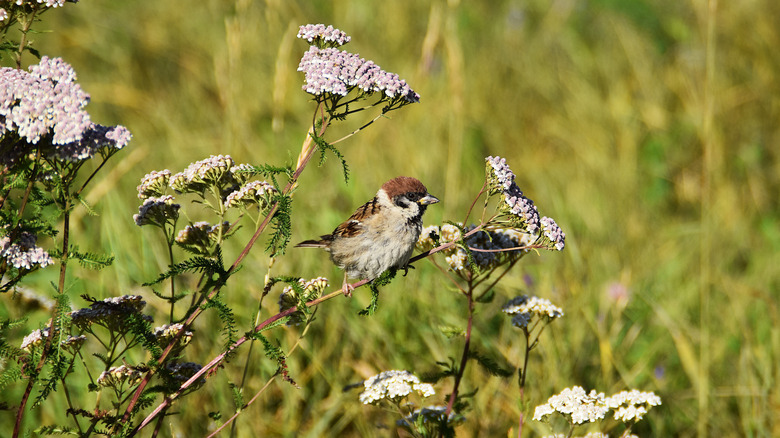
Yarrow (Achillea millefolium) is a pollinator magnet that's easy to grow in partial sun. It spreads via clumps or thin roots, depending on the variety. The color range includes many lovely jewel tones and pastels. It keeps flowering over a long season if deadheaded occasionally. But leave the fading flowers intact in the fall so birds can eat the tiny seeds: They're especially loved by mourning doves, and are a main source of food for these ground feeders. Yarrow also adds winter interest in the cottage garden, providing cover and perching spots for various birds.