

16 Things Every Pro Plumber Wants You To Know About Your Pipes

Plumbing systems seem pretty basic, but there are many things that can harm the plumbing in your home. To complicate matters, you'll often hear mixed recommendations. Some people swear by drain cleaners, but the harsh chemicals aren't recommended by plumbers. Or, you might not have all of the information — homeowners in cold climates know that a power outage could lead to frozen pipes, but they might not realize the plumbing lines can freeze, even if the home is warm.
We conducted exclusive interviews with plumbing experts, covering the top issues pro plumbers want you to know. From the types of pipes that are most vulnerable to how water filtration systems affect plumbing, these issues help familiarize you with your plumbing. Heeding this professional advice can help you avoid major plumbing emergencies and save money — rates for emergency plumbers average $170 per hour, according to Angi. Plus, you'll have fewer disruptions in your plumbing.
Cast iron drain pipes are especially susceptible to corrosion from drain cleaners
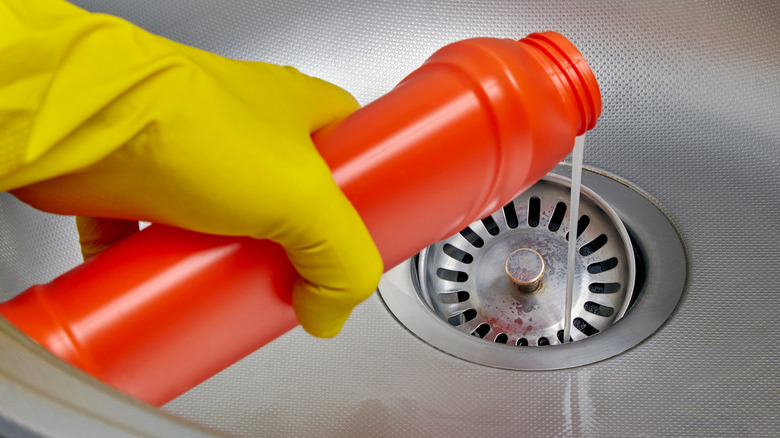
Drain cleaners contain strong acids or alkaline ingredients that are hard on plumbing, especially in older homes with cast iron pipes. Carl Orgish, field supervisor at Black Tie Plumbing, explains in our exclusive interview that cast iron was common in homes built prior to 1980. He says, "This iron pipe can remain durable for about 30 years, but after that, the constant exposure to water, soaps, chemicals, and other normal things used around the household can cause uneven wear on the cast iron pipes." He says the result can be leaks, rough patches, and vulnerable areas that roots can penetrate. That can mean an expensive repiping service.
How you care for your system could impact how quickly it deteriorates. Orgish says, "The use of harsh chemical drain cleaners, such as Drano, and harsh bathroom cleaners, like Comet, react with the cast iron drain pipes, speeding up the erosion process." The chemicals weaken the metal, so you might experience leaks and cracks. Using drain-cleaning chemicals frequently can be particularly damaging to cast iron plumbing. Instead, use manual removal methods, like plumbing snakes or plungers.
Copper water pipes can last longer with a whole home filtration system
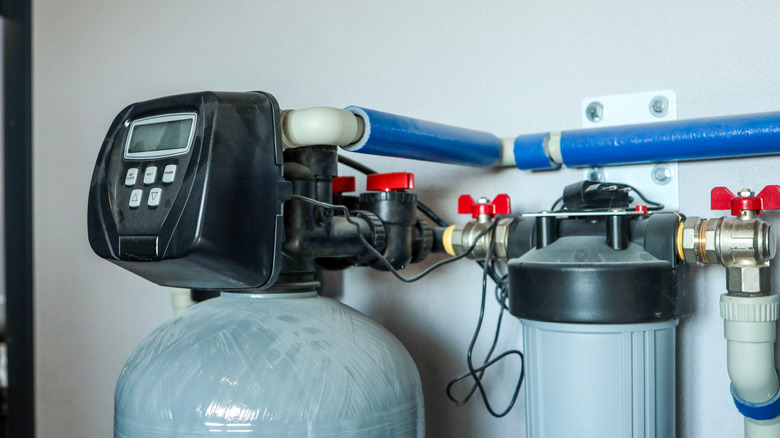
Carl Orgish's next tip addresses copper pipes, common in houses built before 2005, which last 20 to 30 years. "Copper pipes are known to corrode and break down over time in areas where the city or water provider uses standard water treatment chemicals such as chlorine, magnesium, sulfides, etc." The chemicals and treatment processes used often vary due to differences in local water quality, so water in areas with poor quality could be highly processed. The corrosion from chemical treatments can cause copper to leach into water, creating a funky flavor or causing pinhole leaks.
Orgish suggests a solution: "Whole-house filtration systems are ideal for homes with copper water systems to either slow down the erosion process or stop it completely, based on how old the water system is." There are many types of water filtration systems, which is why testing to choose the right one is important. Once installed, the system removes certain chemicals and contaminants where the water enters your home, keeping them out of the pipes.
Copper pipes are super vulnerable to freeze breaks
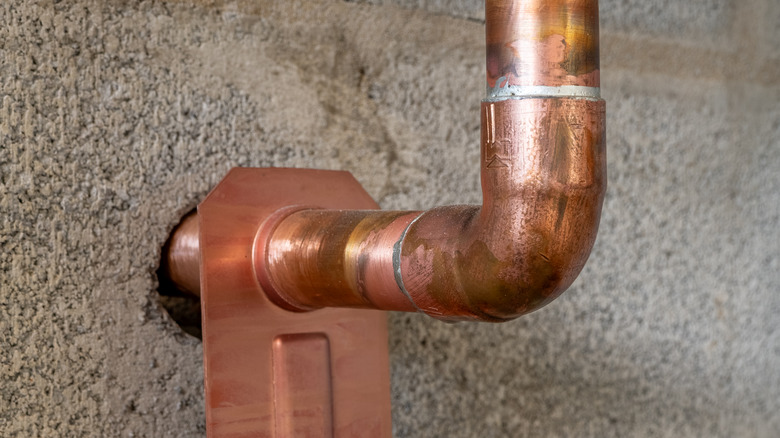
How long it takes the pipes in your home to freeze depends on several factors, including the pipe material. Carl Orgish says, "Copper water systems are VERY at risk for freeze breaks ... Because the systems are primarily underground, they are naturally insulated by the ground and the home. However, the areas around the home's exterior walls that have kitchen sinks, bathroom sinks, outside faucets, etc., are at risk because the copper pipes run up from beneath the home into these walls." Because of its exceptional conduction, copper pipes get colder faster than PEX. The metal is also more likely to burst due to freezing than other pipe materials, including plastics.
Orgish suggests, "During extremely cold temperatures, homeowners should set the faucets located on the exterior walls to a very slow drip ..." This keeps water moving to prevent frozen pipes and expensive water damage. It can also help to open the cabinet doors to allow warmer air to circulate around the pipes — if it's especially cold, set up a space heater nearby. Or, apply heat tape that's controlled by a thermostat.
PEX water systems need to be well-insulated
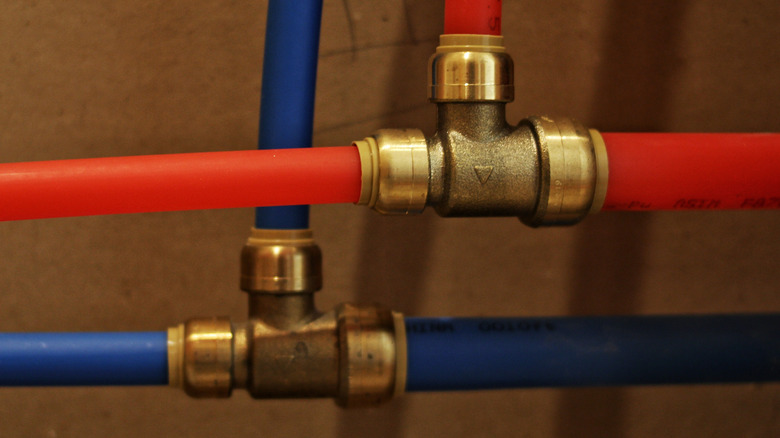
PEX is a flexible plumbing line made of cross-linked polyethylene. Carl Orgish tells us they're common in homes built around 2005 and later. "These systems are usually run overhead in the attic and delivered to each fixture down the walls of the home, unlike copper systems, which are run underground." The flexibility gives PEX the advantage over rigid metal or PVC pipes. Despite its flexibility, PEX can burst if the lines freeze. Freezing and thawing can also affect the pipe's elasticity.
Orgish notes, "PEX water systems should be heavily insulated by pipe insulation upon installation, since they aren't naturally insulated by the home itself." Installing insulation is an effective way to keep PEX lines from freezing, especially in exterior walls and uninsulated areas. The insulation also improves efficiency by cutting down on heat loss. Foam is an effective insulator, since it flexes with the PEX lines. It's also safe to add heat tape.
A water filtration system isn't needed to stop corrosion in plastic pipes
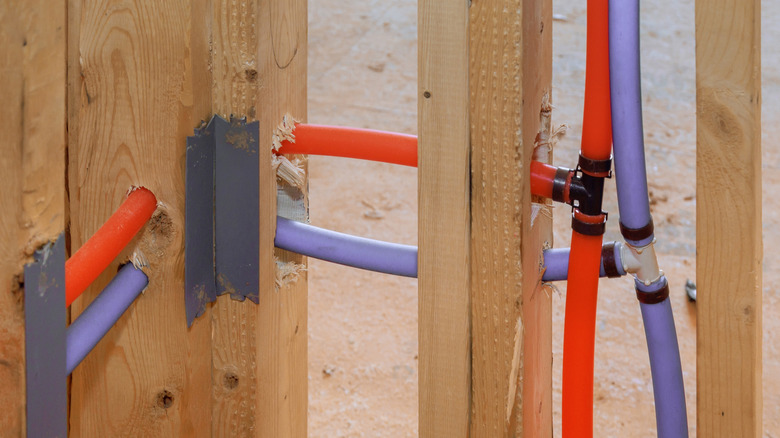
While water filtration helps copper pipes, that's not so with PEX plumbing. Carl Orgish notes that plastic construction protects it, stating, "A PEX water system can last well over 20-30 years because it isn't affected by the typical water treatment chemicals." Because PEX resists chemicals well, you could skip the filtration system if you're installing one to protect plumbing.
Orgish isn't opposed to filtration. He notes, "A whole-house water filtration system is not necessarily needed to stop an erosion process, but it is ideal for conditioning the water, keeping it from having a plastic smell or taste." While PEX pipes are considered safe for drinking water, the water could smell or taste like plastic, especially right after installation. A standalone water filtration system at the sink can minimize those issues. Water softeners can be useful for removing minerals and preventing buildup in showers and sinks.
Your plumbing pipes can weaken under high water pressure
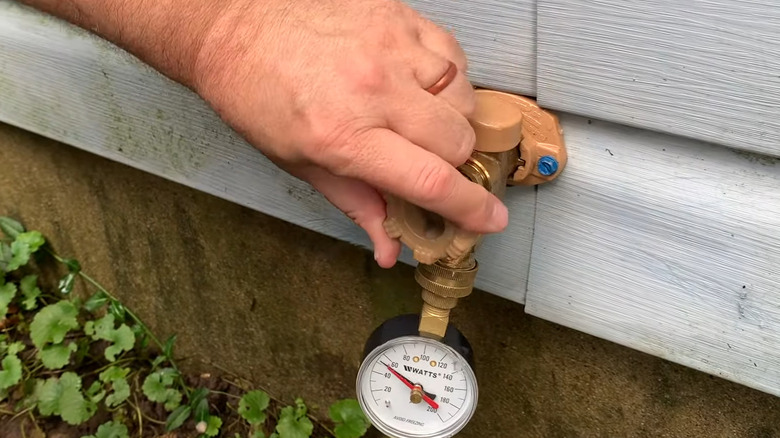
You might assume higher pressure is better. Aaron Adams, master plumber and leader of Aaron Services, explains it's bad in an exclusive interview with House Digest. "Your water pipes are highly dependent on having proper water pressure in your home," he says. "Even with modern, non-defective pipe types, if you have high pressure, you are at great risk of a leak." High water pressure can happen due to a damaged pressure regulator, temperature issues, and clogged or burst pipes.
Common signs include banging in pipes, dripping faucets, and running toilets. You can check your home's water pressure levels with a pressure gauge. Look for a reading between 60 and 70 psi, according to Adams. He tells us, "If it is higher than that, your pressure regulator may not be functioning correctly. High pressure can cause fittings to leak or come apart, and can shorten the life of your appliances, like your water heater." He also notes that pipe damage is more expensive than replacing a bad pressure regulator.
Drain pipes aren't meant to withstand boiling hot water
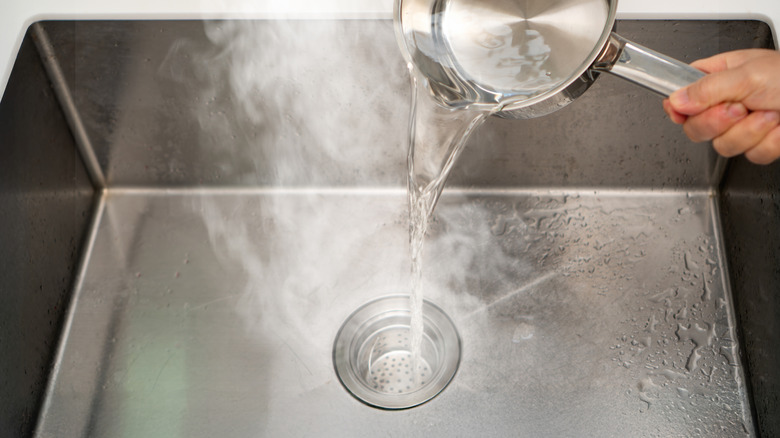
Pouring boiling water down drains might clear minor grease clogs, but it could damage your drains. Megan Doser, owner and CEO at Doctor Fix It Plumbing, Heating, Cooling & Electric, tells House Digest in an exclusive interview, "Pouring a kettle of hot water down the drain occasionally is really good for pipes, but only when it's hot — not boiling." Even though plastic pipes can withstand high temperatures, they can't handle boiling water, especially for prolonged periods.
Doser continues, "Flushing with 70-degree water dissolves fats and soap buildup and helps them flow through the system, keeping your kitchen drains cleaner, while 100-degree water damages joints and seals over time." A small temperature difference takes it from helpful to harmful. The trick is to know how hot is too hot. Doser suggests, "Just let your kettle sit for 10 minutes after it boils before pouring water down the drain." When it comes to cooking, save boiling pasta water to add to the sauce, or drain it into a heat-safe container until it cools.
Interior plumbing pipes are at risk of freezing if they run along exterior walls
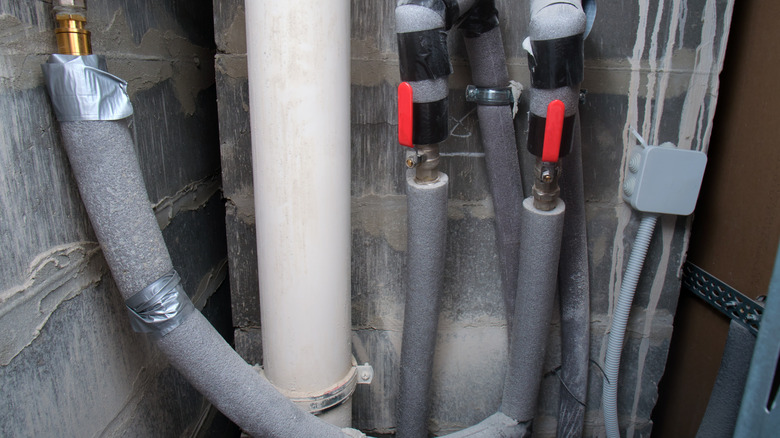
Your pipes can freeze, even if the heat is working. According to Megan Doser, pipes in exterior walls are capable of freezing, just like outdoor pipes. She explains, "Even if the thermostat shows above 55, which is safe for pipes, the temperature right against the wall can be way lower because of the draft in attic voids or around poorly sealed openings and penetrations." Kitchens, bathrooms, and laundry rooms are often situated along exterior walls, so the water lines could freeze.
The issue can be worse if your home is poorly insulated. Pipes running through exterior walls on the north side can be particularly chilly without direct sunlight. There are precautions you can take. Doser says, "Make sure the walls where pipes run are insulated and don't have air leaks or gaps, and use pipe insulation or heat tape when outdoor temperatures drop below 20 and stay there for 4-6 hours or longer." Tube-like insulation made from foam or fiberglass makes insulating your pipes easier.
Kitchen and bathroom pipes clog in different ways
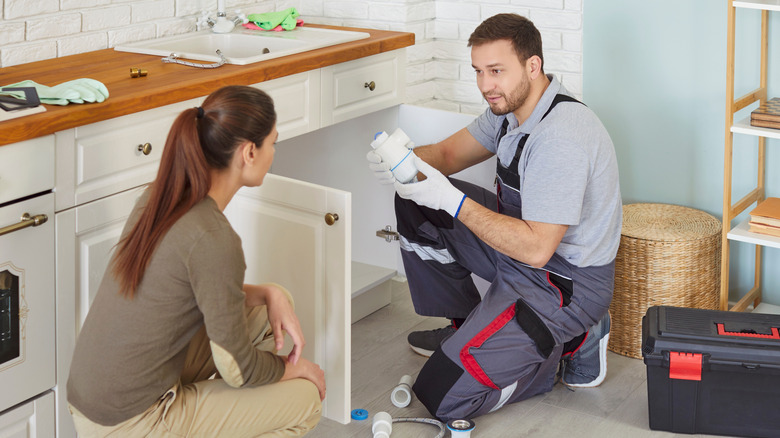
You don't wash your dishes in the bathroom, and your kitchen sink isn't the place where you wash your hair. Because of those use differences, clogs can form differently in those areas. Megan Doser notes that the cause of kitchen vs. bathroom clogging means you may need different solutions. "While kitchen clogs are mostly caused by cooking grease and chemicals can break them down, bathroom clogs are usually caused by hair buildup, and only mechanical tools like a simple drain brush or plastic drain can help."
And while plumbers don't recommend harsh acidic cleaners, Doser says, "Chemical cleaners like enzyme-based cleaners are really beneficial for kitchen drains, because liquids can reach and break down grease buildup where a brush or small snake simply can't reach." These cleaners use bacteria to eat away at organic matter, like food particles, that are blocking your drains. Enzyme-based cleaners are much safer for you and your plumbing. However, they might not be able to break through a tough clog — use them regularly to keep your kitchen drain flowing.
Pipes that make strange noises require attention
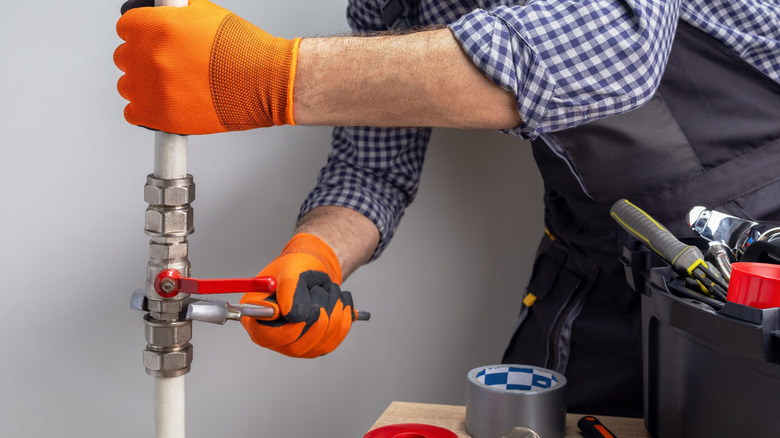
Pipes can make noises, but it's not normal to hear sounds from your plumbing. When everything is working correctly, the pipes quietly usher water to the various appliances and faucets throughout your home. Megan Doser warns, "Sounds like loud banging in the pipes, repeated gurgling from drains, or constant hissing inside walls are almost always signs of a serious plumbing issue — never ignore them and let your plumber know about it." The causes range from minor to severe, but you should always address them quickly, as even minor plumbing problems can get worse.
Water hammer is a common issue that creates banging noises in pipes due to a shock wave caused by water pressure changes. If you hear gurgling or bubbling, you could be dealing with a ventilation issue or a clog. Bubbling could also be a sign of air in the lines. Plumbers are best equipped to identify the sound's cause and fix it.
Flushable wipes can cause super clogs in your waste outlets
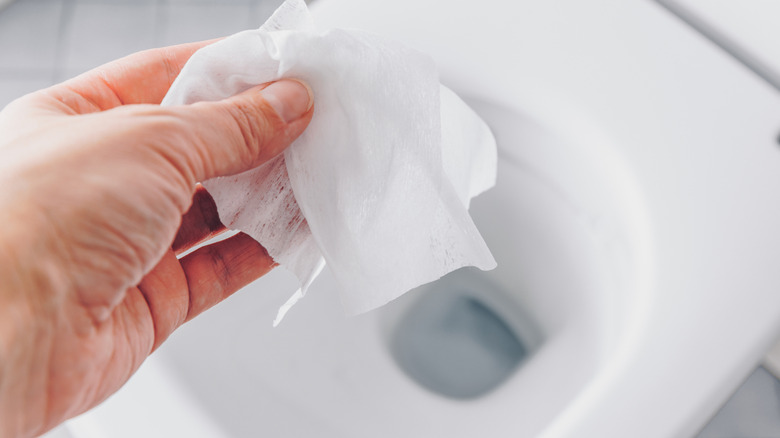
You should stop using flushable wet wipes immediately, despite the name of the product, due to the potential for damage and clogs. Robert Schwachenwald, owner of Bizzy Bee Plumbing, Inc., agrees. In an exclusive interview with House Digest, he says, "Flushable wipes — this is insane how often we go on calls like this, they don't break down like the toilet paper, catch on joints and roots, and combine with grease [to] form a super blockage."
Toilet paper disintegrates when it gets wet, so it's less likely to cause clogs. Even if flushable wipes claim to do the same, they don't because they're made of polyester, polypropylene, or other synthetics. Not only can they clog your toilet and sewer line, but the clumps can end up in the city's sewer system, causing costly damage. If you have a septic tank, the wipes can get caught on internal components, which interrupts the flow and separation of waste.
Sewer lines on your property are your responsibility, not the city's
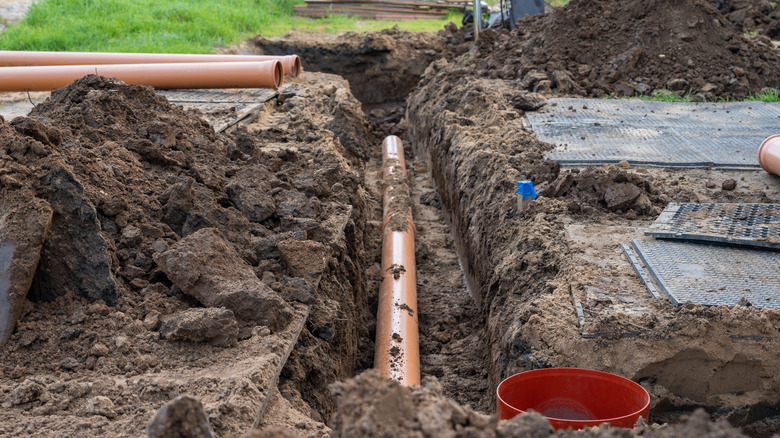
There are many things you should know about sewer systems before buying a house, including that you're responsible for the sewer lines on your property. Robert Schwachenwald says, "Your sewer line is your responsibility. Homeowners think that the city owns whatever is underground. However, root intrusion, collapsed lines, bellies in the sewer, yup, your problem." Since you can't see what's going on below, it's important to be prepared. The city won't save you if sewage starts seeping up through your lawn or your drains all start gurgling and backing up. You'll be responsible for the full bill.
Schwachenwald recommends being proactive. "We camera lines every week that are 30-60 years old. Preventative inspection is cheaper than emergency excavation." By getting a visual on the sewer lines, you can understand what shape they're in and how soon you might need to replace them. That's particularly important if your home was built before the '80s; inferior building materials and decades of use can take a toll.
Ongoing use of drain cleaners can also weaken seals and joints, even in PVC pipes
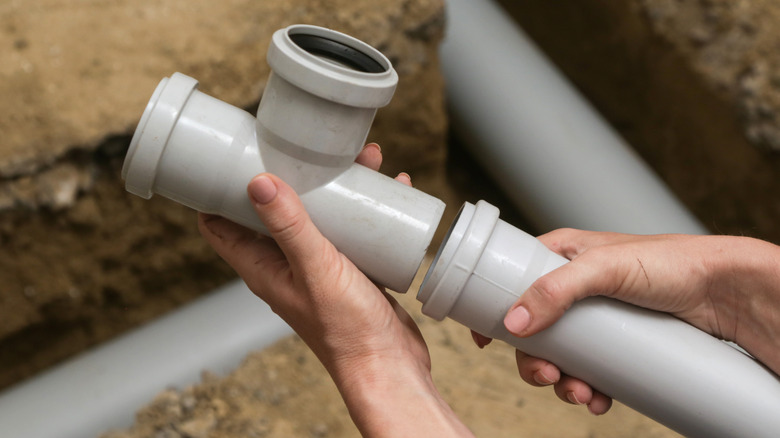
While cast iron might be particularly susceptible to drain cleaner damage, all types of pipes are at risk, even plastic. Robert Schwachenwald tells us, "Liquid drain cleaner is not a permanent fix — people pour them all the time because it is cheap, but it causes cleaners to sit in the trap, they weaken seals and joints." Part of the problem with plastic plumbing pipes is the chemical reaction of drain cleaners — it heats things up and can melt the plastic. The corrosion that can happen due to chemicals can weaken or crack the pipes, especially with repeated use.
If you want to tackle slow drains yourself, stick to handy tools to unclog sinks without using chemicals to protect yourself and your plumbing. Drain snakes and plungers are safe mechanical methods of clog removal for all types of pipes. If those don't work, call a plumber to use professional tools that will clear the clog long-term.
Sewer pipe issues can go unseen during home inspections
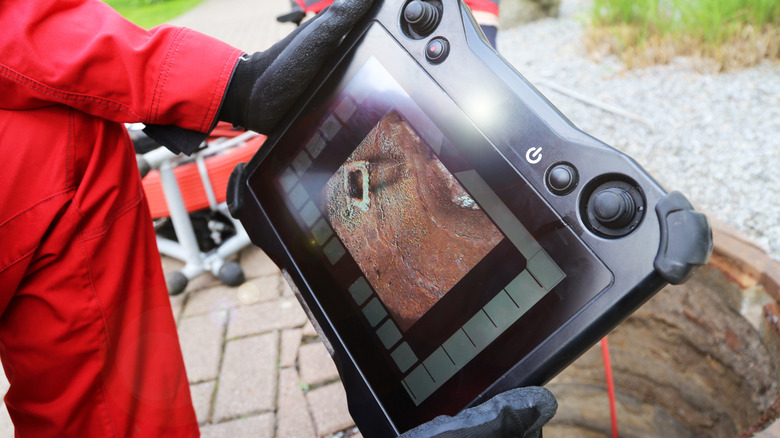
There are many reasons why you should schedule a plumbing inspection sooner when buying a home. Owner of Hargrave's Plumbing, Travis Hargrave, tells House Digest in an exclusive interview, "People, in my opinion, should be requesting a sewer camera be sent down the drain before purchasing a home. A root in a line will never be seen by a home inspector and the cost for camera service is easily covered in a home purchase." The sewer line inspection could help you decide to walk away from an expensive issue — sewer line replacement could cost between $225 and $10,000, according to Angi. You can also negotiate the selling price based on the results.
Even if you already own your home, it's never too late to schedule a camera inspection to evaluate the condition of your plumbing. The underground view could uncover sewer line buildup that could eventually cause backups or slow drains. Or, you could catch issues, like cracks and roots in the lines, before they get worse.
Pipes that contain drain cleaner could damage plumbers' equipment
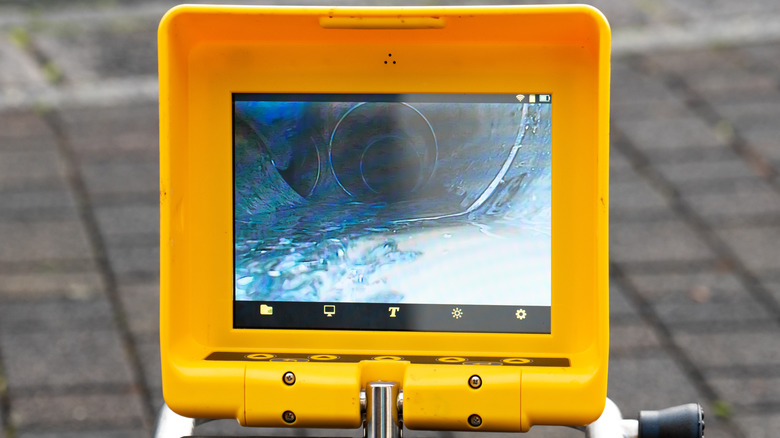
If you're still considering chemical drain cleaners, there's another drawback: damage to plumbers' equipment. Travis Hargrave notes, "When you use drain cleaner, you are putting acid in the pipe that may damage our cameras and equipment." The cameras are designed to go into gross sewer lines, but they're still vulnerable to damage. Even harsh cleaners can damage the lens, so imagine what acidic drain cleaners will do.
Maybe you chalk it up to the hazards of the job. But you could also feel the effects, as Hargrave explains. "Oftentimes, it makes us charge more due to the risk. Sewer cameras are very expensive to repair." You'll already pay between $150 and $300 for a basic camera inspection (and up to $1,500 for advanced equipment), according to Angi. Instead of trying drain cleaners first, call a plumber to save time and money without the risky side effects.
Pipes in your basement or crawl space can sustain freeze damage even if all spigots are off
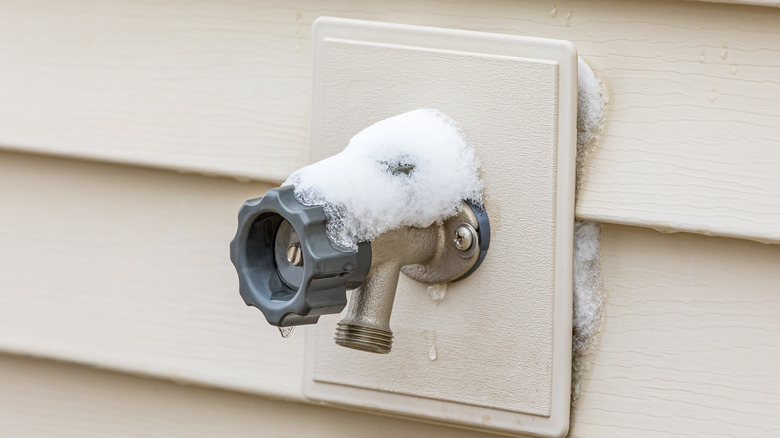
Shutting off outdoor spigots and disconnecting hoses is one of many things you can do in the fall to get your yard winter-ready. But shutting it off might not be enough to stop pipes from freezing in your basement or crawl space. During an exclusive interview with House Digest, Kyle Poe, plumber at Quality Comfort Home Services, tells us, "We commonly see homeowners immediately do their yard work as soon as they turn their spigot back on for the season and come back inside their house to find a flood, which is not an easy or cheap fix."
Poe's advice? "Keep in mind you won't see damage when the spigot is off, and you probably won't immediately see a leak as soon as you turn the spigot on. The first time you reattach your hose and turn on the spigot at the start of the season, go check out your basement or crawl space to make sure you're not leaking anywhere." That way, you're prepared and can close the main shut-off valve (or the dedicated shut-off valve for the spigot) immediately, before you cause hundreds or thousands of dollars in water damage. Check plumbing just inside the home near where the spigot is located to check for leaks and cracks.