

12 Types Of Caterpillars In Your Yard (& The Butterflies They Become)
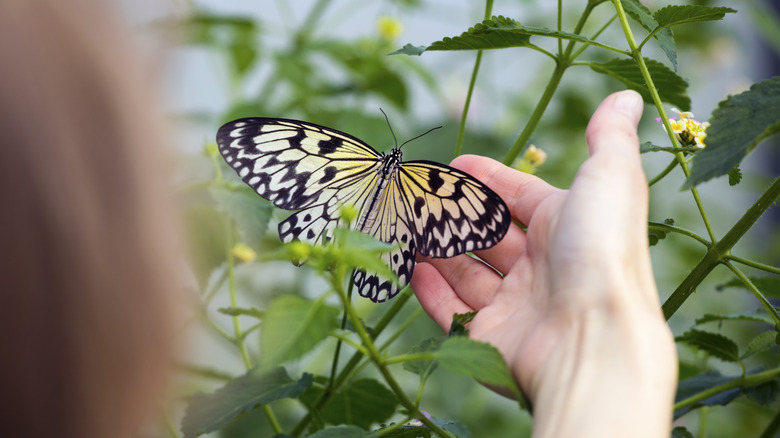
There's nothing quite like the wildlife that flocks to your garden during the warmer months of the year. Those melodic songbirds, the mischievous squirrels, and the creepy-crawly visitors that you may miss if you aren't looking. From swallowtails to painted ladies to fritillaries, caterpillars are one of the most common insects to find in your backyard and garden. And, if you know how to identify each species, you can prepare to keep an eye out for the various beautiful butterflies they'll become in just a few short weeks.
Not every caterpillar you find in your garden has the DNA to become a butterfly. Instead, some species grow into fuzzy, night-loving moths instead. By learning to tell who's who in the garden, you can familiarize yourself with the flying insects to expect in the future, whether it's an iconic monarch butterfly or one of the many moth species native to the United States.
However, before diving in and learning about the different types of caterpillars in your yard (and how to attract the butterflies they grow into), there is just one thing to keep in mind. Some caterpillars are venomous, with painful spines for protection. As a result, even if there are many caterpillars that are safe to hold, it's often best to avoid handling any that you find. This also helps minimize the risk of accidentally harming your crawling friend.
Black swallowtail
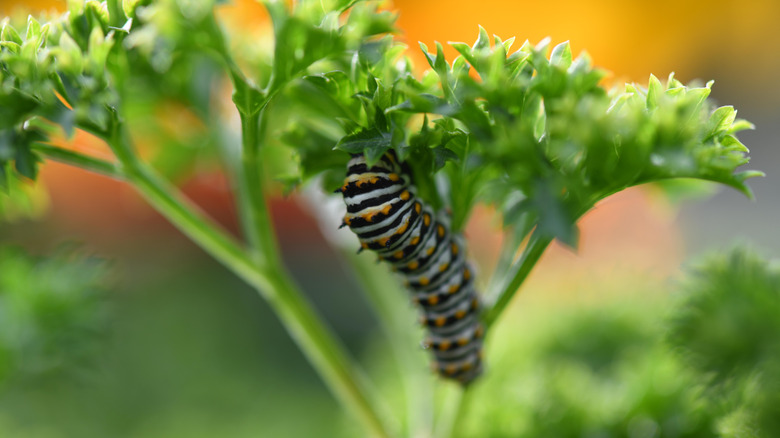
The black swallowtail (Papilio polyxenes) is also known as the eastern black swallowtail or American swallowtail. This little insect is found throughout the United States as an adult. However, if you're looking for this caterpillar in your backyard, it's best to check its host plants. This includes common garden plants such as dill, carrot, and parsley. When first hatched, black swallowtail caterpillars are dark with orange and white markings. As they mature, they grow in size and slowly lighten with each molt until they become a notable green caterpillar with black and yellow markings.
Spicebush swallowtail
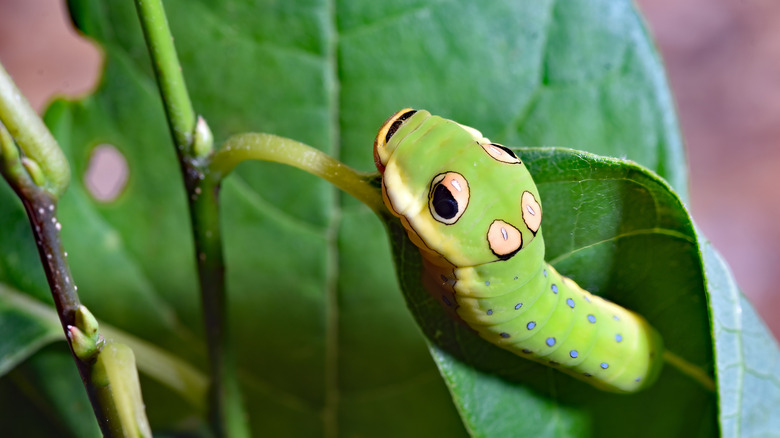
Another swallowtail species, spicebush swallowtail (Papilio troilus), is found throughout the eastern and central United States. Although they start as large green caterpillars with eyespots (which mimic predators like snakes or frogs), they grow into eye-catching black butterflies with blue markings on the hind wings. In your yard, you're likely to find this caterpillar on one of its many host plants, including the spicebush, which it's named for, and other plants like sweet bay and sassafras. Spicebush swallowtails produce multiple generations throughout the year, giving you plenty of opportunities to observe these interesting caterpillars.
Monarch
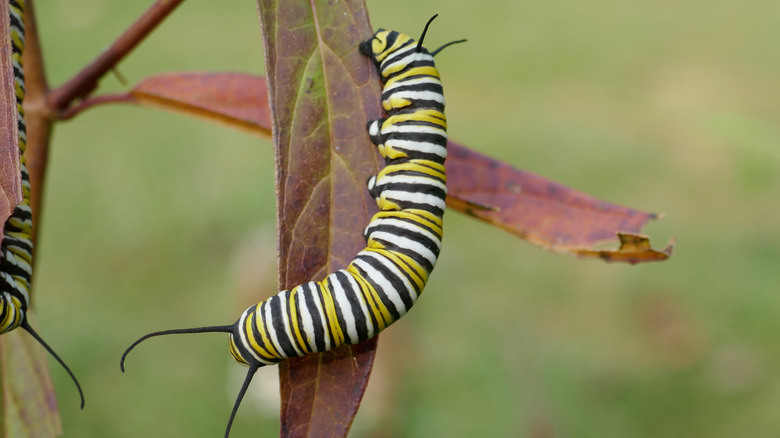
Few butterflies are as iconic and memorable as the monarch (Danaus plexippus). However, before they can grow into those beloved orange and black butterflies found throughout much of North America thanks to their migration patterns, they'll need to start as caterpillars. Monarch caterpillars have white, black, and yellow bands, as well as two black horn-like protrusions on their head. Since their only host plant is the milkweed, consider growing different varieties of milkweed to attract these butterflies. If you find a monarch caterpillar crawling away from milkweed, it's likely ready to form its chrysalis.
Painted lady
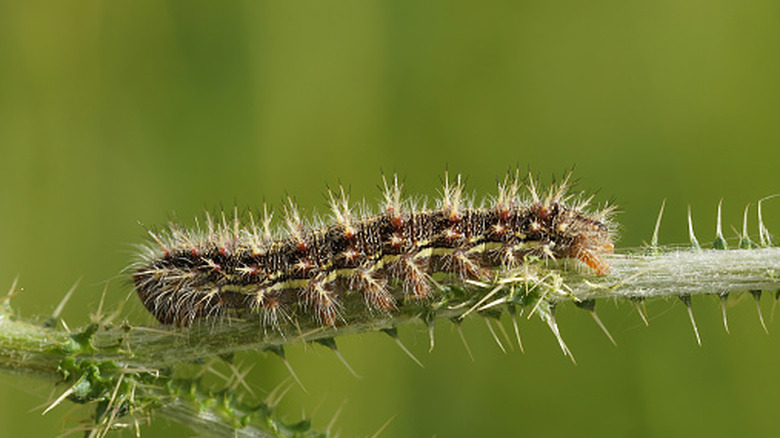
The painted lady butterfly (Vanessa cardui) isn't just found in the United States — instead, as one of the most widespread species, you can find these colorful critters on nearly every continent. At first glance, adults may resemble monarchs, with similar black-and-orange markings. However, painted ladies also have brown and white markings across their wings. As larvae, the differences are more noticeable, with painted lady caterpillars sporting a variety of fuzzy spines along their bodies. They start as black caterpillars with orange and yellow markings, then molt into paler colors. Their chrysalis is brown.
Buckeye
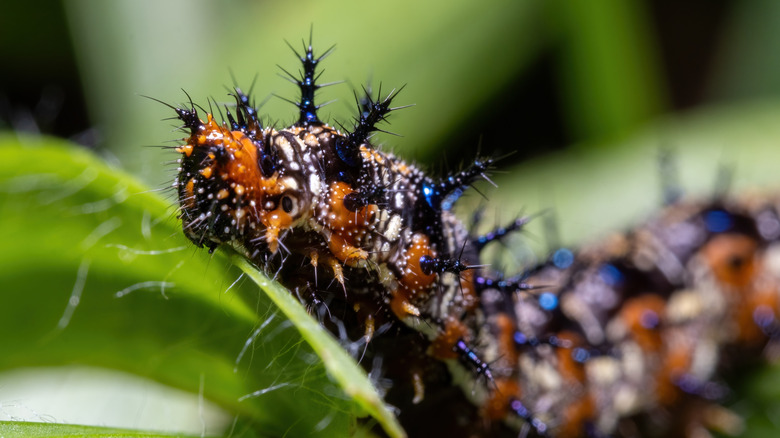
While painted lady caterpillars may not resemble monarchs, they do resemble the caterpillar of the buckeye butterfly (Junonia coenia). Buckeye caterpillars also feature fuzzy spines along the segments of their body, which look intimidating but are harmless. Their dorsal side features darker coloration, with orange and white markings along the sides. As adults, buckeye butterflies have two large eyespots on their hindwings, much like the spicebush swallowtail caterpillar; they help to keep predators from being interested in this small insect. Buckeye caterpillars have several host plants, including flowers like snapdragon.
Giant swallowtails
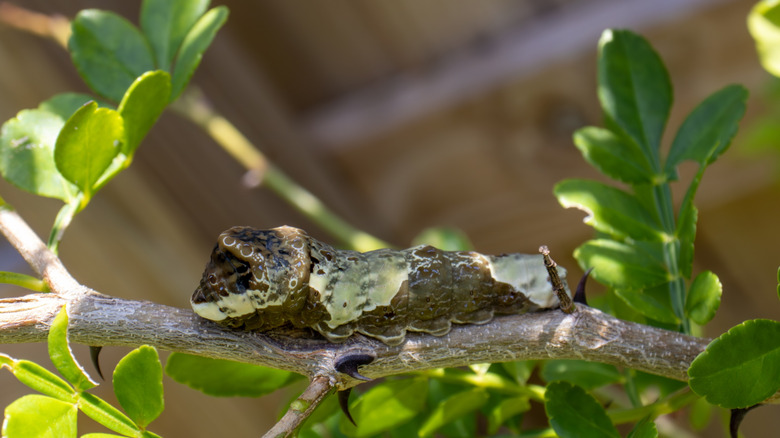
Swallowtails are some of the most well-recognized butterflies in the garden, which is why you may immediately spot any visiting giant swallowtails (Papilio cresphontes) in your yard. Related to both the black and spicebush swallowtails, this species also displays those same dramatically swooping wings with hindwing protrusions. However, rather than relying on mimicry like spicebush swallowtail caterpillars, giant swallowtail caterpillars instead rely on camouflage for protection. With their oddly shaped bodies and brown-and-white coloration, they can resemble bird droppings in your yard, making them difficult to spot from afar.
Gulf fritillary
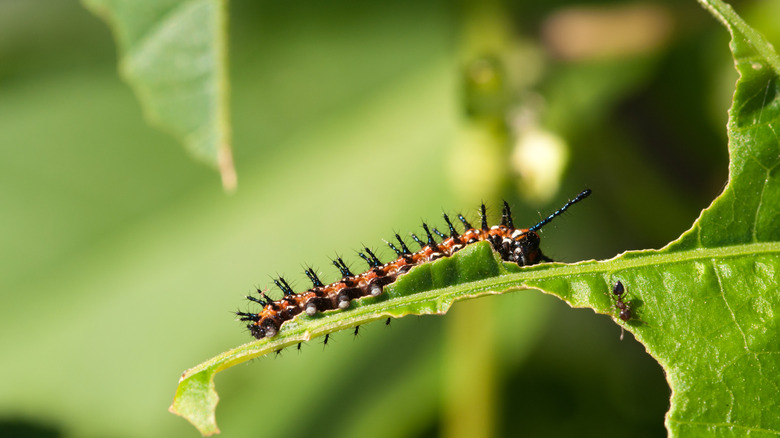
Both as an adult and a larva, the gulf fritillary sports striking orange and black colors. At both life stages, the body is mainly a vibrant, eye-catching orange, although adults have black wing markings, while the caterpillar instead displays black spikes. Although these caterpillars may look dangerous, especially with such bright predator-warning colors, their spikes don't actually pack a sting. Gulf fritillaries are found throughout the southern United States, as well as occasionally in the central regions during warmer weather. They rely on various passionflower species as host plants during the larval stage.
Anise swallowtail
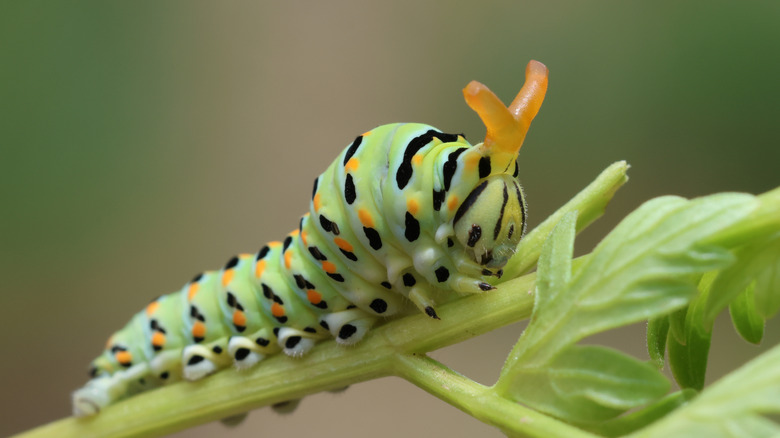
Anise swallowtail butterflies (Papilio zelicaon) live throughout the western United States, though they closely resemble other swallowtail species found instead in eastern regions. As adults, they have predominantly black and yellow wings, with faint blue markings on their hind wings. During their final instar as caterpillars, they are green with black banding and orange spots, while their earlier molts are black with orange and white markings. Just as the spicebush swallowtail derives its name from its host plant, so does this species, with anise swallowtail caterpillars eating from anise, fennel, and other plants.
Red admiral
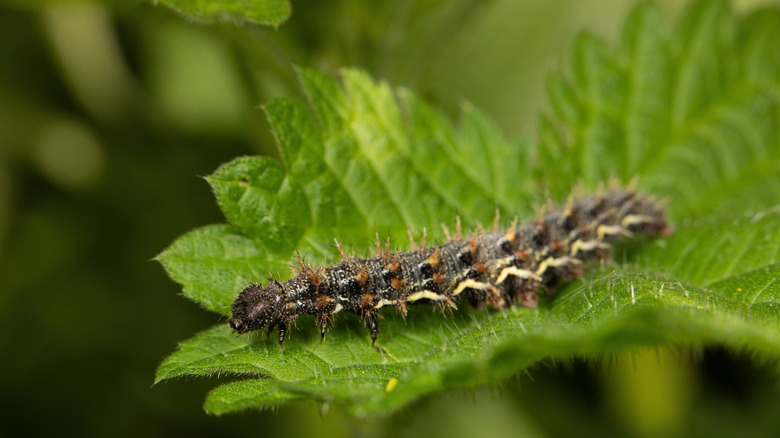
Red admiral butterflies (Vanessa atalanta) are found throughout most of the United States, although only sporadically in the American southeast. As caterpillars, they eat plants that are within the nettle family, although they have widely diverse diets as adults. In fact, adult red admirals eat everything from rotting fruit to bird droppings to nectar. Red admiral caterpillars are black, with white half-circle shapes along each body segment toward the belly. They also sport several black spines across their dorsal side. Adults are mainly brown with an orange band on each wing and beige spots toward the wingtips.
Variegated fritillary
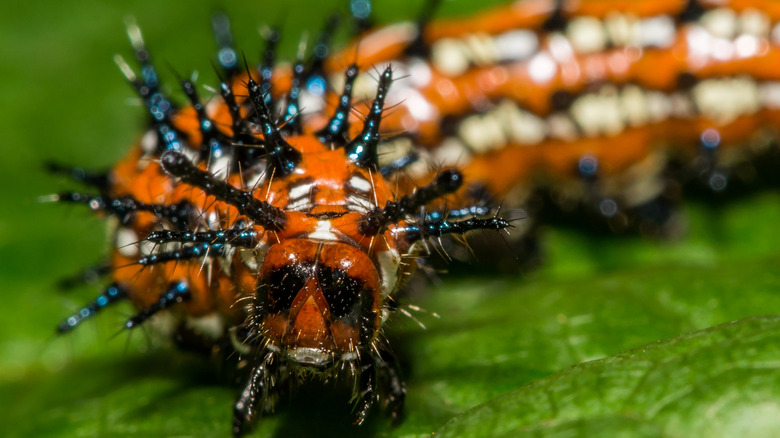
Also known as the pansyworm, the variegated fritillary (Euptoieta claudia) gains its common name from being commonly spotted on pansy flowers. Here, they eat the flowerhead itself as well as the stems and leaves. As a result, if you're deciding between plants like violas versus pansies, you may wish to choose the latter if your goal is to invite as many butterflies as possible to your yard. These caterpillars closely resemble other spine-tipped species, although they have red-orange vertical bands accompanied by white markings. The adult butterflies have soft brown wings with subtle orange, beige, and dark brown markings.
Mourning cloak
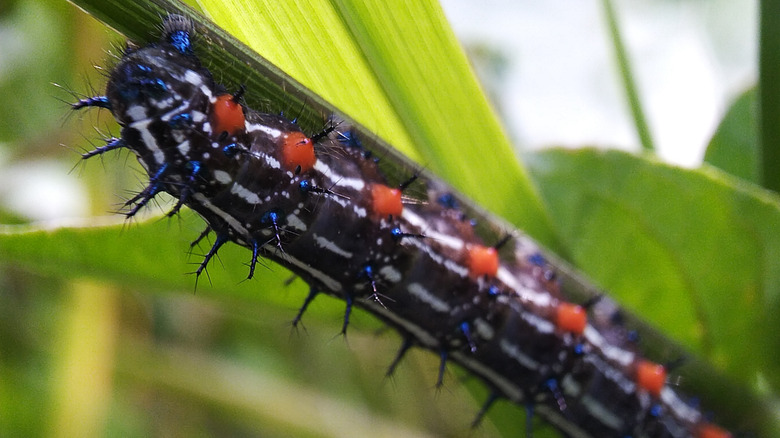
The mourning cloak butterfly's (Nymphalis antiopa) caterpillar is also known as the spiny elm caterpillar. They are named both for their tendency to host on elm trees as well as the long barb-tipped black spikes protruding from their dorsal side. Alongside these spines, they also sport red and white spots. Although elms are their namesake host, you can find these caterpillars on other trees as well. This includes willows and birch. While they are native to the United States, they are a rare sight and typically found only in states bordering the Gulf.
Queen
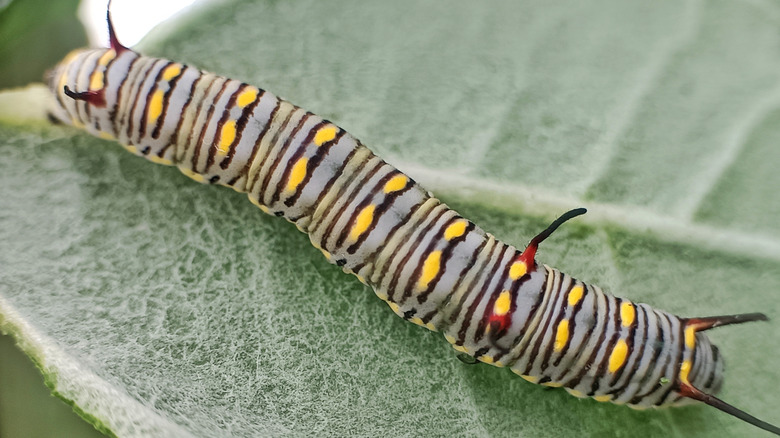
Although similar in name and appearance, queen butterflies (Danaus gilippus) actually aren't the same as monarch — even though they also use milkweed as host plants. Instead, you can identify adult queen butterflies by their color placement. Where monarchs have a stained-glass effect, queen butterflies have deep red-orange wings with markings mainly toward the wing tips, with less black lacing. Similarly, although the coloration and banding of queen caterpillars are similar to those of a monarch, their bands are often thicker and less regular in size and placement.