

12 Best Stones To Use For A Stunning Front Yard Fence
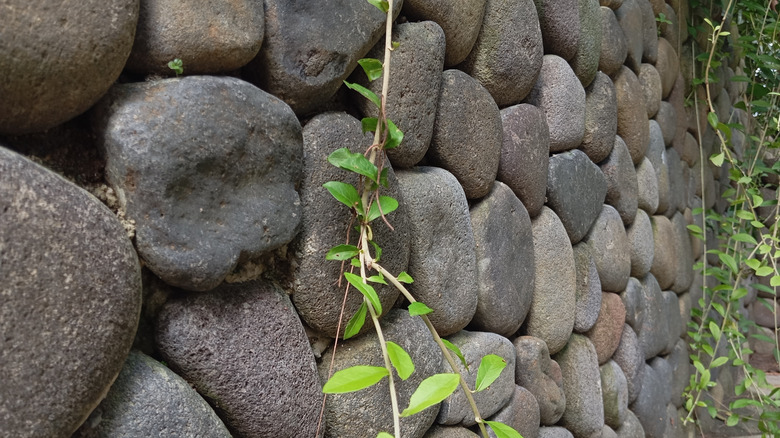
If you're looking to implement a new feature in your front yard, a stone fence is an excellent option. Not only do these types of fences offer higher levels of privacy than others, but they are also durable and can last decades without requiring much repair. Typical fence materials include wood (cedar or redwood), vinyl/PVC, metal, or chain link. While there are benefits to these other materials, stone fences are often selected for their security, timeless aesthetic, and their ability to add value to your home. Stone can even be used to create a unique garden wall. If you've been considering updating or adding a fence to your property, there are a few stone options to choose from, depending on your space, budget, and desired overall look. Some of the most popular options include American granite, slate, fieldstone, and river rock.
Your choice of stone may depend on your landscaping budget. Some of the cheaper options include river rock and fieldstone, and some homeowners trying to save money will opt for concrete with a stone veneer. If you're looking for a more rustic and unique aesthetic, you can give marble or travertine a try. While fieldstone, often irregularly shaped, will give you a rough look, flagstone can give you a more modern design. While it is possible, and often rewarding, to build a stone fence on your own, you may want to hire a professional to ensure you come out the other side with a sturdy, durable product. You don't want to risk having an unstable outdoor wall.
Slate
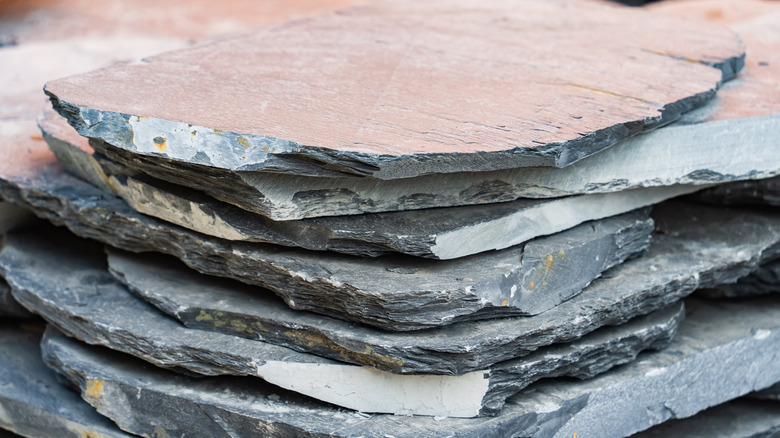
If you want a highly water-resistant option, slate is a great choice for a stone yard fence. Since slate can endure all types of weather, it's a perfect option if you live in an area with fluctuating temperatures. This thin-grained rock can split into thin layers, making it easy to stack to form a fence or garden wall. Slate provides a sleek aesthetic that also allows for water drainage in between the stone's edges. When purchasing slate for this project, make sure it's high-quality and not a decorative type that can easily break or crumble.
American granite
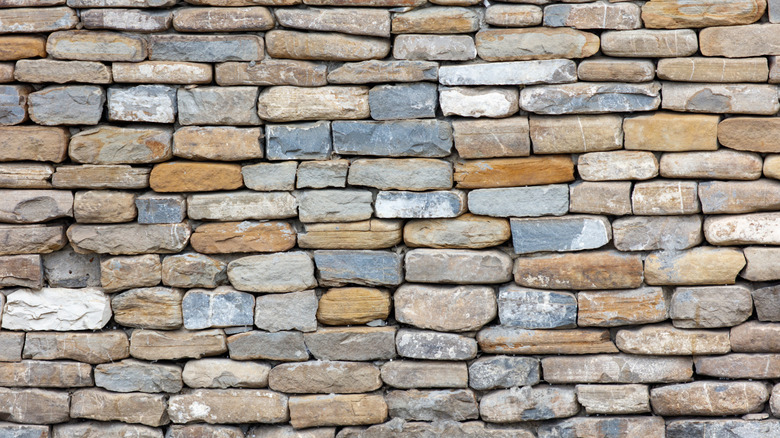
Granite is a popular choice for a stone fence material, and American Granite in particular is a go-to for many reasons, including its rustic, weathered look and color variety. American Granite is typically textured and known for its earth-toned aesthetic, featuring shades of brown, gray, and blue. This type of stone can be arranged in multiple patterns, including mosaic, roughly squared, and ashlar, showcasing the unique and colorful split surfaces.
Marble
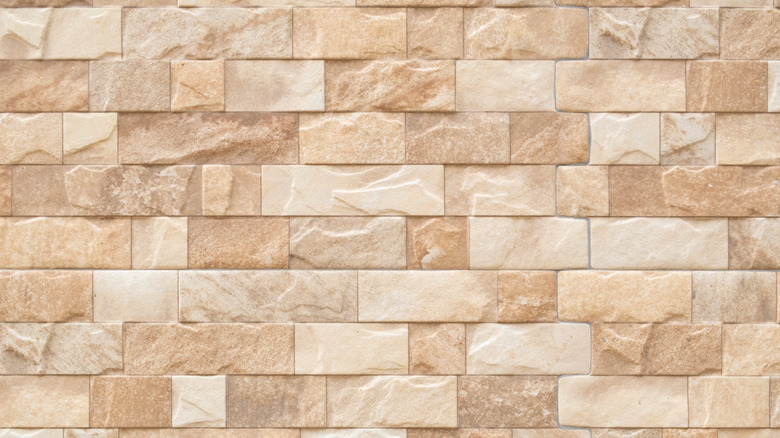
Marble can be an excellent, classy option for a garden fence. If you opt for a split-face finish, created when the stone is split, you get to display the marble's colorful, textured side. It's known for being water and stain-resistant, making it suitable for enduring tough weather. Note that when selecting marble, it's important to choose a high-quality variety. Marble also typically requires more maintenance than other stones, as it is more prone to chipping and cracking.
Pennsylvania granite
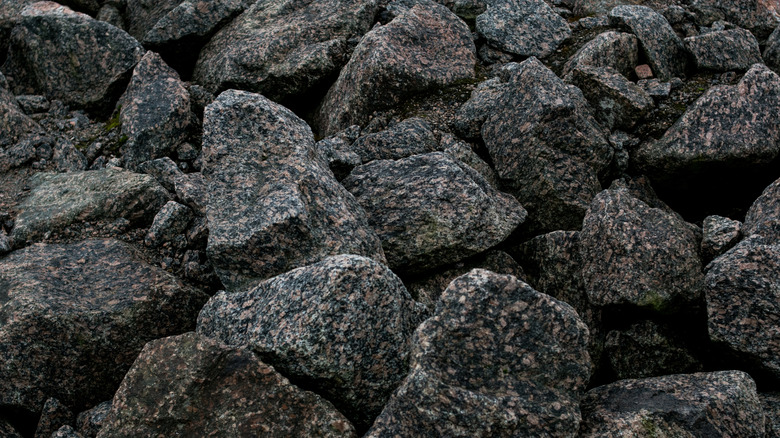
Quarried in St. Petersburg, Pennsylvania, Pennsylvania granite, which is also known as American Black granite, is desired for its durability and sleek color. You may even mistake Pennsylvania granite for marble, as it has a similar marbling effect of white throughout the black stone. Not only is this type of granite excellent for indoor purposes, like kitchen counters and floors, but it can also make for a stunning stone fence in your yard. It is perfect for humid environments as it is unbothered by extreme temperatures and therefore doesn't require consistent maintenance to keep it looking top-notch.
White granite
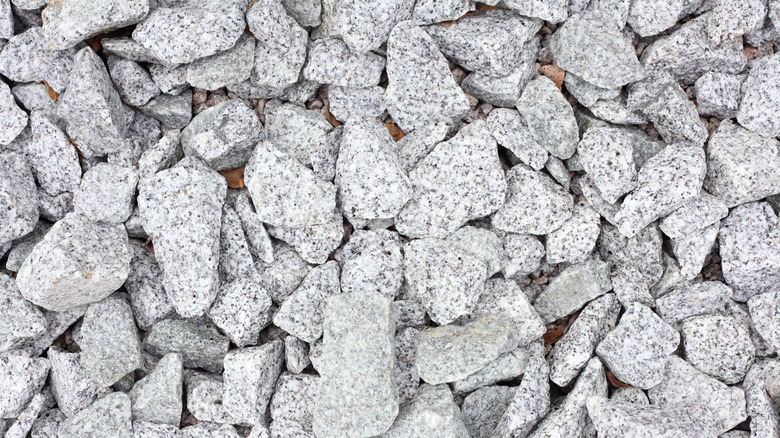
White granite, which is a magmatic rock made from mica, quartz, and felspar, is known for its hardy weather resistance and is an ideal material for outdoor landscaping, such as a fence or wall. If you're looking for that "white picket fence" aesthetic without the picket part, white granite can deliver it. You can opt for white marble in multiple finish types, including polished or rough. Note that white granite can be pricier to install due to its heavy weight.
River rock
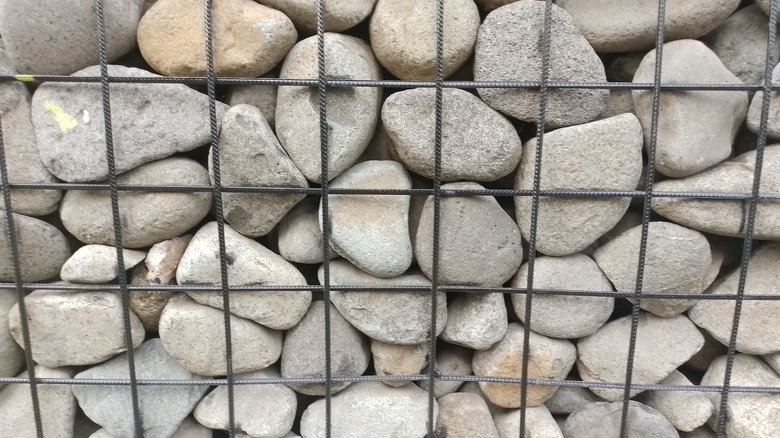
If you've seen landscaping with small, smoothed stones, like in water features or garden beds, then you've most likely seen river rock. River rock can come in a variety of sizes, and for a garden fence, you would want to utilize the smaller sizes to create a gabion wall. This is when smaller garden rocks are stored in rectangular or square-shaped wire boxes to create a wall or fence. Some homeowners prefer these types of fences because they are flexible, affordable, environmentally friendly, and require minimal maintenance.
Fieldstone
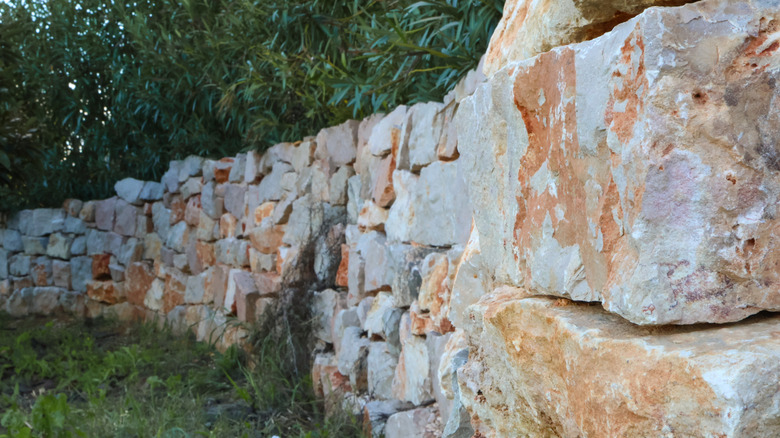
A popular choice for landscaping, fieldstone is a rock sourced from atop the ground of excavation sites or farms as opposed to underneath the earth's surface. These slabs of rock make for excellent garden fences and walls, as they are full of texture, come in a variety of shades, and are easy to stack. You can also use fieldstone in gabion walls if so desired. These large and rounded rock slabs are typically sold by weight. When building your fence with fieldstone, it is recommended to lay down pea gravel first as a level base.
Basalt
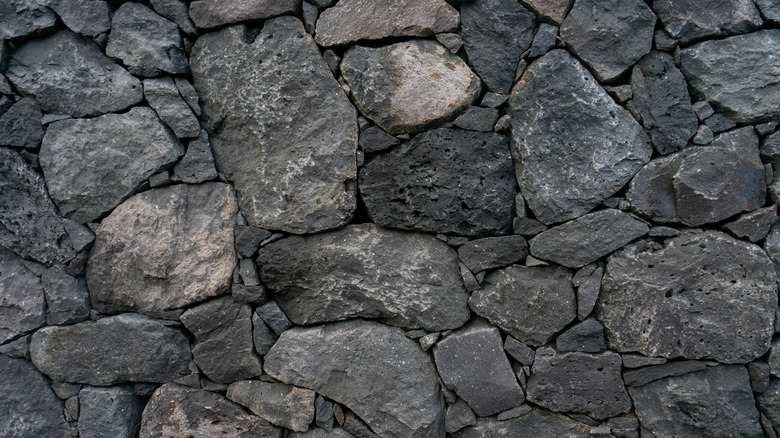
For a unique, striking aesthetic in your yard, consider basalt for your landscaping. This volcanic rock features a gorgeous dark color and can be transformed into a yard fence using the dry-stack or concrete method, the latter of which involves filling gaps between the stones with mortar. Due to its durability, basalt is a popular choice for a wide range of construction projects, including airport runways. It is ideal for an outdoor fence as it is both wear and weather-resistant, making it last for years.
Quartzite
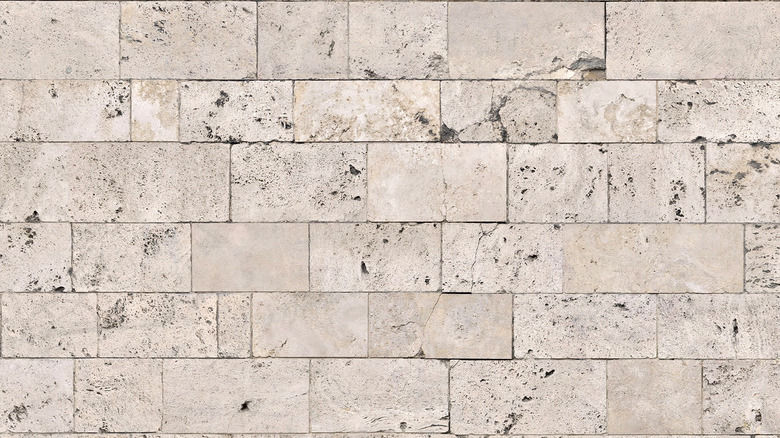
Another popular option for decorative garden walls, quartzite is known for its highly sought-after combo of durability and striking aesthetic. This metamorphic rock is composed of mineral quartz, which originates from sand grains, and every piece looks different. Often light-colored, quartzite is resistant to acids, heat, and scratches, and is one of the hardest types of stones you can choose for an outdoor fence. Before you add a quartzite fence to your yard, make sure you choose a type that works well in your specific climate. If you don't know the difference between quartzite and granite, here's how to tell.
Connecticut Tan granite
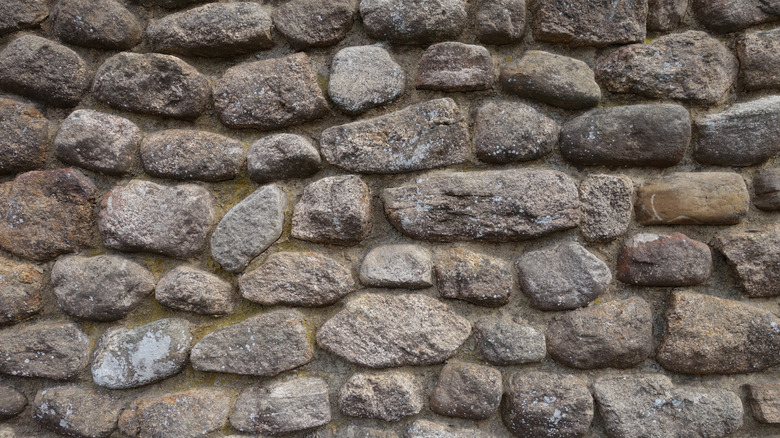
Along with American and Pennsylvania granite, Connecticut Tan granite is another common choice for outdoor landscaping. Typically colored a mix of tan and brown shades, Connecticut Tan is usually cut into a thickness of about 1 to 3 inches. Quarried from north Connecticut, this type of granite's consistent cuts make it a popular option for garden fences as it lies flat and is easy to stack. You can also find Connecticut White Line granite, which is a lighter-colored option. Connecticut granite is popular in climates like New England because it is resistant to freezing and thawing.
Travertine
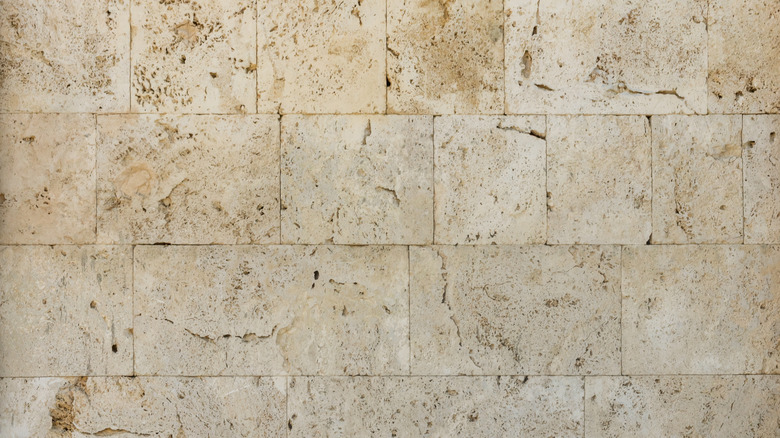
Though many people often mistake it for marble, travertine is a unique natural stone that has been used for outdoor construction for thousands of years. Travertine is actually a type of limestone with an iconic porous texture and layered aesthetic. You can find a wide variety of travertine colors, from ivory and silver to gold and red, as well as finishes, such as polished, sandblasted, or brushed. It is preferred for outdoor use thanks to its durability, though it does require consistent cleaning and maintenance. You can also use travertine to build a budget-friendly fountain for your garden to match your fence.
Bluestone
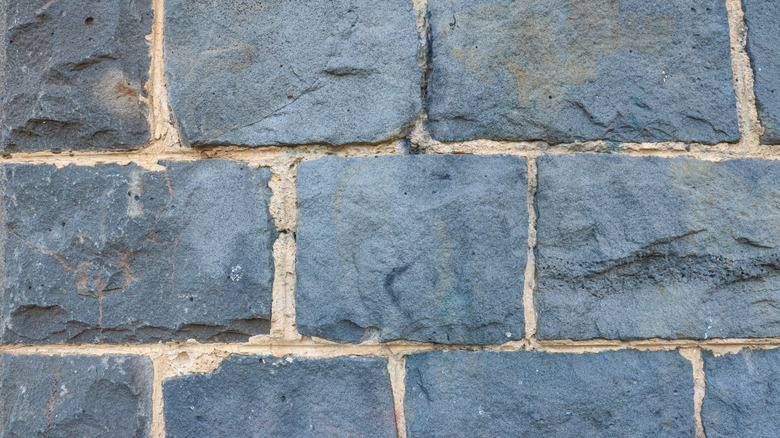
Last but not least, you can use the unique bluestone as the material for your yard fence. Bluestone is typically quarried in New York and Pennsylvania and is a versatile material for a wide range of exterior projects, including walkways and pavers. If you live in the Northeast, this could be the stone for you, as it is durable enough to withstand extreme temperatures. As you might expect, bluestone typically comes in shades of blue but can also come in purple and green hues.